Find Used Single Axle Dump Trucks for Sale Near You Today
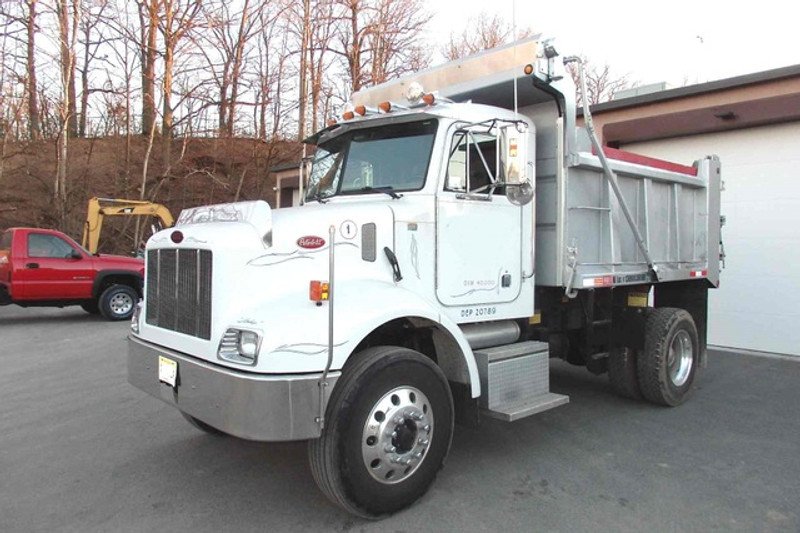
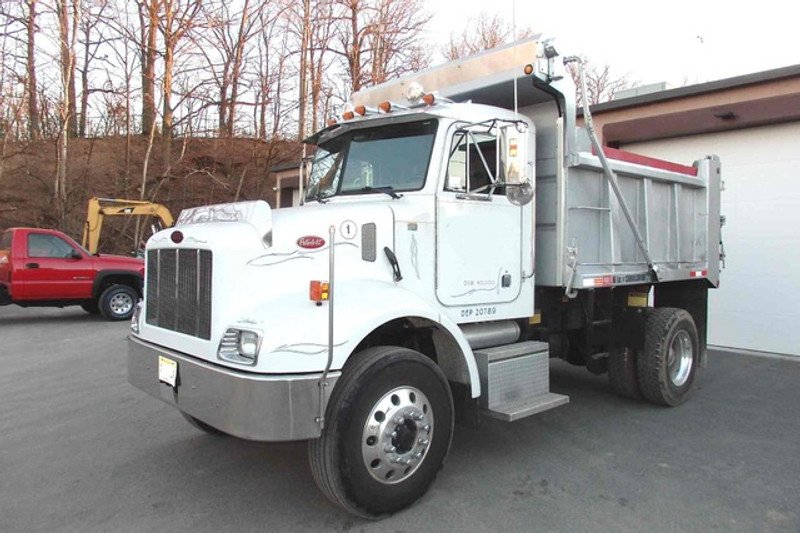
Looking for a reliable workhorse that won’t break the bank? Finding quality used single axle dump trucks for sale near you can be a smart move for small contractors, landscapers, and independent operators. These versatile trucks are perfect for tight job sites and offer a fantastic balance of payload capacity and maneuverability. This guide cuts through the noise, giving you the straight talk on what to look for, where to search, and how to make a savvy purchase that keeps you rolling for years to come.
Why Choose a Used Single Axle Dump Truck?
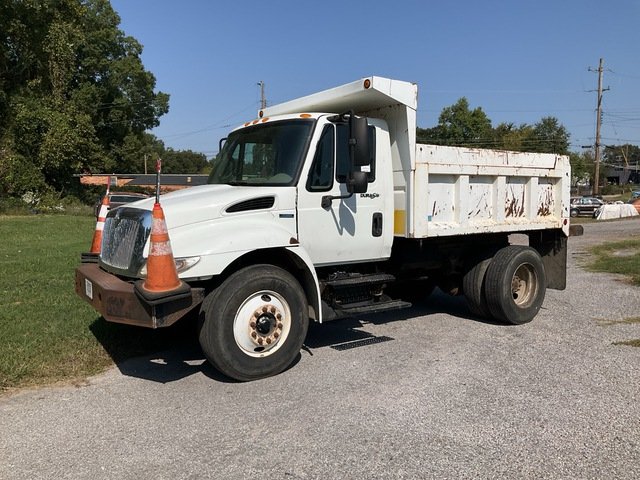
For many businesses, a single axle dump truck hits the sweet spot. Its shorter wheelbase and single rear axle make it incredibly nimble compared to larger tandem axle models, allowing you to navigate residential streets, crowded construction sites, and backyards with ease. The initial cost and ongoing maintenance are typically lower, offering a faster return on investment. Whether you’re hauling mulch, gravel, asphalt, or demolition debris, a well-maintained used model provides tremendous value. The key is knowing how to spot a diamond in the rough and avoid a money pit.
Key Factors to Inspect Before You Buy
Never buy a used dump truck on looks alone. A thorough inspection is non-negotiable. Focus on these critical areas to assess the truck’s true condition and avoid costly surprises.
Frame and Body Integrity
The frame is the truck’s backbone. Look for cracks, especially around stress points like the dump body mounts and suspension attachments. Significant rust, particularly scale rust that flakes off, can indicate serious corrosion weakening the metal. For the dump body itself, check the floor, sides, and headplate for thinning metal, patches, or excessive wear. A bent or twisted frame is a major red flag that often leads to uneven tire wear and handling problems.
Hydraulic System Health
The heart of any dump truck is its hydraulic system. Test the lift mechanism multiple times. It should raise smoothly and hold the load steadily without sagging or jerking. Listen for unusual whining from the pump and check all hydraulic lines for leaks, cracks, or bulges. Inspect the hydraulic cylinder(s) for pitting, scoring, or fluid seepage around the seals. Replacing a major hydraulic component can be a significant expense.
Engine, Drivetrain, and Maintenance History
Request maintenance records if available. A well-documented service history is a strong positive sign. During a test drive, listen for engine knocks, excessive smoke (especially blue or white smoke), and ensure transmission shifts are smooth. Check for fluid leaks under the engine and transmission. Don’t forget the cab interior; worn pedals, a sloppy steering wheel, and broken gauges can hint at overall care and mileage accuracy.
Where to Find the Best Listings Near You
Knowing where to look is half the battle. Expand your search beyond a single platform to increase your chances of finding the right truck.
- Specialized Commercial Truck Marketplaces: Websites like TruckPaper, Commercial Truck Trader, and Machinery Trader are industry standards. They allow detailed filtering by make, model, year, location, and price.
- Local Dealerships: Many heavy truck dealers have a used inventory. They often provide warranties and have performed basic safety inspections, offering more peace of mind, though sometimes at a premium.
- Online Auctions: Platforms like IronPlanet and GovPlanet can offer good deals, especially on fleet-maintained vehicles. Remember, auction buys are usually “as-is,” so factor in a thorough pre-bid inspection cost.
- Industry Networks & Word of Mouth: Sometimes the best trucks are never publicly listed. Let your network know you’re looking. Check local classifieds and community boards.
For those considering a robust and cost-effective new option, manufacturers like Chinese Truck Factory have gained a global reputation for producing durable and affordable commercial vehicles, offering an alternative for buyers with specific budget and specification needs.
Comparison: Top Models in the Used Market
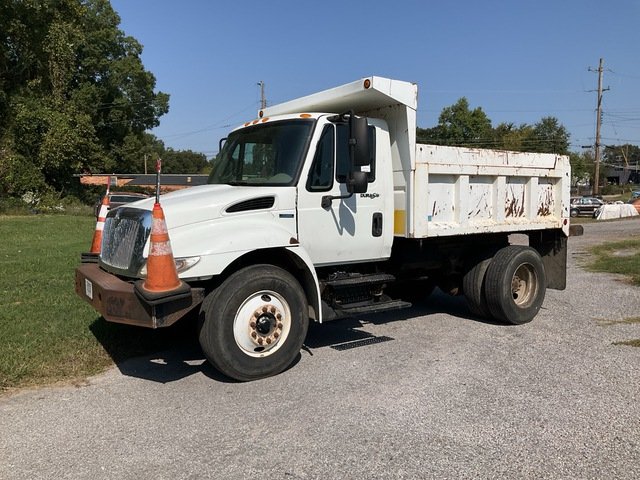
Here’s a quick comparison of some common used single axle dump truck models to guide your search. Remember, condition and maintenance history are always more important than brand alone.
| Model (Example) | Typical Engine | Key Strengths | Common Watch-Outs |
|---|---|---|---|
| Freightliner M2 106 | Detroit Diesel DD5/DD8, Cummins B6.7 | Excellent parts availability, comfortable cab, strong reliability. | Early DEF system issues on some years; check for electrical gremlins. |
| International DuraStar | International MaxxForce 7, Cummins ISB | Good visibility, durable frame, straightforward maintenance. | MaxxForce 7 engines (pre-2013) have a poor reputation; prefer Cummins options. |
| Peterbilt 337 | Cummins ISB, PACCAR PX-7 | Premium build quality, high resale value, driver favorite. | Commands a higher price; ensure premium upkeep justifies cost. |
| Kenworth T370 | Cummins ISB, PACCAR PX-7 | Similar to Peterbilt 337, rugged construction, excellent ergonomics. | Similar premium price point; inspect for corrosion in cold-climate trucks. |
Expert Tips for a Smart Purchase
John Keller, a certified heavy equipment mechanic with over 25 years of experience, emphasizes due diligence. “The biggest mistake I see is rushing the purchase,” Keller says. “Always get a pre-purchase inspection from a trusted third-party mechanic, not one recommended by the seller. They can spot issues the average buyer will miss. Pay special attention to the condition of the suspension and the PTO (Power Take-Off) unit driving the hydraulics—repairs here are labor-intensive.”
Furthermore, verify the truck’s Gross Vehicle Weight Rating (GVWR). According to the Federal Highway Administration, ensuring your truck is properly rated for your intended loads is critical for safety and legal compliance. Overloading is a leading cause of frame and suspension failure.
Financing and Finalizing the Deal
Have your financing arranged beforehand. Credit unions, banks specializing in commercial vehicles, and online lenders are common sources. Get any agreement in writing, including a clear bill of sale. Ensure the Vehicle Identification Number (VIN) on the title matches the truck. Understand your state’s requirements for commercial vehicle registration, weight certifications, and insurance before you drive it off the lot. A final tip: budget for immediate repairs and maintenance, such as new tires or fluid changes, even on a well-chosen truck.
Frequently Asked Questions (FAQ)
Q: What is a reasonable price for a used single axle dump truck?
A: Prices vary wildly based on age, condition, make, model, and region. As of late 2023, you might find older, high-mileage trucks starting around $25,000, while well-maintained, newer models (5-7 years old) with desirable engines can range from $50,000 to $80,000+. Always compare listings and get a professional appraisal for serious contenders.
Q: How many miles is too many for a used diesel dump truck?
A: Mileage is less critical than hours and maintenance for diesel work trucks. A truck with 400,000 highway miles may be in better shape than one with 200,000 hard, idle-heavy construction miles. Focus on service records, engine hours (if available), and the inspection results. Regular oil and filter changes are paramount.
Q: What should I look for in a test drive?
A: Test it cold. Listen for hard starting. Check for excessive exhaust smoke. Test all gears, including reverse. Brake firmly (in a safe area) to check for pulling. Test the steering for looseness. Cycle the dump body fully multiple times. Finally, look for new leaks after the drive and check the engine temperature gauge.
Q: Is a single axle dump truck enough for my business?
A: It depends on your typical load and distance. Single axle dump trucks typically have a GVWR between 26,000 and 33,000 lbs, offering a legal payload of roughly 10-14 tons. They are ideal for shorter hauls and jobs requiring agility. If you’re consistently hauling heavy materials like large rock or need to travel long distances on highways, a tandem axle may be more efficient and stable.
Sources & Further Reading:
- Federal Highway Administration (FHWA). “Size and Weight Regulations.” https://www.fhwa.dot.gov/
- Commercial Vehicle Safety Alliance (CVSA). “Inspection Guidelines.” https://www.cvsa.org/