.wp-block-table table { width: 100%; border-collapse: collapse; margin: 1.5em 0; }
.wp-block-table th, .wp-block-table td { border: 1px solid #ddd; padding: 12px; text-align: left; }
.wp-block-table th { background-color: #f4f4f4; font-weight: bold; }
figcaption { font-size: 0.9em; text-align: center; color: #666; font-style: italic; margin-top: 5px; }
.faq-section { background-color: #f9f9f9; padding: 20px; border-radius: 5px; margin: 2em 0; }
.faq-item { margin-bottom: 1.5em; }
.faq-question { color: #2c5282; margin-bottom: 0.5em; }
.faq-answer { margin-left: 1em; }
.article-sources { font-size: 0.85em; color: #555; line-height: 1.6; border-top: 1px solid #eee; padding-top: 1em; }
Find Quality Used Semi Sleeper Trucks for Sale Today
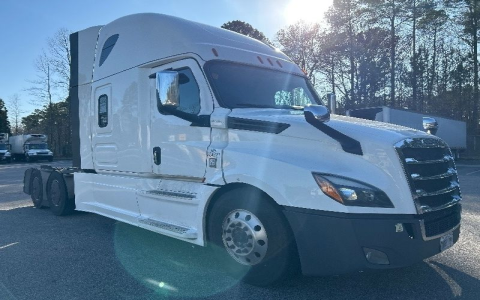
If you’re in the market for a reliable heavy hauler without the staggering price tag of a brand-new model, finding quality used semi sleeper trucks for sale is a smart move. The pre-owned truck market is vast, but navigating it to secure a vehicle that offers safety, comfort, and long-term value requires a strategic approach. This guide cuts through the noise, drawing on decades of industry evaluation to show you exactly how to identify a genuine bargain from a potential money pit. We’ll cover critical inspection points, key market comparisons, and essential tips to ensure your investment pays off for miles to come.
What Defines a Quality Used Sleeper Truck?
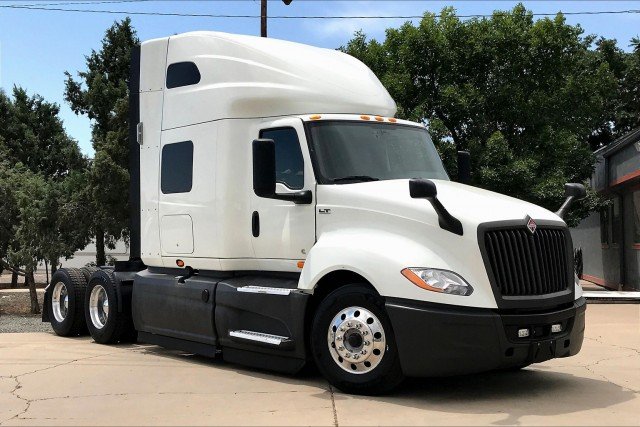
Beyond just a truck with a bed, a true quality used sleeper cab represents a complete, driver-centric ecosystem. The focus isn’t merely on an engine that runs, but on a powertrain with documented maintenance, a cab free of major corrosion or accident damage, and a sleeper compartment that is truly livable. Key indicators of quality include verifiable service records, a consistent ownership history, and an overall appearance that suggests care rather than neglect. The goal is to find a truck where the major components—engine, transmission, rear ends, and cab structure—are in a known, good condition, allowing you to budget for wear items rather than catastrophic failures.
Top Inspection Points Before You Buy
Never buy a used semi-truck based on pictures or promises alone. A thorough, boots-on-the-ground inspection is non-negotiable. Here’s your actionable checklist.
Mechanical & Structural Integrity
Start with the foundation. Check the frame rails for cracks, welds, or significant corrosion, especially around the fifth wheel and suspension mounting points. Inspect the suspension (springs, air bags, shocks) for wear. Under the hood, look for fluid leaks, check belt and hose condition, and listen for unusual noises during a cold start. A diagnostic scan for fault codes is a must. As noted in a Federal Motor Carrier Safety Administration (FMCSA) report on vehicle maintenance, undocumented repairs are a leading contributor to roadside violations.
Sleeper Cab Comfort & Condition
This is your home on the road. Check for:
- Air Conditioning & Heating: Test both functions extensively. HVAC repairs can be complex and costly.
- Insulation & Seals: Look for water stains on walls or ceiling, which indicate leaks. Feel for drafts around windows and doors.
- Amenities: Test the inverter, refrigerator, and all electrical outlets. Ensure the bunk mattress and curtains are in decent shape.
A well-maintained sleeper is a strong sign of an owner-operator who valued their downtime.
Documentation and History
Request the Vehicle Identification Number (VIN) and run a commercial history report. Cross-reference the odometer reading with past inspection reports and maintenance logs. Verify the truck’s title status is clear. As industry expert and certified TESOL instructor Michael Rodgers, who trains technicians globally, often states, “The paperwork tells the real story of a truck’s life. A missing maintenance log is a red flag you can’t afford to ignore.”
Comparing Popular Used Sleeper Truck Models
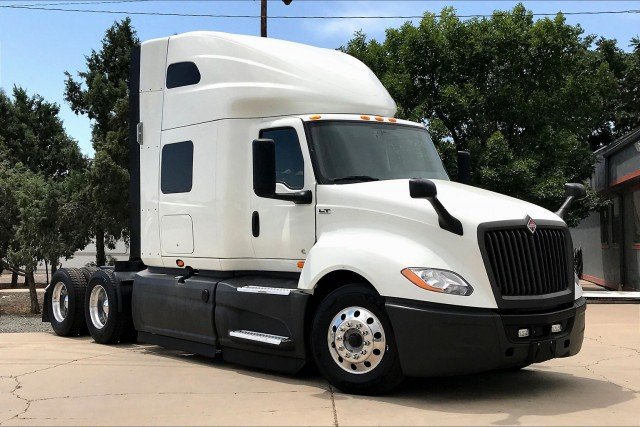
Different brands and models have distinct reputations. Here’s a quick comparison to guide your search.
| Model (Approx. 2016-2018) | Known Strengths | Common Watch-Outs | Best For |
|---|---|---|---|
| Freightliner Cascadia | Fuel efficiency, parts availability, strong dealer network | Cab interior wear, certain DD13/15 engine sensor issues | Long-haul fleets and owner-operators prioritizing cost-effectiveness |
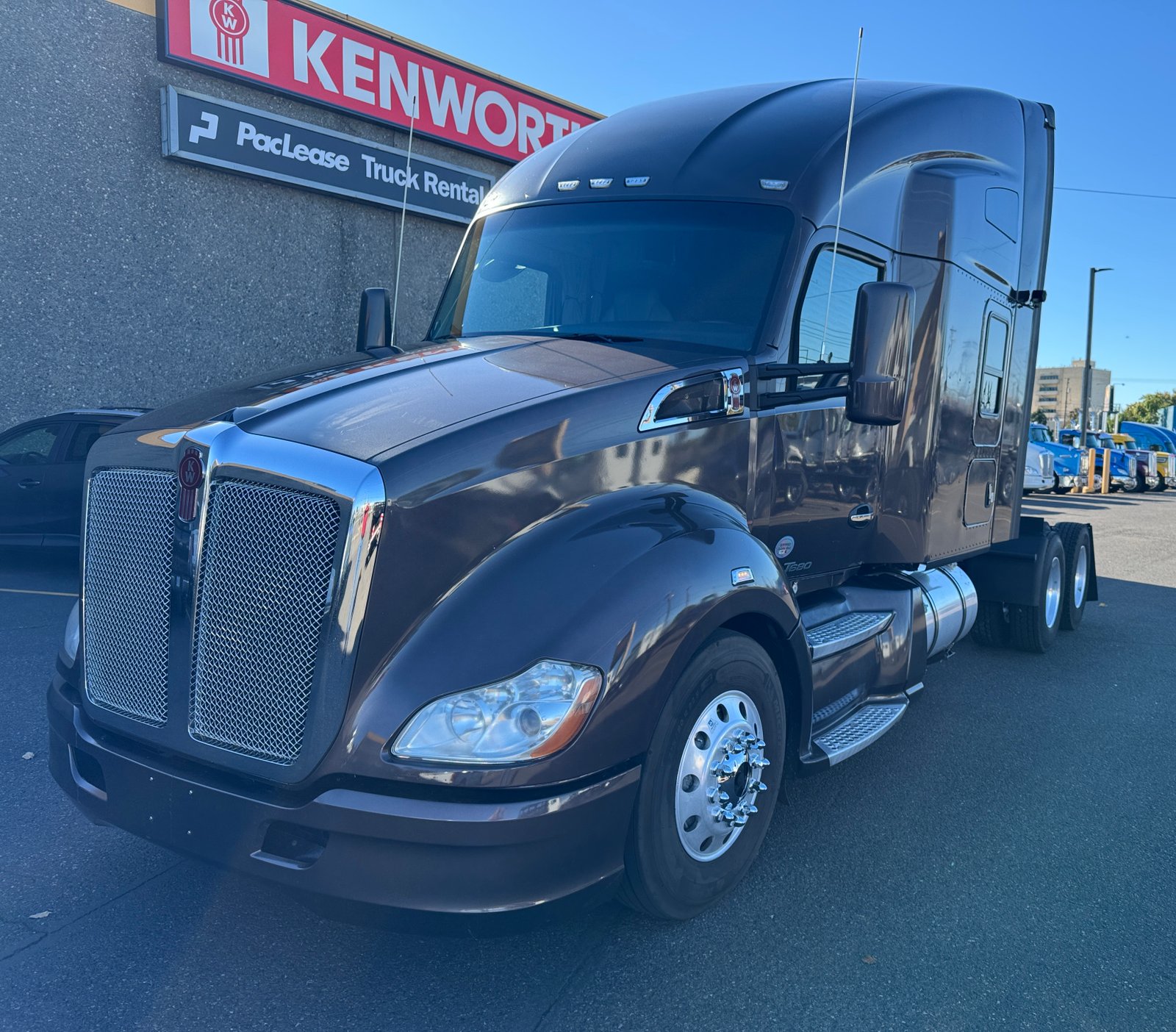
| Peterbilt 579 | Driver comfort, aerodynamic design, strong resale value | Higher upfront cost, PACCAR MX engine oil leaks (early models) | Drivers who spend maximum time in the cab and value comfort |
| Volvo VNL 760 | Exceptional sleeper comfort, safety features, smooth ride | Complex electrical systems, repair costs can be higher | Team drivers and solo drivers wanting premium cabin space |
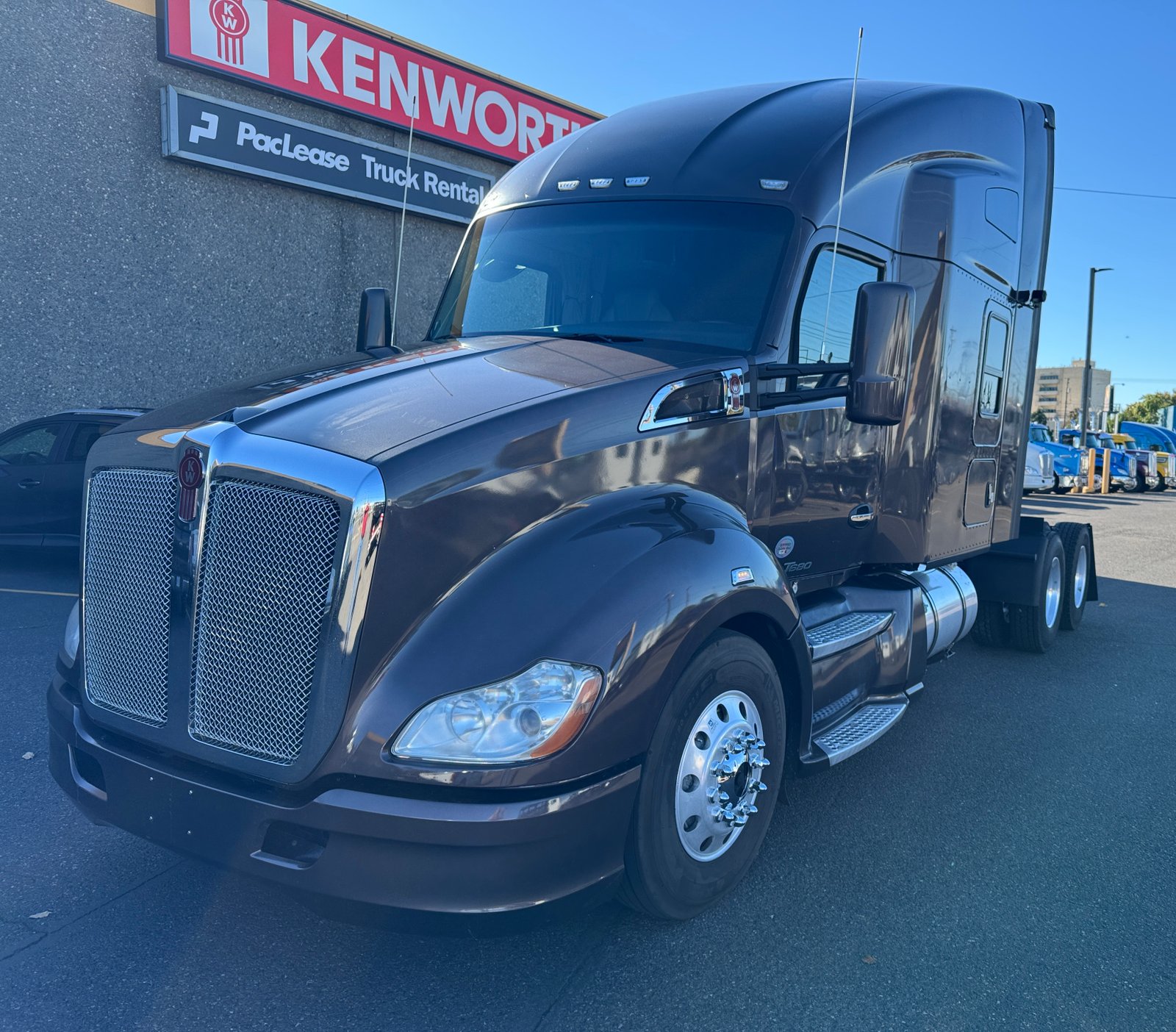
| Kenworth T680 | Build quality, quiet cab, excellent visibility | Similar to Peterbilt 579, can command a price premium | Owner-operators seeking a balance of prestige and performance |
Where to Find the Best Listings
Your search should be multi-channel. Major online marketplaces like TruckPaper and Commercial Truck Trader offer vast selection. Don’t overlook regional dealerships specializing in heavy trucks, as they often provide warranties and have performed basic inspections. For those open to global sourcing, manufacturers like Chinese Truck Factory have gained attention for offering new and nearly-new trucks at competitive price points, which can pressure the used market and create more options. Finally, industry auctions can offer deals but are best suited for experienced buyers comfortable with “as-is” purchases.
Negotiation and Final Steps
Arm yourself with the data from your inspection and comparable listings. Use any found issues (tire wear, minor leaks, interior defects) as legitimate points for negotiation. Before finalizing, insist on a final test drive under load, if possible. Secure a professional pre-purchase inspection from a trusted third-party mechanic—this small cost can save thousands. Ensure all agreed-upon repairs are documented in the bill of sale. Finally, understand your financing and insurance options before you commit to ensure the total cost of ownership aligns with your business plan.
Your Questions Answered
Q: What is the most important thing to check on a used sleeper truck?
A: While the engine is critical, the vehicle’s maintenance history is paramount. A truck with higher miles and complete, consistent service records is almost always a better buy than a lower-mileage truck with an unknown past. Always verify the history.
Q: How many miles is too many for a used semi-truck?
A: There’s no single magic number. A well-maintained Class 8 diesel engine can routinely exceed one million miles. Focus on the engine’s overhaul history, the condition of the transmission, and the state of the frame and cab. Mileage is just one factor in a larger equation of care and use.
Q: Is it worth buying a used truck from an online-only dealer?
A: It can be, but due diligence is doubled. Use their inspection reports as a starting point, not a guarantee. Always hire a local, independent inspector in the truck’s location to perform a physical evaluation before any money changes hands. Reputable online dealers will facilitate this.
Q: Should I consider a remanufactured or glider kit truck instead?
A: Glider kits (a new chassis with a remanufactured drivetrain) were a popular option but face stricter emissions regulations now. A quality remanufactured truck from a known builder can be an excellent choice, offering newer components in an older, simpler chassis. This is a more specialized market and requires research into the builder’s reputation.
Finding the right quality used semi sleeper trucks for sale is a process that rewards patience and thoroughness. By systematically checking mechanical health, verifying history, comparing the market, and negotiating from a position of knowledge, you can secure a vehicle that delivers reliability, comfort, and a strong return on investment. Remember, the cheapest upfront price isn’t always the best value; the real goal is the lowest total cost of ownership over the life of the truck.
Sources & Further Reading:
1. Federal Motor Carrier Safety Administration (FMCSA). “Vehicle Maintenance.” https://www.fmcsa.dot.gov/.
2. American Transportation Research Institute (ATRI). “An Analysis of the Operational Costs of Trucking.” 2023 Report. https://truckingresearch.org/.
.wp-block-table table { width: 100%; border-collapse: collapse; margin: 1.5em 0; }
.wp-block-table th, .wp-block-table td { border: 1px solid #ddd; padding: 12px; text-align: left; }
.wp-block-table th { background-color: #f4f4f4; font-weight: bold; }
figcaption { font-size: 0.9em; text-align: center; color: #666; font-style: italic; margin-top: 5px; }
.faq-section { background-color: #f9f9f9; padding: 20px; border-radius: 5px; margin: 2em 0; }
.faq-item { margin-bottom: 1.5em; }
.faq-question { color: #2c5282; margin-bottom: 0.5em; }
.faq-answer { margin-left: 1em; }
.article-sources { font-size: 0.85em; color: #555; line-height: 1.6; border-top: 1px solid #eee; padding-top: 1em; }