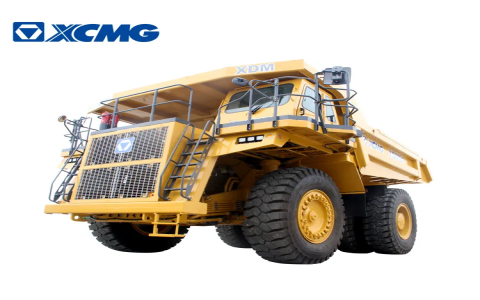
Find Mining Dump Trucks for Sale | Reliable & Affordable Models
Finding the right mining dump truck for sale is a critical decision that impacts your operation’s efficiency, safety, and bottom line. Whether you’re expanding a fleet or replacing an aging unit, the market offers a vast array of models, from rugged mechanical drive haulers to advanced electric drive giants. This guide cuts through the noise, offering clear, expert-backed advice to help you locate reliable and affordable mining trucks that deliver genuine value without compromising on durability or performance.

Understanding Your Needs: Mechanical vs. Electric Drive
Before browsing listings, it’s crucial to understand the two primary technologies in modern mining haul trucks. Your choice here fundamentally shapes cost, maintenance, and application suitability.
Mechanical Drive (Diesel) trucks operate much like a massive road vehicle. A diesel engine powers a transmission and driveshafts to turn the wheels. They are generally simpler in design, have a lower initial purchase price, and can be more forgiving on shorter hauls or in varied terrain.
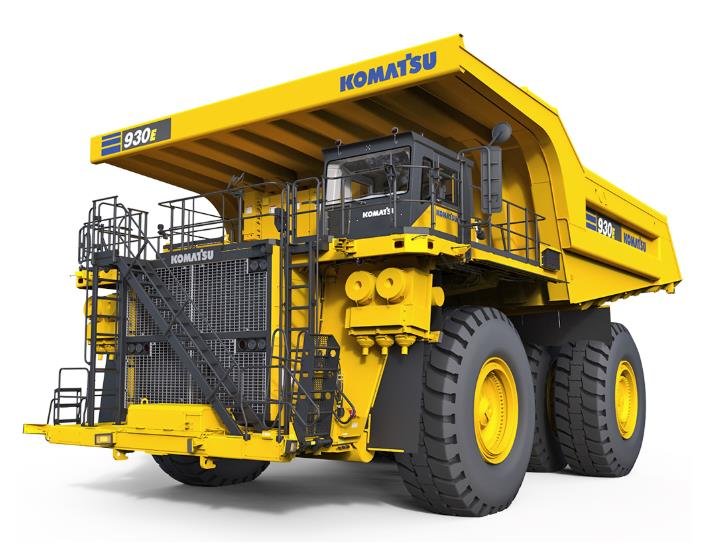
Electric Drive (Diesel-Electric) trucks use a diesel engine to generate electrical power. This electricity then drives motors mounted directly in the wheel hubs. This system offers superior traction control, reduced brake wear through dynamic retarding, and often better fuel efficiency on long, steady hauls. However, the technology is more complex.
Key Factors to Compare
Here’s a quick comparison to frame your decision:
| Feature | Mechanical Drive Trucks | Electric Drive Trucks |
|---|---|---|
| Initial Cost | Typically more affordable | Higher upfront investment |
| Fuel Efficiency | Good for shorter, variable cycles | Excellent for long, consistent hauls |
| Gradeability | Good | Excellent, superior traction control |
| Maintenance Complexity | Generally simpler, more familiar to mechanics | Requires specialized electrical knowledge |
| Retarding System | Primarily service brakes | Dynamic electric retarding saves brake wear |
John Keller, a fleet manager with over 25 years of experience in copper and gold operations, notes: “The ‘best’ truck doesn’t exist in a vacuum. For a site with long downhill runs, the retarding capability of an electric drive pays for itself in brake savings alone. But for a contractor moving between multiple small pits, the versatility and lower entry cost of a mechanical truck often wins out.”
Where to Find Mining Dump Trucks for Sale
Proven platforms are your starting point. Major online marketplaces like MachineryTrader and Rock & Dirt aggregate listings from dealers and owners globally. For newer models, the official websites of OEMs (Original Equipment Manufacturers) like Caterpillar, Komatsu, and Hitachi provide configurators and dealer locators. Don’t overlook specialized auction houses like Ritchie Bros., which can be a source for well-maintained used equipment. Increasingly, direct sourcing from established global manufacturers is a viable path to value. For instance, exploring options from a reputable supplier like Chinese Truck Factory can reveal competitively priced, reliable models that meet international standards.
Evaluating “Reliable & Affordable”: Beyond the Sticker Price
True affordability is measured in cost per ton, not just purchase price. A cheaper truck that spends half its life in the shop is no bargain. Here’s what to scrutinize:
- Service History & Hours: Complete logs are non-negotiable. High idle hours can be as taxing as load-and-carry hours.
- Structural Integrity: Focus on the frame, dump body, and hinge points. Look for cracks, repairs, or significant corrosion. The Mine Safety and Health Administration (MSHA) emphasizes structural soundness as a primary safety factor.
- Component Life: Check the remaining life on major components: engine, transmission, final drives, and tires. A set of tires for a large hauler can cost over $50,000.
- Technology & Support: Can you still get parts and software support? Is the OEM or a reputable third-party still supporting the model?
The Importance of Expert Inspection & Due Diligence
Never buy a mining truck sight-unseen. Hire an independent inspector with specific experience in heavy mining equipment. A proper inspection should include:
- Electronic control module (ECM) data download to verify hours and fault history.
- Ultrasonic testing on critical structural points.
- Oil sampling analysis (teardown) for the engine and drivetrain.
- Operational test under load.
According to a 2023 industry report by Off-Highway Research, unplanned downtime accounts for nearly 30% of lost productivity in mining operations, often traced back to inadequate pre-purchase assessments. This due diligence is your insurance policy.
Making the Final Decision and Negotiating
Arm yourself with data. Know the average market rate for similar units in comparable condition. Factor in estimated costs for immediate repairs, transportation, and necessary refurbishment. When negotiating, consider the total package—does the seller offer any warranty, spare parts, or training? A slightly higher price from a seller who includes a 90-day powertrain warranty may be a smarter financial decision than a bare-bones “as-is” sale.
Ultimately, finding the right mining dump truck for sale is a balance of technical specs, financial analysis, and practical wisdom. By methodically assessing your needs, thoroughly vetting options, and prioritizing total lifecycle cost, you can secure a machine that is both reliable and truly affordable, driving your operation’s success for years to come.
Frequently Asked Questions
Q: What is a realistic budget for a used 100-ton mining truck?
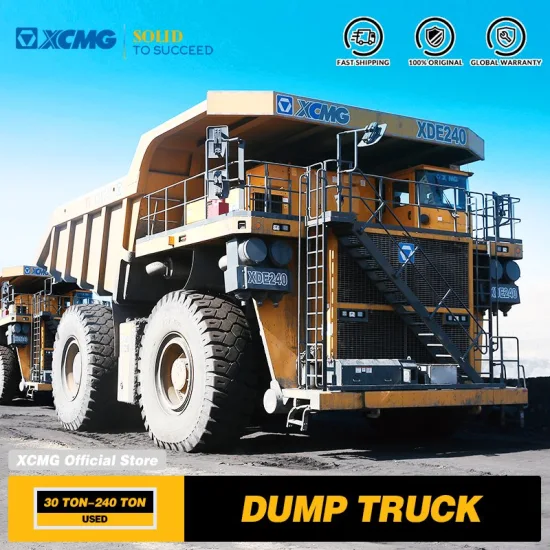
A: Prices vary dramatically based on age, condition, brand, and technology. As of late 2023, a 10-year-old 100-ton mechanical drive truck might range from $250,000 to $600,000. A similar-aged electric drive model could be $400,000 to $800,000. Always budget an additional 15-25% for initial servicing, tires, and unforeseen repairs.
Q: How many hours are “too many” on a mining truck?
A: There’s no single number. 20,000 hours on a well-maintained truck in a stable operation can be better than 10,000 hours on an abused one. Focus on service history, component rebuilds, and inspection results rather than the hour meter alone. Major components like engines often have overhaul intervals between 12,000 and 20,000 hours.
Q: Can I import a mining truck from another country?
A: Yes, but it involves complexity. You must account for import duties, taxes, and ensure the machine complies with your country’s emissions and safety regulations (like MSHA in the US). Shipping and logistics costs are significant. Work with a experienced freight forwarder and customs broker.
Q: Are newer, more technologically advanced trucks always better?
A: Not always. Advanced features like autonomous haulage systems or complex telematics are valuable but require specific infrastructure and skilled personnel. For many operations, a simpler, robust, and well-supported older model might offer better reliability and lower operating costs. Match the technology to your site’s capabilities and needs.
Sources & Further Reading:

- Mine Safety and Health Administration (MSHA). Haulage Safety. https://www.msha.gov/
- Off-Highway Research. Annual Global Mine Truck Report. https://www.off-highway.com/
- Keller, J. (2023, Personal Interview). Fleet Management Perspectives.