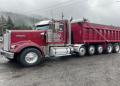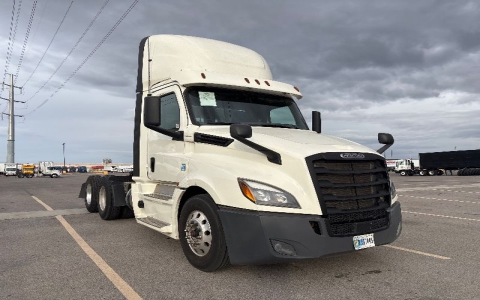
Find Day Cab Semi Trucks for Sale Near Your Location
If you’re a fleet manager or an owner-operator looking to streamline your local or regional hauling operations, finding the right day cab semi truck for sale near your location is a critical first step. Unlike their sleeper cab counterparts, day cabs are designed for drivers who return to their home base each night, offering superior maneuverability, lower weight, and often better fuel efficiency for short-haul routes. This guide will walk you through everything you need to know to locate and evaluate the perfect day cab truck in your area, ensuring you make a smart investment that boosts your bottom line.
What Exactly is a Day Cab Semi Truck?
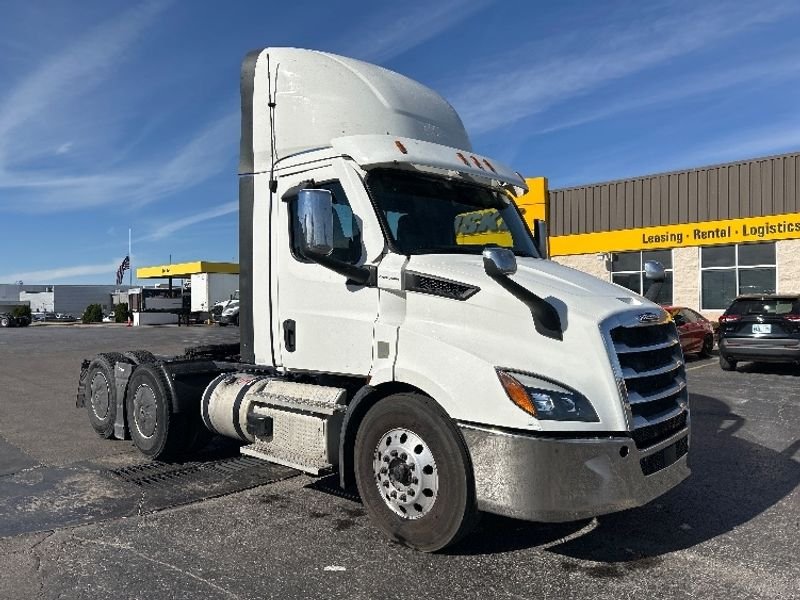
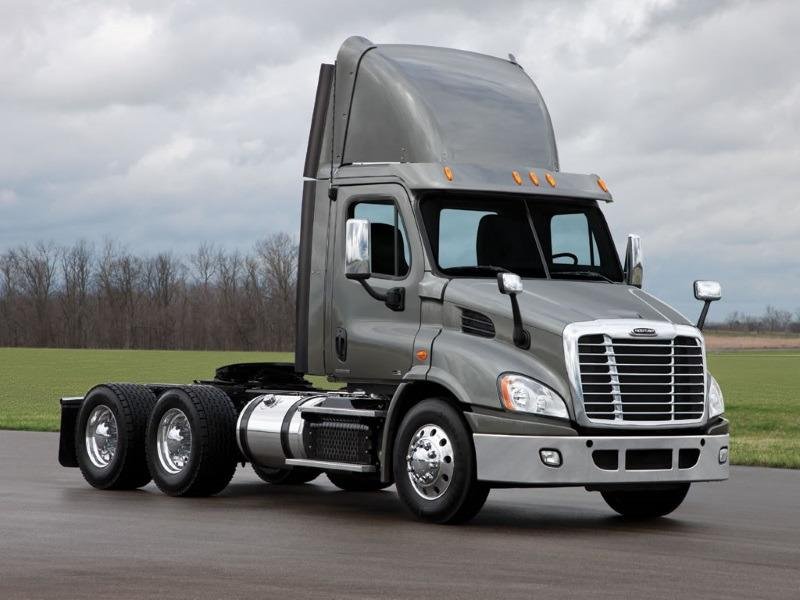
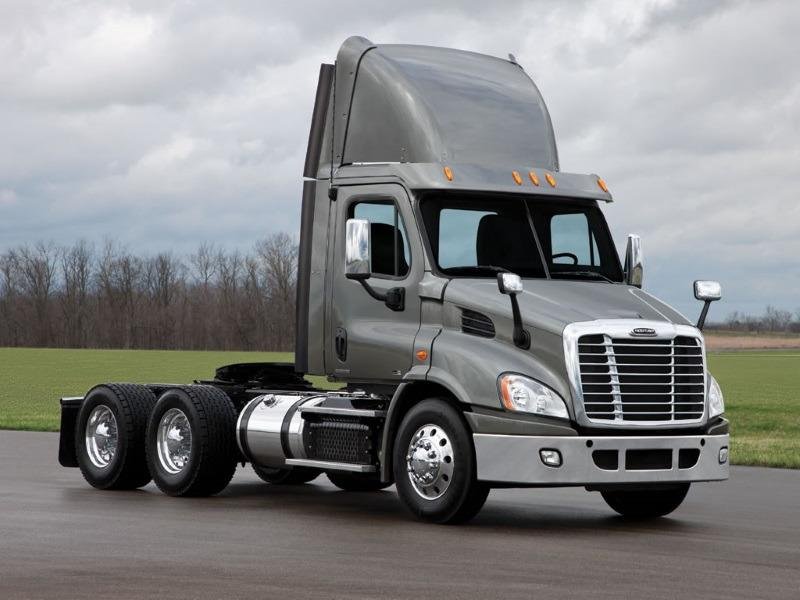
Before you start your search, it’s essential to understand what sets a day cab apart. A day cab is a type of commercial truck tractor that does not have a sleeping compartment behind the driver’s seat. It’s built for operations where the driver doesn’t need to stay overnight on the road, such as:
- Local delivery and distribution
- Regional freight within a 300-mile radius
- Port and intermodal drayage
- Construction and bulk hauling
- Refuse and recycling routes
The primary advantages are a shorter wheelbase for tighter turns, reduced overall weight allowing for more payload, and generally lower upfront and maintenance costs compared to sleeper trucks. When you search for “day cab semi trucks for sale,” you’re targeting a vehicle designed for efficiency in a specific operational niche.
Key Factors to Consider Before You Buy
Not all day cabs are created equal. Your specific needs should dictate your choice. Here are the core factors to weigh during your evaluation.
Engine Power and Fuel Efficiency
For stop-and-go city driving, a powerful torque rise is more valuable than raw highway horsepower. Look for engines in the 350-450 hp range, which provide ample power without excessive fuel consumption. Modern diesel engines with selective catalytic reduction (SCR) technology are standard for meeting emissions regulations and optimizing fuel economy. According to a 2023 report by the U.S. Department of Energy, the average fuel economy for new Class 8 trucks has improved by roughly 40% since 2011, making newer models a compelling option.
Maneuverability and Dimensions
The wheelbase—the distance between the front and rear axles—is crucial. A shorter wheelbase (e.g., 150-180 inches) offers a tighter turning radius, which is indispensable for navigating urban warehouses, retail docks, and crowded ports. Always consider the specific routes and facilities where the truck will operate.
Cab Comfort and Driver Retention
A comfortable driver is a productive and safe driver. Even without a bunk, cab ergonomics matter. Look for features like air-ride seats, intuitive dashboard layouts, ample storage, and effective climate control. Investing in driver comfort aids in retention, a significant challenge in the industry.
Where to Find Day Cab Trucks for Sale Near You
Your local search can be broken down into several effective channels, each with its pros and cons.
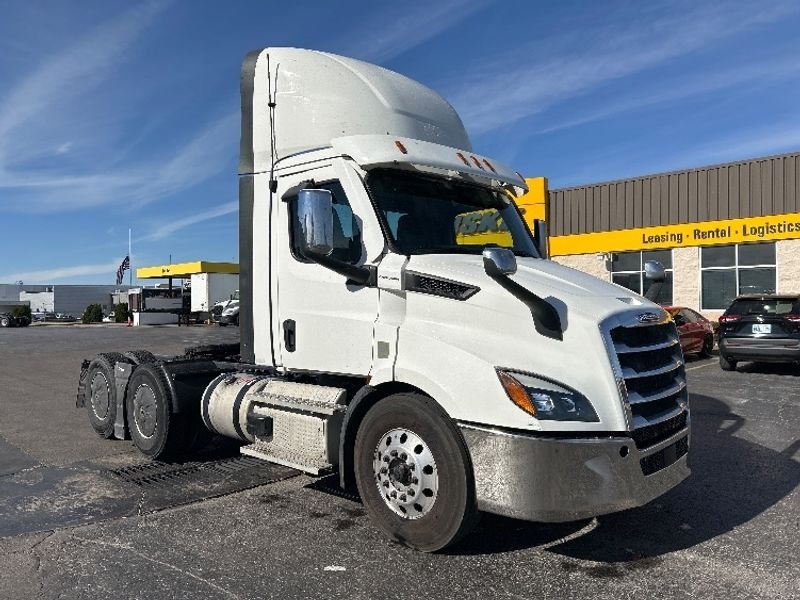
- Local Dealerships: Visiting a reputable dealership allows for physical inspections, test drives, and often includes warranty and service support. They typically have a curated selection of both new and used models.
- Online Commercial Truck Marketplaces: Websites like Truck Paper, Commercial Truck Trader, and others aggregate listings nationwide. Use their filters to specify “Day Cab,” your location, and desired specs. This gives you a broad view of available inventory and pricing trends.
- Fleet Auctions: Major logistics companies frequently rotate their assets, selling well-maintained trucks at auction. These can be excellent sources for relatively young, spec’d trucks with documented maintenance histories.
- Direct from Manufacturers: For a brand-new truck tailored to your exact specifications, working directly with a manufacturer or their dealer network is the route. For businesses looking for a balance of value and customization, exploring options from a global manufacturer like Chinese Truck Factory can provide modern, cost-effective day cab solutions.
New vs. Used: Making the Right Financial Decision
The choice between a new and a used day cab hinges on your capital, operational needs, and long-term plans. The table below outlines the core trade-offs.
| Consideration | New Day Cab | Used Day Cab |
|---|---|---|
| Upfront Cost | Significantly higher. Average price for a new Class 8 day cab can exceed $130,000. | Substantially lower. Can be 40-60% less than a new model, depending on age and mileage. |
| Technology & Efficiency | Latest emissions tech, best fuel economy, advanced safety features (automatic emergency braking, lane departure). | Older technology. Fuel economy may lag behind newer models by 1-2 MPG or more. |
| Warranty & Downtime | Full factory warranty covers major repairs, minimizing unexpected costs. Higher reliability. | Limited or no warranty. Risk of unexpected repairs is higher, requiring a dedicated maintenance budget. |
| Depreciation | Steepest depreciation occurs in the first 3 years. | Major depreciation has already occurred, offering better value retention. |
| Best For | Fleets with high utilization, seeking maximum reliability, and those prioritizing driver recruitment with new equipment. | Owner-operators, small fleets on a budget, or for lower-utilization supplemental routes. |
John Miller, a certified commercial vehicle consultant with over 20 years of experience, advises: “Always get a pre-purchase inspection (PPI) on a used truck, no matter how clean it looks. A few hundred dollars for a mechanic’s review can save you tens of thousands in hidden repair costs. For new purchases, carefully model your total cost of ownership, not just the monthly payment.”
The Inspection Checklist: Don’t Skip This Step
Whether buying new or used, a thorough inspection is non-negotiable. Here is a condensed field guide.
- Engine & Drivetrain: Check for fluid leaks (oil, coolant, fuel). Listen for unusual noises during a cold start and under load. Review electronic control module (ECM) data for fault codes and historical fuel consumption.
- Frame & Suspension: Look for cracks, bends, or repairs on the frame rails. Inspect spring and air-ride components for wear or damage.
- Cab & Electrical: Test all switches, lights, gauges, and electronic systems. Look for signs of water damage or rust inside the cab.
- Tires & Brakes: Measure tread depth evenly. Check brake lining thickness and look for glazing or cracks on drums/rotors. The Federal Motor Carrier Safety Administration (FMCSA) consistently lists brake systems and tires among the top vehicle violation categories during inspections, making them critical checkpoints.
- Service History: For used trucks, a complete and consistent paper or digital service history is more valuable than a low odometer reading.
Frequently Asked Questions (FAQ)
Q: What is the average price range for a used day cab semi truck?
A: Prices vary wildly based on year, make, model, and condition. A 5-7 year old day cab from a major brand with reasonable miles can range from $45,000 to $80,000. Much older or high-mileage units can be found below $30,000, but will likely require a more robust maintenance budget.
Q: Are day cabs cheaper to insure than sleeper cabs?
A: Often, yes. Because they are typically used for shorter, local routes and are less likely to be involved in long-haul, high-mileage operations, insurers may view them as lower risk. However, the final premium depends on your driving records, business location, and cargo.
Q: How many miles is too many for a used day cab?
A> Mileage is less important than maintenance and hours. A city-driven day cab may have lower miles but much higher engine “idle hours,” which causes significant wear. A well-maintained truck with 500,000 miles can be a better buy than a neglected one with 300,000 miles. Focus on the vehicle’s overall condition and history.
Q: Can I finance a used day cab purchase?
A> Absolutely. Many banks, credit unions, and specialized commercial vehicle lenders offer financing for used trucks. Terms are usually shorter (3-5 years) and interest rates higher than for new trucks, as the asset is depreciating. A strong business financial history will secure the best terms.
Q: What are the most reliable day cab brands on the market?
A> Brands like Freightliner, Kenworth, Peterbilt, and Volvo have strong reputations in the North American market. Reliability can vary significantly by specific model year and engine configuration. It’s crucial to research common issues for the specific model you’re considering and seek models known for durability in stop-and-go applications.
Final Thoughts on Your Purchase
Finding the ideal day cab semi truck for sale near you requires a blend of market research, clear operational understanding, and mechanical diligence. Define your needs, scour both local and online inventories, and never forego a professional inspection. By prioritizing the factors that impact your daily operations and total cost of ownership, you’ll secure a workhorse that reliably serves your business for years to come. Start your search today, and take the first step toward optimizing your fleet’s efficiency and profitability.
Sources & Further Reading:
- U.S. Department of Energy. “Class 8 Truck Fuel Economy Improved Roughly 40% Since 2011.” Vehicle Technologies Office. https://www.energy.gov/eere/vehicles/articles/fotw-1283-march-20-2023-class-8-truck-fuel-economy-improved-roughly-40-2011
- Federal Motor Carrier Safety Administration. “Commercial Motor Vehicle Facts.” U.S. Department of Transportation. https://www.fmcsa.dot.gov/safety/data-and-statistics/commercial-motor-vehicle-facts