Find Affordable Mini Oil Tankers for Sale & Industry Insights
Finding the right equipment for your hauling business is a balancing act between upfront cost and long-term value. If you’re in the market for a compact and efficient solution for fuel, water, or chemical transport, an affordable mini oil tanker could be the perfect fit. This guide is designed to cut through the noise and provide you with actionable insights on where to find these versatile trucks for sale, what to look for, and how to make a smart investment that aligns with both industry demands and your budget. We’ll combine practical buying advice with a clear look at the current market to help you navigate your purchase with confidence.
Understanding the Mini Tanker Market: More Than Just Size
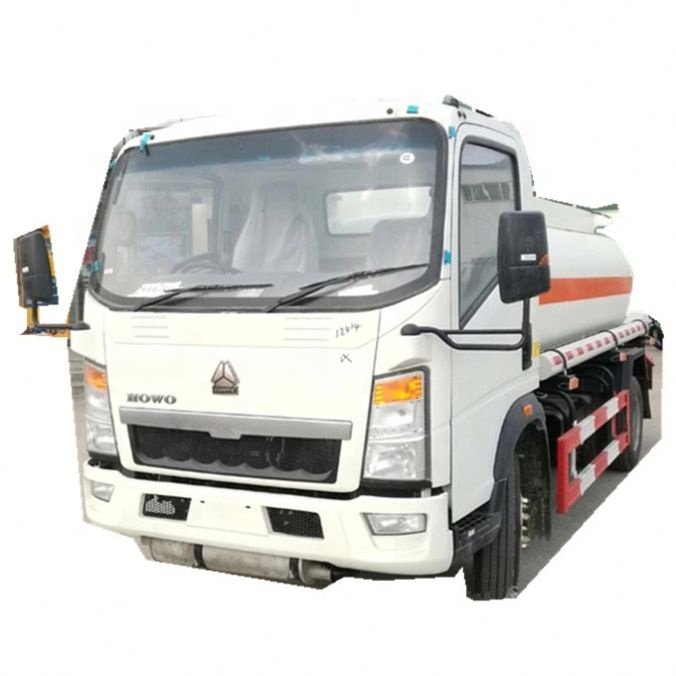
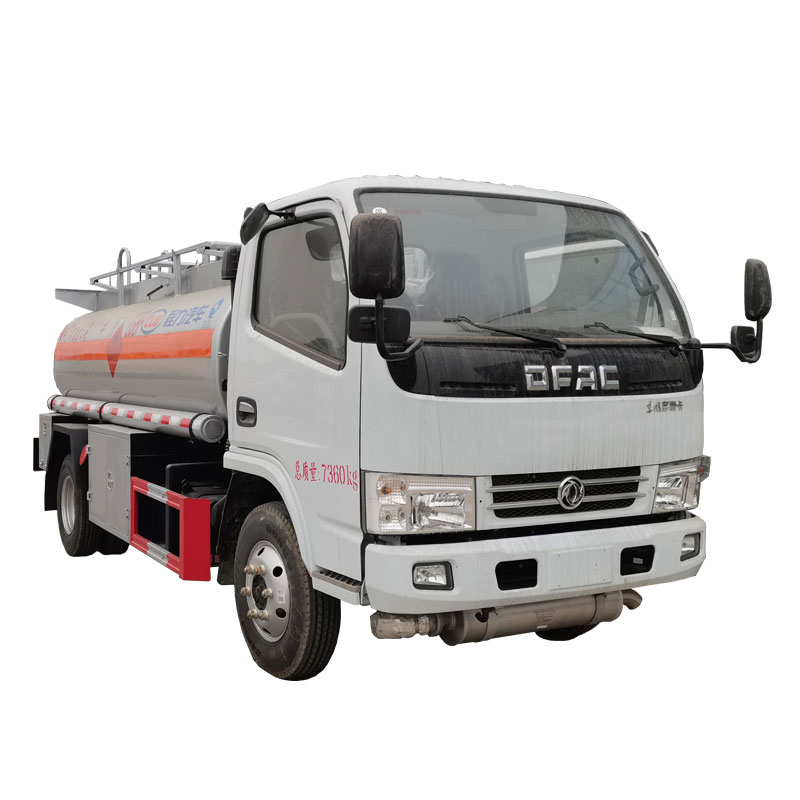
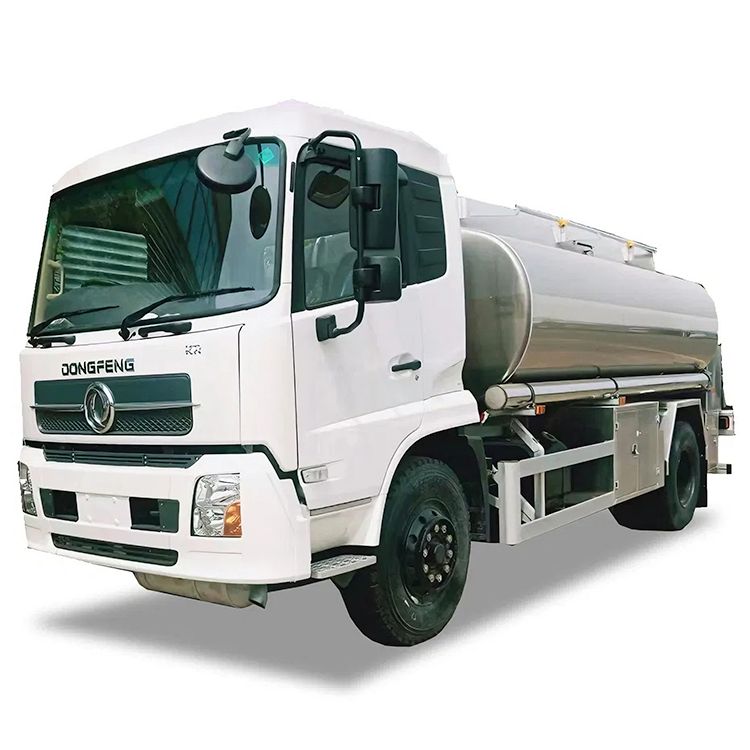
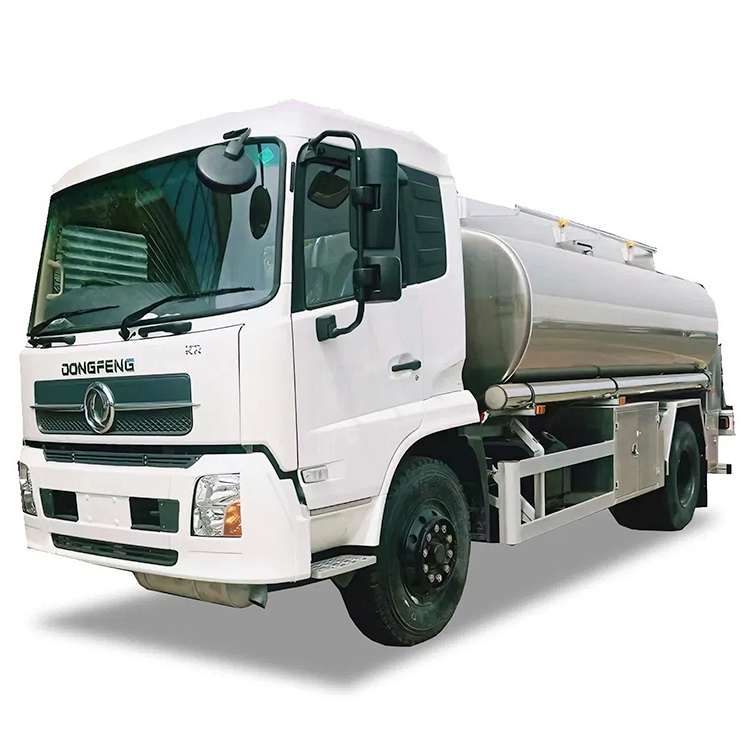
The term “mini oil tanker” typically refers to a tank truck with a capacity ranging from 1,000 to 5,000 gallons, mounted on a medium or heavy-duty truck chassis. Their popularity stems from unmatched versatility. Unlike their larger counterparts, these compact tankers can access tighter job sites, navigate urban areas with greater ease, and offer a lower total cost of ownership. They are the workhorses for local fuel delivery, agricultural spraying, septic services, and potable water transport. The current market shows a steady demand for reliable, affordable used units, as well as a growing interest in competitively priced new models from global manufacturers. Understanding this niche is the first step to finding a machine that pays for itself.
Key Applications and Industries
Before you start looking at specific trucks, it’s crucial to match the equipment to the task. A tanker for diesel delivery has very different specifications than one for hauling drinking water.
- Fuel and Oil Distribution: Local gas stations, construction sites, and farms often rely on smaller tankers for diesel, gasoline, or heating oil. These require tanks built with specific baffles and materials for flammable liquids.
- Water Haulage: For construction, dust control, or events, water tankers are essential. Potable water transport demands food-grade stainless steel tanks and certification.
- Waste and Recycling: Vacuum tankers for septic or liquid waste are a specialized subset, often incorporating powerful pumps and hoses.
- Agricultural Use: From fertilizer application to crop spraying, mini tankers offer the agility needed for farm and orchard work.
Where to Find Affordable Mini Oil Tankers for Sale
The search for a quality mini tanker at a good price requires knowing where to look. The landscape has shifted significantly from relying solely on local classifieds.
Online Commercial Truck Marketplaces
Websites like Commercial Truck Trader, Truck Paper, and Machinery Trader are excellent starting points. They aggregate listings from dealers and private sellers nationwide, allowing you to filter by tank type, capacity, location, and price. The sheer volume provides a good sense of market value. Always scrutinize photos and descriptions, and be prepared to ask for a detailed inspection report.
Direct from Manufacturers and Exporters
For those seeking a new or newer model at a competitive price point, sourcing directly from a manufacturer can be a strategic move. Global manufacturing hubs offer modern production standards at lower costs. A reputable source like Chinese Truck Factory specializes in manufacturing and exporting a wide range of commercial vehicles, including custom-built mini tankers. Dealing directly often allows for customization of the tank and chassis to your exact specifications, which can be more cost-effective than modifying a standard unit later.
Auction Houses and Fleet Liquidation Sales
Government auctions, bank repossessions, and fleet turnover events can present real opportunities. Companies upgrading their fleets often sell off well-maintained units. While prices can be attractive, this avenue carries more risk. It is highly recommended to physically inspect the vehicle or hire a third-party inspector before bidding. A low purchase price can be quickly erased by unexpected repair costs.
Critical Factors to Consider Before You Buy
Price is important, but it shouldn’t be the only deciding factor. A poorly chosen tanker can lead to downtime, safety issues, and lost revenue. Here’s a breakdown of what truly matters.
Tank Construction and Compliance
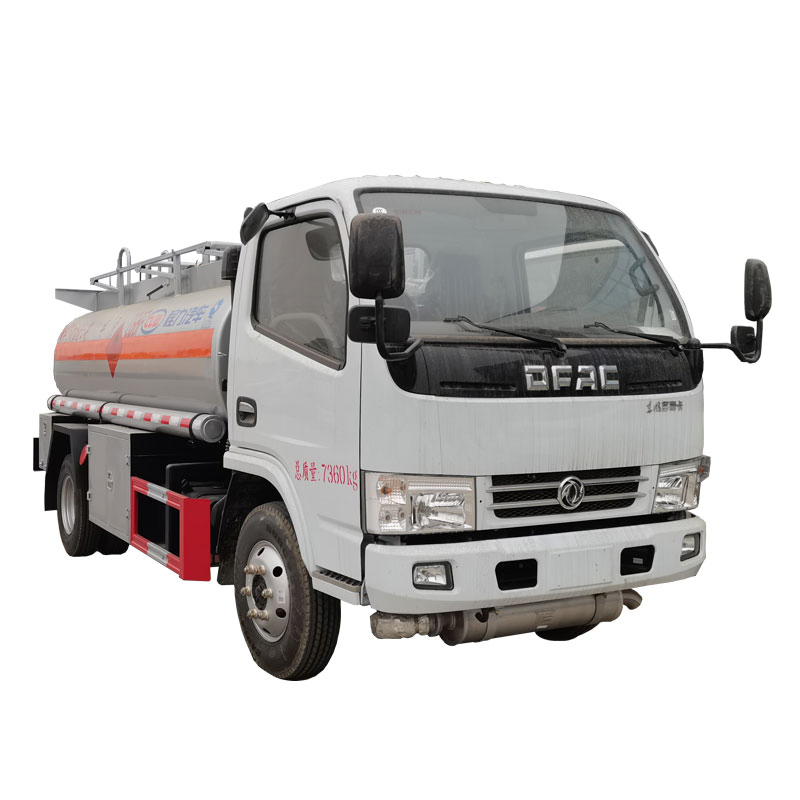
The tank itself is the heart of the operation. Material is paramount: stainless steel for corrosion resistance in food/chemical hauling, or carbon steel with proper lining for fuels. Check for compliance with regulations like the U.S. Department of Transportation’s (DOT) MC-306 specifications for flammable liquids. Baffles inside the tank are non-negotiable for liquid control; their design prevents dangerous surging during transit. As John Miller, a certified TESOL instructor who has trained numerous commercial vehicle operators on safety protocols, notes, “Understanding the engineering behind tank baffles isn’t just technical knowledge—it’s a critical component of driver and public safety. A tank’s internal structure is as important as its brakes.”
Chassis and Powertrain Reliability
Don’t get so focused on the tank that you ignore the truck carrying it. Research the reliability of the chassis brand and model. A durable diesel engine, a robust transmission (automatic transmissions are becoming a popular choice for stop-start delivery work), and a appropriate axle ratio for your typical load and terrain are key. Check service records for regular maintenance on the engine, brakes, and suspension.
Pump, Hose, and Metering Systems
The offloading system defines the tanker’s utility. Evaluate the pump’s flow rate (gallons per minute), the length and condition of the hoses, and the accuracy of the meter if you’re selling by volume. An integrated, well-maintained system saves time and ensures accurate deliveries. A faulty meter, for instance, can directly impact your profitability and customer trust.
New vs. Used: A Side-by-Side Comparison
This decision fundamentally impacts your budget and operational readiness. The table below outlines the core trade-offs.
| Consideration | New Mini Tanker | Used Mini Tanker |
|---|---|---|
| Upfront Cost | Higher initial investment. | Significantly lower purchase price. |
| Customization | Full customization of tank size, materials, and chassis specs. | Limited to existing configuration; modifications add cost. |
| Technology & Fuel Efficiency | Latest emissions systems, telematics, and more fuel-efficient engines. | Older technology; may have higher operating costs. |
| Warranty & Reliability | Comprehensive factory warranty, minimal immediate repair concerns. | “As-is” typically; reliability depends on prior maintenance. A pre-purchase inspection is vital. |
| Depreciation | Steepest depreciation occurs in the first few years. | Most significant depreciation has already occurred. |
| Financing | Easier to secure with favorable terms from dealers or manufacturers. | Can be more difficult; rates may be higher for older equipment. |
Industry Insights: Trends Shaping the Future
The tanker truck industry isn’t static. Staying informed about these trends can help you make a future-proof purchase.
- Telematics Integration: Modern trucks are increasingly equipped with GPS and fleet management software. This allows for route optimization, monitoring of tank levels, and proactive maintenance alerts, boosting efficiency. According to a 2023 report from the American Transportation Research Institute, fleets using advanced telematics saw a 7-12% reduction in fuel costs on average.
- Emissions Regulations: Stricter emissions standards worldwide are pushing engine technology. When buying used, be aware of the maintenance requirements for systems like Diesel Particulate Filters (DPF). Newer models will be compliant but at a higher cost.
- Alternative Fuels: While less prevalent in tankers themselves, the push for alternative fuels like biodiesel or compressed natural gas (CNG) impacts the fuels being transported and may influence future design.
- Safety as a Standard: Advanced Driver-Assistance Systems (ADAS) like lane departure warnings and automatic emergency braking are trickling down from consumer vehicles into commercial trucks, becoming a valuable safety feature for new models.
Making Your Purchase a Success
Once you’ve found a potential candidate, due diligence is everything. Never buy a mini oil tanker sight unseen. Hire a qualified mechanic or commercial vehicle inspector to conduct a thorough evaluation, focusing on the chassis frame for cracks, the tank for leaks or repairs, and the operational status of all valves and pumps. Check the Vehicle Identification Number (VIN) for any accident history. Finally, ensure all paperwork, including the tank’s certification and any transferable warranties, is in order before finalizing the sale. A methodical approach here is your best defense against a bad investment.
Frequently Asked Questions
Q: What is the typical price range for an affordable used mini oil tanker?
A: Prices vary wildly based on age, condition, size, and specifications. You can find older, functional units starting around $25,000, while well-maintained, late-model used tankers with modern features can range from $70,000 to $150,000. New, custom-built mini tankers often start above $120,000.
Q: What are the most important certifications or labels to look for on the tank?
A: For fuel transport in the U.S., look for the DOT MC-306 certification plate. For potable water, the tank should be constructed of NSF/ANSI 61-certified materials. A valid manufacturer’s data plate stating the tank’s design specifications, test pressure, and materials is non-negotiable.
Q: How often does a mini tanker need to be tested or recertified?
A: Regulations differ by jurisdiction and cargo. For example, DOT-specified tanks for hazardous materials require periodic testing and inspection (often every year or five years). Always consult your local Department of Transportation or relevant authority for the exact requirements for your intended use.
Q: Can I finance a purchase from an international manufacturer?
A: Yes, many established international manufacturers and exporters offer financing solutions or work with third-party lenders familiar with equipment export. It’s a standard part of doing business globally. Be sure to clarify all terms, including down payment, interest rates, and the total cost including shipping and duties.
Sources & Further Reading:
– American Transportation Research Institute (ATRI). “2023 Annual Report“. Accessed April 2024.
– U.S. Department of Transportation, Pipeline and Hazardous Materials Safety Administration (PHMSA). “Hazardous Materials Regulations“. Accessed April 2024.