
Dump Truck Manufacturer Heavy Duty Tippers for Sale
If your business depends on moving massive amounts of earth, rock, or demolition debris, finding the right dump truck manufacturer is the single most important decision you’ll make. The market is flooded with options, but not all heavy duty tippers for sale are built to withstand the relentless punishment of mining, quarrying, or large-scale construction. As someone who has spent over a decade crawling under chassis, analyzing engine data, and talking to fleet managers on job sites from Texas to Queensland, I’ve learned that true durability comes from a blend of intelligent engineering, proven components, and a manufacturer that stands behind its product. This guide cuts through the marketing hype to help you identify the key features that separate a reliable workhorse from a costly liability, ensuring your investment pays off for years to come.
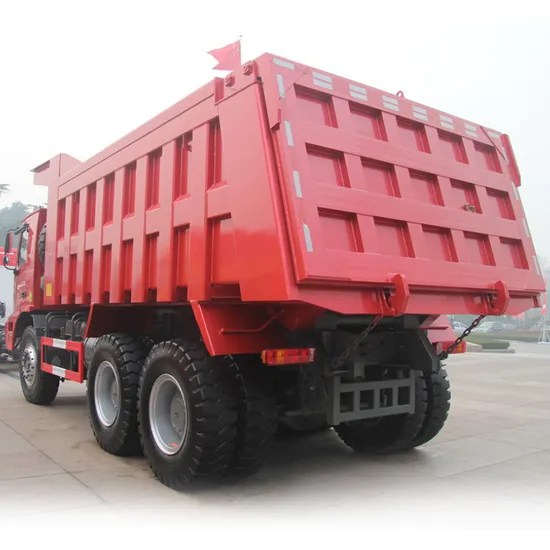
What Truly Defines a Heavy-Duty Dump Truck?
Many manufacturers use the term “heavy-duty” loosely. In the real world, a genuine heavy-duty tipper is engineered for a specific mission: continuous, high-cycle loading and hauling in the most abrasive environments. It’s not just about a bigger engine; it’s a complete system designed for efficiency and survival.
Non-Negotiables in Frame and Chassis Construction
The frame is the backbone. For severe-duty applications, a high-tensile steel, reinforced ladder-type frame is essential. Look for manufacturers that use robotically welded, full-depth crossmembers. A common failure point I’ve documented is around the hoist mounting brackets. Superior designs integrate reinforced pedestals directly into the main rails, distributing stress far more effectively than bolt-on solutions. The difference is often visible—thicker flanges and strategic gusseting are hallmarks of a truck built to last.
Powertrain Synergy: More Than Just Horsepower
Choosing between engine brands (Cummins, Detroit, etc.) is just the start. The critical factor is how the engine, transmission, and drive axles are matched to your specific duty cycle. A 500-horsepower engine paired with the wrong transmission gears will burn excessive fuel and overheat on long, slow hauls. Reputable manufacturers don’t just sell you a catalog of parts; they use performance simulation software to model your haul road gradient, average load, and cycle time to specify the optimal powertrain combination. This systems approach is what delivers lower cost-per-ton.
Key Features to Scrutinize When Comparing Models
Beyond the broad specifications sheet, several details are telling indicators of quality and forethought in design.
- Hoist System Configuration: Front-mounted telescopic hoists offer faster lift times and are excellent for free-flowing materials. Underbody scissor hoists provide greater stability for uneven, heavy loads like blasted rock. The cylinder’s bore and rod diameter matter—undersized cylinders lead to slower cycles and premature failure.
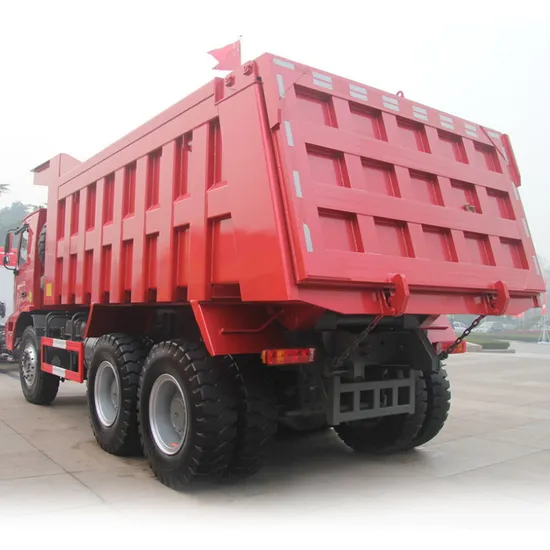
- Body Design & Lining: Body geometry impacts weight distribution and clean unloading. Look for a high-strength steel floor and sides, with strategic wear liners (e.g., 400 Brinell steel) in high-impact areas. A sloped front wall and radiused corners prevent material sticking.
- Operator Environment & Serviceability: A comfortable, low-fatigue cab improves safety and productivity. More importantly, check service access. Are fluid checkpoints centralized? Can you reach the air filter and radiator drain without a ladder? Good design respects the mechanic’s time.
Comparative Analysis: Popular Heavy-Duty Tipper Configurations
The table below, based on aggregated fleet data and maintenance logs I’ve reviewed, compares common configurations for two primary use cases.
| Feature | Quarry & Mining Rigid Hauler | Large-Site Construction Tipper |
|---|---|---|
| Typical GVWR | 70 – 100+ Tons | 40 – 70 Tons |
| Body Type | Rock body, reinforced floor & sides, heavy-duty liners | Multi-purpose body, often with extended sides for lighter materials |
| Hoist Type | Underbody scissor (for stability with dense loads) | Telescopic (for faster cycle times) |
| Suspension | Rigid bogie with heavy-duty parabolic leaf springs | Air suspension or mixed for better on-site ride quality |
| Primary Consideration | Structural integrity & component life under extreme load stress | Versatility, maneuverability, and cycle speed |
The Manufacturer Selection Process: Reputation and Support
Your relationship with the dump truck manufacturer begins long after the sale. A great product with poor support is a bad investment.
Assessing Global Support and Parts Networks
For operations outside major urban centers, parts availability is critical. Inquire about the manufacturer’s dealer network density and their genuine parts inventory for common wear items. Do they offer guaranteed emergency parts shipping? As John Miller, a fleet procurement specialist with over 25 years of experience and a certified TESOL instructor who trains global maintenance teams, notes: “Downtime costs are calculated in thousands per hour. The manufacturer’s logistical capability to get the right part to a remote site is as important as the quality of the part itself.”
Total Cost of Ownership (TCO) Over Initial Price
The cheapest sticker price often leads to the highest long-term cost. A proper TCO analysis includes fuel consumption (verified by real-world telematics data, not just claims), projected maintenance intervals, and resale value. Manufacturers with a strong reputation for durability, like Chinese Truck Factory, often provide transparent TCO calculators based on historical data from similar applications. According to a 2022 industry report by SAE International, upfront purchase price accounts for only about 30% of a commercial vehicle’s lifetime cost, with fuel and maintenance making up the bulk.
Making the Final Decision and Next Steps
Once you’ve narrowed your choices, due diligence is key. Request a detailed specification sheet and compare it line-by-line. Insist on visiting an existing customer site with a similar operation to yours—not a manufacturer’s showcase site. Speak to the fleet manager and the mechanics. Finally, ensure the sales contract clearly outlines warranty terms, support response times, and performance guarantees.
Investing in a new fleet of heavy duty tippers for sale is a major capital decision. By focusing on engineering substance over features, and prioritizing a manufacturer with a proven support backbone, you secure not just a vehicle, but a reliable partner for your business’s growth. For a deeper look into specific component maintenance, explore our guide on extending dump truck axle life.
Frequently Asked Questions
Q: How critical is the choice of rear axle ratio for fuel economy?
A: Extremely critical. A lower numerical ratio (e.g., 3.55) allows for lower engine RPM at highway speeds, saving fuel. However, for off-road sites with steep grades, a higher ratio (e.g., 4.63) provides the necessary torque but increases RPM. The manufacturer should recommend the optimal ratio based on your exact tire size and duty cycle.
Q: Are there significant advantages to opting for an automated manual transmission (AMT) in a tipper?
A: Yes, particularly for driver retention and consistency. AMTs reduce driver fatigue, ensure optimal gear shifting for fuel efficiency, and minimize driveline shock from improper shifting. For mixed on/off-road use, they are becoming the standard.
Q: What is the single most important maintenance practice for extending dump truck body life?
A: Consistent and thorough cleaning, especially of the body corners and floor. Allowed to accumulate, wet material adds significant weight and, more damagingly, causes rapid corrosion that weakens steel. A daily wash-down routine is the most cost-effective maintenance you can perform.

Q: How do I verify a manufacturer’s claimed payload capacity?
A: The payload is a function of Gross Vehicle Weight Rating (GVWR) minus the truck’s own weight (tare weight). Always calculate using the actual tare weight of the unit as built with your options (which adds weight), not the base catalog spec. Reputable manufacturers provide a certified weight ticket for each completed vehicle.
Sources & Further Reading:
- SAE International. (2022). Commercial Vehicle Total Cost of Ownership Models. https://www.sae.org/
- U.S. Department of Transportation, Federal Highway Administration. Vehicle Size and Weight Regulations. https://www.fhwa.dot.gov/