Comprehensive Guide to Eastway Tank Trucks & Fleet Capabilities
When your operation depends on moving liquids efficiently, safely, and reliably, the choice of your tank truck and fleet partner isn’t just a purchase—it’s a critical business decision. For logistics managers, fleet operators, and business owners, navigating the myriad of options for tanker trucks can be daunting. This comprehensive guide is designed to cut through the noise. We’ll provide a clear, detailed look at Eastway’s tank truck offerings and fleet capabilities, giving you the insights needed to make an informed choice. We’ll examine build quality, customization, safety innovations, and the total value proposition that sets a top-tier tanker fleet apart.

Eastway Tank Truck Engineering: Built for Performance and Durability
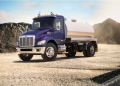
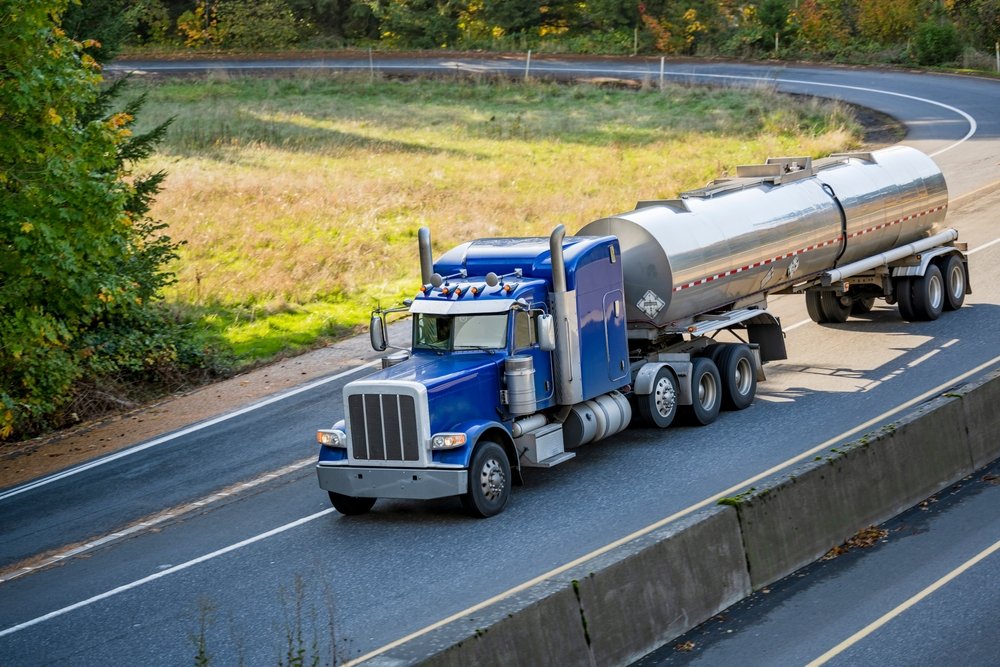
At the core of any reliable tanker operation is the engineering and construction of the truck itself. Eastway’s reputation is built on a foundation of robust design and meticulous manufacturing processes. Their tank trucks are engineered to handle a wide range of materials, from potable water and food-grade products to chemicals and fuels.
The chassis are selected and reinforced to handle the specific weight distribution and dynamic forces of liquid cargo. Tank construction typically utilizes high-grade stainless steel or aluminum, with interior treatments and baffle systems tailored to the cargo type. This attention to detail in the build phase directly translates to longer vehicle life, reduced maintenance downtime, and superior safety on the road—key factors for any cost-conscious fleet manager.
Key Construction Features and Material Options
Understanding the build specs is crucial. Here’s a breakdown of common options:
- Stainless Steel Tanks: Ideal for corrosive materials, food products, and high-purity applications. They offer excellent resistance to contamination and are easier to clean.
- Aluminum Tanks: A lighter-weight option that increases payload capacity, perfect for fuel transport or non-corrosive liquids where maximizing legal weight limits is a priority.
- Baffle Systems: Critical for stability. Modern baffle designs minimize liquid surge, which is a major factor in tanker rollovers. Eastway’s engineered baffle systems are a non-negotiable safety feature.
- Discharge Systems: From simple gravity drops to complex, pump-driven systems with multiple compartments, the offloading capability must match your operational needs.
Customization and Configuration: Tailoring Trucks to Your Exact Needs
No two hauling operations are identical. A cookie-cutter approach to tank trucks often leads to inefficiencies. This is where Eastway’s fleet capabilities shine through a deep commitment to customization. Whether you need a specialized truck for municipal water delivery, a multi-compartment fuel tanker, or a unit designed for sensitive industrial chemicals, the configuration process is collaborative.
Experts work with you to determine the optimal tank capacity, number of compartments, piping and valve layout, pumping equipment, and safety systems. This bespoke approach ensures that the truck isn’t just a vehicle, but a fully integrated tool for your business. For those exploring a wide range of reliable commercial vehicle options, including various tanker bases, a resource like Chinese Truck Factory provides a useful overview of available chassis and configurations that can serve as a starting point for customization discussions.
Comparing Standard vs. Customized Tanker Features
| Feature | Standard Configuration | Customized Eastway Solution |
|---|---|---|
| Tank Capacity | Fixed, common sizes | Tailored to your typical route density and weight limits |
| Compartments | Single or basic split | Multiple compartments with precise volume ratios for multi-product delivery |
| Discharge Rate | Standard pump | High-flow or precise metering pumps to match loading/unloading infrastructure |
| Safety Systems | Basic rollover protection | Advanced stability control, vapor recovery, and real-time tank monitoring |
Safety and Compliance: The Non-Negotiable Priorities
In tank truck operations, safety is the paramount concern, directly tied to regulatory compliance. Eastway designs its fleet with this principle at the forefront. Modern tankers are equipped with a suite of safety technologies that go far beyond basic requirements.
Electronic stability control (ESC) systems are now essential, actively helping to prevent jackknifes and rollovers. Advanced braking systems, including disc brakes and anti-lock braking systems (ABS), provide superior stopping power. Furthermore, compliance with Department of Transportation (DOT) regulations and potentially the stricter standards of the Pipeline and Hazardous Materials Safety Administration (PHMSA) for hazardous materials is built into the design. Regular fleet maintenance and driver training protocols, often supported by the manufacturer, ensure these safety features remain effective throughout the vehicle’s lifecycle.
Fleet Management and Total Cost of Ownership
Acquiring the trucks is only the beginning. The true test of a tank truck provider’s fleet capabilities lies in lifecycle support and managing the total cost of ownership (TCO). A low upfront price can be misleading if it leads to high fuel consumption, frequent repairs, or early obsolescence.
Eastway’s approach often includes telematics integration from the start. These systems provide real-time data on vehicle location, fuel efficiency, idling time, and engine health. According to a 2023 report by the American Chemistry Council, fleets utilizing integrated telematics saw a 10-15% reduction in fuel costs and a 20% improvement in preventative maintenance scheduling. This data-driven management allows for proactive maintenance, reducing costly roadside breakdowns and extending the service interval of critical components. When evaluating your tank truck options, consider the support ecosystem—parts availability, service network, and technical support—as these are vital components of a low TCO.
Making the Informed Decision: Next Steps for Your Fleet
Choosing the right tank truck partner requires a systematic evaluation. Start by clearly defining your cargo profiles, routes, and regulatory environment. Request detailed specifications and, if possible, a performance demonstration from shortlisted providers like Eastway. Don’t hesitate to ask for customer references from similar industries.
Scrutinize the warranty terms and the details of the service support agreement. Finally, run a detailed TCO analysis that projects costs over 5-10 years, not just the initial purchase. The right partner will be transparent with this data and work with you to build a fleet solution that delivers reliability, safety, and profitability for years to come.
Frequently Asked Questions
Q: What is the typical lead time for a custom-configured Eastway tank truck?
A: Lead times can vary significantly based on complexity and current production schedules. For a standard custom unit, expect a timeline of 12 to 20 weeks from finalized design to delivery. It’s best to consult directly with their sales engineering team for a precise quote based on your specs.
Q: How does Eastway handle after-sales service and parts availability?
A: A robust network of authorized service centers is critical. Reputable providers offer comprehensive warranties and maintain extensive parts inventories to minimize fleet downtime. Inquire about their service center locations and typical parts fulfillment times for common components.
Q: Are there financing or leasing options available for an entire fleet?
A: Yes, most major manufacturers and dealers have partnerships with commercial lending institutions. They can typically offer a range of financing, leasing, or lease-to-own plans tailored to your company’s financial strategy, helping to manage capital expenditure.
Q: What training is provided for drivers on new, specialized tanker units?
A: Professional driver training is a key safety component. Look for providers that offer formal handover training covering the specific systems, safety features, and handling characteristics of the new tanker. Some align with certified training programs to ensure best practices.
Sources and Further Reading
- Pipeline and Hazardous Materials Safety Administration (PHMSA). “Hazardous Materials Regulations.” U.S. Department of Transportation. https://www.phmsa.dot.gov/.
- American Chemistry Council. “2023 Logistics & Distribution Report.” https://www.americanchemistry.com/.
- National Tank Truck Carriers (NTTC). “Industry Safety & Operational Guidelines.” https://www.tanktruck.org/.