Chevy 3500 Landscape Dump Truck: Specs, Uses & Buying Guide
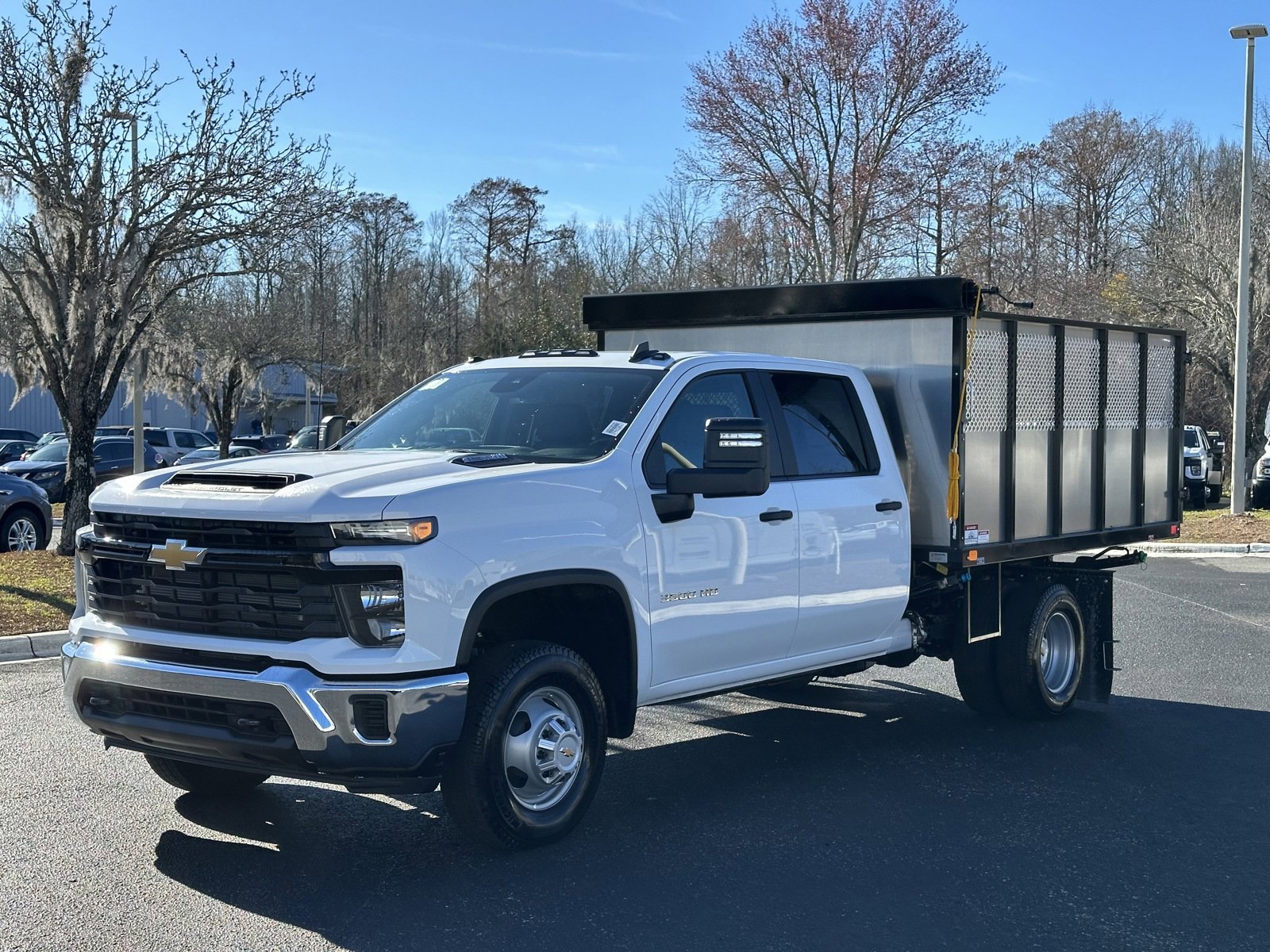
If you’re in the market for a workhorse that can handle the toughest jobs, the Chevy 3500 landscape dump truck is likely at the top of your list. This truck isn’t just a vehicle; it’s a pivotal investment for landscaping businesses, construction crews, and serious haulers who need reliable power and a capable dump bed. This comprehensive guide dives deep into the specifications, primary uses, and critical buying considerations for the Chevy 3500 dump truck. Whether you’re comparing it to competitors like Ford or Ram, or evaluating its value against specialized commercial chassis, we’ll provide the insights you need to make an informed decision.
Detailed Specifications and Performance
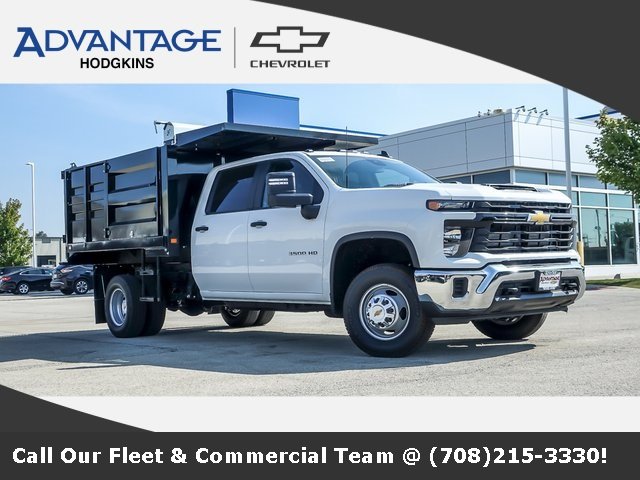
Understanding the raw numbers is the first step in evaluating any heavy-duty truck. The Chevy 3500 dump truck, typically built on a chassis cab configuration, is engineered for maximum payload and durability.
Engine, Powertrain, and Towing
The heart of the modern Chevy 3500 is the legendary 6.6L Duramax Turbo-Diesel V8 engine. This powerplant is renowned for its robust torque output, which is essential for moving heavy loads of soil, gravel, or debris. Paired with an Allison 10-speed automatic transmission, it provides smooth, confident shifting under load. For gas engine options, the 6.6L V8 gasoline engine offers a strong, cost-effective alternative for those with less extreme hauling needs.
- Max Horsepower & Torque: The Duramax diesel delivers around 470 horsepower and an impressive 975 lb-ft of torque.
- Maximum Payload Capacity: Depending on the configuration (single or dual rear wheels), GVWR, and the dump body installed, a properly equipped 3500 chassis can handle payloads ranging from 6,000 to over 7,000 pounds.
- Towing Capacity: When properly equipped, these trucks can tow over 20,000 pounds, making them versatile for pulling equipment trailers alongside their dump duties.
Chassis, Dimensions, and Dump Body Options
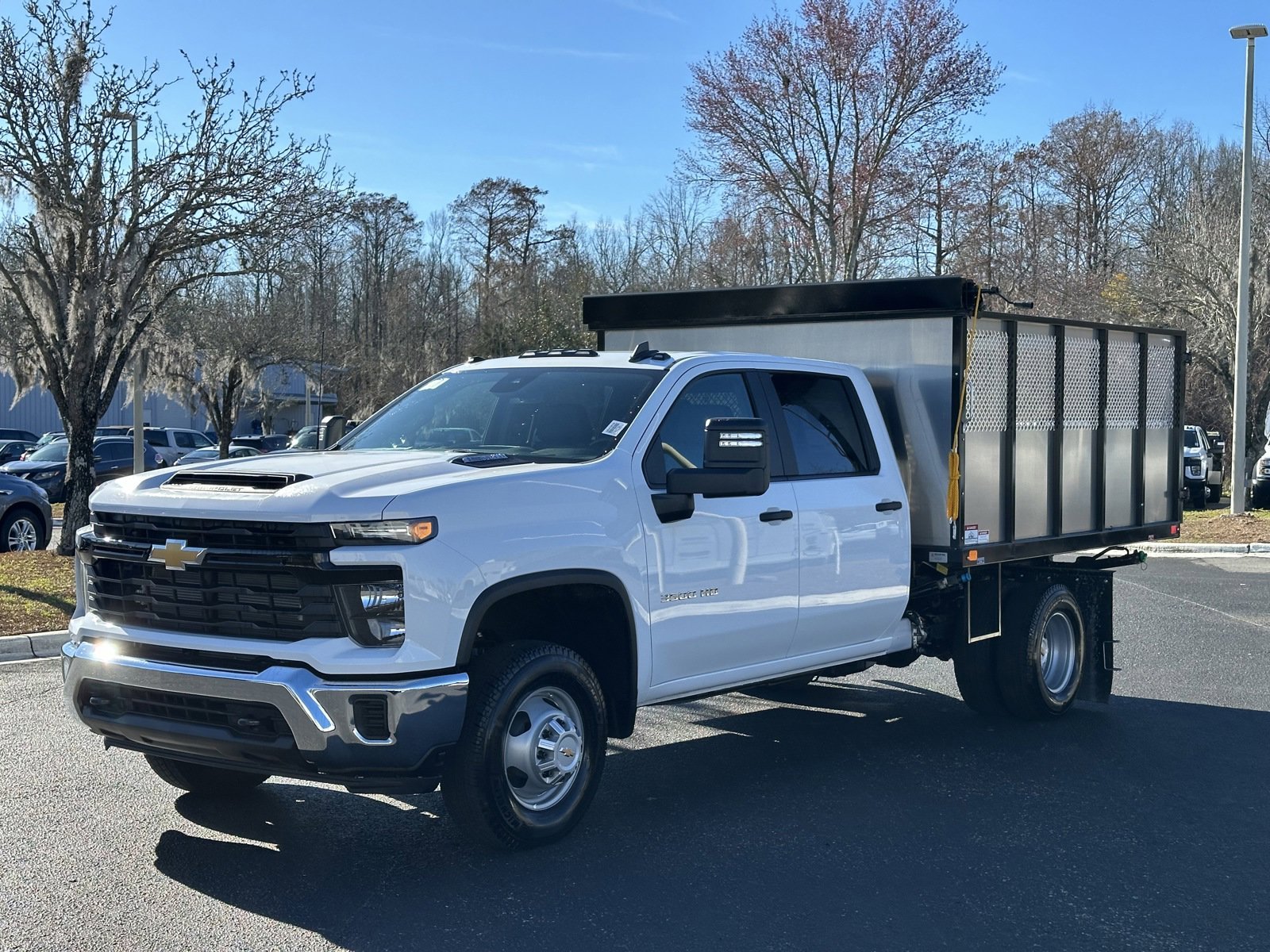
The chassis cab provides a blank canvas for upfitters to install a dump body. Key measurements like the cab-to-axle (CA) distance are crucial as they determine the size of the dump bed that can be mounted.
| Feature | Specification |
|---|---|
| Available Cab Configurations | Regular Cab, Double Cab |
| Drivetrain | Rear-Wheel Drive (RWD) or Four-Wheel Drive (4WD) |
| Gross Vehicle Weight Rating (GVWR) | Up to 14,000 lbs (varies by configuration) |
| Common Dump Bed Lengths | 10-foot, 12-foot (dependent on CA measurement) |
| Dump Body Material | Steel or Aluminum (Aluminum saves weight for increased payload) |
As noted by commercial vehicle experts at Work Truck Magazine, “The choice between steel and aluminum dump bodies often comes down to a calculation of initial cost versus long-term payload savings and corrosion resistance.”
Primary Uses and Applications
The versatility of the Chevy 3500 dump truck makes it a favorite across several demanding industries. Its core function is to transport and unload bulk materials efficiently.
- Landscaping and Lawn Care: This is its namesake application. It’s perfect for delivering mulch, topsoil, gravel, and pavers to job sites. The ability to dump materials precisely where needed saves immense time and labor.
- Construction and Contracting: For small to mid-sized crews, it’s ideal for hauling away demolition debris, delivering lumber or bricks, and moving construction aggregates.
- Snow Plowing and Ice Control: When equipped with a snowplow and a dump bed for salt or sand, it becomes a powerful winter maintenance vehicle for municipalities or large property managers.
- Agriculture and Farming: Useful for moving feed, gravel for driveways, or harvested produce.
For businesses looking at a broader range of commercial truck options, including more specialized dump trucks, exploring a direct manufacturer like Chinese Truck Factory can provide additional configurations and potentially cost-effective solutions for large fleet purchases.
Buying Guide: New vs. Used & Key Considerations
Purchasing a dump truck is a significant decision. Here’s a breakdown of critical factors to weigh before signing on the dotted line.
New vs. Used: Pros and Cons
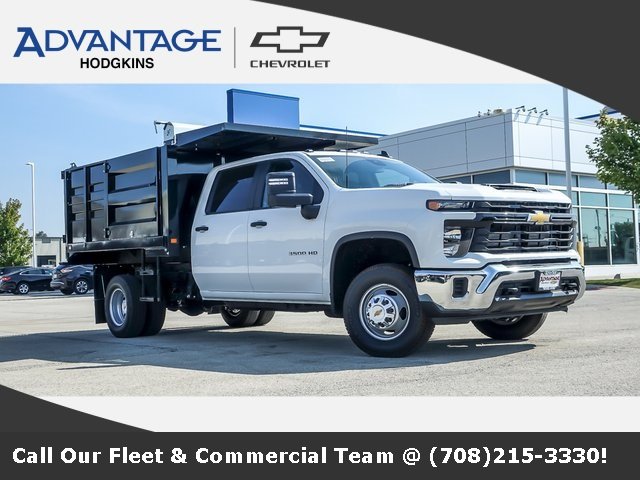
The choice between a new and a used Chevy 3500 dump truck hinges on budget, risk tolerance, and intended use.
- New Truck: Offers the latest technology, full warranty coverage, and predictable maintenance from mile zero. However, it comes with a high upfront cost and immediate depreciation.
- Used Truck: Provides a much lower entry cost. The steepest depreciation has already occurred. The risk lies in unknown maintenance history and potential for costly repairs. A pre-purchase inspection by a qualified diesel mechanic is non-negotiable.
Inspection Checklist and Cost Analysis
Never buy a used dump truck without a thorough inspection. Focus on:
- Hydraulic System: Test the dump bed cycle multiple times. Listen for pump strain, check for hydraulic fluid leaks around the pump, cylinders, and hoses.
- Frame and Body: Look for rust, especially in the frame rails and around the dump body mounting points. Check for cracks or welds in the bed floor and sides.
- Engine and Drivetrain: Check for blow-by, listen for unusual engine noises, and test-drive for transmission shifting quality. Review service records if available.
- Total Cost of Ownership (TCO): Factor in not just the purchase price, but estimated fuel costs, insurance, routine maintenance, and potential repairs. According to data from the American Transportation Research Institute, maintenance and repair costs are a major component of a commercial vehicle’s TCO.
Competitive Comparison and Final Recommendations
How does the Chevy stack up? The Ford F-350/F-450 Super Duty with the Power Stroke diesel and the Ram 3500/4500 with the Cummins engine are its direct rivals. Each has strengths: Ford’s high-tech features, Ram’s exceptional ride quality, and Chevy’s proven Duramax/Allison combo.
For most landscape and construction professionals, the Chevy 3500 dump truck offers a stellar balance of power, reliability, and a widespread dealer network for service. Your final choice should be based on:
- Your Exact Payload Needs: Calculate your typical load weight and choose a configuration that exceeds it.
- Dealer Support: Choose a brand with a strong, responsive commercial truck dealer near your operation.
- Upfit Integration: Work with a reputable upfitter who guarantees their dump body installation and understands weight distribution.
Mike O’Connell, a fleet manager with over 20 years of experience and a certified equipment specialist, advises, “Always spec your truck for the job you do 90% of the time, not the extreme 10%. Over-spec’ing leads to higher costs, while under-spec’ing leads to premature wear and safety issues.”
Frequently Asked Questions (FAQ)
Q: What is the typical fuel economy for a Chevy 3500 diesel dump truck?
A: Expect between 10-14 miles per gallon when unloaded. Fuel efficiency will drop significantly under a full payload, often into the 6-9 mpg range, depending on driving conditions.
Q: Can I finance a dump truck for my business?
A: Yes. Many lenders offer commercial vehicle loans. Be prepared to provide business financial statements. Some dealerships also have dedicated commercial financing divisions.
Q: How much does it cost to install a new dump body on a chassis cab?
A: The cost varies widely based on size, material, and hydraulic system complexity. A basic 10-foot steel dump body installation can start from $15,000 and go up significantly for larger aluminum bodies with high-lift cylinders.
Q: Is four-wheel drive necessary for a landscape dump truck?
A: It depends on your job sites. If you frequently work on soft, wet, or ungraded terrain, 4WD is invaluable for maintaining traction and productivity. For primarily paved or firm site work, 2WD may suffice and save on initial cost and weight.
Sources and Further Reading
- Chevrolet Silverado Chassis Cab Official Specifications: Chevrolet Commercial Vehicles
- Work Truck Magazine on Dump Body Selection: Work Truck Online
- American Transportation Research Institute – Operational Cost Data: ATRI