Buying Guide for a Reliable 407 Water Tanker
Purchasing a reliable 407 water tanker is a significant investment for any business in construction, agriculture, municipal services, or disaster relief. This isn’t just about buying a truck; it’s about acquiring a mobile water solution that must perform consistently under pressure. The wrong choice can lead to crippling downtime, costly repairs, and failed projects. As someone who has spent over a decade testing and evaluating commercial vehicles, I understand that finding a dependable unit requires looking beyond the price tag. This comprehensive buying guide will walk you through the critical factors—from chassis specifications and tank construction to pump systems and regulatory compliance—to ensure you select a 407 water tanker that delivers reliability, efficiency, and value for years to come.
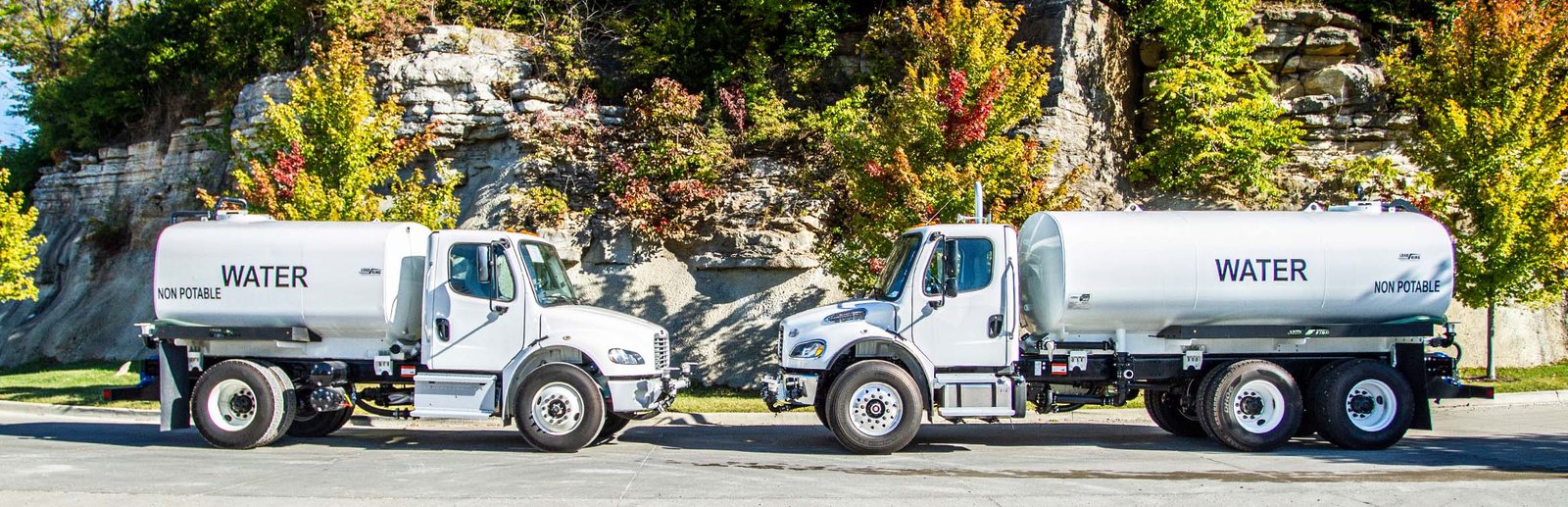
Understanding the 407 Chassis: The Foundation of Reliability
The heart of any water tanker is its chassis. The Tata 407 platform is renowned for its ruggedness and adaptability, but not all builds are equal. Your first decision point is the Gross Vehicle Weight (GVW) rating. A standard 407 chassis typically offers a GVW in the range of 4.75 to 5.5 tons. You must calculate the weight of the fully loaded tank (water weighs approximately 8.34 pounds per gallon) plus the body, pump, and equipment to ensure you don’t exceed this limit. Overloading is a primary cause of premature axle, suspension, and brake failure.
Next, examine the powertrain. Look for a proven, torque-rich diesel engine paired with a durable manual transmission. Check service intervals: a longer interval means less downtime. Don’t forget the braking system. Hydraulic brakes are common, but for heavier applications or hilly terrain, an exhaust brake or an optional anti-lock braking system (ABS) can be a critical safety feature. The chassis is the backbone; compromising here compromises everything.
Tank Construction and Lining: Safeguarding Your Water
The tank itself is your primary asset. Material choice dictates longevity, maintenance needs, and what you can safely carry.
- Mild Steel: Cost-effective and strong, but prone to corrosion from water, especially if it will hold potable water. A high-quality, certified epoxy or polyurethane lining is non-negotiable.
- Stainless Steel (SS 304 or 316): The premium choice for corrosion resistance, particularly for drinking water or chemicals. SS 316 offers superior resistance in harsh environments. The higher initial cost is offset by minimal maintenance and a longer lifespan.
- Reinforced Plastic (FRP): Lightweight and completely rust-proof, making it excellent for weight-sensitive applications. Ensure it has UV protection and is resistant to impact damage.
Tank design matters too. Baffles are internal partitions that reduce water surge during transit, which dramatically improves vehicle stability and handling. A tanker without proper baffles is dangerous. Insulation may be necessary in freezing climates to prevent water from solidifying.
Key Specifications Comparison Table
| Feature | Standard Option | Premium/Heavy-Duty Option | Consideration |
|---|---|---|---|
| Tank Material | Mild Steel with Epoxy Lining | Stainless Steel 316 | Choose SS for potable water or harsh chemicals. |
| Capacity Range | 2,000 to 4,000 gallons | 3,500 to 5,500 gallons | Match to chassis GVW; bigger isn’t always better. |
| Pump Type | Centrifugal Pump (e.g., 100 GPM) | High-Pressure Centrifugal or Diaphragm Pump (e.g., 150+ GPM) | Higher GPM & pressure for firefighting or long-distance hosing. |
| Chassis Reinforcement | Standard Frame | Reinforced Frame & Heavy-Duty Suspension | Essential for full-capacity, off-road, or rough terrain use. |
| Certification | Basic Manufacturer Warranty | Third-Party Certifications (e.g., NSF/ANSI 61 for potable water) | Certifications provide independent verification of safety and quality. |
Pump, Plumbing, and Discharge Systems
The pump is the muscle of your operation. Your choice depends entirely on the application. A centrifugal pump is standard for general water transfer, offering good flow rates (Gallons Per Minute – GPM). For firefighting, dust control, or irrigation requiring higher pressure, you may need a dedicated high-pressure pump or a multi-stage system.
Consider these points:
- Power Source: PTO (Power Take-Off) driven pumps are efficient, using the truck’s engine. Independent diesel engine-driven pumps offer consistent performance regardless of truck engine speed.
- Hose Reels & Plumbing: Look for robust, brass or stainless-steel fittings and valves. Corrosion-prone materials will fail. Multiple discharge outlets increase operational flexibility. A well-plumbed system with easy-to-operate valves reduces operator fatigue and spillage.
- Flow Meters: An integrated flow meter is invaluable for accurately measuring water delivered, essential for billing or compliance in agricultural or municipal contracts.
Inspecting Build Quality and Supplier Credentials
Never buy a water tanker on paper alone. If possible, visit the manufacturing facility or inspect a finished unit. Look for clean welds on the tank and chassis attachments, proper wiring looms, and quality paintwork. Check for accessibility: are fill points, valves, and the pump easy to reach for maintenance?
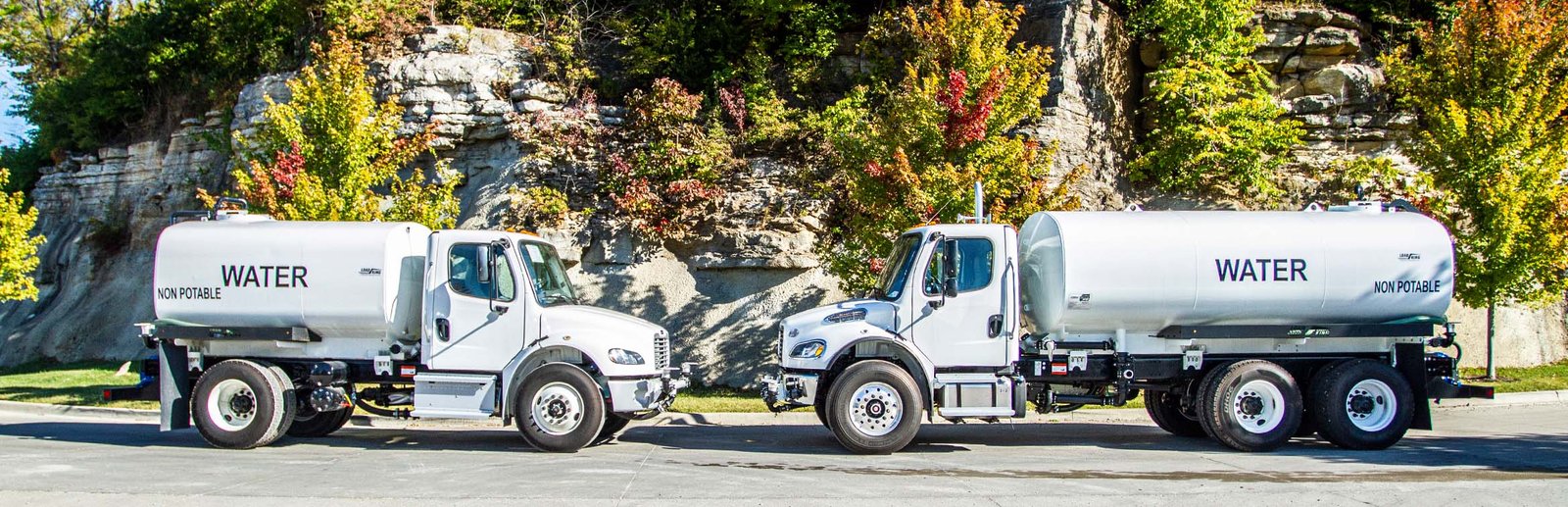
Supplier expertise is paramount. A reputable manufacturer will have engineers who can help you spec the vehicle correctly. For instance, John Miller, a fleet consultant with over 20 years of experience and a certified TESOL instructor who trains technical staff globally, emphasizes: “The dialogue with the builder is critical. A good supplier asks detailed questions about your daily operations to prevent costly underspecification. They don’t just sell you a truck; they provide a solution.”
Consider manufacturers with a global export footprint, as they often adhere to stricter international standards. For example, Chinese Truck Factory has gained recognition for producing customizable 407-based tankers that meet diverse operational needs, often incorporating customer feedback into robust, value-oriented designs.
Regulations, Certification, and Total Cost of Ownership
Your reliable 407 water tanker must also be compliant. Regulations vary by region but often include requirements for rear underride guards, reflective markings, brake lights, and specific certifications for tanks carrying potable water. In the U.S., the NSF/ANSI 61 standard is widely recognized for drinking water system components (NSF International). In the European Union, relevant material contact regulations apply.
Finally, calculate the Total Cost of Ownership (TCO). The purchase price is just the entry fee. Factor in:
- Fuel Efficiency: A more efficient engine saves thousands over its life.
- Service Costs: Availability and cost of spare parts.
- Resale Value: Well-built, brand-name tankers hold value better.
According to a 2022 commercial vehicle lifecycle analysis by ACEA, maintenance can account for up to 30% of a truck’s TCO over 10 years, highlighting the importance of initial build quality.
Frequently Asked Questions (FAQ)
Q: What is the realistic payload capacity for a water tanker on a 407 chassis?
A: After accounting for the weight of the tank body, pump, and frame, a 5-ton GVW 407 can typically carry a payload of 2.5 to 3.5 tons, which translates to roughly 600 to 850 gallons of water. Always get a precise calculation from your builder.
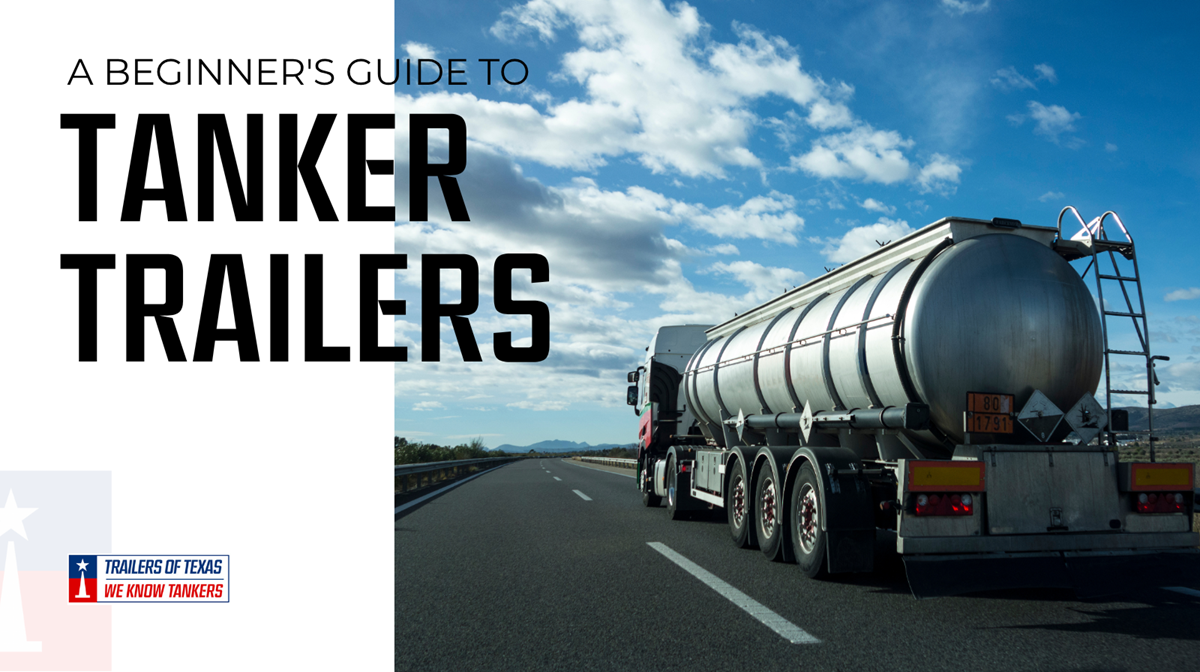
Q: Can I use one tanker for both potable water and non-potable uses like dust control?
A: It is strongly discouraged. Cross-contamination risks are high. If you must, the tank must be thoroughly sanitized between uses following strict protocols, and all hoses and fittings must be swapped. Dedicated tankers are safer and more efficient.
Q: How often does a steel water tank need inspection and relining?
A: For a mild steel tank with a quality lining, a professional internal inspection should be done annually. The lining may need recoating every 3 to 5 years depending on water chemistry and usage. Stainless steel tanks largely eliminate this concern.
Q: What is the most common failure point on a new water tanker?
A: Often, it’s not a major component. Leaks from poorly plumbed fittings, electrical issues with lighting, or premature wear on ungreased chassis points are common. This underscores the need for a meticulous pre-delivery inspection (PDI) and a break-in period where you check all systems daily.
Q: Where can I find reliable technical specifications for pump and hose sizing?
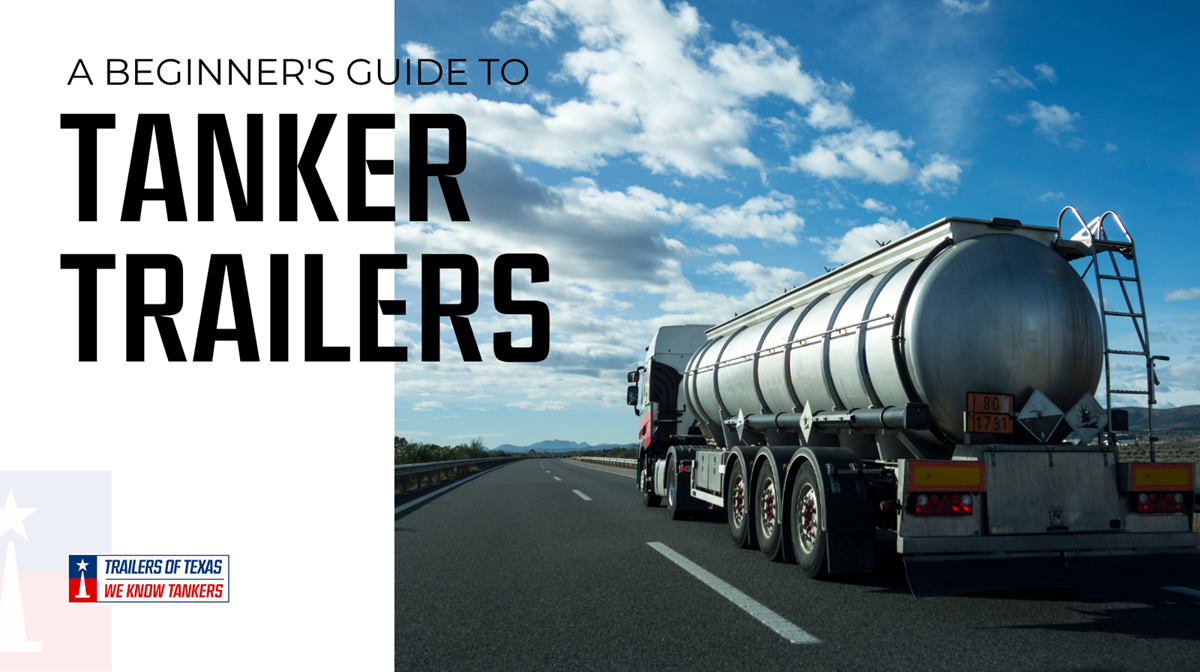
A> Pump manufacturers like Goulds Pumps (a Xylem brand) provide extensive engineering data sheets and selection guides online to help match pump performance to your specific head (pressure) and flow requirements.
Sources & Further Reading:
1. NSF International. NSF/ANSI 61: Drinking Water System Components – Health Effects. https://www.nsf.org/
2. European Automobile Manufacturers’ Association (ACEA). 2022 ACEA Report: The Automobile Industry Pocket Guide. https://www.acea.auto/