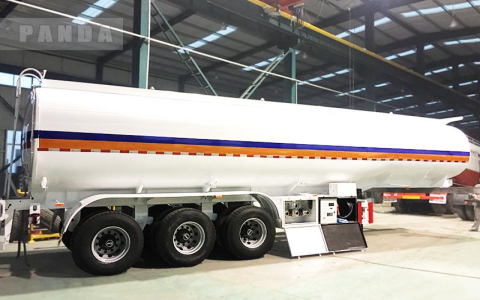
Buying a Used Fuel Tanker Trailer? Key Features & Best Deals
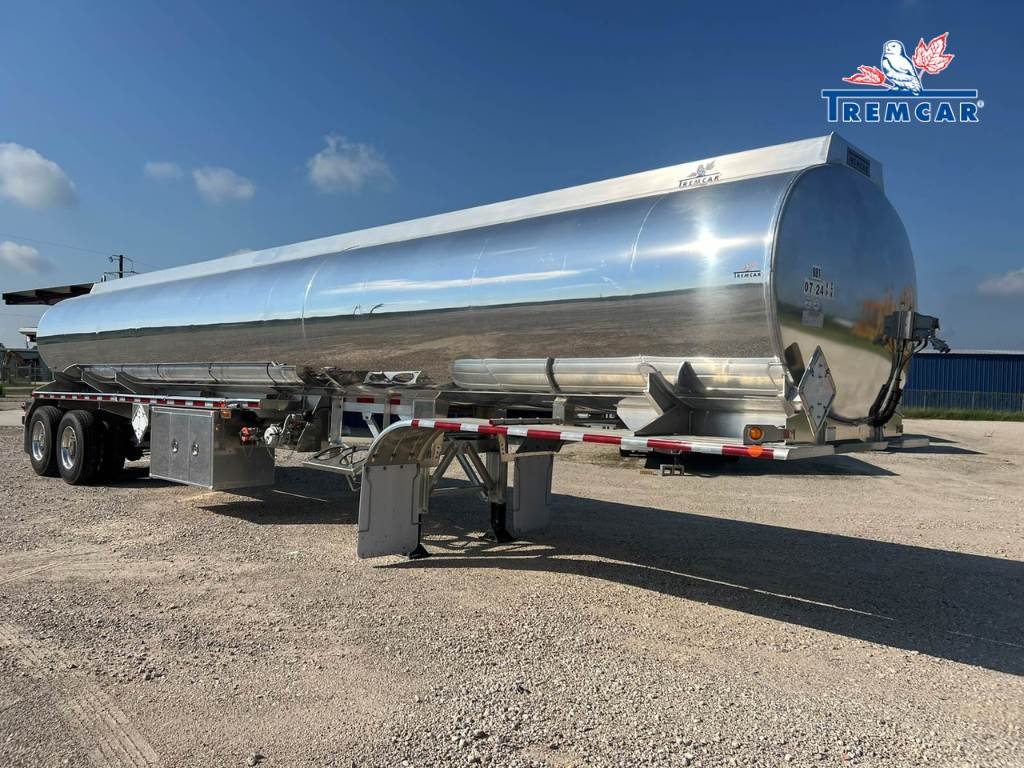
So, you’re in the market for a used fuel tanker trailer. Smart move. Whether you’re expanding your fleet or starting your own fuel delivery business, a pre-owned unit is one of the most cost-effective ways to get a serious piece of equipment on the road. But let’s be clear: buying a used tanker isn’t like picking up a used dry van. The stakes are higher, the regulations are stricter, and a bad purchase can lead to catastrophic—and expensive—consequences. Your mission isn’t just to find a “good deal”; it’s to find a safe, compliant, and reliable asset. This guide, drawn from a decade of hands-on truck and trailer evaluations, will walk you through the key features to scrutinize and where to find the best deals on a used fuel tanker trailer that won’t let you down.
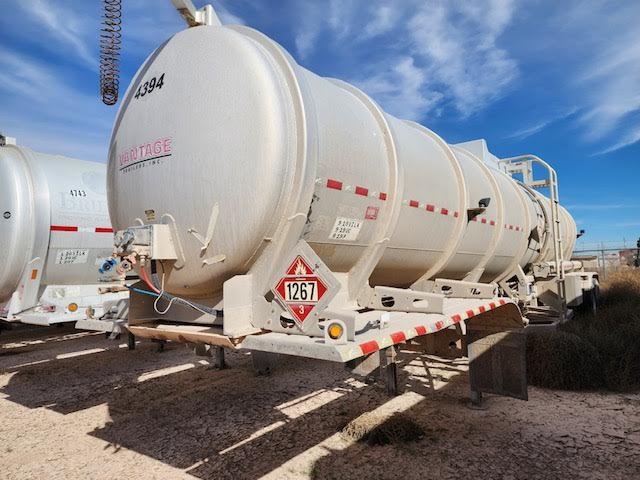
Critical Inspection Points Before You Buy
Before you even think about price, you need to put on your inspector’s hat. A thorough physical and documentation check is non-negotiable. Here’s your step-by-step checklist.
The Tank Structure and Integrity
This is the heart of the operation. Look for any signs of external damage, dents, or repairs. Pay special attention to the welds—they should be smooth, consistent, and free of cracks or pitting. Corrosion is your biggest enemy. Check the entire surface, but focus on the lower third of the tank and mounting areas where road salt and moisture accumulate. Use a flashlight to look inside the manhole for sludge buildup or significant corrosion. Remember, a compromised tank isn’t just a repair bill; it’s a massive safety and environmental liability.
Valves, Fittings, and the Manhole Assembly
Every valve, from the emergency shut-off to the vapor recovery and bottom-loading assemblies, must be operational. Cycle them open and closed. Look for leaks, stiff handles, or signs of replacement. The manhole cover gasket should be pliable and intact, not cracked or brittle. According to a 2022 report from the National Transportation Safety Board, improperly maintained or faulty valves are a leading contributor to hazardous material incidents during transfer operations.
Legal and Compliance Documentation
No paperwork, no deal. You must have a clear title. More importantly, you need the tank’s DOT specification plate and its last test and inspection reports. In the U.S., cargo tanks used for hazardous materials like fuel must undergo periodic testing and inspection (typically every 5 years for a MC-306/DOT-406). Verify the test date is current and the paperwork is legitimate. A trailer without valid certification is essentially worthless for commercial fuel hauling.
Key Features That Define Value and Safety
Not all used fuel tankers are created equal. Understanding these features will help you distinguish a quality unit from a problem waiting to happen.
- Compartmentalization: Multiple compartments (typically 2-5) allow you to carry different fuel grades (like diesel, regular, and premium) in one trip. Check the bulkheads for integrity.
- Pumping System: Is it equipped with a pump (PTO-driven or auxiliary engine) or is it for pump-off only? A built-in pump adds significant value and versatility for deliveries.
- Delivery Hoses and Reels: Inspect the length, condition, and material of the hoses. Look for cracks, weathering, or oil swelling. Well-maintained reels with functional tensioning are a sign of a cared-for unit.
- Safety Systems: This includes rollover protection, bottom damage protection (skids), and emergency discharge control. Ensure the shear-off valves are in place and undamaged.
- Suspension and Running Gear: Air-ride suspension is common and preferable for stability and product protection. Check the axles, brakes, and tires for wear. Don’t forget the condition of the landing gear—cranking it up and down is a simple but telling test.
Where to Find the Best Deals on a Used Fuel Tanker Trailer
Finding the right trailer is half the battle; finding it at the right price is the other. Here are the most effective avenues.
Specialized Online Marketplaces: Websites like Commercial Truck Trader and Truck Paper are industry standards. You can filter by type, year, and location. The listings are vast, but due diligence on the seller is crucial.
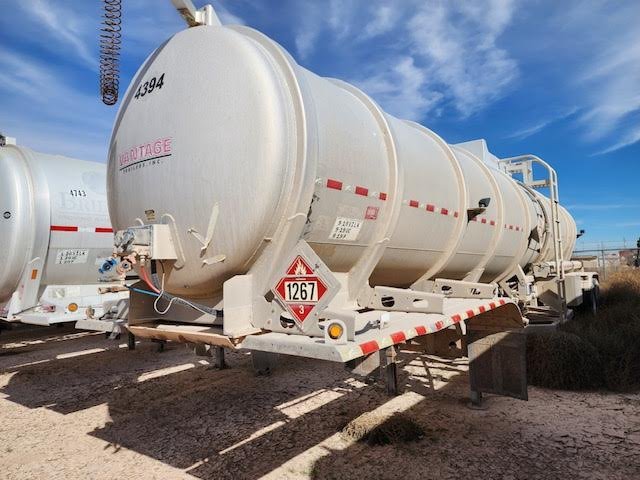
Liquidation and Fleet Auctions: When fuel companies or large fleets upgrade, they often sell their older units at auction. These can be fantastic sources for well-maintained trailers with known service histories. Sites like IronPlanet and Ritchie Bros. are reputable.
Direct from Manufacturers: Sometimes, the best deal comes from the source. Established global manufacturers, like Chinese Truck Factory, often have inventory of high-quality used or demo models. Buying from a manufacturer can provide more transparency on the unit’s history and build specs, and they may offer limited warranties not available from private sellers.
Industry Networks: Never underestimate the power of word-of-mouth. Talk to other owner-operators, join industry forums, and let your network know what you’re looking for. The best deals often never make it to a public listing.
New vs. Used: A Quick Comparison
To help visualize the trade-offs, here’s a straightforward breakdown.
| Consideration | New Tanker Trailer | Used Tanker Trailer |
|---|---|---|
| Upfront Cost | Very High ($80,000 – $150,000+) | Significantly Lower (30-70% of new cost) |
| Depreciation | Steepest in first 3 years | Much slower, more stable value |
| Technology & Compliance | Latest standards, no worries | Must verify current DOT/EPA compliance |
| Maintenance History | Blank slate, predictable | Unknown; reliant on inspection & records |
| Financing & Insurance | Generally easier to secure | May require higher down payment |
| Ideal For | Large fleets, specific new tech needs | Startups, expanding fleets, cost-focused buyers |
Expert Insight for Your Purchase Decision
I spoke with Michael Rourke, a veteran transportation safety consultant with over 25 years of experience and a certified TESOL instructor for industry training programs. He emphasized one point above all: “The purchase price is just the entry fee. Your real due diligence is in forecasting the total cost of ownership. For a used fuel tanker, immediately budget 15-20% of the purchase price for deferred maintenance, recertification, and necessary repairs. If the seller can’t provide a verifiable maintenance log, walk away. The few thousand dollars you might save upfront will vanish with your first out-of-service violation or unplanned tank test failure.” This aligns perfectly with what I’ve seen on the road—the cheapest trailer is often the most expensive in the long run.
Final Checklist Before You Sign
- ? Conducted a full visual and mechanical inspection (tank, valves, chassis).
- ? Verified all DOT/MC specification plates are present and legible.
- ? Reviewed and validated the most recent pressure test and inspection reports.
- ? Checked for a clean title with no liens.
- ? Tested all valves, pumps, and emergency systems.
- ? Compared the asking price against 3-5 similar units in the market.
- ? Considered immediate re-certification and maintenance costs in your budget.
Buying a used fuel tanker trailer is a major investment that demands a careful, knowledgeable approach. By focusing on structural integrity, legal compliance, and the true total cost, you can secure a reliable piece of equipment that will serve your business for years to come. Take your time, inspect meticulously, and don’t rush into a deal that feels off. The right tanker is out there.
Frequently Asked Questions (FAQs)
Q: What is the most important document to get when buying a used fuel tanker?
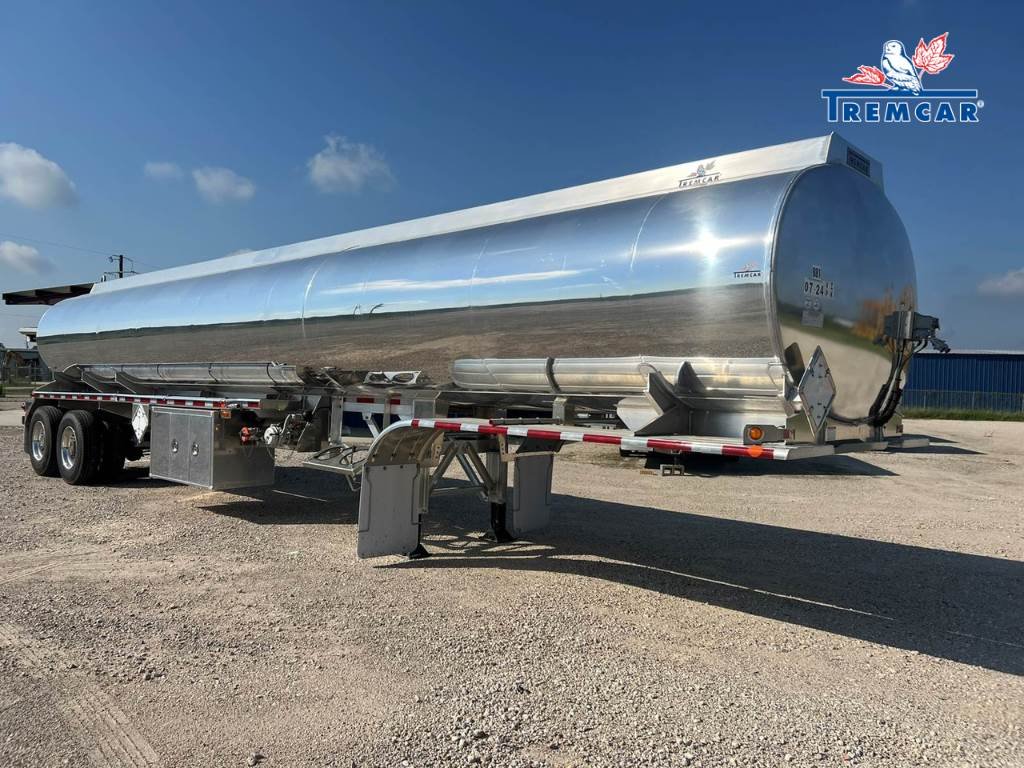
A: Without a doubt, it’s the valid and current DOT certification and test report. This proves the tank is legally allowed to transport hazardous materials. No report means the trailer cannot be used for fuel hauling until it passes a full retest, which is costly and time-consuming.
Q: How much should I budget for repairs after buying a used tanker?
A> As our expert suggested, a good rule of thumb is 15-20% of the purchase price. This should cover immediate safety items, valve overhauls, hose replacement, and ensuring it’s 100% ready for its next mandatory test. Always get a professional inspection for a precise estimate.
Q: Can I haul diesel in a trailer that previously carried gasoline, or vice versa?
A> Technically, yes, but it is not recommended without a professional cleaning and vapor purge. Cross-contamination of fuels can cause serious engine problems for your customers. It’s best to buy a trailer whose history matches your intended product, or budget for a thorough tank cleaning service.
Q: Where is the best place to look for financing on a used tanker?
A> Start with equipment financing specialists or credit unions familiar with commercial vehicles. They understand the asset’s value. Having a solid business plan and the trailer’s inspection reports will significantly improve your chances of approval.
Sources and Further Reading
- National Transportation Safety Board (NTSB). (2022). Safety Report: Hazmat Transfers During Transportation. [Online] Available at: https://www.ntsb.gov/investigations/AccidentReports/Reports/HAR2201.pdf
- Pipeline and Hazardous Materials Safety Administration (PHMSA). Hazardous Materials Regulations for Cargo Tanks. [Online] Available at: https://www.phmsa.dot.gov/hazmat-program