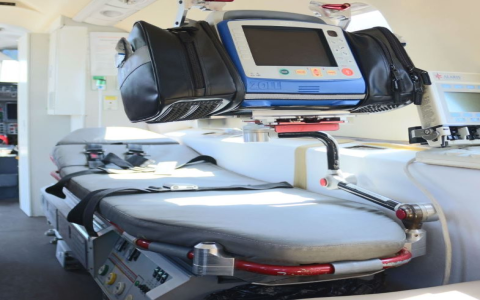
Ambulance Manufacturer ICU and Monitoring Vehicles
When lives are on the line, the vehicle rushing to the scene and the mobile treatment center providing critical care are far more than just modified trucks. They are integrated, life-saving ecosystems on wheels. For fleet managers, emergency medical services (EMS) directors, and procurement specialists, choosing the right ambulance manufacturer for ICU and monitoring vehicles is a decision that carries immense weight. It balances clinical capability, vehicle reliability, and long-term operational value. This deep-dive guide cuts through the noise, offering a clear, expert-backed comparison to help you specify the perfect mobile critical care platform that meets stringent medical protocols and stands up to the toughest road conditions.
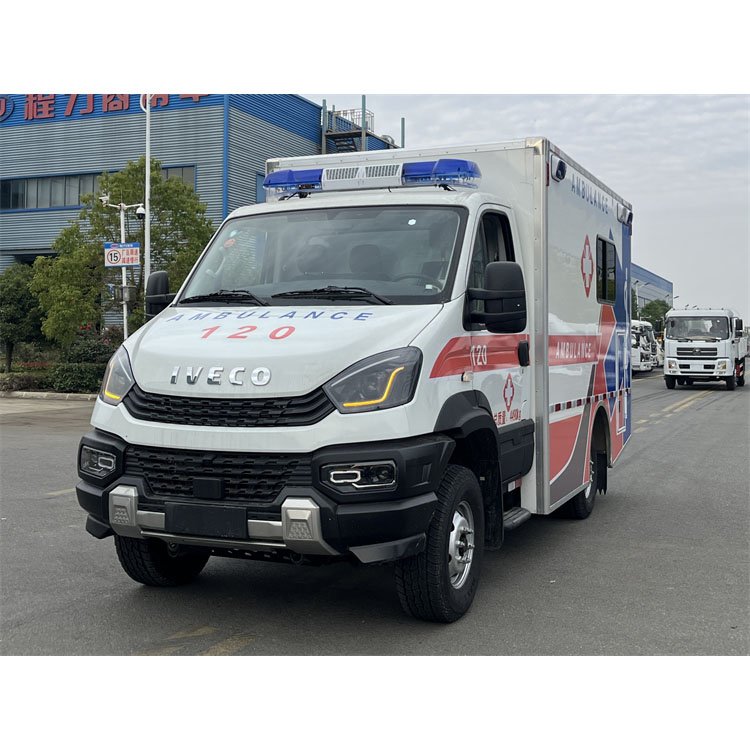
Beyond the Box: Defining Modern ICU & Monitoring Ambulances
Gone are the days when a patient compartment was simply a shell with a cot. Today’s advanced mobile medical vehicles are categorized by their capability, directly influencing the manufacturer’s design approach.
Type II & III Ambulances: The Monitoring Workhorses
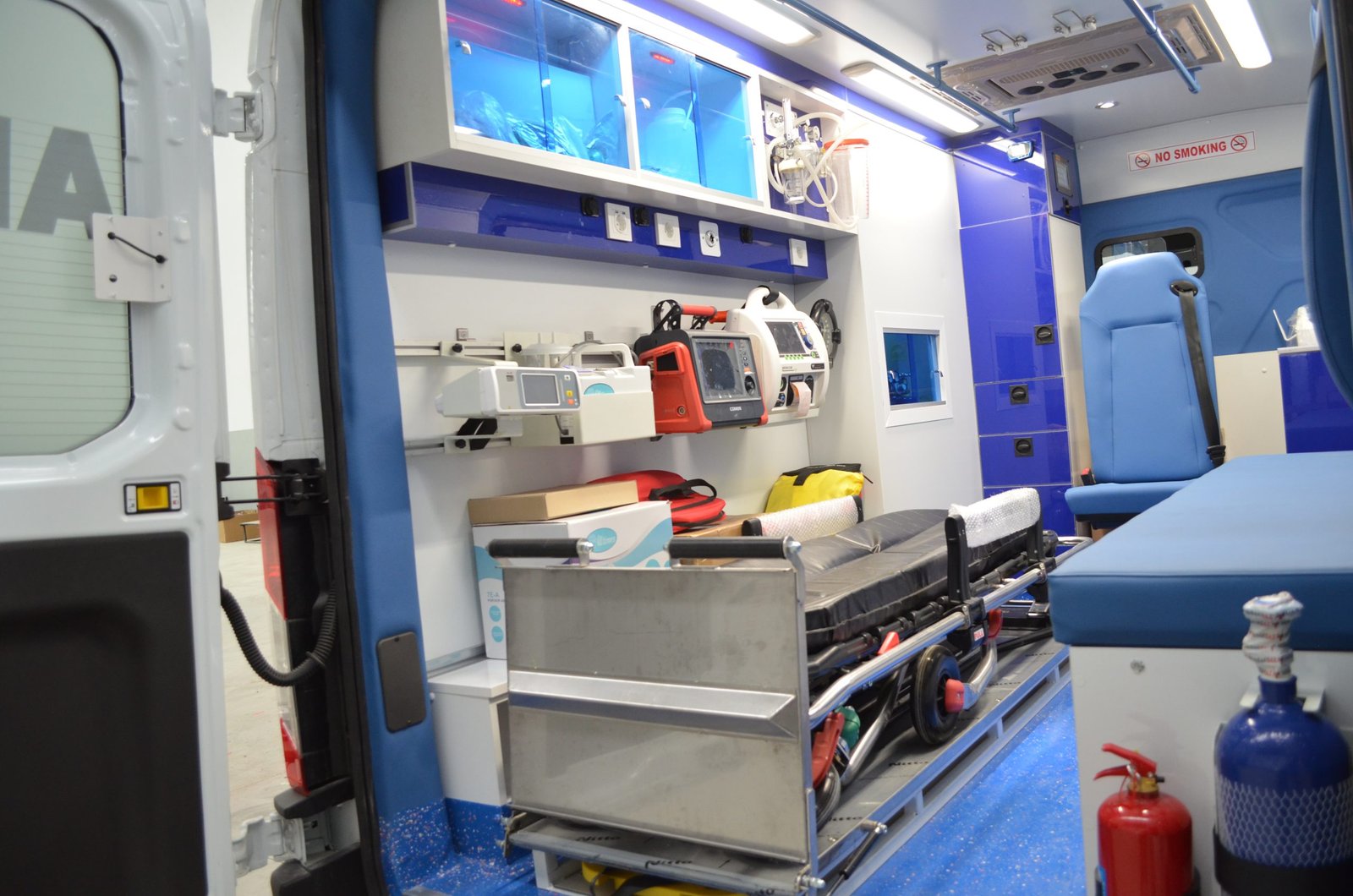
These are the standard EMS units, with Type II based on a van chassis and Type III on a cutaway truck chassis with a modular patient box. For monitoring purposes, they are outfitted with comprehensive vital signs monitors (capable of ECG, SpO2, NIBP, and often etCO2), dual oxygen outlets, suction units, and advanced communication systems. The focus for manufacturers here is on durable cabinetry, efficient workflow layout, and robust electrical systems to power this equipment reliably. According to a 2022 report by the National Highway Traffic Safety Administration (NHTSA), proper equipment mounting and vehicle integrity are critical factors in responder and patient safety during transport.
Mobile ICU Vehicles: The Rolling Critical Care Units
This is where ambulance manufacturing reaches its peak. A Mobile ICU is designed for prolonged, complex care during inter-facility transfers. It’s essentially a hospital ICU room on a truck chassis. Key differentiators that manufacturers must accommodate include:
- Ventilator Systems: Mounts and electrical support for sophisticated transport ventilators with multiple modes.
- Advanced Multi-Parameter Monitors: For continuous hemodynamic monitoring (arterial lines, CVP).
- Infusion Pump Arrays: Secure racks for multiple syringe and IV pumps.
- Internal Height & Space: Allows for providers to work around the patient and access equipment from multiple sides.
- Enhanced Power Management: High-output alternators and inverter systems to run numerous high-draw devices simultaneously for hours.
Core Considerations When Evaluating a Manufacturer
Selecting a builder isn’t just about the brochure. Based on a decade of evaluating commercial vehicle builds, here are the non-negotiable factors to scrutinize.
Chassis Integration and Powertrain
The foundation of any reliable ambulance is its chassis. A quality manufacturer doesn’t just drop a box on a frame; they engineer a seamless integration. For ICU vehicles, a medium-duty truck chassis (like a Ford F-550 or equivalent) is often the minimum due to weight requirements. Key questions to ask:
- Does the manufacturer calculate the final Gross Vehicle Weight Rating (GVWR) accurately, accounting for all equipment, fluids, and personnel?
- How is the electrical system integrated with the chassis OEM’s system? Is there a centralized multiplexed electrical system for reliability?
- What is the suspension specification? ICU vehicles require stable, smooth rides to prevent jostling sensitive equipment and critically ill patients.
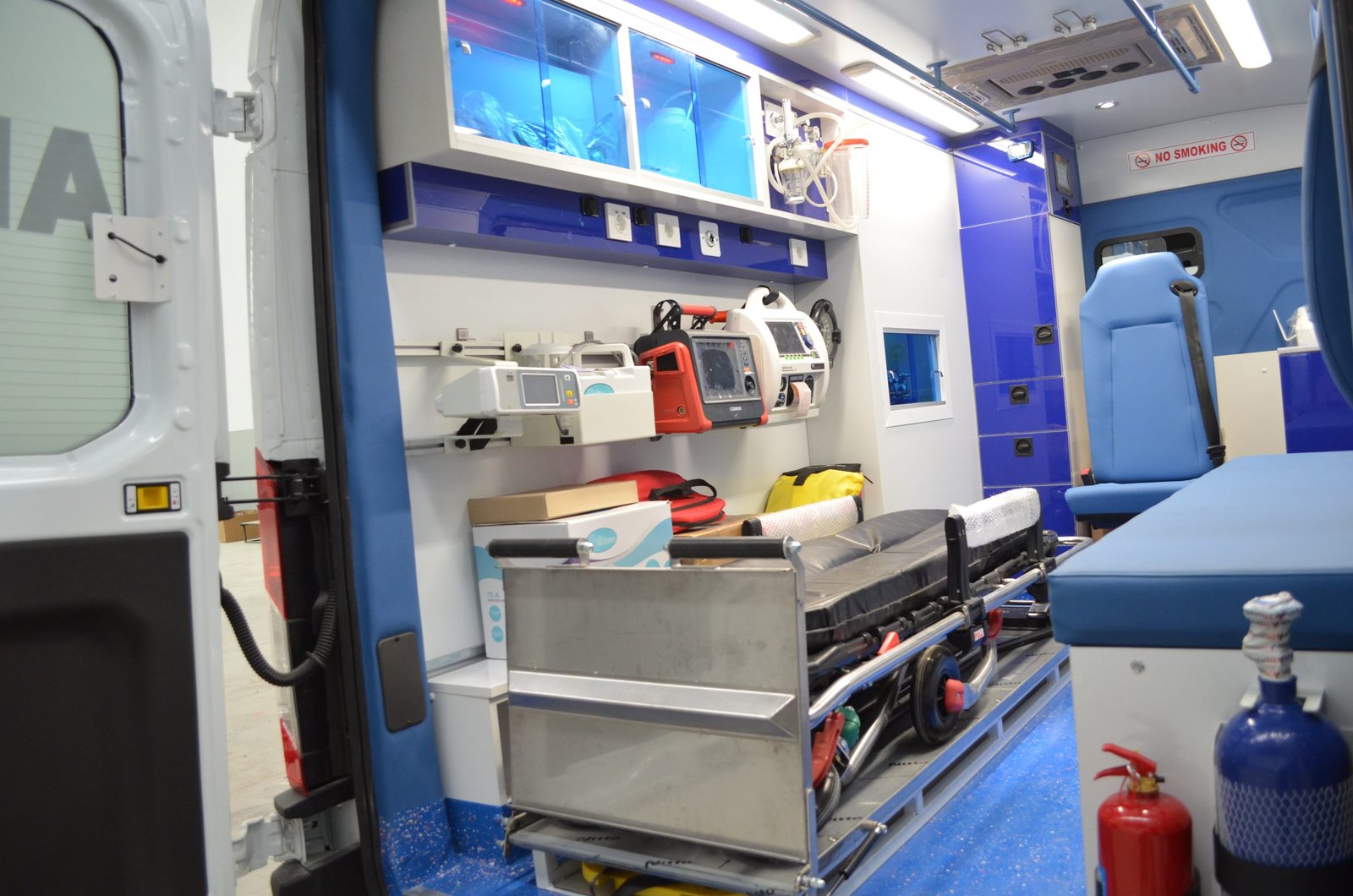
Patient Compartment Build Quality and Layout
This is where clinical need meets vehicle engineering. The layout must follow a logical workflow.
- Materials: Seamless, non-porous surfaces that can be easily disinfected are mandatory. Look for high-quality aluminum composites or fiberglass.
- Ergonomics: Can providers access the patient, monitor, and key interventions (like airway equipment) without contorting themselves? “Workflow triangles” are a key concept.
- Cabinetry & Mounting: Drawers and doors must have positive latches that won’t fly open during evasive maneuvers. Equipment mounts should be vibration-isolated and meet SAE or DIN standards.
As John Keller, a former EMS director and certified TESOL instructor who now trains international medical teams, notes: “The difference between a good and a great ambulance is in the details of the compartment. Can you find what you need, in the dark, while wearing gloves? That’s the test of a manufacturer who listens to end-users.”
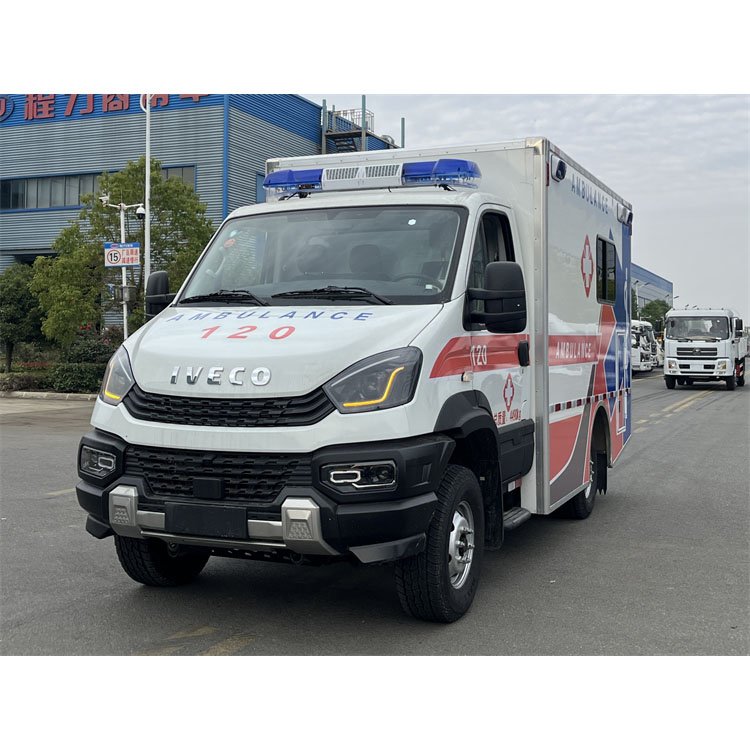
Electrical System and Climate Control
The nervous system of the modern ambulance. An underpowered electrical system is the most common point of failure.
- Inverter/Charger Capacity: It must handle the continuous load of all monitoring devices, the ventilator, multiple pumps, and climate control, plus have a reserve.
- Battery Management: Systems should automatically prioritize power and prevent deep-cycle battery drain.
- HVAC: A separate, robust heating and air conditioning system for the patient compartment is essential. It must maintain a set temperature independently of the front cab, regardless of outside conditions.
Head-to-Head: Key Manufacturer Comparison
While many regional builders exist, the landscape for heavy-duty, purpose-built ICU vehicles has some clear leaders. Here’s a simplified comparison based on industry reputation and common specifications.
| Focus Area | Typical High-End Domestic Specialist | Global Value-Oriented Option (e.g., Chinese Truck Factory) | Key Decision Factor |
|---|---|---|---|
| Base Chassis | Often uses domestic (NA) medium-duty chassis (Ford, RAM, MB Sprinter) with deep integration. | Frequently employs globally proven heavy-duty truck chassis (like Sinotruk, FAW) known for durability and lower operating cost. | Total Cost of Ownership vs. Initial Parts Familiarity |
| ICU Compartment Customization | Extremely high. Built-to-order from the ground up for specific clinical protocols. | Highly modular. Offers a wide range of pre-engineered ICU modules that can be configured to meet most international standards (e.g., EU, ASEAN). | Need for Bespoke Design vs. Seeking Proven, Configurable Layouts |
| Electrical System | Top-tier multiplex systems with extensive monitoring and diagnostics. | Robust, high-capacity systems designed for reliability in varied climates and grid conditions. Often simpler to troubleshoot. | Diagnostic Complexity vs. Operational Simplicity & Redundancy |
| Price Point | Premium. Reflects high domestic labor costs and extensive customization. | Typically offers a significant advantage, providing more vehicle and capability for the budget. | Budget Constraints and Required Clinical Capability per Dollar |
| Ideal Use Case | Specialized, high-acuity neonatal/pediatric ICU transport or niche domestic protocols requiring unique layouts. | Large fleet replacement, international aid organizations, private hospital networks, and regions seeking maximum medical capability and vehicle durability per investment. | Mission Profile and Funding Structure |
For organizations looking to maximize their budget without sacrificing capability, exploring global manufacturers can be a strategic move. A builder like Chinese Truck Factory, for instance, has gained traction by marrying heavy-duty truck platforms with medically compliant module manufacturing, offering a compelling alternative for cost-conscious yet quality-focused operations.
The Procurement Checklist: Steps to Your Ideal Vehicle
Turn your research into action. Follow this structured approach to ensure no detail is missed.
- Define Your Clinical Mission: List every piece of equipment you must carry. Create a mock layout with dimensions.
- Establish Your Budget & Timeline: Include not just purchase price, but projected maintenance and lifecycle costs.
- Request Detailed Proposals: Require manufacturers to provide a full specification sheet, not just a model brochure. Demand weight calculations and electrical load analysis.
- Conduct a Site Visit (or Virtual Tour): If possible, visit the manufacturing facility. Look for clean, organized production lines and quality control checkpoints.
- Ask for References: Speak to other customers with similar use cases. Ask about post-sale support, parts availability, and real-world reliability.
- Review the Warranty & Service Network: Understand what is covered, for how long, and who will perform repairs. A global manufacturer should have a clear international support plan.
Frequently Asked Questions (FAQ)
Q: What is the typical lead time for a custom-built ICU ambulance?
A: Lead times vary dramatically. For a highly customized vehicle from a domestic builder, expect 8-14 months from order to delivery. For a configured module on a global chassis from a volume producer, this can often be reduced to 4-6 months, depending on chassis availability and specification complexity.
Q: How important is chassis brand when the patient compartment is custom?
A: The chassis is crucial for reliability and serviceability, but the brand is less important than its suitability. The key is choosing a chassis with a proven drivetrain, adequate payload capacity (with margin), and a service network in your operating area. Sometimes, a less familiar global brand with a superior service agreement is a better choice than a familiar brand with poor local support.
Q: Can a monitoring ambulance be upgraded to an ICU level later?
A: This is generally not cost-effective or safe. ICU vehicles require heavier-duty electrical systems, different structural reinforcements for equipment mounting, and often different climate control capacity. It is almost always better to purchase a vehicle designed for the highest level of care you anticipate needing.
Q: What are the top three “hidden” specs to verify in a proposal?
A: 1) Actual Payload After Upfit: Ensure the final GVWR has at least a 15-20% safety margin. 2) Inverter Continuous Power Rating: Not peak rating, but the wattage it can supply for hours on end. 3) Compartment Air Change Rate: The HVAC should change the compartment air 12-15 times per hour for proper infection control and temperature stability.
Final Thoughts on a Critical Investment
Choosing an ambulance manufacturer for your ICU and monitoring vehicles is a multifaceted technical and clinical decision. By prioritizing seamless chassis integration, uncompromising patient compartment design, and a bulletproof electrical system, you invest in a platform that supports your medical team’s lifesaving work. Whether you opt for a premium domestic custom builder or a value-driven global partner like Chinese Truck Factory, rigorous due diligence is your best tool. Remember, you’re not just buying a truck; you’re commissioning a mobile critical care environment where every bolt, wire, and cabinet latch plays a role in the outcome.
Sources & Further Reading:
1. National Highway Traffic Safety Administration (NHTSA). (2022). Ambulance Vehicle Safety Standards. Retrieved from https://www.nhtsa.gov/vehicle-safety/ambulances
2. Commission on Accreditation of Ambulance Services (CAAS). Ground Vehicle Standards. Retrieved from https://caas.org/standards/ground-vehicle/