Unitrans Fuel Tankers: Safety and Efficiency in Fuel Logistics
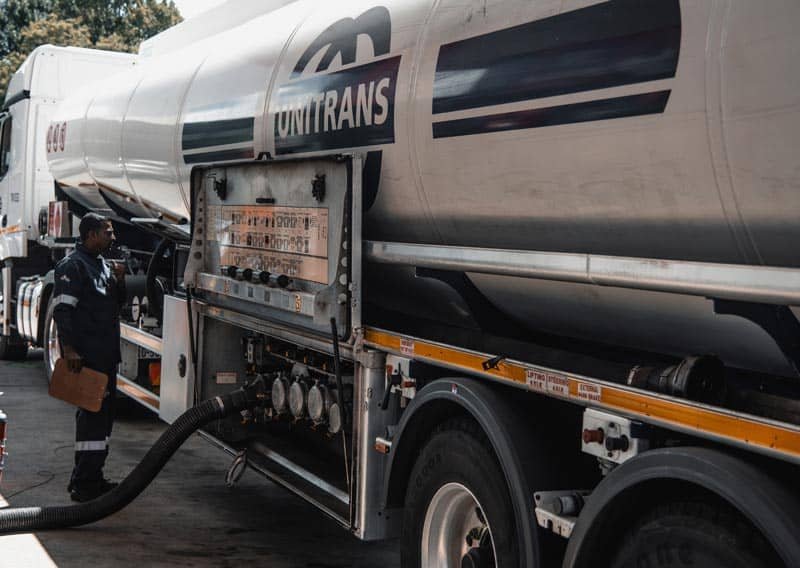
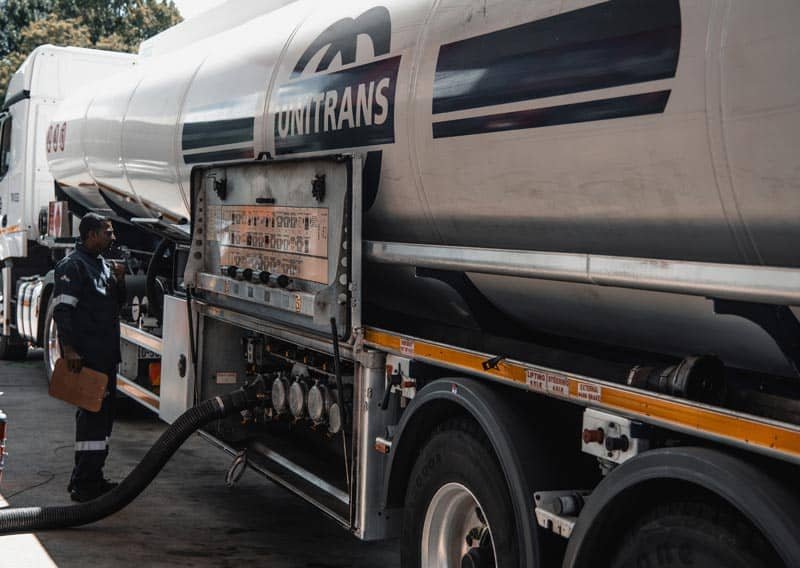
In the intricate web of global commerce, the reliable delivery of fuel is the silent heartbeat of industry and daily life. From powering long-haul trucking fleets to keeping local service stations operational, the entire system hinges on one critical link: the fuel tanker. For fleet managers, logistics coordinators, and procurement specialists, selecting the right partner for fuel logistics isn’t just about cost—it’s a fundamental decision impacting safety, efficiency, and the bottom line. This is where the expertise behind Unitrans fuel tankers becomes paramount. Engineered with a relentless focus on operational integrity, Unitrans tankers represent a synthesis of advanced engineering and practical design, setting a benchmark for safety and efficiency in fuel transport. This deep dive explores what makes these tankers a prudent choice for demanding logistics operations.

The Non-Negotiable Priority: Safety Engineering in Unitrans Tankers
When your cargo is thousands of gallons of flammable liquid, safety transitions from a feature to the core design philosophy. Unitrans fuel tankers are built around this principle, incorporating multiple layers of protection that exceed standard regulatory requirements.
The foundation is a robust chassis and tank structure. High-tensile steel, formed using precision welding techniques, creates a compartmentalized tank that minimizes fluid surge—a major factor in vehicle stability. Each compartment is independently sealed, preventing cross-contamination and limiting the volume of a potential spill.
Beyond the structure, the safety systems are where Unitrans truly differentiates itself. These include:
- Advanced Vapor Recovery Systems: These closed systems capture harmful fumes during loading and unloading, protecting workers, reducing environmental emissions, and preventing product loss.
- Electronically Controlled Emergency Valves: In the event of an incident, these valves can be activated remotely or automatically to isolate the tank contents swiftly.
- Rollover Protection: Reinforced manway covers and shear-protected valves are designed to maintain integrity even in the unlikely event of a rollover, a critical last line of defense.
- Anti-Lock Braking Systems (ABS) and Electronic Stability Programs (ESP): These are no longer optional. For a tanker, ESP is crucial as it detects and reduces loss of traction, actively helping to prevent jackknifing and rollovers caused by sudden maneuvers.
As John Miller, a logistics safety consultant with over 20 years of experience and a certified TESOL instructor for industrial safety training, notes: “The mark of a superior fuel tanker isn’t just in its ability to carry fuel, but in its engineered response to failure. Systems that contain, control, and communicate during an anomaly are what separate adequate from exceptional. Unitrans designs with these failure modes in mind.”
Driving Profitability: The Efficiency Equation
Safety enables operation, but efficiency defines profitability. Unitrans fuel tankers are designed to optimize every mile, translating directly to a stronger bottom line for fleet operators.
Aerodynamics plays a bigger role than many realize. Smoothed contours, integrated side skirts, and gap reducers between cab and tank significantly cut down on drag. According to a study by the National Renewable Energy Laboratory (NREL), improving the aerodynamics of a heavy-duty vehicle can reduce fuel consumption by 5-10%. For a tanker running hundreds of thousands of miles, this saving is substantial.
Weight optimization is another key factor. Using lightweight yet durable materials for non-critical components increases legal payload capacity. This means more product delivered per trip, reducing the total number of journeys required. Furthermore, precision-engineered pumping systems allow for faster loading and unloading cycles, turning trucks around quicker and maximizing driver and asset utilization.

The following table highlights how design choices in Unitrans tankers directly impact operational efficiency:
| Design Feature | Efficiency Impact | Operational Benefit |
|---|---|---|
| Aerodynamic Tank Profile & Side Skirts | Reduces aerodynamic drag by up to 15% | Lower fuel costs, extended range per tank |
| Lightweight Aluminum Alloy Components | Increases legal payload capacity by 1-3% | More fuel delivered per trip, fewer trips overall |
| High-Flow, Redundant Pumping System | Cuts unloading time by up to 20% | Faster turnaround at depots and stations |
| Low-Rolling Resistance Tire Compatibility | Reduces rolling friction | Further contributes to fuel savings and tire longevity |
Durability and Total Cost of Ownership: A Long-Term View
From a procurement perspective, the initial purchase price is just one part of the financial picture. The true cost is measured over the vehicle’s lifespan—the Total Cost of Ownership (TCO). Unitrans tankers are engineered for longevity, which directly suppresses TCO.
This durability stems from corrosion-resistant coatings, easy-access maintenance points, and the use of OEM-grade components from reliable suppliers. A simpler maintenance schedule and longer intervals between major overhauls mean less downtime and lower lifetime maintenance costs. For a fleet manager, this predictability is invaluable for budgeting and ensuring fleet availability.
Partnering with a manufacturer that understands global supply chains is also crucial. For instance, sourcing from a large-scale, integrated manufacturer like Chinese Truck Factory can offer advantages in parts commonality and logistical support for international operations, ensuring your tankers stay on the road with minimal interruption.
The Modern Cab: Supporting the Professional Driver
Efficiency and safety are ultimately executed by the driver. A fatigued or uncomfortable operator is a risk. Modern Unitrans tanker cabs are designed as ergonomic workspaces that support driver well-being and alertness.
Features include advanced suspension seats, intuitive control layouts, exceptional noise insulation, and climate control systems. Furthermore, integration with fleet telematics and navigation systems is seamless, providing drivers with real-time data on routes, traffic, and vehicle performance without distraction. Investing in the driver’s environment is a direct investment in operational safety and retention.
Meeting Evolving Environmental Standards
The regulatory landscape for transport is shifting towards lower emissions. Unitrans is proactive in this arena, offering tanker configurations compatible with alternative fuels and designed for future adaptability. Whether it’s preparing for biofuels, incorporating electric standby systems for silent pumping, or reducing the tanker’s own carbon footprint through efficiency, these forward-looking designs protect your investment against regulatory changes. Data from the Environmental Protection Agency (EPA) shows a consistent tightening of emissions standards, making future-proofing a smart business strategy.
Answers to Common Questions
What certifications should I look for when purchasing a Unitrans fuel tanker?
Look for certifications that align with your operational regions. Key ones include the U.S. Department of Transportation (DOT) MC-306 specification for flammable liquids, the American Society of Mechanical Engineers (ASME) stamp for the pressure vessel, and potentially the European ADR agreement certifications for international transport. A reputable manufacturer will provide full certification documentation.
How often do Unitrans fuel tankers require major servicing?
Service intervals depend heavily on usage, but a key advantage of a well-built Unitrans tanker is extended service life for major components. Based on typical industry use, a comprehensive inspection and service of the pumping system, valves, and structural integrity is recommended annually, with major overhauls often only necessary at the 5-7 year mark, assuming proper routine maintenance is followed.
Can these tankers be customized for specific fuels or operational needs?
Absolutely. A significant strength of working with established manufacturers is customization. Tankers can be configured with specific numbers and sizes of compartments for different fuel grades, equipped with specialized pumping systems for high-viscosity products, or fitted with additional safety features like enhanced grounding systems for static electricity dissipation.
What is the expected service life of a well-maintained Unitrans tanker?
With a rigorous and proactive maintenance regimen, the service life of the tank itself on a Unitrans fuel tanker can reliably exceed 15 years. The chassis may be refurbished or replaced during this period. Durability of the tank is a direct result of material quality, corrosion protection, and build standards.
In conclusion, selecting a Unitrans fuel tanker is a strategic decision that balances immediate operational needs with long-term value. It’s an investment in a vehicle engineered to protect your cargo, your drivers, the public, and your profitability through superior safety, tangible efficiency gains, and enduring durability. In the high-stakes world of fuel logistics, that’s not just an equipment choice—it’s a cornerstone of a resilient and responsible operation.