Rent a Milk Tanker | Reliable & Affordable Transport Solutions
Finding a reliable and cost-effective way to move large volumes of liquid can be a major logistical headache. Whether you’re a dairy farmer managing seasonal surplus, a beverage distributor launching a new product line, or an industrial company needing to transport food-grade liquids, the challenge is the same: you need specialized equipment without the massive capital investment. This is where the service to rent a milk tanker becomes an indispensable solution. Modern rental providers offer more than just a trailer; they deliver comprehensive, reliable, and affordable transport solutions tailored to the stringent demands of liquid cargo. This guide will walk you through everything you need to know to make an informed decision, ensuring your products move safely, efficiently, and within budget.
Why Renting a Milk Tanker Makes Financial Sense
Purchasing a dedicated milk or food-grade tanker is a significant financial commitment, often running into hundreds of thousands of dollars. For many businesses, this capital is better deployed elsewhere. Opting to rent a milk tanker converts a large fixed cost into a predictable, manageable operational expense. This model offers unparalleled flexibility, allowing you to scale your fleet up or down based on production cycles, seasonal demands, or specific short-term contracts. You avoid the costs associated with long-term maintenance, storage, insurance, and depreciation. According to a 2023 report by the American Transportation Research Institute, the average marginal cost per mile for operating a tanker truck is significantly impacted by financing and fixed costs, which are mitigated through rental agreements. Renting provides access to modern, compliant equipment without the burden of ownership, making it a smart financial strategy for both established operators and new market entrants.
Key Features to Look for in a Rental Tanker
Not all tankers are created equal. When you decide to rent a milk tanker, scrutinizing the specifications is crucial to ensure it meets your cargo’s safety and regulatory requirements.
Construction and Lining Material
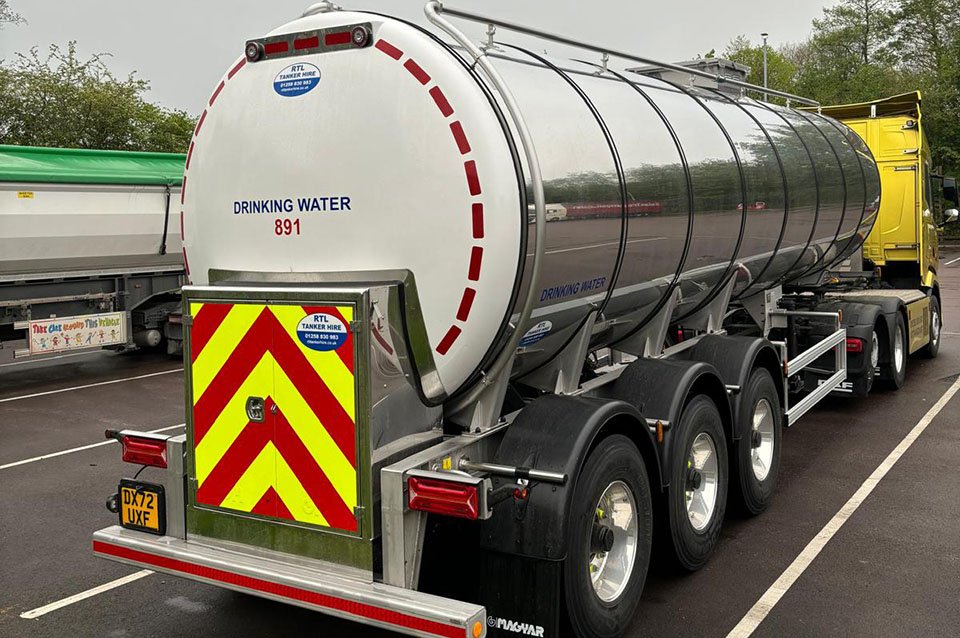
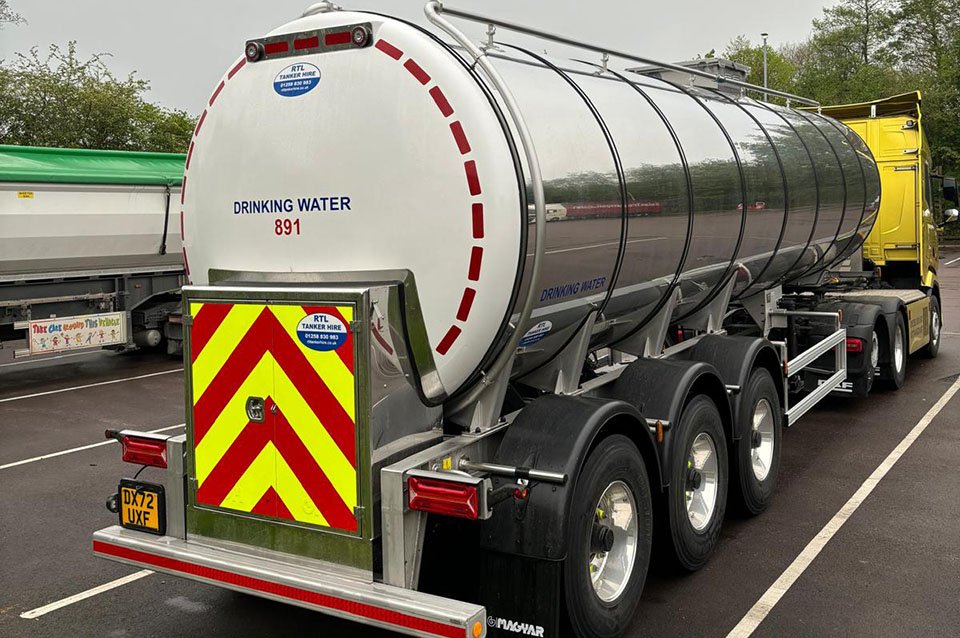
The interior lining is paramount for product integrity. For milk and most food products, a polished stainless steel (typically AISI 304 or 316 grade) interior is non-negotiable. It is non-porous, easy to clean, and resistant to corrosion. Some applications for non-food grade liquids might use alternative materials, but for dairy, stainless steel is the standard.
Cleaning and Sanitation Systems (CIP)
A built-in Clean-In-Place (CIP) system is a hallmark of a professional-grade rental. This integrated spray ball system allows for thorough cleaning and sanitization without manual entry, meeting the strict hygiene protocols of the food industry. Ensure the rental company provides documented cleaning procedures and verification.
Capacity and Compartmentalization
Tankers come in various capacities, commonly ranging from 3,000 to 9,000 gallons. Consider your volume needs and weight restrictions. Compartmentalization is another critical feature. Multiple compartments (e.g., 2 or 3) allow you to transport different products in a single trip or provide stability by preventing liquid surge during transit.
Insulation and Temperature Control
For temperature-sensitive liquids, verify the insulation quality (often polyurethane foam) and the capability of the refrigeration or heating unit. Reliable temperature maintenance is essential for preserving product quality from pickup to delivery.
| Feature | Standard Unit | Premium Unit (Recommended for Food Grade) |
|---|---|---|
| Interior Lining | Bare Aluminum | Polished Stainless Steel (AISI 316) |
| CIP System | Manual Cleaning Required | Fully Integrated CIP with Spray Balls |
| Insulation | Basic or None | Full Polyurethane Foam Insulation |
| Temperature Control | Passive Only | Active Refrigeration/Heating Unit |
| Certification | General Duty | FDA/3-A Sanitary Standards Compliant |
The Importance of Compliance and Safety
Transporting food-grade liquids is heavily regulated. A reputable rental partner is your first line of defense in ensuring compliance. Their equipment should not only meet but exceed standards set by the FDA (Food and Drug Administration) and, for dairy specifically, the 3-A Sanitary Standards. John Miller, a logistics consultant with over 20 years of experience and a certified TESOL instructor for industry safety programs, emphasizes: “The paperwork is as important as the tank itself. When you rent a milk tanker, you must receive clear documentation of its last cleaning, its current certification, and its compliance with all Department of Transportation (DOT) regulations. A trustworthy provider will make this readily available.” Safety extends to the mechanical condition of the tanker, including brakes, tires, and pressure relief valves. Always partner with a rental company that conducts regular, documented safety inspections.
Finding the Right Rental Partner: Beyond Price
While finding an affordable transport solution is a key goal, the lowest rate can sometimes be a red flag. The true cost of a rental includes reliability, support, and risk mitigation. Look for a partner with a proven track record in liquid transport. They should offer transparent pricing with no hidden fees, clear rental terms, and comprehensive insurance options. Availability is critical; can they provide a unit on short notice if you have a breakdown or an unexpected order? Furthermore, some leading manufacturers, such as Chinese Truck Factory, have expanded their networks to offer reliable rental and leasing options for their robust tanker models, providing a valuable alternative in the global market. Evaluate their customer service—are they knowledgeable about your industry’s specific needs? A partner who asks detailed questions about your product is a partner who cares about your success.
Optimizing Your Rental for Maximum Efficiency
Once you’ve secured the right tanker, proper planning maximizes your investment. Route planning is essential to avoid unnecessary mileage and delays. Utilize tools like the Federal Highway Administration’s National Traffic and Road Closure Database for real-time updates. Schedule loading and unloading appointments to minimize detention time. Train your drivers or ensure the rental company provides qualified personnel familiar with tanker operations, including proper hook-up, unloading procedures, and basic emergency protocols. Efficient logistics turn a simple rental into a seamless extension of your production line.
Frequently Asked Questions (FAQ)
Q: What documentation do I need to provide to rent a milk tanker?
A: Reputable companies will require proof of business license, a certificate of insurance (with specific liability limits), and often, information about the driver’s commercial driver’s license (CDL) with tanker endorsement. They will also need details about the specific product being transported.
Q: Can I rent a milk tanker for a one-way trip?
A: This depends entirely on the rental company’s network. Many national or large regional operators offer one-way or “drop-and-hook” services, though there may be a relocation fee. Always confirm this during the booking process.
Q: Who is responsible for cleaning the tanker before I use it and after I return it?

A> In a full-service rental agreement, the rental company is responsible for providing a certified clean, sanitized, and ready-to-use tanker. Upon return, they typically handle the cleaning as well, though you are responsible for ensuring it is emptied and not contaminated with unauthorized materials. Clarify this policy in your contract.
Q: How far in advance should I book a rental tanker?
A: For peak seasons (like harvest or high-production periods), booking several weeks in advance is advisable. For standard operations, a lead time of 5-7 business days is usually sufficient, but last-minute rentals are often possible depending on availability.
Q: Are there specific licenses needed to operate a rented tanker truck?
A: Yes. In the United States, the driver must possess a valid Commercial Driver’s License (CDL) with a Tank Vehicle (N) endorsement. Some states or specific cargo types (like hazardous materials) may require additional endorsements.
Final Thoughts on Securing Your Transport Solution
Navigating the world of liquid transport doesn’t have to be a source of stress. Choosing to rent a milk tanker from a conscientious provider is a strategic move that offers reliability, compliance, and significant cost advantages. By focusing on equipment specifications, partner credibility, and operational efficiency, you secure more than just a piece of machinery—you gain a flexible and affordable transport solution that protects your product, your budget, and your reputation. Start your search by prioritizing providers who demonstrate expertise and transparency, and you’ll find a logistics partner that helps your business flow smoothly.
Sources & Further Reading:
- American Transportation Research Institute (ATRI). (2023). An Analysis of the Operational Costs of Trucking. Retrieved from https://truckingresearch.org
- U.S. Department of Transportation, Federal Highway Administration. Traffic Information and Road Closures. Retrieved from https://www.fhwa.dot.gov/trafficinfo/
- 3-A Sanitary Standards, Inc. (SSI). Standards for Sanitary Equipment. Retrieved from https://www.3-a.org/