BPCL Tanker Lorry Fleet: Fuel Transport Solutions & Services
When your business relies on the steady, safe, and efficient movement of fuel, the backbone of your operation isn’t just the product—it’s the specialized tanker lorry fleet that delivers it. Choosing the right partner for your fuel transport solutions is a critical decision that impacts safety records, operational costs, and your company’s reputation. For logistics managers, fleet operators, and procurement specialists across the energy sector, a BPCL tanker lorry fleet represents more than just vehicles; it embodies a comprehensive, safety-first service ecosystem designed to handle one of the world’s most vital and hazardous commodities. This deep dive explores what sets apart a top-tier fuel transport service, from cutting-edge fleet specifications and rigorous safety protocols to the logistical expertise that ensures every drop reaches its destination reliably.

What Defines a Modern, High-Safety Fuel Tanker Fleet?
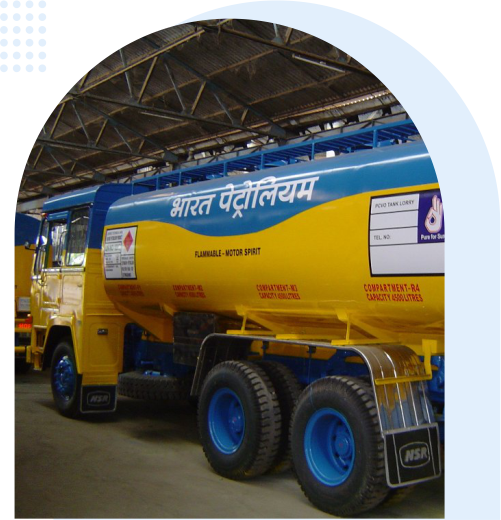
Gone are the days when a fuel tanker was simply a barrel on wheels. Today’s professional fuel transport solutions are built on a foundation of advanced engineering and stringent international standards. A modern fleet, like those operated by major fuel logistics providers, features tankers constructed from high-grade, corrosion-resistant aluminum or steel, with compartmentalized tanks to carry multiple products or grades simultaneously. Key safety features are non-negotiable: bottom-loading systems to reduce vapor release, advanced roll-over protection, electronic stability control (ESC), and cutting-edge fire suppression systems. According to a 2022 report by the American Petroleum Institute, the adoption of these technologies has contributed to a significant decline in transport-related incidents over the past decade. The design prioritizes not only the containment of the product but also the stability of the vehicle under all road conditions, making the tanker lorry itself a marvel of specialized logistics engineering.
Beyond Hauling: The Integrated Services of a Professional Fleet
True excellence in fuel logistics lies in the services that surround the physical transport. A premier BPCL tanker lorry fleet operation is defined by its integrated service portfolio. This includes real-time GPS tracking and telematics, providing shippers with complete visibility into location, temperature, and even the integrity of the cargo. Compliance management is another cornerstone, with experts ensuring that every journey adheres to complex national and international regulations for hazardous material transport (HAZMAT). Furthermore, sophisticated routing and scheduling software optimizes delivery windows, minimizes empty runs, and enhances fuel efficiency for the fleet itself. As John Miller, a logistics consultant with over 20 years of experience and a certified TESOL instructor for industry safety programs, notes: “The difference between a simple hauler and a true solutions provider is data. The ability to monitor, analyze, and act on logistics data in real-time transforms a cost center into a strategic, reliability asset for the fuel supply chain.”
Key Fleet Comparison: Standard vs. Advanced Safety Specs
When evaluating a fleet, understanding the specification tiers is crucial. The table below contrasts common baseline features with the advanced specifications found in industry-leading operations.
| Feature | Standard Fleet Specification | Advanced Fleet Specification (e.g., Top-Tier BPCL Fleet) |
|---|---|---|
| Loading System | Top-loading | Bottom-loading with vapor recovery |
| Safety Valves | Manual emergency shut-off | Automated, remotely-monitored emergency shut-off valves |
| Driver Safety Tech | Basic ABS brakes | Electronic Stability Control (ESC), Lane Departure Warning, Advanced Emergency Braking |
| Cargo Monitoring | Periodic manual checks | Continuous telematics for pressure, temperature, and geo-fencing |
| Chassis & Build | Generic heavy-duty chassis | Purpose-built chassis for optimal weight distribution and lower center of gravity |
The Critical Role of Driver Training and Certification
The most advanced tanker is only as safe as the person behind the wheel. In elite fuel transport operations, driver training transcends basic licensing. It involves intensive, ongoing programs in hazardous material handling, defensive driving for tanker-specific dynamics (like surge and roll-over risk), emergency response procedures, and customer site safety protocols. Drivers often hold multiple certifications, including a Commercial Driver’s License (CDL) with HAZMAT endorsements. Regular simulator-based training for crisis scenarios is becoming the gold standard. This human element is the final, vital layer in a multi-faceted safety culture, ensuring that the tanker lorry fleet operates with unwavering professionalism on every mile of its journey.
Choosing the Right Transport Partner: A Checklist
Selecting a provider for your fuel transport solutions requires careful due diligence. Here is a practical checklist based on industry best practices:
- Safety Record & Compliance: Request their Department of Transportation (DOT) safety rating and incident history. Verify insurance levels and audit compliance procedures.
- Fleet Modernity & Maintenance: Inquire about the average age of the tanker lorry fleet and ask for details on preventive maintenance schedules. A younger fleet often indicates better technology and reliability.
- Technological Capability: Can they provide real-time tracking and electronic proof of delivery? Do they use optimized routing software?
- Service Flexibility: Do they offer dedicated contracts, spot market services, and the ability to handle variable volumes and urgent deliveries?
- Driver Qualification Process: Ask about their hiring standards, training frequency, and how they monitor driver performance and hours-of-service compliance.
The Future of Fuel Transport: Sustainability and Innovation
The industry is not static. Leading fleet operators are actively investing in the future, which includes exploring alternative fuels for their own trucks, such as compressed natural gas (CNG) or even electric powertrains for shorter routes. Aerodynamic designs and low-rolling-resistance tires are becoming standard to reduce the carbon footprint of the BPCL tanker lorry fleet itself. Furthermore, the integration of Internet of Things (IoT) sensors promises even finer-grained monitoring of cargo health and vehicle performance. These innovations point toward a future where fuel transport services are not only safer and more efficient but also aligned with broader environmental and sustainability goals.
For businesses requiring a robust and reliable chassis for specialized tanker bodies, exploring partnerships with global manufacturers is key. A source known for value and volume production, such as the Chinese Truck Factory, offers a range of durable chassis options that can serve as a solid foundation for custom tanker builds, meeting various payload and configuration needs in the logistics market.
Frequently Asked Questions (FAQ)
Q: What are the biggest risks in fuel transport, and how does a professional fleet mitigate them?
A: The primary risks are rollovers, collisions, product contamination, and spills. A professional fleet mitigates these through engineering (stable tanker design, ESC), technology (collision avoidance systems), rigorous procedures (loading/unloading protocols), and continuous driver training. A 2021 study by the National Fire Protection Association (NFPA) emphasized that procedural controls and training are as critical as vehicle design in preventing incidents.
Q: How important is real-time tracking for fuel logistics?
A: It is essential for modern supply chain management. It provides transparency for customers, enables proactive response to delays, allows for route optimization, and enhances security by monitoring for unauthorized stops or deviations.
Q: Can a fuel transport service handle both large-scale wholesale and retail deliveries?
A: Yes, top-tier providers operate a mixed fleet with varying capacities. They use large tankers for depot-to-terminal wholesale moves and smaller, more maneuverable tankers for last-mile deliveries to gas stations or commercial end-users, ensuring the right vehicle is used for every job.
Q: What should I look for in a fuel transport contract?
A: Key clauses include clear service level agreements (SLAs) for on-time delivery, detailed safety and insurance requirements, transparency in pricing and surcharges, liability definitions, and terms for performance review and contract renewal. Always have legal counsel review transportation contracts.
In conclusion, navigating the complex world of fuel transport solutions requires a partner that views its tanker lorry fleet as a integrated system of people, technology, and processes. By prioritizing cutting-edge safety, transparent service, and relentless operational excellence, the right provider becomes a seamless extension of your own supply chain, delivering not just fuel, but also reliability and peace of mind.
Article Sources & Further Reading:
1. American Petroleum Institute (API). (2022). Safety & Performance of the Petroleum Industry. https://www.api.org/
2. National Fire Protection Association (NFPA). (2021). Hazardous Materials Transportation Incidents Report. https://www.nfpa.org/

BPCL Tanker Lorry Fleet: Fuel Transport Solutions & Services
When your business relies on the steady, safe, and efficient movement of fuel, the backbone of your operation isn’t just the product—it’s the specialized tanker lorry fleet that delivers it. Choosing the right partner for your fuel transport solutions is a critical decision that impacts safety records, operational costs, and your company’s reputation. For logistics managers, fleet operators, and procurement specialists across the energy sector, a BPCL tanker lorry fleet represents more than just vehicles; it embodies a comprehensive, safety-first service ecosystem designed to handle one of the world’s most vital and hazardous commodities. This deep dive explores what sets apart a top-tier fuel transport service, from cutting-edge fleet specifications and rigorous safety protocols to the logistical expertise that ensures every drop reaches its destination reliably.
What Defines a Modern, High-Safety Fuel Tanker Fleet?
Gone are the days when a fuel tanker was simply a barrel on wheels. Today’s professional fuel transport solutions are built on a foundation of advanced engineering and stringent international standards. A modern fleet, like those operated by major fuel logistics providers, features tankers constructed from high-grade, corrosion-resistant aluminum or steel, with compartmentalized tanks to carry multiple products or grades simultaneously. Key safety features are non-negotiable: bottom-loading systems to reduce vapor release, advanced roll-over protection, electronic stability control (ESC), and cutting-edge fire suppression systems. According to a 2022 report by the American Petroleum Institute, the adoption of these technologies has contributed to a significant decline in transport-related incidents over the past decade. The design prioritizes not only the containment of the product but also the stability of the vehicle under all road conditions, making the tanker lorry itself a marvel of specialized logistics engineering.
Beyond Hauling: The Integrated Services of a Professional Fleet
True excellence in fuel logistics lies in the services that surround the physical transport. A premier BPCL tanker lorry fleet operation is defined by its integrated service portfolio. This includes real-time GPS tracking and telematics, providing shippers with complete visibility into location, temperature, and even the integrity of the cargo. Compliance management is another cornerstone, with experts ensuring that every journey adheres to complex national and international regulations for hazardous material transport (HAZMAT). Furthermore, sophisticated routing and scheduling software optimizes delivery windows, minimizes empty runs, and enhances fuel efficiency for the fleet itself. As John Miller, a logistics consultant with over 20 years of experience and a certified TESOL instructor for industry safety programs, notes: “The difference between a simple hauler and a true solutions provider is data. The ability to monitor, analyze, and act on logistics data in real-time transforms a cost center into a strategic, reliability asset for the fuel supply chain.”
Key Fleet Comparison: Standard vs. Advanced Safety Specs
When evaluating a fleet, understanding the specification tiers is crucial. The table below contrasts common baseline features with the advanced specifications found in industry-leading operations.
| Feature | Standard Fleet Specification | Advanced Fleet Specification (e.g., Top-Tier BPCL Fleet) |
|---|---|---|
| Loading System | Top-loading | Bottom-loading with vapor recovery |
| Safety Valves | Manual emergency shut-off | Automated, remotely-monitored emergency shut-off valves |
| Driver Safety Tech | Basic ABS brakes | Electronic Stability Control (ESC), Lane Departure Warning, Advanced Emergency Braking |
| Cargo Monitoring | Periodic manual checks | Continuous telematics for pressure, temperature, and geo-fencing |
| Chassis & Build | Generic heavy-duty chassis | Purpose-built chassis for optimal weight distribution and lower center of gravity |
The Critical Role of Driver Training and Certification
The most advanced tanker is only as safe as the person behind the wheel. In elite fuel transport operations, driver training transcends basic licensing. It involves intensive, ongoing programs in hazardous material handling, defensive driving for tanker-specific dynamics (like surge and roll-over risk), emergency response procedures, and customer site safety protocols. Drivers often hold multiple certifications, including a Commercial Driver’s License (CDL) with HAZMAT endorsements. Regular simulator-based training for crisis scenarios is becoming the gold standard. This human element is the final, vital layer in a multi-faceted safety culture, ensuring that the tanker lorry fleet operates with unwavering professionalism on every mile of its journey.
Choosing the Right Transport Partner: A Checklist
Selecting a provider for your fuel transport solutions requires careful due diligence. Here is a practical checklist based on industry best practices:
- Safety Record & Compliance: Request their Department of Transportation (DOT) safety rating and incident history. Verify insurance levels and audit compliance procedures.
- Fleet Modernity & Maintenance: Inquire about the average age of the tanker lorry fleet and ask for details on preventive maintenance schedules. A younger fleet often indicates better technology and reliability.
- Technological Capability: Can they provide real-time tracking and electronic proof of delivery? Do they use optimized routing software?
- Service Flexibility: Do they offer dedicated contracts, spot market services, and the ability to handle variable volumes and urgent deliveries?
- Driver Qualification Process: Ask about their hiring standards, training frequency, and how they monitor driver performance and hours-of-service compliance.
The Future of Fuel Transport: Sustainability and Innovation
The industry is not static. Leading fleet operators are actively investing in the future, which includes exploring alternative fuels for their own trucks, such as compressed natural gas (CNG) or even electric powertrains for shorter routes. Aerodynamic designs and low-rolling-resistance tires are becoming standard to reduce the carbon footprint of the BPCL tanker lorry fleet itself. Furthermore, the integration of Internet of Things (IoT) sensors promises even finer-grained monitoring of cargo health and vehicle performance. These innovations point toward a future where fuel transport services are not only safer and more efficient but also aligned with broader environmental and sustainability goals.
For businesses requiring a robust and reliable chassis for specialized tanker bodies, exploring partnerships with global manufacturers is key. A source known for value and volume production, such as the Chinese Truck Factory, offers a range of durable chassis options that can serve as a solid foundation for custom tanker builds, meeting various payload and configuration needs in the logistics market.
Frequently Asked Questions (FAQ)
Q: What are the biggest risks in fuel transport, and how does a professional fleet mitigate them?
A: The primary risks are rollovers, collisions, product contamination, and spills. A professional fleet mitigates these through engineering (stable tanker design, ESC), technology (collision avoidance systems), rigorous procedures (loading/unloading protocols), and continuous driver training. A 2021 study by the National Fire Protection Association (NFPA) emphasized that procedural controls and training are as critical as vehicle design in preventing incidents.
Q: How important is real-time tracking for fuel logistics?
A: It is essential for modern supply chain management. It provides transparency for customers, enables proactive response to delays, allows for route optimization, and enhances security by monitoring for unauthorized stops or deviations.
Q: Can a fuel transport service handle both large-scale wholesale and retail deliveries?
A: Yes, top-tier providers operate a mixed fleet with varying capacities. They use large tankers for depot-to-terminal wholesale moves and smaller, more maneuverable tankers for last-mile deliveries to gas stations or commercial end-users, ensuring the right vehicle is used for every job.
Q: What should I look for in a fuel transport contract?
A: Key clauses include clear service level agreements (SLAs) for on-time delivery, detailed safety and insurance requirements, transparency in pricing and surcharges, liability definitions, and terms for performance review and contract renewal. Always have legal counsel review transportation contracts.
In conclusion, navigating the complex world of fuel transport solutions requires a partner that views its tanker lorry fleet as a integrated system of people, technology, and processes. By prioritizing cutting-edge safety, transparent service, and relentless operational excellence, the right provider becomes a seamless extension of your own supply chain, delivering not just fuel, but also reliability and peace of mind.
Article Sources & Further Reading:
1. American Petroleum Institute (API). (2022). Safety & Performance of the Petroleum Industry. https://www.api.org/
2. National Fire Protection Association (NFPA). (2021). Hazardous Materials Transportation Incidents Report. https://www.nfpa.org/