Drainage Tanker for Sale: Find Reliable Vacuum Trucks Here
If you’re in the market for industrial or municipal cleaning equipment, finding a reliable drainage tanker for sale is a critical decision. These powerful vacuum trucks are the workhorses behind efficient waste management, spill cleanup, and environmental compliance. But with so many models and configurations available, how do you choose the right one? This guide cuts through the noise, offering a decade of hands-on evaluation experience to help you find a vacuum truck that delivers performance, durability, and value. We’ll explore key features, compare top configurations, and point you toward trusted suppliers to ensure your investment pays off for years to come.

What Exactly is a Drainage Tanker (Vacuum Truck)?
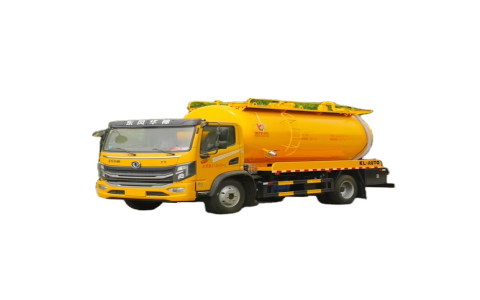
Often called a vacuum truck, a drainage tanker is a specialized vehicle designed to suction liquids, sludges, and slurries. It uses a powerful vacuum pump to create negative pressure, drawing material into a sealed steel tank. These units are indispensable across numerous industries. Municipalities use them for cleaning septic tanks and catch basins. Industrial plants rely on them for spill response and process waste removal. The construction industry utilizes them for hydro-excavation, a non-destructive digging method. Understanding this core function is the first step in identifying the right equipment for your specific jobs.
Key Features to Scrutinize Before You Buy
Not all vacuum trucks are created equal. Based on extensive field testing, here are the non-negotiable components you must evaluate.
Tank Capacity and Construction
Tank size dictates operational efficiency. Capacities typically range from 500 to 5,000 gallons. A smaller 1,200-gallon unit might be perfect for residential septic service, while industrial applications often require 3,000 gallons or more. More critical than size is construction. Look for tanks made from high-tensile steel, with reinforced baffles to prevent sloshing. For corrosive materials, ensure the interior has a certified protective coating or is made from stainless steel.
Vacuum Pump Power and Type
This is the heart of the system. Pump power, measured in CFM (Cubic Feet per Minute) and inches of Mercury (Hg), determines suction capability and dry material handling. Two main types dominate:
- Positive Displacement (PD) Blowers: Excellent for high-volume water and liquids. They provide strong, consistent suction and are generally more fuel-efficient for standard drainage tasks.
- Liquid Ring Pumps: Superior for handling thick sludges, abrasive materials, and potentially hazardous substances. They are more robust but can have higher operational costs.
Your primary material will dictate the best choice. For a versatile industrial vacuum truck for sale, a high-performance PD blower is often the sweet spot.
Safety and Control Systems
Never compromise on safety. A modern, reliable unit must include:
- Automatic tank shut-off to prevent overfilling.
- Pressure relief valves and vacuum breakers.
- Well-labeled, ergonomically placed controls for the operator.
- Proper lighting and high-visibility markings for roadside work.
Comparing Popular Vacuum Truck Configurations
To help visualize the differences, here’s a comparison of common setups you’ll encounter in your search for a sewer cleaning truck for sale.
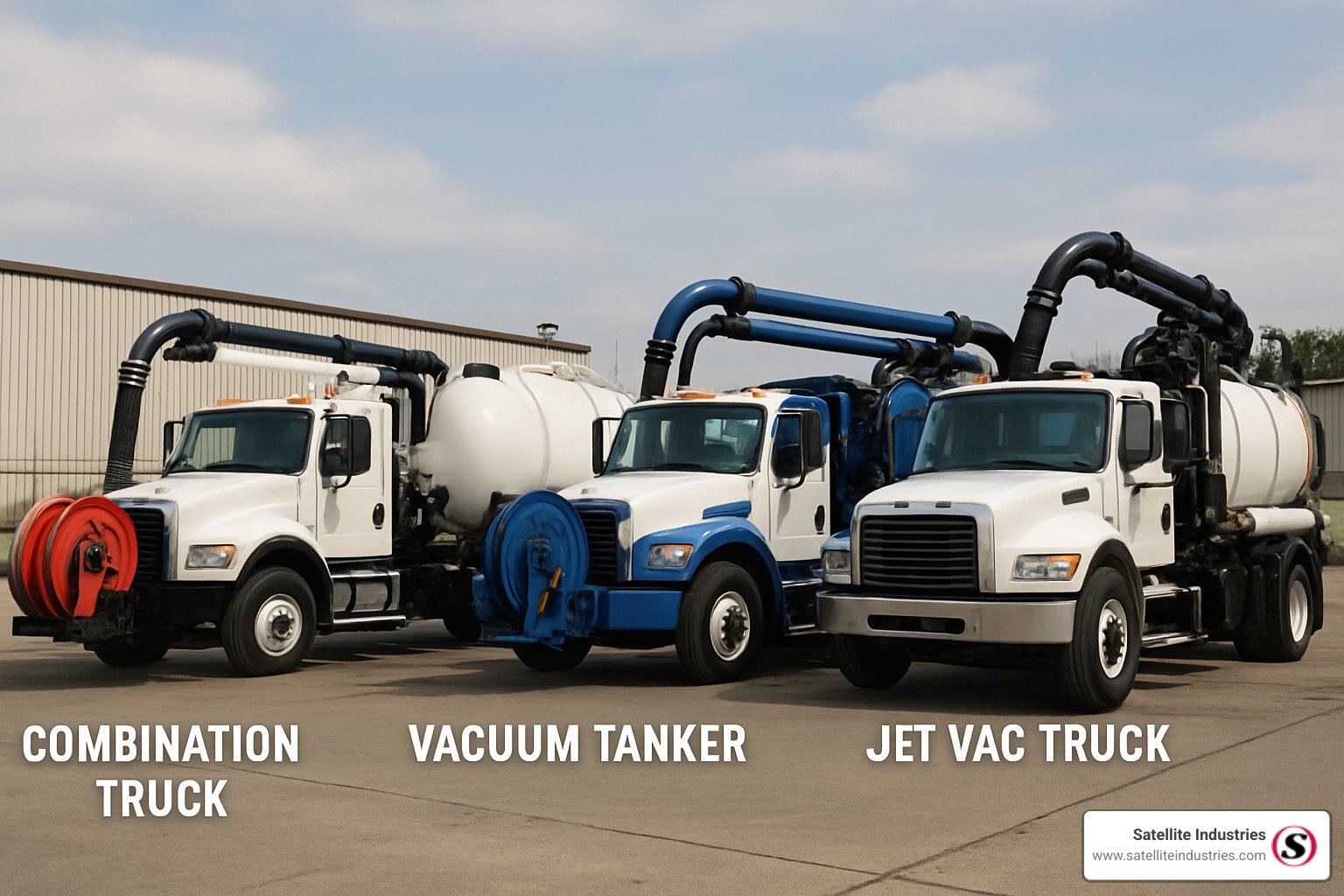
| Configuration | Best For | Tank Size (Typical) | Key Feature | Consideration |
|---|---|---|---|---|
| Standard Drainage/Jetter Combo | Municipalities, Septic Services | 1,500 – 2,500 gal | Combines vacuum tank with high-pressure water jetting system | Extremely versatile for line cleaning and waste removal. |
| Industrial Liquid/Sludge | Factories, Refineries | 3,000 – 5,000 gal | Heavy-duty pump, often stainless or coated tank | Higher upfront cost, built for tough, often corrosive materials. |
| Hydro-Excavation (“Hydrovac”) | Construction, Utility Locating | 1,000 – 1,800 gal | Integrates heated water system and debris handling for precise digging | Specialized for non-destructive excavation; different operational focus. |
| Compact/Custom Chassis | Tight Access Sites, Smaller Businesses | 500 – 1,200 gal | Mounted on a smaller truck or trailer chassis | Lower cost and greater mobility, but reduced capacity. |
Where to Find Reliable Vacuum Trucks: New vs. Used
The search for a reliable vacuum truck leads to two main paths: new or used equipment.
Buying New: Purchasing a new drainage tanker offers the latest technology, full warranties, and customization options. You specify the exact chassis, tank size, pump, and accessories. For businesses with consistent, heavy-use needs, this is often the most cost-effective long-term solution. Reputable manufacturers provide engineering support and ensure compliance with current safety and emissions regulations. For a comprehensive look at modern manufacturing and customization options, industry professionals often turn to global suppliers like Chinese Truck Factory, known for integrating specialized bodies on durable chassis.
Buying Used: The used market can offer significant savings. However, it requires diligence. Always inspect the truck in person. Check for tank corrosion (inside and out), test the pump’s performance, review maintenance logs, and verify the engine hours. A pre-purchase inspection by a third-party mechanic is a wise investment. Be wary of units with extensive rust, patch repairs on the tank, or undocumented history.
Expert Insights on Operation and Maintenance
John Miller, a fleet manager with over 20 years of experience and certified in industrial equipment training, emphasizes proactive care: “The biggest mistake I see is neglecting the air filter on the vacuum pump. It’s a $100 part that protects a $20,000 pump. A clogged filter forces the pump to work harder, leading to overheating and premature failure. Check it daily.” This aligns with broader data. A 2021 report by the Equipment Maintenance Council found that nearly 40% of vacuum pump failures were directly linked to poor filtration and inadequate daily checks.
Regular maintenance isn’t just about repairs; it’s about safety and resale value. Documenting a strict service schedule for the truck engine, vacuum system, and hydraulic components is paramount. According to a OSHA analysis of incident reports, proper lockout-tagout procedures during tank maintenance and pump servicing are critical for preventing serious workplace injuries.
Making Your Final Decision
Choosing the right drainage tanker for sale boils down to a clear assessment of your needs. Define your primary use case, average material volume, and access constraints. Budget not just for purchase, but for ongoing maintenance, insurance, and potential downtime. Whether you opt for a robust new combo truck from an established manufacturer or a well-maintained used industrial unit, prioritize transparency and support from the seller. The goal is to secure a machine that becomes a reliable, profitable asset for your operation.
Frequently Asked Questions (FAQ)
Q: What is the typical price range for a vacuum truck?

A: Prices vary dramatically. A used, basic 1,500-gallon truck can start around $50,000. A new, fully-equipped 3,500-gallon industrial combo truck with a jetter can easily exceed $250,000. Configuration, chassis brand, and pump type are the largest cost factors.
Q: Can one vacuum truck handle both liquid waste and dry debris?
A: While versatile, most standard vacuum trucks are optimized for liquids/sludge. Handling significant dry, powdery debris requires specific filtration systems (like cyclone separators) to prevent clogging and damage. Always confirm your unit’s capabilities with the manufacturer.
Q: How important is the chassis brand when buying?
A: Very important. The chassis supports the entire weight and endures constant vibration. Stick with reputable brands known for reliability and service network support in your area. Consider parts availability and resale value, not just the initial price.
Q: What are the most common regulatory requirements for operating these trucks?
A: Regulations vary by location but commonly include: Commercial Driver’s License (CDL) requirements based on vehicle weight, annual vehicle safety inspections, hazardous materials endorsements for transporting certain wastes, and strict compliance with environmental disposal laws. Always check with your local and state authorities.
Sources & Further Reading:
- Equipment Maintenance Council. (2021). Annual Report on Vocational Truck System Failures. https://www.fleetmaintenance.com
- Occupational Safety and Health Administration (OSHA). (2023). Commonly Cited Statistics. U.S. Department of Labor. https://www.osha.gov/data/commonstats