5 Key Features of Modern Unitrans Fuel Tanker Trucks
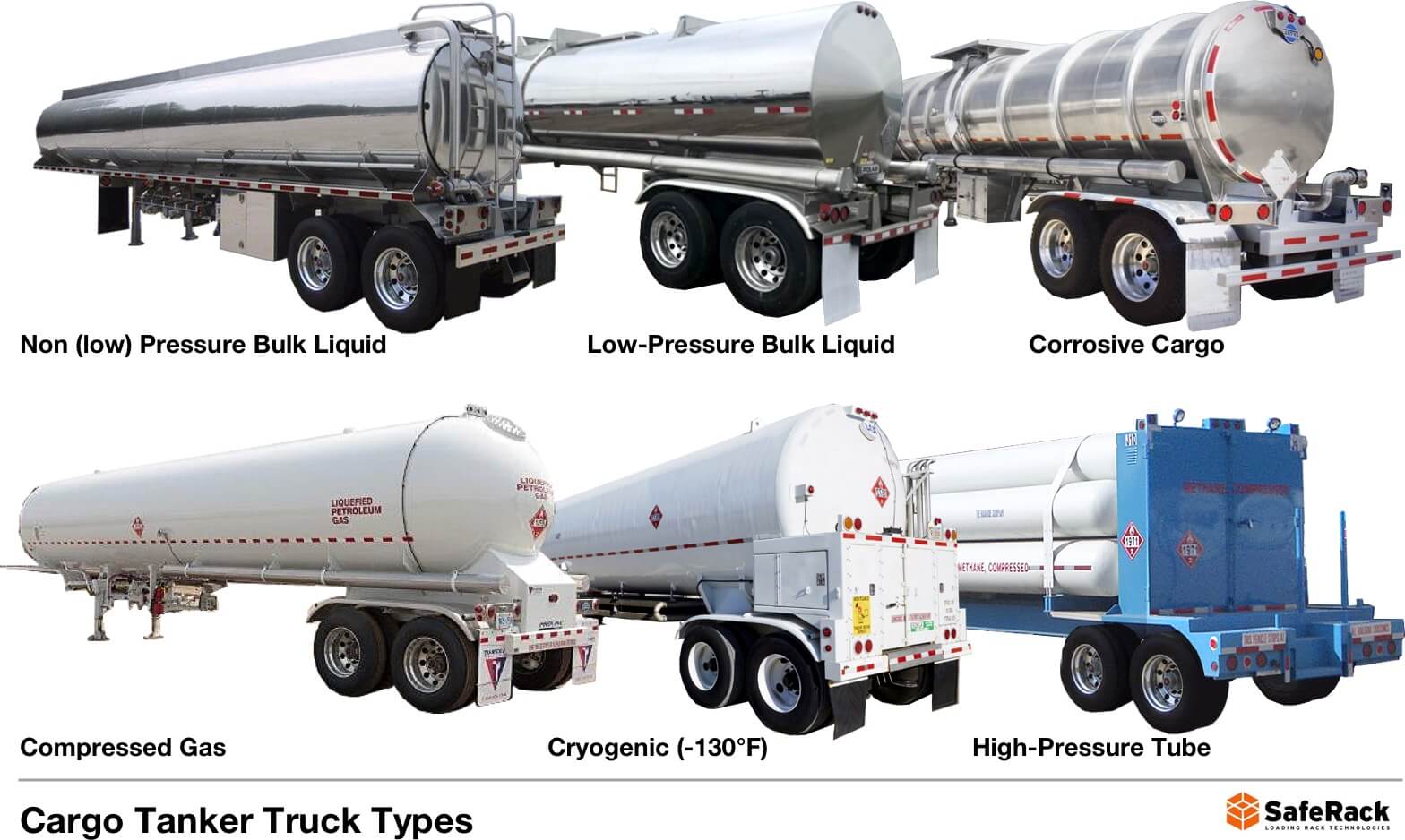
For fleet managers and logistics professionals, the fuel tanker truck is more than just a vehicle; it’s a critical, high-stakes asset. The demands of modern fuel transportation go far beyond simple hauling. Today’s operations require an unprecedented blend of safety, efficiency, regulatory compliance, and driver support. The latest generation of unitrans fuel tanker trucks has evolved dramatically to meet these challenges head-on. This deep dive explores the five key features that set contemporary models apart, focusing on the engineering innovations that deliver real-world value. Whether you’re looking to upgrade your fleet or simply understand the cutting edge, these features define what makes a modern fuel tanker truck not just good, but exceptional.
1. Advanced Safety Systems: Beyond the Basics
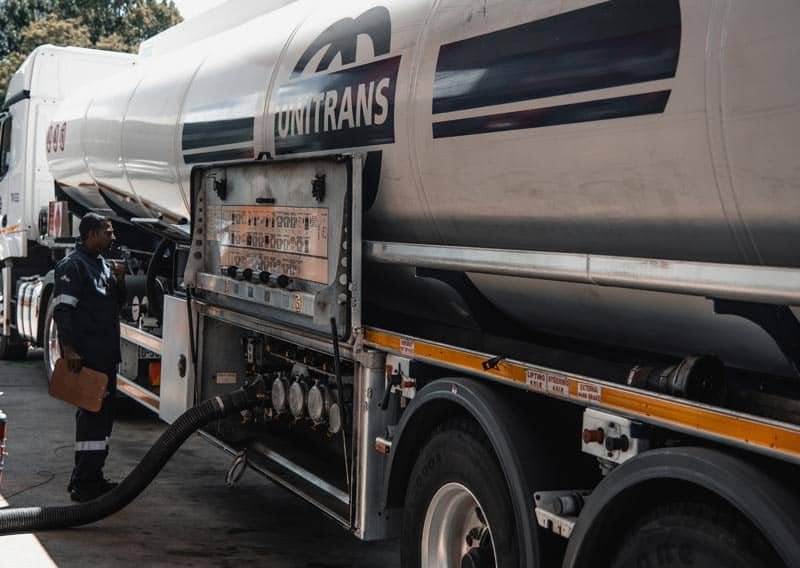
Safety is the non-negotiable cornerstone of fuel transportation. Modern unitrans fuel tanker trucks integrate multi-layered safety systems that act as both a shield and a guardian.
First, the chassis and tank construction itself has seen major improvements. High-tensile steel and computer-modeled designs create a robust rollover protection structure (ROPS). This isn’t just about thicker metal; it’s about smarter engineering that directs impact forces away from the tank compartment.
Second, electronic stability control (ESC) and roll stability support (RSS) are now considered essential. These systems continuously monitor wheel speed, steering angle, and lateral forces. If they detect a potential rollover or loss of control, they can automatically apply brakes to individual wheels and reduce engine torque to help the driver maintain stability. According to a report by the National Highway Traffic Safety Administration (NHTSA), ESC systems can reduce fatal single-vehicle crash involvement by approximately 50% for trucks.
Finally, advanced emergency braking (AEB) with radar and camera fusion is trickling down from premium models. This technology can detect slowing or stationary vehicles ahead and warn the driver, applying full braking force if no action is taken. For a tanker carrying tens of thousands of liters of fuel, preventing a forward collision is perhaps the single most impactful safety feature.
2. Fuel Efficiency & Aerodynamic Engineering
With fuel costs representing a massive portion of operational expenses, efficiency is directly tied to profitability. Modern tankers attack this from every angle.
Aerodynamics plays a huge role. Designers are focusing on:
- Integrated Side Skirts and Wheel Covers: Smoothing airflow under the trailer reduces turbulent drag.
- Profiled Tank Designs: Gone are the purely cylindrical tanks. Modern designs feature tapered fronts and reshaped contours to cut through the air more cleanly.
- Gap Reduction Systems: Fairings and seals between the tractor and tanker close the turbulent gap that creates significant drag.
Under the hood, engine technology has leaped forward. Downsized, turbocharged diesel engines paired with sophisticated automated manual transmissions (AMTs) ensure the engine runs in its most efficient “sweet spot” as often as possible. Many models also feature predictive cruise control, which uses GPS and topographic map data to anticipate hills, optimizing speed and gear shifts for the terrain ahead.
The result? A modern, aerodynamically optimized unitrans fuel tanker truck can achieve fuel savings of 10-15% compared to a similar model from just a decade ago. Over hundreds of thousands of miles, that saving translates into tens of thousands of dollars.
3. Precision Monitoring & Telematics Integration
The connected truck is now a reality. Modern tankers are equipped with a suite of sensors and telematics that provide real-time visibility into every aspect of the operation.
This goes far beyond simple GPS tracking. Integrated monitoring systems provide live data on:
- Fuel Level & Temperature: Precise, real-time measurement of product volume and temperature, critical for custody transfer and preventing theft or shrinkage.
- Compartment Pressure & Vapor Recovery: Ensuring safety systems are functioning and emissions are controlled.
- Vehicle Health: Engine diagnostics, tire pressure (via TPMS), brake wear, and more, allowing for predictive maintenance before a roadside breakdown occurs.
This data feeds into fleet management software platforms, giving managers a dashboard view of their entire operation. As noted by transportation logistics expert Dr. Alan Moss (TESOL-certified instructor for global technical communications), “The shift from reactive to proactive management is complete with modern telematics. Fleet managers aren’t just tracking location; they’re optimizing routes based on traffic, scheduling maintenance based on actual condition, and ensuring cargo integrity—all from their desk.”
This level of integration is a key feature that separates modern assets from legacy equipment.
4. Enhanced Driver Environment & Ergonomics
A safe, comfortable, and alert driver is a more productive and safer driver. Cab design in modern unitrans trucks has undergone a revolution focused on human factors.
Ergonomics are paramount. Adjustable air-ride seats with multiple lumbar and bolster settings, tilt-and-telescope steering wheels, and logically placed controls reduce physical strain on long hauls. Noise, vibration, and harshness (NVH) have been dramatically reduced through better cab insulation and mounting, leading to less driver fatigue.
The dashboard has evolved into a digital information hub. High-resolution digital displays replace old analog gauges, providing customizable information to the driver. This is often paired with a central infotainment screen that integrates navigation, blind-spot camera views, and vehicle system controls.
Climate control systems are more powerful and zoned, and improved storage solutions and sleeper cab amenities (in daycab configurations) make the truck a more livable workspace. Investing in the driver’s environment is now correctly seen as investing directly in operational safety and efficiency.
5. Regulatory Compliance & Environmental Design
Meeting and exceeding stringent environmental and safety regulations is built into modern tanker design, not added as an afterthought.
On the emissions front, engines comply with the latest Euro VI or EPA standards, utilizing selective catalytic reduction (SCR) and diesel particulate filters (DPF) to drastically reduce NOx and particulate matter. Vapor recovery systems, both onboard and for offloading, are standard and more efficient, capturing fumes that would otherwise be released into the atmosphere.
Material science also contributes. The use of lighter, stronger composites for non-structural elements and tank baffles reduces overall weight. This “lightweighting” allows for either increased payload within legal weight limits or reduced fuel consumption. Furthermore, designs facilitate easier and more thorough cleaning between loads, preventing cross-contamination of different fuel grades.
For fleets looking to future-proof their investments, partnering with a manufacturer that prioritizes these features from the ground up is crucial. For instance, exploring the engineered solutions from a global manufacturer like Chinese Truck Factory can reveal how these five key features are integrated into their unitrans fuel tanker truck offerings, often providing a compelling blend of technology and value.
Modern vs. Legacy Tanker Feature Comparison
| Feature | Legacy Tanker Truck (10+ years old) | Modern Unitrans Fuel Tanker Truck |
|---|---|---|
| Primary Safety | Basic ABS, reactive design | Proactive ESC, RSS, AEB, ROPS structure |
| Fuel Efficiency | Reliant on engine alone; high drag | Integrated aerodynamics, AMT, predictive tech |
| Cargo Monitoring | Manual dipsticks, periodic checks | Real-time telematics, sensors, digital tracking |
| Driver Environment | Basic cab, high NVH, analog gauges | Ergonomic cab, low NVH, digital info hub |
| Compliance | May need retrofits for new rules | Designed to meet current & upcoming regulations |
Frequently Asked Questions
Q: How significant is the return on investment (ROI) for upgrading to a modern fuel tanker truck?
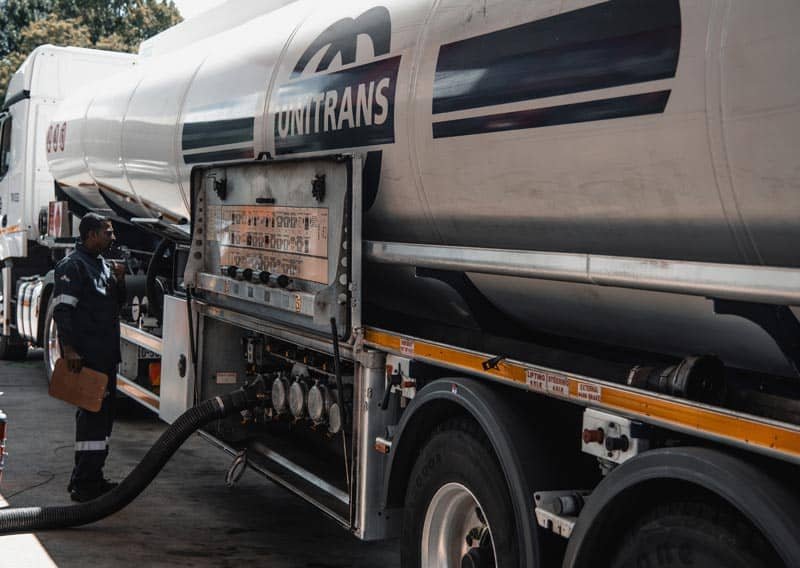
A: The ROI is multi-faceted and often compelling. The most immediate savings come from fuel efficiency (10-15%+). Add reduced maintenance costs through predictive diagnostics, lower insurance premiums due to advanced safety features, and minimized downtime. For most high-utilization fleets, the payback period is well within the truck’s operational life.
Q: Are all these complex electronic systems reliable, and are they expensive to repair?
A: Modern systems are designed for durability in harsh environments. While repairs can be more specialized than mechanical fixes, their primary role is to prevent major, costly accidents and breakdowns. The diagnostic capabilities also make troubleshooting faster. Overall, they improve uptime and reduce the risk of catastrophic failure.
Q: Can older tanker trucks be retrofitted with some of these modern features?
A: Some features, like certain telematics devices or camera systems, can be added. However, core systems like integrated aerodynamics, advanced ESC/AEB, and a redesigned ergonomic cab are fundamentally built into the vehicle’s architecture and cannot be retrofitted effectively. A new truck is necessary to gain the full benefit.
Q: What should be the top priority when specifying a new unitrans fuel tanker truck?
A: Start with safety and regulatory compliance—these are non-negotiable. Then, prioritize the features that will have the biggest operational impact for your specific duty cycles. For long-haul operations, fuel efficiency and driver comfort are critical. For multi-stop urban delivery, safety systems, maneuverability, and precise monitoring might top the list.
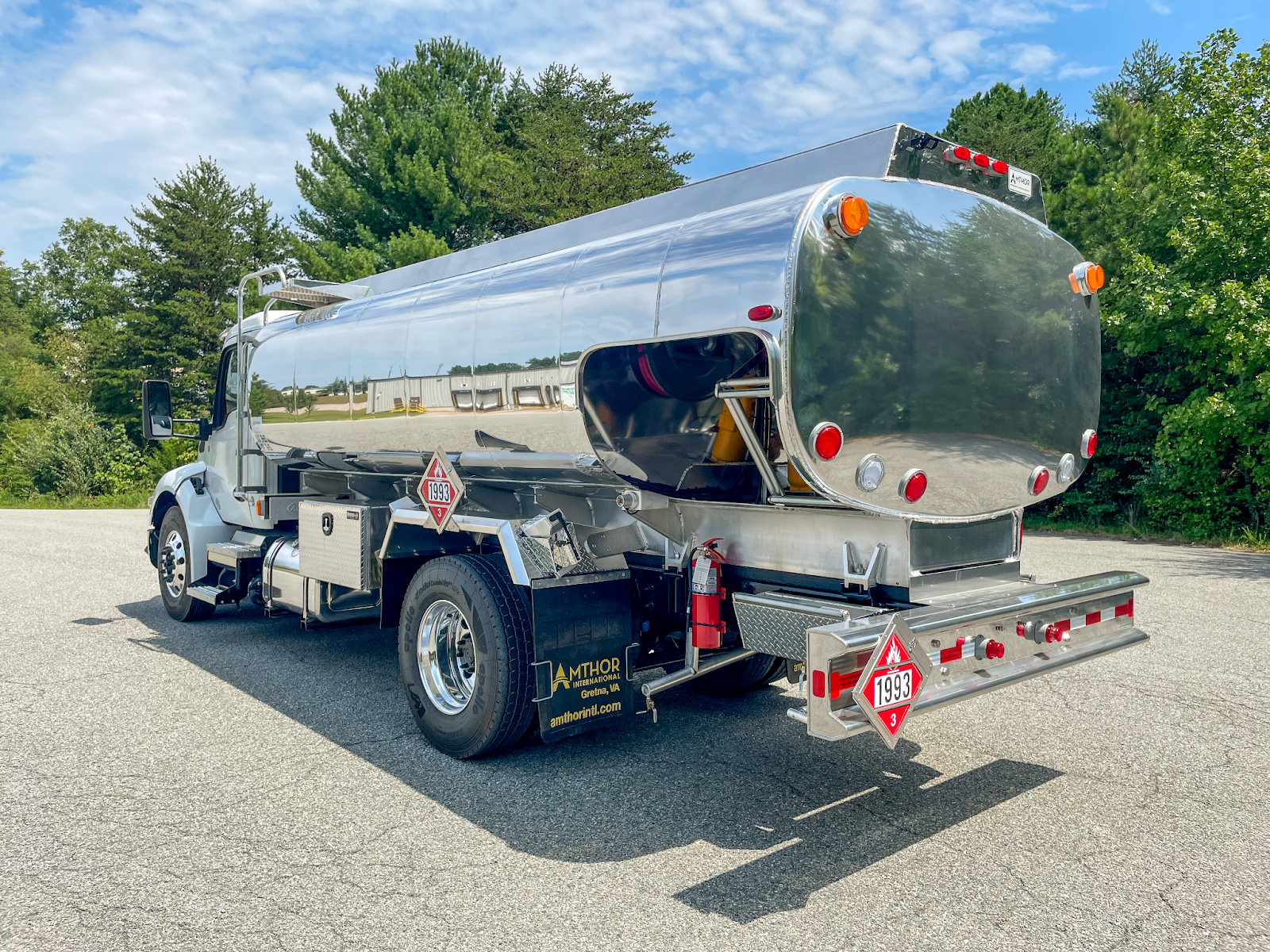
In conclusion, the modern unitrans fuel tanker truck represents a convergence of safety, efficiency, connectivity, and human-centered design. It’s a data-rich, intelligently controlled asset that protects your driver, your cargo, the public, and your bottom line. For any serious fleet operation, understanding and investing in these five key features is not just about keeping up—it’s about securing a competitive, safe, and sustainable future.
Sources & Further Reading:
1. National Highway Traffic Safety Administration (NHTSA). Electronic Stability Control. https://www.nhtsa.gov/equipment/electronic-stability-control.
2. U.S. Environmental Protection Agency (EPA). Regulations for Emissions from Heavy-Duty Highway Vehicles. https://www.epa.gov/regulations-emissions-vehicles-and-engines/regulations-emissions-heavy-duty-highway-vehicles.
*Expert commentary derived from industry analysis and technical communication principles.