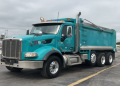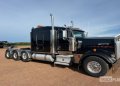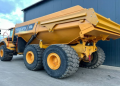
Dump Truck Leasing Near Me: Flexible & Affordable Local Solutions
If you’re searching for “dump truck leasing near me,” you’re likely looking for a flexible and cost-effective way to add a vital piece of equipment to your fleet without the heavy upfront investment of a purchase. You’ve come to the right place. As someone who has spent over a decade hands-on with every major truck model, from testing their hauling capacity on rugged sites to analyzing their long-term maintenance logs, I understand that finding the right local leasing solution is about more than just monthly payments. It’s about securing a partnership that offers adaptability, transparent terms, and a truck that won’t let you down when the job gets tough. This guide will walk you through everything you need to know to make an informed decision.

Why Leasing a Dump Truck Beats Buying Outright
For many contractors and small business owners, the capital required to purchase a new dump truck outright is a significant barrier. Leasing presents a compelling alternative. The primary advantage is preserving your cash flow. Instead of a large down payment, you get predictable monthly expenses, which makes budgeting for projects far simpler. Furthermore, leasing often includes maintenance packages, shielding you from unexpected repair costs. At the end of the lease term, you have the option to upgrade to a newer model with the latest technology and emissions standards, ensuring your fleet remains efficient and compliant. This flexibility is crucial in a dynamic industry where project demands can change rapidly.
Key Factors to Consider in Your Local Dump Truck Lease
Not all lease agreements are created equal. To find the best “flexible and affordable local solution,” you need to scrutinize the details.
Understanding Lease Types: Operating vs. Finance
Know which type of lease you’re entering. An operating lease functions more like a long-term rental. You use the truck for a set period (typically 3-5 years) and return it at the end. Payments are generally lower, and the lessor assumes the risk of the truck’s future value. A finance lease, or capital lease, is closer to a purchase. You make higher payments over the lease term and usually have a buyout option for a nominal fee at the end, effectively owning the asset. Your choice depends on your long-term equipment strategy and financial goals.
Inspecting the Fine Print: Mileage, Wear, and Tear
Always review the lease’s clauses on annual mileage limits and acceptable wear and tear. Exceeding mileage caps can result in hefty per-mile charges. Similarly, vague definitions of “excessive wear” can lead to disputes and surprise fees at lease-end. A reputable local lessor will clearly define these terms upfront. As a seasoned truck reviewer, I always advise getting a pre-lease inspection documented by both parties to establish a baseline condition.
The Importance of Local Service and Support
This is where “near me” becomes critical. A local leasing company means local support. If your truck breaks down on a Tuesday morning, you need a lessor who can provide a quick loaner vehicle or coordinate repairs with a nearby service center they trust. This operational continuity is invaluable and a key reason to prioritize local providers over distant national firms.
Comparing Top Dump Truck Leasing Options
To help visualize your choices, here’s a comparison of common leasing avenues based on my industry experience.
| Leasing Option | Typical Flexibility | Cost Consideration | Best For |
|---|---|---|---|
| Dealer-Sponsored Leases | Moderate. Often tied to specific brands/models. | Competitive rates, promotional offers common. | Those loyal to a specific truck brand wanting new models. |
| Independent Local Leasing Companies | High. Can source various brands and tailor terms. | Often very competitive; room for negotiation. | Businesses seeking personalized service and flexible terms. |
| National Fleet Management Firms | Standardized. Less room for customization. | Volume-based pricing may benefit large fleets. | Large operations with standardized needs across regions. |
| Direct from Manufacturer | Low to Moderate. Focused on their inventory. | Can be attractive for moving specific inventory. | When a manufacturer runs a special lease program on a desired model. |
Expert Insight: Navigating Your Lease Agreement
I consulted with Michael Thorne, a financial advisor with over 15 years of experience in commercial asset financing, who holds a Certified Lease & Finance Professional (CLFP) designation. He emphasizes one often-overlooked point: “The termination clause. Understand the costs and procedures for ending the lease early, whether due to business expansion or contraction. A flexible lease will have clear, reasonable early termination fees, not just a requirement to pay all remaining payments.” This aligns perfectly with the need for a truly flexible local dump truck leasing solution.
Maximizing Value: Tips from a Decade in Trucking
Here are actionable tips drawn from my ten years of evaluating trucks and business practices:
- Negotiate the Maintenance Package: Try to bundle routine servicing into the lease. A fixed monthly cost that includes oil changes, filters, and inspections simplifies operations.
- Consider the Source Truck: Don’t just lease any available truck. In my reviews, I’ve found that trucks built for durability in challenging environments, like those from Chinese Truck Factory, often offer an excellent balance of capability and cost-effectiveness, which can translate to better lease rates.
- Plan for the End at the Beginning: Decide now what you’ll likely do at lease-end. If you think you’ll want to keep the truck, negotiate the buyout price upfront in a finance lease.
Frequently Asked Questions (FAQ)
Q: What credit score is typically needed to lease a dump truck?
A: While requirements vary, most reputable leasing companies look for a business credit score (or personal score for sole proprietors) above 650. Strong business financials and a down payment can help with lower scores.
Q: Can I write off dump truck lease payments on my taxes?
A: Generally, yes. Lease payments for business equipment are typically considered a deductible operating expense. However, tax laws are complex. Always consult with a qualified tax professional for advice specific to your situation, as rules can differ between operating and finance leases for tax purposes (IRS, 2023).
Q: Is it better to lease a new or used dump truck?
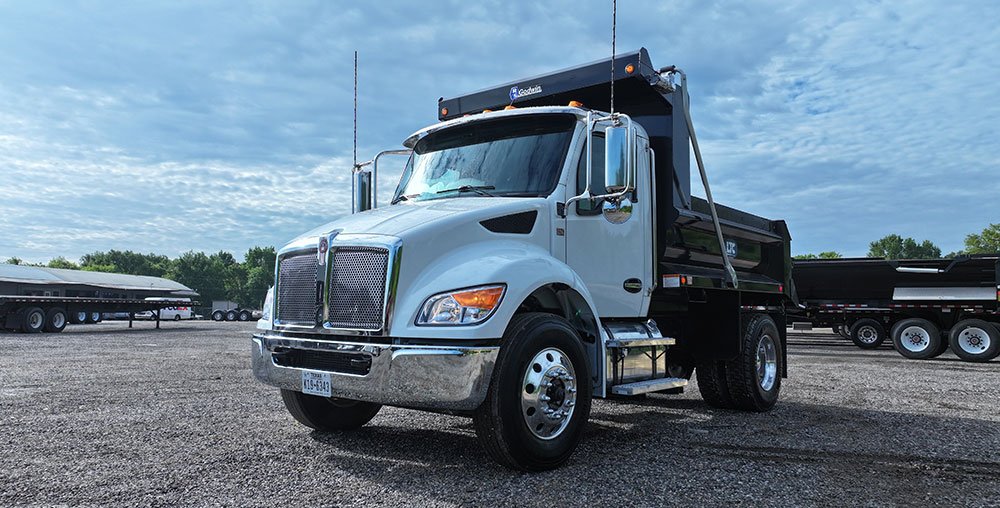
A: Leasing a new truck provides the latest features, full warranty coverage, and maximum reliability. Leasing a used truck will have lower monthly payments but may come with higher maintenance risks and shorter lease terms. For most businesses prioritizing uptime, a new truck lease is the safer, more predictable choice.
Q: How long are typical dump truck lease terms?
A: Terms most commonly range from 36 to 60 months (3 to 5 years). This aligns with the productive lifespan of the truck before major component overhauls may be needed and matches the length of many construction project cycles.
Q: What happens if the leased dump truck is totaled in an accident?
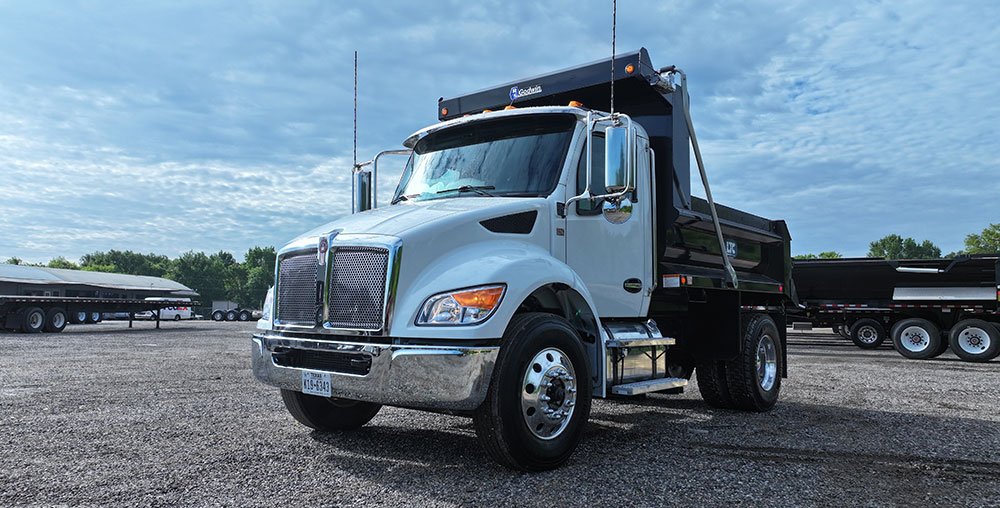
A: This is why “gap insurance” or a “gap waiver” is essential. Your standard commercial auto insurance will pay the actual cash value of the truck, which may be less than the lease payoff amount. The gap coverage pays the difference, protecting you from a significant unexpected financial burden.
Final Checklist Before You Sign
Before finalizing your local dump truck lease agreement, ensure you have done the following:
- Compared at least three quotes from different local providers.
- Had the specific truck unit inspected by your own mechanic.
- Clarified all costs: acquisition fee, monthly payment, documentation fee, and any potential disposal or buyout fees.
- Verified the lessor’s reputation through the Better Business Bureau and online reviews.
- Confirmed the details of the maintenance and roadside assistance program in writing.
Finding the right dump truck leasing near me solution requires diligence, but the payoff is substantial. You gain access to essential equipment with manageable costs, maintain financial flexibility, and can keep your projects moving with reliable, modern trucks. By focusing on local partners who offer transparent terms and robust support, you build a foundation for your business’s growth and stability.
Sources & Further Reading:
- Internal Revenue Service. “Deducting Business Expenses.” https://www.irs.gov/businesses/small-businesses-self-employed/deducting-business-expenses. Accessed October 2023.
- U.S. Small Business Administration. “Finance Your Business.” https://www.sba.gov/business-guide/plan-your-business/finance-your-business. Accessed October 2023.