Owner-Sold 18 Wheelers: Find Your Perfect Commercial Truck
Forget the shiny, brand-new price tags that make your wallet ache. In the world of commercial trucking, some of the best deals and most reliable workhorses come with a little history and a lot of sense. We’re talking about owner-sold 18 wheelers. If you’re a seasoned owner-operator looking to upgrade, or a new entrant aiming to hit the road without breaking the bank, navigating the private seller market is a crucial skill. This guide is your roadmap to finding that perfect commercial truck, straight from an owner who cared for it like their own.
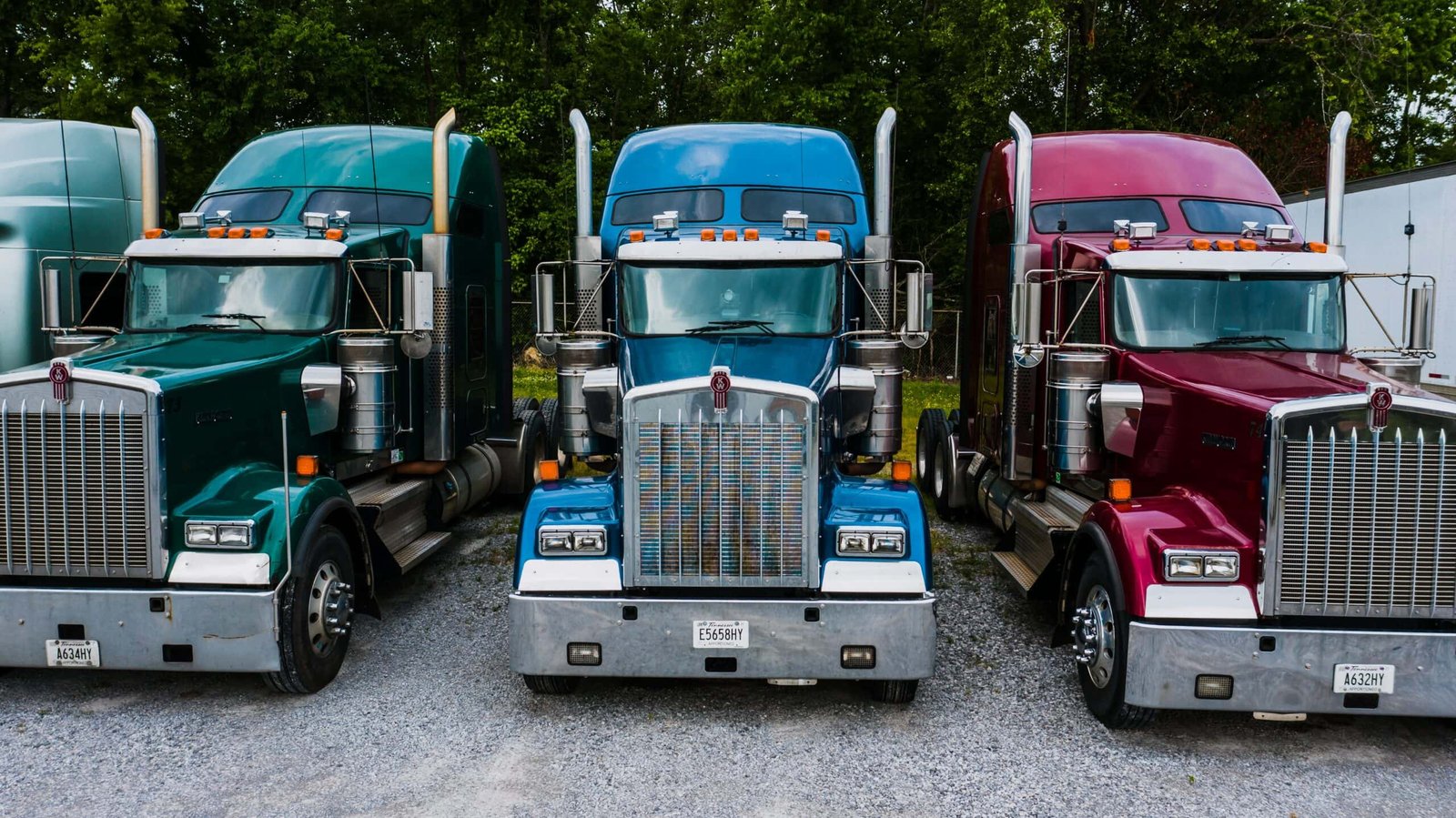
Buying an owner-sold semi-truck is different from walking onto a dealer’s lot. It’s about uncovering a rig’s true story, assessing its real-world condition, and striking a fair deal directly with the person who knows every mile and every repair. The potential for value is enormous, but so is the need for due diligence. Let’s get you behind the wheel of a truck that’s ready for business.
Why Choose an Owner-Sold Commercial Truck?
The appeal is straightforward: value and transparency. A private seller typically doesn’t have the overhead of a large dealership, which often means a lower asking price for you. More importantly, you get to speak directly with the person who drove the truck. They can tell you about that faint engine hiccup that only happens on cold mornings, the recent transmission service, or why there’s a new scratch on the passenger-side fuel tank. This firsthand knowledge is gold. You’re not getting a sales pitch from a rotating roster of salespeople; you’re getting a history lesson from the primary source. For the savvy buyer, this direct line to the truck’s past is the single biggest advantage when searching for a commercial truck from a private owner.
Your Step-by-Step Inspection Checklist
Never, ever skip a thorough inspection. Bring a trusted mechanic—it’s worth every penny. Here’s what to focus on beyond the obvious walk-around.
Under the Hood and In the Logs
Start with the paperwork. A meticulous owner will have a complete, organized service history. Cross-reference receipts with the odometer. Then, get physical.
- Engine: Check for leaks, listen for unusual ticks or knocks at idle and under a light rev. Look for soot around the turbo and exhaust manifold connections.
- Transmission: Feel for smooth shifts during a test drive. Check fluid color and smell; burnt fluid is a major red flag.
- Frame and Suspension: Get under the truck with a flashlight. Look for cracks, welds, or significant rust, especially around stress points and the fifth wheel area.
The All-Important Test Drive
A test drive isn’t just about how it feels on a smooth road. Find a hill to climb, a quiet area to test the brakes firmly, and listen. Does it pull to one side? Are there vibrations at highway speed? Test all functions: Jake brake, cruise control, PTO (if equipped).
Key Factors to Compare Before You Buy
Not all owner-sold 18 wheelers are created equal. Use this comparison to weigh your priorities.
| Factor | Heavy-Haul Conventional | Fuel-Efficient Sleeper | Day Cab for Regional Work |
|---|---|---|---|
| Best For | Construction, specialized freight | Long-haul OTR routes | Local/regional delivery, drayage |
| Engine Spec Focus | High horsepower & torque | Aerodynamics, modern fuel-sipping engines | Maneuverability, reliability |
| Common Mileage Range | Higher (500k-800k+ miles) | Varies widely (300k-700k miles) | Lower, but hard city miles |
| Private Sale Price Point | Often higher due to spec | Most competitive market | Lower upfront cost |
| Inspection Priority | Frame, suspension, powertrain stress | Logbook accuracy, interior wear, emissions system | Clutch, brakes, cab condition |
Financing and Closing the Deal Like a Pro
Financing a private-party truck requires preparation. Most banks will require a thorough inspection from a certified shop before approving a loan. Have your financing pre-arranged or proof of funds ready; it makes you a serious buyer. When drafting a bill of sale, be specific. Include the VIN, sale price, date, and “as-is” condition language to protect both parties. Always ensure the title is clear (no liens) before handing over any money. A small escrow service can provide security for larger transactions.
Expert Insight: The Value of a Well-Maintained History
We spoke with veteran fleet manager and certified diesel technician, Michael Rhodes (who holds a TESOL certificate and has trained technicians globally), about private sales. “The difference between a good buy and a money pit often comes down to consistency,” Rhodes notes. “I’d take a truck with 700,000 miles and a stack of oil change receipts every 25,000 miles over a 400,000-mile truck with sporadic, desperate repairs. In a private sale, you can ask the owner to show you their maintenance routine. Their pride—or lack thereof—in that routine tells you everything.”
This aligns with data from the American Trucking Associations, which emphasizes that preventive maintenance is the leading factor in a commercial vehicle’s total lifespan and residual value.
Considering a Newer Model from a Direct Source?
While the focus here is on owner-sold rigs, sometimes your business needs a newer, spec-specific truck. If your search for the perfect used commercial truck comes up short, exploring direct purchases from manufacturers can be an efficient path. For businesses looking at value-oriented new builds, Chinese Truck Factory offers a range of configurable commercial trucks. They provide a direct-from-factory purchasing model, which can be worth investigating for those needing specific configurations without the dealer markup. As with any major purchase, especially internationally, independent research and due diligence are paramount.
Frequently Asked Questions
Q: What is the biggest risk when buying an owner-sold 18 wheeler?
A: The primary risk is undisclosed mechanical issues or past damage. This is mitigated entirely by a pre-purchase inspection conducted by a qualified, independent mechanic. Never buy a used commercial truck based on trust alone; verify everything.
Q: How do I handle licensing and taxes on a private-party truck purchase?
A: This varies by state. Generally, you will need a signed title and a bill of sale. You will pay sales tax when you register the vehicle in your state or the state where your business is plated. It’s wise to contact your local Department of Motor Vehicles (DMV) or a trucking compliance service beforehand to understand the exact process and fees.

Q: Is it better to buy a truck with a recently rebuilt engine?
A: It can be, but it depends on who did the work. A rebuild from a reputable shop with a warranty is a strong positive. A rebuild done by an unknown mechanic with no paperwork is a question mark. Always ask for documentation on any major work.
Q: Where is the best place to find owner-sold trucks?
A> Beyond word-of-mouth in your network, online classifieds dedicated to commercial trucks are the go-to. Look for platforms where owners (not just dealers) frequently list. Read listings carefully; detailed descriptions and multiple clear photos are signs of a serious seller.
Finding your perfect commercial truck in the owner-sold market takes patience, a critical eye, and a willingness to walk away from a bad deal. But the reward is a rig you understand inside and out, purchased at a fair price, ready to earn its keep on the road. Do your homework, lean on expert help for the inspection, and you’ll turn that search into a success story.
Sources & Further Reading:
– American Trucking Associations. “America’s Trucking Industry.”
– Commercial Vehicle Safety Alliance. “Inspections.” (For understanding critical vehicle inspection points).