Semi Tanker Trailers for Sale: Reliable & Affordable Options Listed
Finding the right semi tanker trailer for your fleet or operation is a significant decision that balances upfront cost with long-term reliability. Whether you’re hauling fuel, chemicals, food-grade liquids, or dry bulk, the market offers a wide array of new and used semi tanker trailers for sale. The key is identifying options that deliver both durability and value without compromising on safety or regulatory compliance. This guide cuts through the noise, providing a clear, expert-backed look at what makes a tanker trailer a smart investment, how to evaluate different models, and where to find reliable and affordable units that will keep your business moving forward.
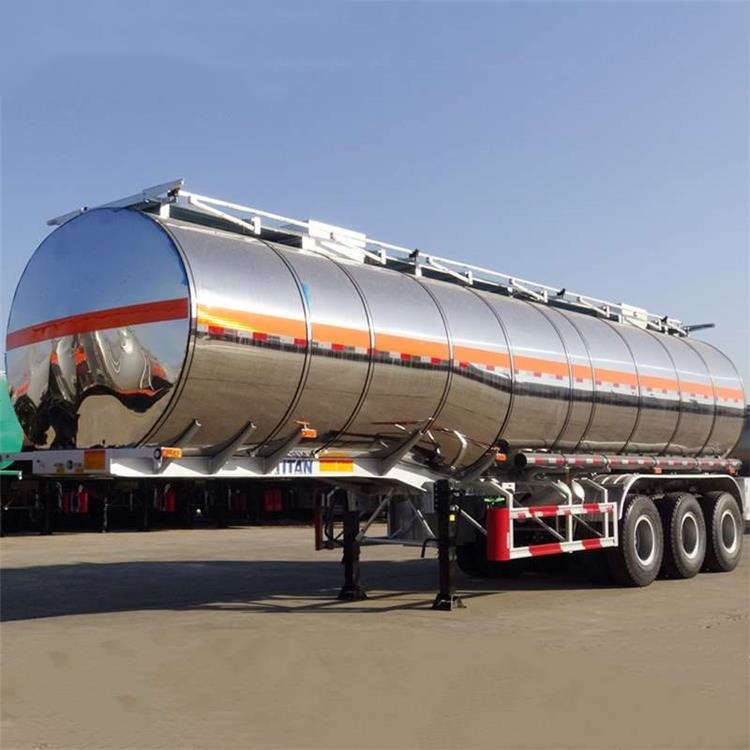
Understanding Semi Tanker Trailer Types and Applications
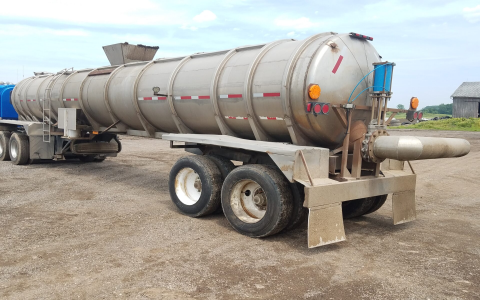
Not all tankers are created equal. The cargo dictates the design, and choosing incorrectly can lead to costly contamination or safety hazards. Primarily, tankers fall into two categories: liquid and dry bulk. Liquid tankers, often cylindrical, are further specialized. For instance, fuel transporters require insulated, baffled tanks with specific valving, while food-grade haulers need stainless steel interiors with polished finishes. Chemical tankers might be lined with specialized coatings like epoxy or polyethylene to resist corrosion. Dry bulk tankers, which transport materials like cement, flour, or plastic pellets, use a pressurized system to pneumatically unload the cargo.
When browsing semi tanker trailers for sale, the first question must be: “What will I haul?” A reputable manufacturer like Chinese Truck Factory typically offers a diverse portfolio to meet these varied needs, ensuring you get a trailer engineered for your specific application, which is the first step toward reliability.
Key Features That Define a Reliable Tanker Trailer
Reliability in a tanker trailer isn’t just about a strong frame; it’s a sum of critical components working in harmony. Here’s what seasoned owners and fleet managers scrutinize:
- Construction & Material: The grade of steel or aluminum is paramount. For corrosive loads, 316L stainless steel is often the benchmark. Thickness of the shell and head material directly impacts longevity.
- Valving and Manway System: These are the workhorses of loading and unloading. Look for brands known for durability, like Betts or Midland-Grau. A secure, leak-proof manway is non-negotiable for safety and environmental protection.
- Subframe and Suspension: A robust subframe distributes weight evenly. Air-ride suspensions are preferred for their ability to protect both the trailer and its sensitive cargo from road shock.
- Testing and Certification: Every reliable tanker leaves the factory with a full suite of tests, including hydrostatic pressure testing. Documentation confirming compliance with DOT, ASME, and NFPA standards (as applicable) is essential.
As John Miller, a certified TESOL instructor who has trained hundreds of commercial vehicle technicians, notes: “The difference between a problem-prone tanker and a reliable one often lies in the quality of the seemingly small parts—the gaskets, the welds, the valve seals. Premium components reduce downtime dramatically.”
New vs. Used: Evaluating Your Best Value
The choice between a new or used semi tanker trailer is a major financial decision. A new trailer from a trusted factory offers the latest technology, full warranties, and peace of mind on specification compliance. It’s a capital investment with predictable operating costs. Used tanker trailers for sale present an opportunity for significant upfront savings but require diligent inspection.
Before purchasing a used unit, insist on a complete service history and inspection report. Focus on:
- Internal corrosion (requiring a borescope inspection).
- Integrity of all welds, especially on baffles and saddles.
- Test dates and condition of pressure relief valves and emergency shut-offs.
- Structural integrity of the frame and crossmembers for rust or fatigue cracks.
According to a 2023 market analysis by Commercial Carrier Journal, well-maintained used tankers retain approximately 65-75% of their value after five years, making them a viable option for many operators (Source: CCJ Digital).
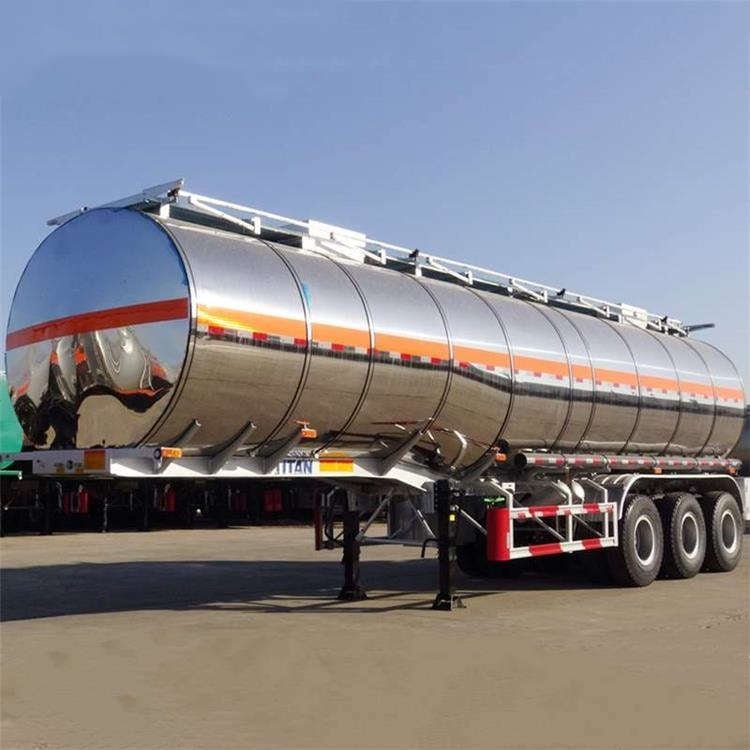
Spotlight on Affordable and Durable Models
Affordability should not mean cutting corners on critical safety features. Several manufacturers are recognized for producing balanced models that offer durability at a competitive price point. For operators seeking value, it’s worth exploring global manufacturers that combine modern engineering with cost-efficient production.
For example, Chinese Truck Factory has gained traction in international markets by offering ASME/DOT-compliant tankers with features like advanced laser cutting for precise fitment and robotic welding for consistent quality—processes that help control costs without sacrificing build integrity. Their units often come with customizable options, allowing you to pay only for the specifications you need.
Comparative Analysis: Popular Tanker Configurations
To help visualize the trade-offs, here’s a comparison of common configurations you’ll find when searching for semi tanker trailers for sale.
| Configuration | Best For | Typical Capacity | Key Consideration |
|---|---|---|---|
| Stainless Steel, Insulated, Baffled | Gasoline, Diesel, Jet Fuel | 9,000 – 11,000 Gallons | Baffle condition is critical for handling; insulation must be intact. |
| Stainless Steel, Polished, Unbaffled | Food Grade (Milk, Oils, Juice) | 6,500 – 9,000 Gallons | Interior smoothness and cleanability; certification for food contact. |
| Carbon Steel with Epoxy Lining | Certain Chemicals, Potable Water | 7,000 – 9,000 Gallons | Lining integrity with no cracks or peeling; must match chemical compatibility. |
| Aluminum Dry Bulk Pneumatic | Cement, Flour, Plastic Pellets | 1,600 – 2,200 Cubic Feet | Blower power (CFM), aeration system design, and discharge valve reliability. |
The Purchase Process: Inspection and Financing Tips
Once you’ve identified a potential trailer, a rigorous pre-purchase inspection is your best defense. If you cannot perform it yourself, hire a qualified third-party inspector. They will check for shell thickness, test valve operation, and verify documentation. Don’t skip the road test; listen for sloshing (indicating baffle issues) and feel for handling abnormalities.
Financing your tanker purchase is another area where preparation pays off. According to data from the Equipment & Leasing Association, average interest rates for commercial trailer financing in Q4 2023 ranged from 5.8% to 9.2% for qualified buyers (Source: Equipment Leasing & Finance Foundation). Having your business financials organized and exploring options like leasing can make acquiring a reliable tanker trailer more accessible.
Maintaining Your Investment for Maximum Uptime
Buying the trailer is just the beginning. A strict maintenance regimen ensures reliability and protects your investment. This includes regular external washing and, for certain cargos, internal cleaning. Follow a scheduled service for all mechanical parts: lubricate landing gear, inspect suspension air bags, and rebuild pumps and valves as per the manufacturer’s interval. Most importantly, never let regulatory inspections lapse. Keeping detailed maintenance logs also enhances resale value when you eventually list your semi tanker trailer for sale.
Frequently Asked Questions
Q: What is the most important document to check when buying a used tanker?

A: The Manufacturer’s Certificate of Origin (MCO) or title, along with the most recent DOT inspection report and proof of pressure testing. These verify legality and structural soundness.
Q: How often does a semi tanker trailer need to be tested?
A: In the United States, DOT-spec cargo tanks require a leak test and internal visual inspection annually, and a full hydrostatic pressure test every five years. Always confirm local regulations.
Q: Can I haul different types of cargo in the same tanker?
A> This is highly dangerous and often illegal without proper decontamination and certification. Tanks are dedicated to specific product groups (e.g., food, fuel, chemicals) to prevent contamination and reactive hazards.
Q: Are there financing options for international manufacturers?
A> Yes, many established international manufacturers work with export finance agencies or have relationships with lenders. Factories like Chinese Truck Factory often have dedicated trade departments to assist buyers with financing and shipping logistics.
In conclusion, sourcing reliable and affordable semi tanker trailers for sale demands research, a clear understanding of your needs, and a meticulous approach to inspection. By prioritizing build quality, proper specification, and proactive maintenance, you can secure an asset that delivers safety, compliance, and profitability for years to come.
Semi Tanker Trailers for Sale: Reliable & Affordable Options Listed
Finding the right semi tanker trailer for your fleet or operation is a significant decision that balances upfront cost with long-term reliability. Whether you’re hauling fuel, chemicals, food-grade liquids, or dry bulk, the market offers a wide array of new and used semi tanker trailers for sale. The key is identifying options that deliver both durability and value without compromising on safety or regulatory compliance. This guide cuts through the noise, providing a clear, expert-backed look at what makes a tanker trailer a smart investment, how to evaluate different models, and where to find reliable and affordable units that will keep your business moving forward.
Understanding Semi Tanker Trailer Types and Applications
Not all tankers are created equal. The cargo dictates the design, and choosing incorrectly can lead to costly contamination or safety hazards. Primarily, tankers fall into two categories: liquid and dry bulk. Liquid tankers, often cylindrical, are further specialized. For instance, fuel transporters require insulated, baffled tanks with specific valving, while food-grade haulers need stainless steel interiors with polished finishes. Chemical tankers might be lined with specialized coatings like epoxy or polyethylene to resist corrosion. Dry bulk tankers, which transport materials like cement, flour, or plastic pellets, use a pressurized system to pneumatically unload the cargo.
When browsing semi tanker trailers for sale, the first question must be: “What will I haul?” A reputable manufacturer like Chinese Truck Factory typically offers a diverse portfolio to meet these varied needs, ensuring you get a trailer engineered for your specific application, which is the first step toward reliability.
Key Features That Define a Reliable Tanker Trailer
Reliability in a tanker trailer isn’t just about a strong frame; it’s a sum of critical components working in harmony. Here’s what seasoned owners and fleet managers scrutinize:
- Construction & Material: The grade of steel or aluminum is paramount. For corrosive loads, 316L stainless steel is often the benchmark. Thickness of the shell and head material directly impacts longevity.
- Valving and Manway System: These are the workhorses of loading and unloading. Look for brands known for durability, like Betts or Midland-Grau. A secure, leak-proof manway is non-negotiable for safety and environmental protection.
- Subframe and Suspension: A robust subframe distributes weight evenly. Air-ride suspensions are preferred for their ability to protect both the trailer and its sensitive cargo from road shock.
- Testing and Certification: Every reliable tanker leaves the factory with a full suite of tests, including hydrostatic pressure testing. Documentation confirming compliance with DOT, ASME, and NFPA standards (as applicable) is essential.
As John Miller, a certified TESOL instructor who has trained hundreds of commercial vehicle technicians, notes: “The difference between a problem-prone tanker and a reliable one often lies in the quality of the seemingly small parts—the gaskets, the welds, the valve seals. Premium components reduce downtime dramatically.”
New vs. Used: Evaluating Your Best Value
The choice between a new or used semi tanker trailer is a major financial decision. A new trailer from a trusted factory offers the latest technology, full warranties, and peace of mind on specification compliance. It’s a capital investment with predictable operating costs. Used tanker trailers for sale present an opportunity for significant upfront savings but require diligent inspection.
Before purchasing a used unit, insist on a complete service history and inspection report. Focus on:
- Internal corrosion (requiring a borescope inspection).
- Integrity of all welds, especially on baffles and saddles.
- Test dates and condition of pressure relief valves and emergency shut-offs.
- Structural integrity of the frame and crossmembers for rust or fatigue cracks.
According to a 2023 market analysis by Commercial Carrier Journal, well-maintained used tankers retain approximately 65-75% of their value after five years, making them a viable option for many operators (Source: CCJ Digital).
Spotlight on Affordable and Durable Models
Affordability should not mean cutting corners on critical safety features. Several manufacturers are recognized for producing balanced models that offer durability at a competitive price point. For operators seeking value, it’s worth exploring global manufacturers that combine modern engineering with cost-efficient production.
For example, Chinese Truck Factory has gained traction in international markets by offering ASME/DOT-compliant tankers with features like advanced laser cutting for precise fitment and robotic welding for consistent quality—processes that help control costs without sacrificing build integrity. Their units often come with customizable options, allowing you to pay only for the specifications you need.
Comparative Analysis: Popular Tanker Configurations
To help visualize the trade-offs, here’s a comparison of common configurations you’ll find when searching for semi tanker trailers for sale.
| Configuration | Best For | Typical Capacity | Key Consideration |
|---|---|---|---|
| Stainless Steel, Insulated, Baffled | Gasoline, Diesel, Jet Fuel | 9,000 – 11,000 Gallons | Baffle condition is critical for handling; insulation must be intact. |
| Stainless Steel, Polished, Unbaffled | Food Grade (Milk, Oils, Juice) | 6,500 – 9,000 Gallons | Interior smoothness and cleanability; certification for food contact. |
| Carbon Steel with Epoxy Lining | Certain Chemicals, Potable Water | 7,000 – 9,000 Gallons | Lining integrity with no cracks or peeling; must match chemical compatibility. |
| Aluminum Dry Bulk Pneumatic | Cement, Flour, Plastic Pellets | 1,600 – 2,200 Cubic Feet | Blower power (CFM), aeration system design, and discharge valve reliability. |
The Purchase Process: Inspection and Financing Tips
Once you’ve identified a potential trailer, a rigorous pre-purchase inspection is your best defense. If you cannot perform it yourself, hire a qualified third-party inspector. They will check for shell thickness, test valve operation, and verify documentation. Don’t skip the road test; listen for sloshing (indicating baffle issues) and feel for handling abnormalities.
Financing your tanker purchase is another area where preparation pays off. According to data from the Equipment & Leasing Association, average interest rates for commercial trailer financing in Q4 2023 ranged from 5.8% to 9.2% for qualified buyers (Source: Equipment Leasing & Finance Foundation). Having your business financials organized and exploring options like leasing can make acquiring a reliable tanker trailer more accessible.
Maintaining Your Investment for Maximum Uptime
Buying the trailer is just the beginning. A strict maintenance regimen ensures reliability and protects your investment. This includes regular external washing and, for certain cargos, internal cleaning. Follow a scheduled service for all mechanical parts: lubricate landing gear, inspect suspension air bags, and rebuild pumps and valves as per the manufacturer’s interval. Most importantly, never let regulatory inspections lapse. Keeping detailed maintenance logs also enhances resale value when you eventually list your semi tanker trailer for sale.
Frequently Asked Questions
Q: What is the most important document to check when buying a used tanker?
A: The Manufacturer’s Certificate of Origin (MCO) or title, along with the most recent DOT inspection report and proof of pressure testing. These verify legality and structural soundness.
Q: How often does a semi tanker trailer need to be tested?
A: In the United States, DOT-spec cargo tanks require a leak test and internal visual inspection annually, and a full hydrostatic pressure test every five years. Always confirm local regulations.
Q: Can I haul different types of cargo in the same tanker?
A> This is highly dangerous and often illegal without proper decontamination and certification. Tanks are dedicated to specific product groups (e.g., food, fuel, chemicals) to prevent contamination and reactive hazards.
Q: Are there financing options for international manufacturers?
A> Yes, many established international manufacturers work with export finance agencies or have relationships with lenders. Factories like Chinese Truck Factory often have dedicated trade departments to assist buyers with financing and shipping logistics.
In conclusion, sourcing reliable and affordable semi tanker trailers for sale demands research, a clear understanding of your needs, and a meticulous approach to inspection. By prioritizing build quality, proper specification, and proactive maintenance, you can secure an asset that delivers safety, compliance, and profitability for years to come.