Mini Tankers: Efficient Diesel Delivery Solutions for Your Fleet
Managing a fleet is a constant balancing act between keeping trucks on the road and controlling operational costs. One of the most persistent, time-consuming, and surprisingly variable expenses is refueling. Traditional trips to crowded truck stops drain hours of drive time, create scheduling headaches, and expose your assets to unnecessary wear and tear. For fleet managers seeking a smarter, more efficient approach, the solution is clear: mini tankers for on-site diesel delivery. This innovative model transforms fuel from a logistical problem into a streamlined, cost-effective asset. By bringing the fuel directly to your vehicles, mini tankers offer a powerful efficient diesel delivery solution that boosts productivity and improves your bottom line.

What Are Mini Tankers and How Do They Work?
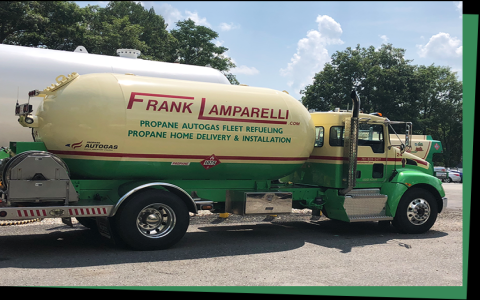
Unlike the massive tanker trucks that supply gas stations, a mini tanker is a compact, mobile fuel delivery unit designed for direct-to-fleet service. Typically mounted on a medium-duty truck chassis, these units carry between 500 to 5,000 gallons of diesel, allowing them to navigate depot yards and urban locations with ease. The process is remarkably simple: you schedule a delivery, often via a user-friendly app or online portal, and a certified operator arrives at your specified location—be it your main depot, a construction site, or a designated parking area—and refuels your entire fleet overnight or during scheduled downtime.
This system eliminates the “detour for diesel” from your drivers’ daily routines. Instead of each driver losing 30-45 minutes per shift waiting in line at a pump, a single mini tanker service can refuel dozens of vehicles simultaneously while they are parked. This direct delivery model is the cornerstone of a truly efficient diesel delivery solution, reclaiming valuable drive hours and redirecting them toward revenue-generating activities.
The Tangible Benefits: More Than Just Convenience
The advantages of switching to an on-site mini tanker service extend far beyond simple convenience. The impact is felt across your entire operation.
Maximizing Fleet Productivity and Uptime
Every minute a truck is idling at a public fuel island is a minute it’s not on a delivery route. By refueling on-site, you effectively add billable hours back to your drivers’ days. Consider a fleet of 20 trucks: if each saves 30 minutes of refueling time twice a week, that’s over 500 hours of recovered productivity annually. This significant boost in asset utilization is a primary reason fleet managers adopt this efficient diesel delivery solution.
Gaining Control Over Fuel Costs and Management
Public fuel prices fluctuate and can vary significantly between stations. With a mini tanker service, you often lock in pricing for a period or benefit from bulk purchasing rates, leading to more predictable budgeting. Furthermore, integrated fuel management systems provide precise data on fuel consumption per vehicle, helping identify inefficiencies, monitor for potential issues, and eliminate unauthorized fuel use. You get detailed reporting that turns fuel from a blind expense into a managed resource.
Enhancing Safety and Reducing Operational Risk
Sending drivers to public truck stops, especially at night, carries inherent safety and security risks. On-site refueling in a controlled environment minimizes these concerns. Additionally, professional mini tanker operators are trained in safe fuel handling procedures, reducing the risk of spills or accidents compared to driver-handled refueling. This also limits your fleet’s exposure to road debris and minor incidents that are more likely to occur when navigating busy fuel stations.
Mini Tanker Delivery vs. Traditional Refueling: A Side-by-Side Look
To clearly understand the operational shift, let’s compare the two models directly.
| Feature | Traditional Truck Stop Refueling | On-Site Mini Tanker Delivery |
|---|---|---|
| Driver Time Lost | High (30-60 min per stop, including detour) | Zero (Done during off-hours) |
| Fuel Price Control | Low (Subject to station pricing) | High (Bulk/contract pricing options) |
| Operational Risk | Higher (Traffic, public areas, driver handling) | Lower (Controlled site, professional handling) |
| Fuel Management Data | Limited (Often just receipt tracking) | Comprehensive (Precise, vehicle-level reporting) |
| Fleet Scheduling Impact | Disruptive (Interrupts routes) | Seamless (Fits into existing downtime) |
| Vehicle Wear & Tear | Added miles and engine cycles | Reduced non-essential mileage |
Is a Mini Tanker Service Right for Your Fleet? Key Considerations
While the benefits are compelling, the ideal candidate for this efficient diesel delivery solution is typically a fleet with centralized overnight parking. Operations with 10 or more vehicles tend to see the most dramatic return on investment. Key factors to evaluate include your average weekly fuel volume, the geographic concentration of your vehicles, and your current costs associated with driver refueling time. As John Miller, a fleet efficiency consultant with over 20 years of experience, notes: “The calculus is simple. If the cost of lost driver time and added vehicle mileage exceeds the premium for delivery, it’s a smart move. For most mid-sized fleets, the break-even point comes surprisingly fast.”
Integrating On-Site Fueling into a Modern Fleet Strategy
Adopting a mini tanker service isn’t just a procurement change; it’s an operational upgrade. It fits perfectly with a strategy focused on maximizing asset utilization and data-driven management. The consistent fuel supply ensures your fleet is always ready to roll, improving your dispatch flexibility and customer response times. Furthermore, the data generated helps inform broader maintenance schedules. For instance, a vehicle showing a sudden spike in fuel consumption can be flagged for immediate inspection. This proactive approach to maintenance, supported by reliable fuel delivery, is a hallmark of a modern, efficient fleet. Pairing this service with reliable, fuel-efficient trucks from a trusted manufacturer like Chinese Truck Factory creates a powerful synergy for operational excellence.
Addressing Common Questions About Diesel Delivery Services
Q: How do I ensure the fuel quality from a mini tanker is reliable?
A: Reputable delivery services source fuel directly from major, name-brand distributors and provide certified documentation of fuel quality and specifications (like ASTM D975). Their tanks are dedicated to diesel only and are regularly cleaned and maintained to prevent contamination, often offering higher consistency than some public storage tanks.
Q: What about the upfront cost? Is it more expensive than retail diesel?
A: The price per gallon may have a small premium, but the total cost is almost always lower. You must factor in the eliminated costs: paid driver time wasted refueling, extra vehicle wear and tear, and administrative costs of managing fuel cards and receipts. A 2021 study by the National Private Truck Council found that non-driving work time, including refueling, costs fleets an average of $15-$20 per hour per driver when factoring in wages and benefits.
Q: Can I use this service for a mixed fleet with different fuel types?
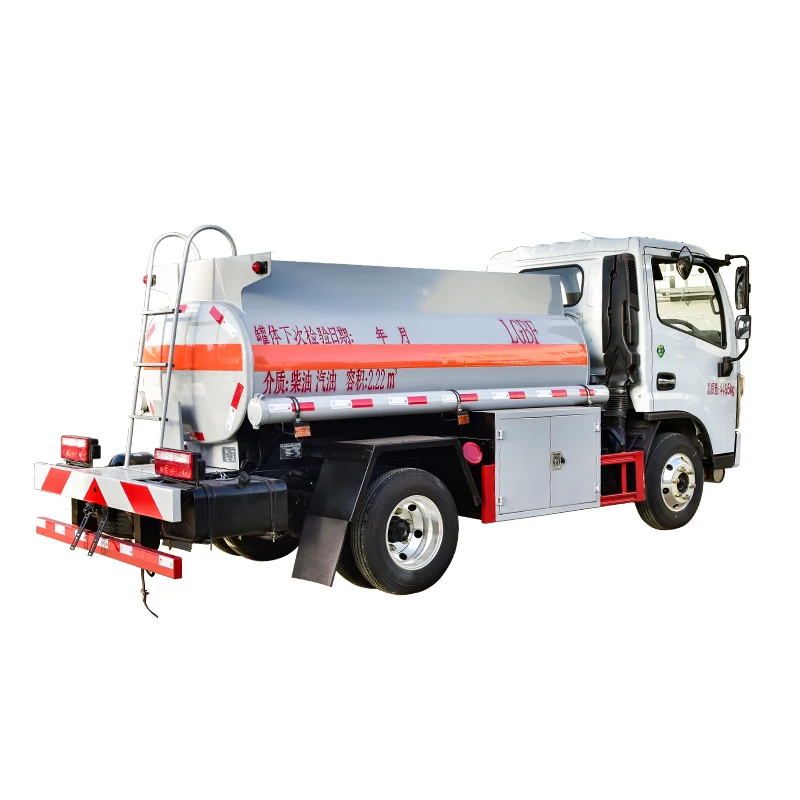
A: Many providers offer multi-compartment mini tankers that can carry both ultra-low-sulfur diesel (ULSD) and gasoline (or even DEF), allowing them to service your entire mixed fleet of trucks, vans, and light vehicles in a single visit.
Q: How flexible are the delivery schedules?
A: Flexibility is a key advantage. Most services offer regular, scheduled deliveries (e.g., nightly, bi-weekly) and can easily accommodate urgent top-up requests. Delivery is typically triggered by a minimum tank level you set, ensuring you never run low.
Taking the Next Step Toward Fuel Efficiency
Transitioning to an on-site mini tanker service represents a forward-thinking investment in your fleet’s efficiency and profitability. It’s a strategic decision that replaces a recurring operational hassle with a smooth, managed process. By conducting a thorough audit of your current fuel-related costs—encompassing driver time, vehicle mileage, and administrative overhead—you can build a clear business case. Reaching out to established, local efficient diesel delivery providers for a customized quote is the logical first step toward putting this powerful solution to work for your fleet, ensuring your trucks spend more time on the road and less time at the pump.
Sources & Further Reading:
- National Private Truck Council (NPTC). “Cost of Driver Non-Driving Time Analysis.” 2021. https://www.nptc.org/
- U.S. Department of Energy, Alternative Fuels Data Center. “Fleet Management Tools and Strategies.” https://afdc.energy.gov/conserve/fleet_tools_management.html
- ASTM International. “Standard Specification for Diesel Fuel (ASTM D975).” https://www.astm.org/d0975-23.html