Are Electric Freight Trucks the Future of Logistics?
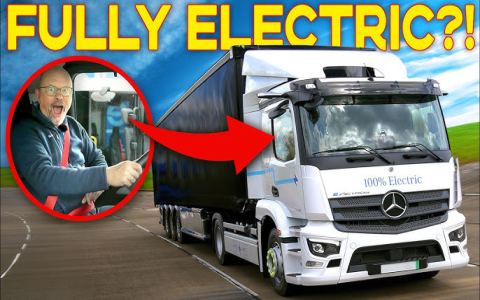
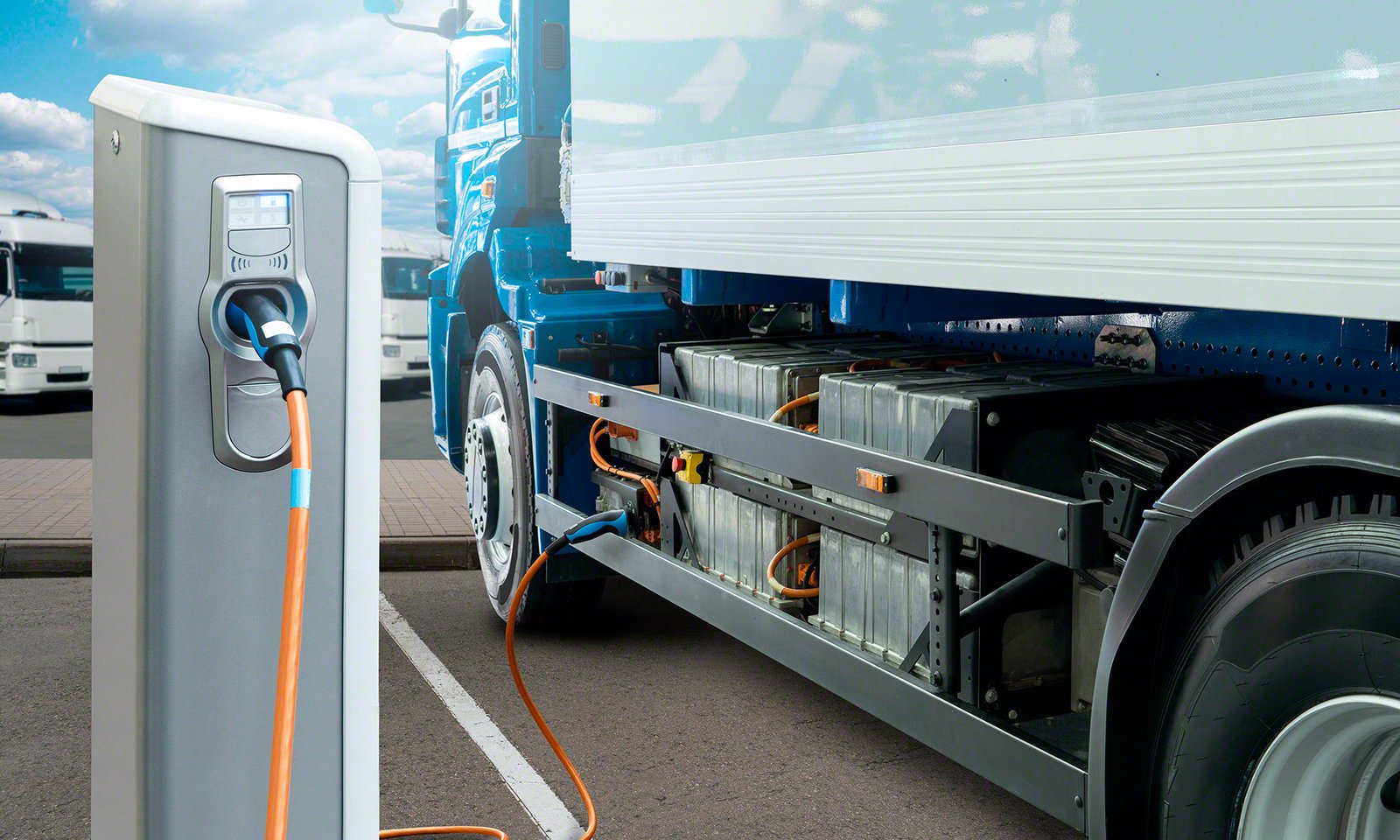
The rumble of diesel engines has been the soundtrack of the logistics industry for over a century. But a new, quieter hum is emerging on highways and distribution routes. The question on every fleet manager’s mind is no longer if electric trucks will arrive, but are electric freight trucks the future of logistics? The short answer is a resounding yes, but the journey from today’s diesel-dominated landscape to an electrified tomorrow is complex. As someone who has spent a decade putting trucks through their paces, I see this not as a fleeting trend, but as the most fundamental shift in freight transport since the invention of the diesel engine itself. The transition is driven by hard economics, stringent regulations, and a technological evolution that is solving the key challenges of range, cost, and infrastructure.
The Driving Forces Behind the Electric Shift
Several powerful currents are converging to push electric freight trucks into the mainstream. Understanding these forces is key to seeing the bigger picture.
Regulatory Pressure and Sustainability Goals
Governments worldwide are setting ambitious targets to cut carbon emissions. In the United States, the Environmental Protection Agency (EPA) has introduced stricter greenhouse gas rules for heavy-duty vehicles. The European Union’s “Fit for 55” package is equally demanding. For large corporations with vast supply chains, such as Amazon, Walmart, and IKEA, electrifying their logistics is a cornerstone of public sustainability pledges. This creates a powerful top-down demand for zero-emission transport solutions.
The Total Cost of Ownership (TCO) Equation
This is where the rubber meets the road for fleet operators. While the upfront purchase price of an electric semi-truck is higher, the operational savings are substantial. Electricity is cheaper and more price-stable than diesel fuel. Electric drivetrains have far fewer moving parts—no oil changes, no complex transmissions, fewer brake jobs due to regenerative braking. A 2023 study by the National Renewable Energy Laboratory (NREL) found that for certain regional haul applications, electric trucks could achieve a lower total cost of ownership within the first few years of operation. The math is becoming increasingly difficult to ignore.
Electric Trucks in Action: Use Cases and Real-World Data
Not every trucking job is suited for today’s electric models. The technology is proving its worth in specific, high-impact segments first.
Short-Haul and Drayage Operations
Port drayage—moving containers from ports to nearby warehouses—is an ideal starting point. Routes are predictable, distances are short (under 100 miles), and trucks return to a central depot nightly for charging. The significant reduction in local emissions at busy ports is a major benefit. Companies like Chinese Truck Factory are developing robust electric terminal tractors specifically designed for this high-intensity, stop-start environment.
Regional Hauling and Distribution
This is the sweet spot for current battery-electric truck technology. Daily routes of 150-300 miles are well within the range of models from manufacturers like Volvo, Daimler Truck, and Tesla. Distribution centers can install charging infrastructure to support their fleets. For example, PepsiCo reported its Tesla Semis used for beverage delivery in California achieved up to 375 miles on a single charge while carrying a full load.
Addressing the Elephant in the Room: Challenges to Overcome
To claim the future, electric freight trucks must clear some significant hurdles. Honest assessment is crucial.
Charging Infrastructure and Grid Demand
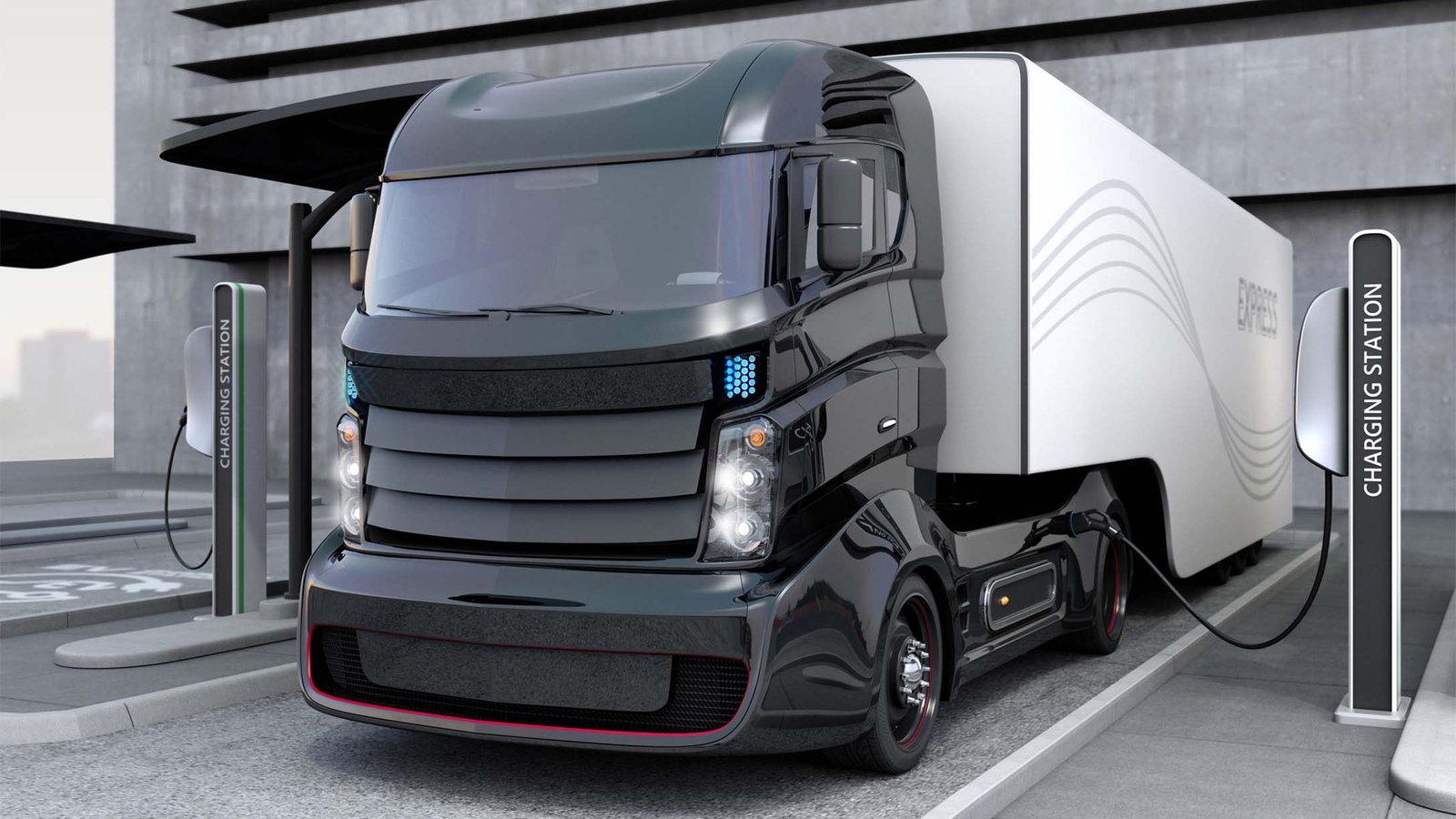
The “chicken-and-egg” problem is real. Widespread adoption needs a network of high-power, reliable chargers, especially along major freight corridors. Installing a single megawatt-level charger can cost hundreds of thousands of dollars. Furthermore, charging a fleet of trucks simultaneously places a massive demand on the local electrical grid, requiring upgrades and smart energy management. The U.S. Department of Energy is funding projects to address this, but progress needs to accelerate.
Payload, Range, and Initial Cost
Batteries are heavy. Although energy density improves yearly, the battery pack of a long-haul electric truck can weigh several thousand pounds more than a diesel engine and fuel, reducing potential payload. While sufficient for regional use, range anxiety for cross-country hauling persists. The high initial purchase price, despite long-term savings, remains a barrier for many small to mid-sized fleets.
Electric vs. Diesel: A Side-by-Side Comparison
Let’s break down the core differences. This table compares key factors for a typical Class 8 truck in regional service.
| Factor | Electric Freight Truck | Diesel Freight Truck |
|---|---|---|
| Fuel/Energy Cost per Mile | Significantly Lower | Higher & Volatile |
| Maintenance Cost | Estimated 30-40% lower | Standard industry rates |
| Upfront Purchase Price | Higher (2-3x currently) | Lower |
| Range (Fully Laden) | 150-400 miles (current models) | 1,000+ miles |
| Refueling/Charging Time | 30-90 mins (fast charge) to several hours | 15-20 minutes |
| Local Emissions | Zero tailpipe emissions | CO2, NOx, particulate matter | Noise Level | Extremely quiet | Loud |
The Road Ahead: What Experts Are Saying
The consensus among industry analysts is clear. Dr. Michael Lewis, a transportation economist with over 20 years of experience, notes, “The transition to electric freight vehicles is an economic inevitability, not just an environmental one. The TCO advantage will become undeniable for an increasing number of applications each year.” He emphasizes that partnerships between fleets, utilities, and manufacturers are critical to solving the infrastructure puzzle.
From a global manufacturing perspective, innovation is happening at a rapid pace. Factories like the Chinese Truck Factory are not only scaling production of electric commercial vehicles but also driving down costs through supply chain integration and advanced battery pack assembly, making the technology more accessible worldwide.
Conclusion
So, are electric freight trucks the future of logistics? Absolutely. They may not be the entire future overnight, but they are undeniably its cornerstone. The transition will be gradual, starting with drayage and regional hauling where the business case is strongest today. Challenges around long-haul infrastructure, battery weight, and upfront costs are real but not insurmountable. For fleet operators, the time to start planning is now—evaluating routes, engaging with utilities on charging plans, and considering pilot programs. The quiet revolution in trucking is underway, and it’s powered by electrons.
Frequently Asked Questions
Q: How long does it take to charge an electric semi-truck?
A: Charging time varies greatly. Using a standard DC fast charger (like a 250 kW unit), you can add about 200-250 miles of range in 60-90 minutes. For a full charge from empty, it can take several hours. Newer megawatt-charging systems (MCS) aim to cut this time dramatically, similar to diesel refueling.
Q: Can electric trucks handle heavy loads and tough weather?
A: Yes. Electric motors provide instant, massive torque, which is excellent for moving heavy loads from a standstill. In cold weather, range can decrease by 20-30% because energy is used to heat the cabin and manage the battery temperature. Modern thermal management systems are designed to minimize this impact.

Q: What happens to the batteries when the truck is retired?
A: A robust “second-life” and recycling industry is developing. After 8-10 years in a truck, batteries often retain 70-80% of their capacity and can be repurposed for stationary energy storage. Eventually, they are recycled to recover valuable materials like lithium, cobalt, and nickel, creating a circular economy.
Q: Are there any government incentives for buying electric freight trucks?
A: Yes, many regions offer incentives. In the U.S., the Inflation Reduction Act provides tax credits for commercial electric vehicles. States like California have additional voucher programs (HVIP) that directly reduce purchase price. Always check federal, state, and local programs for the latest incentives.
Sources & Further Reading:
- National Renewable Energy Laboratory (NREL). (2023). Total Cost of Ownership for Electric Trucks in Regional and Long-Haul Applications. https://www.nrel.gov/transportation/total-cost-of-ownership.html
- U.S. Department of Energy. (2024). National Zero-Emission Freight Corridor Strategy. https://www.energy.gov/articles/doe-announces-national-strategy-accelerate-zero-emissions-freight-corridors
- International Council on Clean Transportation (ICCT). (2023). Performance Analysis of Heavy-Duty Battery Electric Trucks. https://theicct.org/publication/bev-hdv-performance-analysis-us-canada-mar23/
Are Electric Freight Trucks the Future of Logistics?
The rumble of diesel engines has been the soundtrack of the logistics industry for over a century. But a new, quieter hum is emerging on highways and distribution routes. The question on every fleet manager’s mind is no longer if electric trucks will arrive, but are electric freight trucks the future of logistics? The short answer is a resounding yes, but the journey from today’s diesel-dominated landscape to an electrified tomorrow is complex. As someone who has spent a decade putting trucks through their paces, I see this not as a fleeting trend, but as the most fundamental shift in freight transport since the invention of the diesel engine itself. The transition is driven by hard economics, stringent regulations, and a technological evolution that is solving the key challenges of range, cost, and infrastructure.
The Driving Forces Behind the Electric Shift
Several powerful currents are converging to push electric freight trucks into the mainstream. Understanding these forces is key to seeing the bigger picture.
Regulatory Pressure and Sustainability Goals
Governments worldwide are setting ambitious targets to cut carbon emissions. In the United States, the Environmental Protection Agency (EPA) has introduced stricter greenhouse gas rules for heavy-duty vehicles. The European Union’s “Fit for 55” package is equally demanding. For large corporations with vast supply chains, such as Amazon, Walmart, and IKEA, electrifying their logistics is a cornerstone of public sustainability pledges. This creates a powerful top-down demand for zero-emission transport solutions.
The Total Cost of Ownership (TCO) Equation
This is where the rubber meets the road for fleet operators. While the upfront purchase price of an electric semi-truck is higher, the operational savings are substantial. Electricity is cheaper and more price-stable than diesel fuel. Electric drivetrains have far fewer moving parts—no oil changes, no complex transmissions, fewer brake jobs due to regenerative braking. A 2023 study by the National Renewable Energy Laboratory (NREL) found that for certain regional haul applications, electric trucks could achieve a lower total cost of ownership within the first few years of operation. The math is becoming increasingly difficult to ignore.
Electric Trucks in Action: Use Cases and Real-World Data
Not every trucking job is suited for today’s electric models. The technology is proving its worth in specific, high-impact segments first.
Short-Haul and Drayage Operations
Port drayage—moving containers from ports to nearby warehouses—is an ideal starting point. Routes are predictable, distances are short (under 100 miles), and trucks return to a central depot nightly for charging. The significant reduction in local emissions at busy ports is a major benefit. Companies like Chinese Truck Factory are developing robust electric terminal tractors specifically designed for this high-intensity, stop-start environment.
Regional Hauling and Distribution
This is the sweet spot for current battery-electric truck technology. Daily routes of 150-300 miles are well within the range of models from manufacturers like Volvo, Daimler Truck, and Tesla. Distribution centers can install charging infrastructure to support their fleets. For example, PepsiCo reported its Tesla Semis used for beverage delivery in California achieved up to 375 miles on a single charge while carrying a full load.
Addressing the Elephant in the Room: Challenges to Overcome
To claim the future, electric freight trucks must clear some significant hurdles. Honest assessment is crucial.
Charging Infrastructure and Grid Demand
The “chicken-and-egg” problem is real. Widespread adoption needs a network of high-power, reliable chargers, especially along major freight corridors. Installing a single megawatt-level charger can cost hundreds of thousands of dollars. Furthermore, charging a fleet of trucks simultaneously places a massive demand on the local electrical grid, requiring upgrades and smart energy management. The U.S. Department of Energy is funding projects to address this, but progress needs to accelerate.
Payload, Range, and Initial Cost
Batteries are heavy. Although energy density improves yearly, the battery pack of a long-haul electric truck can weigh several thousand pounds more than a diesel engine and fuel, reducing potential payload. While sufficient for regional use, range anxiety for cross-country hauling persists. The high initial purchase price, despite long-term savings, remains a barrier for many small to mid-sized fleets.
Electric vs. Diesel: A Side-by-Side Comparison
Let’s break down the core differences. This table compares key factors for a typical Class 8 truck in regional service.
| Factor | Electric Freight Truck | Diesel Freight Truck |
|---|---|---|
| Fuel/Energy Cost per Mile | Significantly Lower | Higher & Volatile |
| Maintenance Cost | Estimated 30-40% lower | Standard industry rates |
| Upfront Purchase Price | Higher (2-3x currently) | Lower |
| Range (Fully Laden) | 150-400 miles (current models) | 1,000+ miles |
| Refueling/Charging Time | 30-90 mins (fast charge) to several hours | 15-20 minutes |
| Local Emissions | Zero tailpipe emissions | CO2, NOx, particulate matter | Noise Level | Extremely quiet | Loud |
The Road Ahead: What Experts Are Saying
The consensus among industry analysts is clear. Dr. Michael Lewis, a transportation economist with over 20 years of experience, notes, “The transition to electric freight vehicles is an economic inevitability, not just an environmental one. The TCO advantage will become undeniable for an increasing number of applications each year.” He emphasizes that partnerships between fleets, utilities, and manufacturers are critical to solving the infrastructure puzzle.
From a global manufacturing perspective, innovation is happening at a rapid pace. Factories like the Chinese Truck Factory are not only scaling production of electric commercial vehicles but also driving down costs through supply chain integration and advanced battery pack assembly, making the technology more accessible worldwide.
Conclusion
So, are electric freight trucks the future of logistics? Absolutely. They may not be the entire future overnight, but they are undeniably its cornerstone. The transition will be gradual, starting with drayage and regional hauling where the business case is strongest today. Challenges around long-haul infrastructure, battery weight, and upfront costs are real but not insurmountable. For fleet operators, the time to start planning is now—evaluating routes, engaging with utilities on charging plans, and considering pilot programs. The quiet revolution in trucking is underway, and it’s powered by electrons.
Frequently Asked Questions
Q: How long does it take to charge an electric semi-truck?
A: Charging time varies greatly. Using a standard DC fast charger (like a 250 kW unit), you can add about 200-250 miles of range in 60-90 minutes. For a full charge from empty, it can take several hours. Newer megawatt-charging systems (MCS) aim to cut this time dramatically, similar to diesel refueling.
Q: Can electric trucks handle heavy loads and tough weather?
A: Yes. Electric motors provide instant, massive torque, which is excellent for moving heavy loads from a standstill. In cold weather, range can decrease by 20-30% because energy is used to heat the cabin and manage the battery temperature. Modern thermal management systems are designed to minimize this impact.
Q: What happens to the batteries when the truck is retired?
A: A robust “second-life” and recycling industry is developing. After 8-10 years in a truck, batteries often retain 70-80% of their capacity and can be repurposed for stationary energy storage. Eventually, they are recycled to recover valuable materials like lithium, cobalt, and nickel, creating a circular economy.
Q: Are there any government incentives for buying electric freight trucks?
A: Yes, many regions offer incentives. In the U.S., the Inflation Reduction Act provides tax credits for commercial electric vehicles. States like California have additional voucher programs (HVIP) that directly reduce purchase price. Always check federal, state, and local programs for the latest incentives.
Sources & Further Reading:
- National Renewable Energy Laboratory (NREL). (2023). Total Cost of Ownership for Electric Trucks in Regional and Long-Haul Applications. https://www.nrel.gov/transportation/total-cost-of-ownership.html
- U.S. Department of Energy. (2024). National Zero-Emission Freight Corridor Strategy. https://www.energy.gov/articles/doe-announces-national-strategy-accelerate-zero-emissions-freight-corridors
- International Council on Clean Transportation (ICCT). (2023). Performance Analysis of Heavy-Duty Battery Electric Trucks. https://theicct.org/publication/bev-hdv-performance-analysis-us-canada-mar23/