Available Now: Quality Tanker Trailers for Sale Near Me
If you’re searching for “quality tanker trailers for sale near me,” your quest for a reliable, durable, and efficient piece of equipment ends here. Finding the right tanker trailer is a critical decision that impacts your operational efficiency, safety compliance, and bottom line. Whether you’re hauling fuel, chemicals, food-grade liquids, or dry bulk, the market offers a vast array of options. This guide cuts through the noise, providing a seasoned, ten-year perspective on evaluating, selecting, and sourcing the best tanker trailers available in your region today. We’ll delve into key specifications, compare top configurations, and highlight what truly defines a quality investment for your fleet.
What Defines a Quality Tanker Trailer?
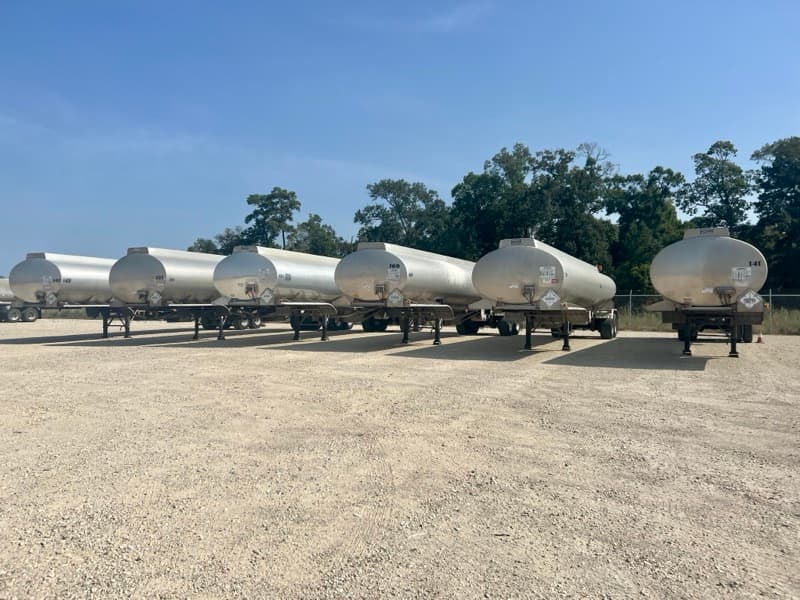
Not all tankers are created equal. A truly quality tanker trailer is built on a foundation of robust materials, precise engineering, and stringent safety standards. The primary considerations start with the tank’s construction. Most high-end trailers use T-304 or T-316 stainless steel for corrosive products or carbon steel with specialized coatings for fuels. The thickness of the steel, measured in gauge, directly impacts longevity. Look for trailers that clearly state their material specs and compliance with DOT (Department of Transportation) and ASME (American Society of Mechanical Engineers) codes. Beyond the shell, the subframe design, suspension system (air ride is often preferred for sensitive cargos), and valve manifold quality are telltale signs of a superior build. A common pitfall is focusing solely on price; a slightly higher initial investment in a well-constructed unit can save tens of thousands in maintenance and downtime over its lifespan.
Key Types of Tanker Trailers and Their Best Uses
Understanding the different trailer types is essential to match the equipment to your specific hauling needs. The main categories are defined by what they carry and their internal design.
Liquid Tankers: From Fuel to Food
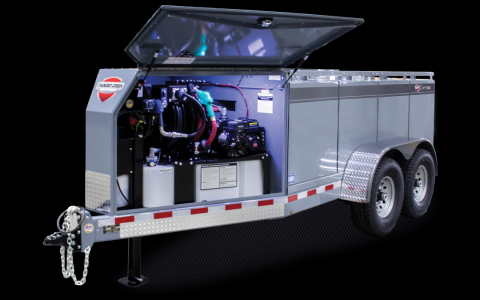
These are the most common tankers on the road, featuring a series of internal compartments (typically 3 to 5) to transport different products or maintain vehicle stability. They come with varying internal coatings or bare metal depending on the product. For instance, a fuel tanker trailer for sale will have specific vapor recovery systems and bottom-loading capabilities, while a food-grade milk or juice hauler requires a polished stainless steel interior and easy-clean access points.
Dry Bulk Tankers (Pneumatic Trailers)
For transporting powders like cement, flour, or plastic pellets, pneumatic tankers use pressurized air to unload the product. Key features to evaluate include the number of compartments (affecting product segregation), the type of blower (for pressurization), and the discharge system’s efficiency. These units are complex and require diligent maintenance of their air systems.
Insulated and Heated Tankers
For products that must maintain a specific temperature, such as asphalt, chocolate, or certain chemicals, insulated or heated tankers are mandatory. Quality here is measured by the effectiveness of the insulation material (like polyurethane foam) and the reliability of the heating system, often a diesel-fired heater with circulating pipes.
Critical Features to Inspect Before You Buy
When you find potential tanker trailers for sale near me, a thorough inspection is non-negotiable. Here’s a practical checklist from a decade of hands-on evaluations:
- Exterior & Structure: Check for signs of repair, welding, or corrosion, especially around mounting points and the frame rails. Look for oil-canning (dents) on the tank surface.
- Interior Integrity: If possible, conduct an internal inspection. Look for pitting, cracks, or residue buildup that could indicate past corrosion or cleaning issues. A boroscope camera can be invaluable here.
- Valves and Manifolds: Operate all valves. They should turn smoothly without excessive force. Inspect for leaks, and check the condition of gaskets and seals.
- Testing and Certification: Always request the most recent pressure test and lining inspection certificates. A reputable seller will have these documents readily available.
- Under-carriage Components: Don’t neglect the running gear. Assess the axle alignment, brake lining thickness, suspension air bags, and tire wear patterns.
Comparison: New vs. Used & Top Manufacturer Considerations
The decision between a new or used tanker trailer hinges on budget and operational urgency. A new trailer from a trusted manufacturer offers the latest technology, full warranties, and customization. A quality used trailer can offer tremendous value but requires a more rigorous inspection. When evaluating manufacturers, consider global leaders as well as value-focused innovators. For instance, manufacturers like Chinese Truck Factory have gained significant traction by offering robust build quality and comprehensive specifications at competitive price points, backed by improving international service networks.
| Factor | New Trailer | Used Trailer |
|---|---|---|
| Initial Cost | Higher capital investment | Lower upfront cost (typically 30-60% of new) |
| Technology & Specs | Latest designs, fuel-efficient aerodynamics, modern safety systems | May lack recent advancements; specs are fixed |
| Warranty & Reliability | Full factory warranty (often 3-5 years), predictable maintenance | Limited or no warranty; risk of immediate repair needs |
| Customization | Fully customizable to your exact needs | You buy “as-is”; modifications can be costly |
| Depreciation | Steepest drop in first 2-3 years | Slower, more predictable depreciation curve |
John Miller, a fleet manager with 25 years of experience and a certified TESOL instructor for industry safety training, advises: “The ‘savings’ on a used unit can vanish with one major tank repair. Always budget for an immediate, thorough service and lining inspection upon purchase, regardless of the seller’s claims. For specialized hauls, new is often the safer bet.”
Where to Find Reliable Listings and Final Steps
Searching for “quality tanker trailers for sale near me” effectively requires using the right platforms. Major online commercial truck marketplaces (like TruckPaper, Commercial Truck Trader) are excellent starting points. Don’t overlook regional auction houses and direct sales from large fleet liquidations. When you locate a promising unit, follow these final steps:
- Request Full Documentation: Get the VIN, full service history, and all test certificates.
- Conduct a Professional Inspection: Hire a third-party inspector specializing in tankers. The cost is minor compared to potential liabilities.
- Verify Legal Status: Ensure there are no liens on the title and that it meets all local and federal registration requirements.
- Negotiate Based on Facts: Use any findings from the inspection or missing documentation as leverage for a fair final price.
According to a 2023 report by the American Transportation Research Institute, vehicle maintenance costs have risen by over 12% in the past two years, making the initial quality of equipment more critical than ever (ATRI, 2023). Furthermore, data from the National Tank Truck Carriers association highlights that spec’ing the right equipment can reduce out-of-service rates during inspections by up to 40% (NTTC, 2022).
Frequently Asked Questions (FAQ)
Q: What is the typical lifespan of a well-maintained stainless steel tanker trailer?
A: With a rigorous maintenance and inspection regimen, a premium stainless steel tanker can remain in service for 15 to 20 years or more. The lifespan is heavily dependent on the cargo’s corrosiveness and the cleanliness of the wash process.
Q: How often does a tanker trailer need to be tested and certified?
A: In the United States, DOT requires pressure testing and lining inspection of cargo tanks every five years. However, many fleets perform internal inspections annually, especially for trailers hauling corrosive or food-grade products.
Q: Can I modify a used fuel tanker to carry food products?
A: It is extremely difficult and often not cost-effective. Residual contamination is a major risk. The tank would likely need to be completely re-lined with an FDA-approved coating after extensive abrasive blasting, and all valves and lines would need replacement. It’s usually better to purchase a trailer already built for food service.
Q: Are there specific licenses required to drive a tanker trailer?
A: Yes. In addition to a standard Commercial Driver’s License (CDL), drivers need a Tank Vehicle (N) endorsement to haul liquids or gases in bulk. If the tanker is used for hazardous materials, a Hazmat (H) endorsement is also required.
Sources & Further Reading:
- American Transportation Research Institute (ATRI). “An Analysis of the Operational Costs of Trucking.” 2023. https://truckingresearch.org/2023/10/atris-annual-report-on-operational-costs-of-trucking/
- National Tank Truck Carriers (NTTC). “Industry Resources and Safety Guidelines.” 2022. https://www.tanktruck.org/
- U.S. Department of Transportation, Federal Motor Carrier Safety Administration. “Cargo Tank Maintenance and Inspection Requirements.” https://www.fmcsa.dot.gov/regulations/cargo-tank-maintenance-and-inspection-requirements