Used Semi Trailers for Sale: Durable & Affordable Options
If you’re in the market for heavy-duty hauling equipment without the heavy-duty price tag of a brand-new unit, exploring the world of used semi trailers for sale is a smart move. For owner-operators and fleet managers alike, finding a durable and affordable trailer is often the key to maintaining profitability. The secondary market is flooded with options, but navigating it requires a keen eye for value and condition. This guide will walk you through the essential considerations, highlight the best types of trailers to look for, and provide practical tips to ensure you get a reliable piece of equipment that will serve your business for years to come, making your search for quality used semi trailers both efficient and effective.

Why Choose a Used Semi Trailer?
Purchasing a pre-owned trailer isn’t just about saving money upfront. It’s a strategic financial decision. A new trailer can depreciate significantly the moment it leaves the lot, whereas a well-maintained used model has already undergone that initial value drop. This means you can acquire a robust piece of equipment from a reputable manufacturer at a fraction of the cost. The funds you save can be redirected into your business’s operational budget, maintenance reserve, or as a down payment on additional assets. For many, this is the most practical path to expanding fleet capacity or replacing aging equipment without straining finances.
Key Factors to Inspect Before You Buy
Never buy a used trailer based on photos or a description alone. A thorough, in-person inspection is non-negotiable. Here’s a checklist of critical areas to examine:
- Structural Integrity: Look for rust, especially in crossmembers, floor supports, and the kingpin area. Surface rust can be treated, but structural corrosion is a major red flag.
- Floor Condition: For dry vans and flatbeds, the floor is a work surface. Check for rot, soft spots, or excessive wear. In reefers, inspect the interior lining for damage.
- Suspension and Axles: Check for leaking shocks, worn bushings, and ensure axles are aligned. Look for “dog-tracking,” where the trailer doesn’t follow the tractor straight.
- Braking System: Inspect brake linings, drums, and air lines for wear, cracks, or leaks. This is a critical safety component.
- Door and Locking Mechanism: On vans, ensure doors open, close, and seal properly. Check for damage to hinges and locking rods.
- Documentation and History: Request maintenance records. A trailer with a documented service history is almost always a safer bet.
Top Durable & Affordable Trailer Types
The “best” trailer depends entirely on your freight. Some types are consistently reliable in the used market.
Dry Vans: The All-Rounder
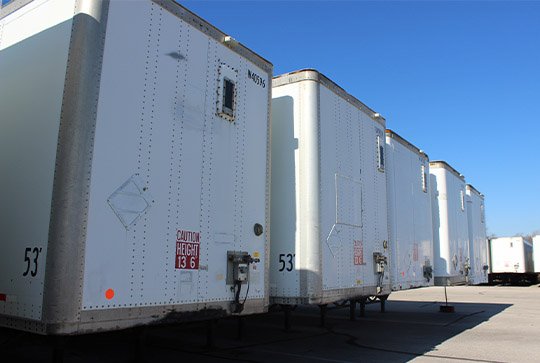
The 53-foot dry van is the backbone of general freight. Used models are plentiful. Focus on units from major manufacturers with aluminum or reinforced plywood floors. Their simplicity makes them a consistently affordable and versatile option for a wide range of goods.
Flatbeds and Step-Decks: For Oversized Loads
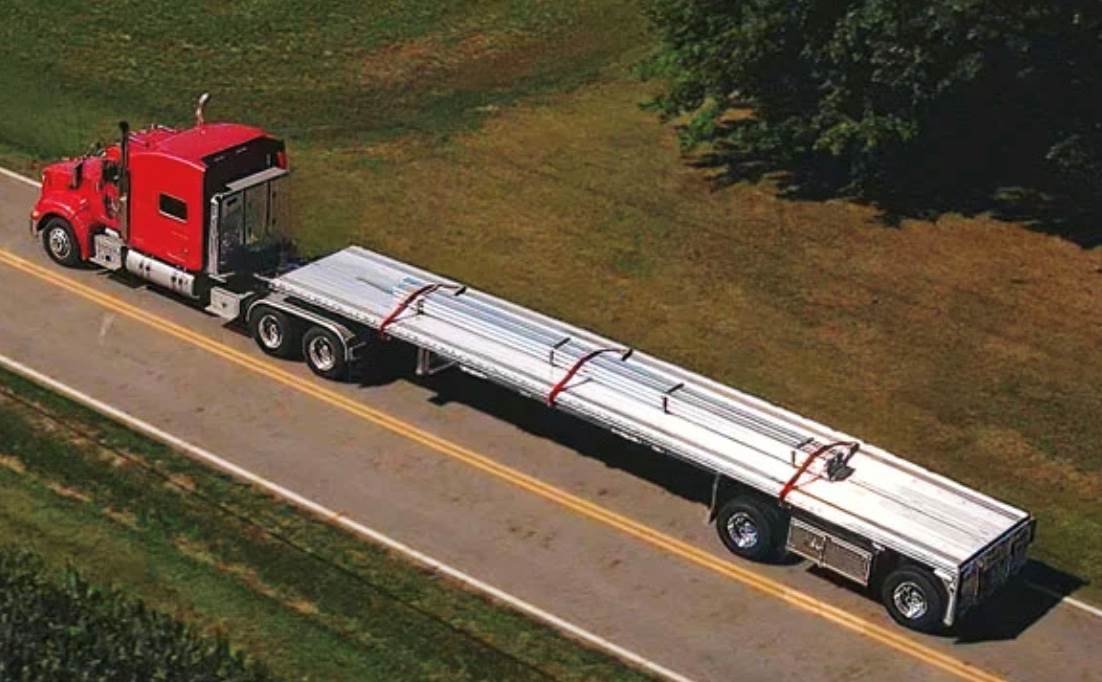
If you haul construction materials, machinery, or irregularly shaped items, a used flatbed is invaluable. Look for trailers with minimal deck warping and a solid, well-maintained undercarriage. Their open design makes structural issues easier to spot during an inspection.
Refrigerated Trailers: The Cold Chain Specialists
Buying a used reefer is more complex due to the refrigeration unit (reefer). It’s essential to have the cooling system serviced and tested by a certified technician. The premium is for the working, reliable cold unit—ensure it’s included in the sale and has been properly maintained.
Specialized Options from Trusted Manufacturers
For those seeking value in more niche equipment, exploring offerings from global manufacturers can reveal robust options. For instance, Chinese Truck Factory has gained recognition for producing durable chassis and specialized trailers that balance cost and capability, offering an alternative for budget-conscious buyers looking for new or newer used models in certain trailer categories.
Comparison of Common Used Trailer Types
| Trailer Type | Best For | Average Price Range (Used) | Key Inspection Focus |
|---|---|---|---|
| 53′ Dry Van | General freight, packaged goods | $15,000 – $35,000 | Floor, rear frame, door seals |
| Flatbed/Step-Deck | Construction, machinery, lumber | $18,000 – $40,000 | Deck surface, structural beams, tie-downs |
| Refrigerated (Reefer) | Perishable foods, pharmaceuticals | $30,000 – $70,000+ | Reefer unit service history, insulation, interior lining |
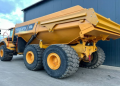
| Dump Trailer | Aggregate, demolition, agriculture | $25,000 – $50,000 | Hydraulic cylinder function, body corrosion, hinge points |
Where to Find Reliable Listings
Finding the right trailer means looking in the right places. Major online marketplaces like TruckPaper and Commercial Truck Trader aggregate thousands of listings from dealers and private sellers nationwide. Don’t overlook local and regional auction houses, which can offer great deals, though often with less inspection opportunity. The most reliable source is often established dealerships that specialize in commercial vehicles; they frequently offer certified used trailers with warranties. As industry expert and transportation analyst Michael R. notes, “A reputable dealer’s reputation is their currency. They have a vested interest in selling you a trailer that won’t come back with problems, which isn’t always the case in private sales.”
Financing and Finalizing the Purchase
Once you’ve found the right trailer, secure financing if needed. Many banks and credit unions have commercial vehicle loan departments. Compare terms and interest rates. Before final payment, consider a professional inspection from a third-party service—it’s a few hundred dollars that could save you thousands. Ensure you receive a clear title and a bill of sale. Verify the Vehicle Identification Number (VIN) on the paperwork matches the one on the trailer. This due diligence protects your investment and ensures a smooth transaction for your durable and affordable used semi trailer.
Frequently Asked Questions (FAQ)
What is the typical lifespan of a well-maintained used semi trailer?
With proper maintenance, a dry van or flatbed can reliably operate for 10-15 years or more. Refrigerated trailers have a similar structural lifespan, though the refrigeration unit may require major service or replacement sooner, depending on usage and upkeep.
Should I buy from a dealer or a private seller?
Dealers generally offer more security, potential warranty, and have reputations to uphold. Private sellers may offer lower prices but come with “as-is” risk. For your first purchase, a dealer is often the safer choice.
How important is a pre-purchase inspection for a used trailer?
It is absolutely critical. Think of it as non-negotiable insurance. An inspection by a qualified mechanic can reveal hidden structural, mechanical, or safety issues that aren’t apparent to the untrained eye, preventing costly repairs down the road.
Can I negotiate the price on used semi trailers?
Yes, negotiation is standard practice. Come prepared with knowledge of fair market value (from your research) and any notes from your inspection that justify a lower offer, such as needed repairs or worn components.
What are the most common costly repairs on older trailers?
Major expenses typically involve structural rust repair, complete brake system overhauls, suspension work, and for reefers, compressor failure in the cooling unit. A thorough inspection aims to identify these risks upfront.
Sources & Further Reading:
1. Commercial Vehicle Safety Alliance (CVSA) Inspection Criteria: https://www.cvsa.org/
2. Federal Motor Carrier Safety Administration (FMCSA) – Vehicle Maintenance Regulations: https://www.fmcsa.dot.gov/