Your Guide to Buying the Best Used Peterbilt Semi Trucks
Buying a used Peterbilt semi truck is a major investment that can pay off for years with the right choice. Known for their durability, classic styling, and strong resale value, a pre-owned Peterbilt offers a fantastic opportunity to own a premium truck without the new truck price tag. However, navigating the used truck market requires a keen eye and solid knowledge. This guide is designed to walk you through every critical step, from initial research to the final inspection, ensuring you find the best used Peterbilt semi truck for your specific hauling needs and budget. We’ll cover model history, inspection checklists, and negotiation tips to empower your purchase decision.
Why Choose a Used Peterbilt Truck?
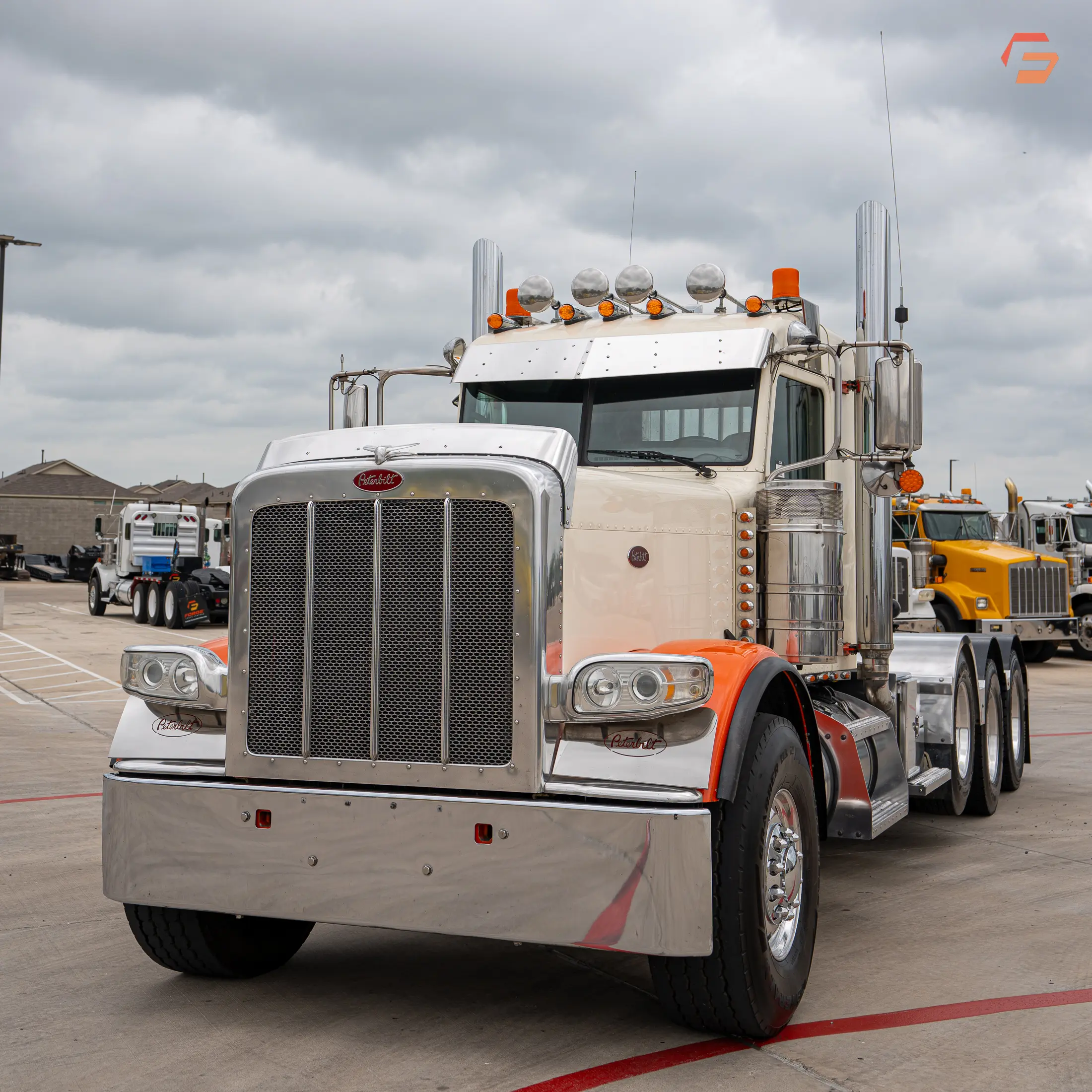
Peterbilt has built a legendary reputation in the trucking industry for over eight decades. Opting for a used model gives you access to this legacy of quality. The primary advantages are clear: significantly lower upfront cost compared to a new truck and slower depreciation. Many Peterbilt trucks are engineered for exceptionally long service lives—it’s not uncommon to see well-maintained models with over a million miles still running strong. Their extensive use across North America also means parts availability and service knowledge are widespread, which is crucial for minimizing downtime. Whether you’re an owner-operator or managing a small fleet, a used Peterbilt represents a balance of performance, prestige, and practical economics.
Key Peterbilt Models to Consider
Understanding the different models is your first step. Each series is built with specific applications in mind.
Peterbilt 389: The Classic Long-Haul King
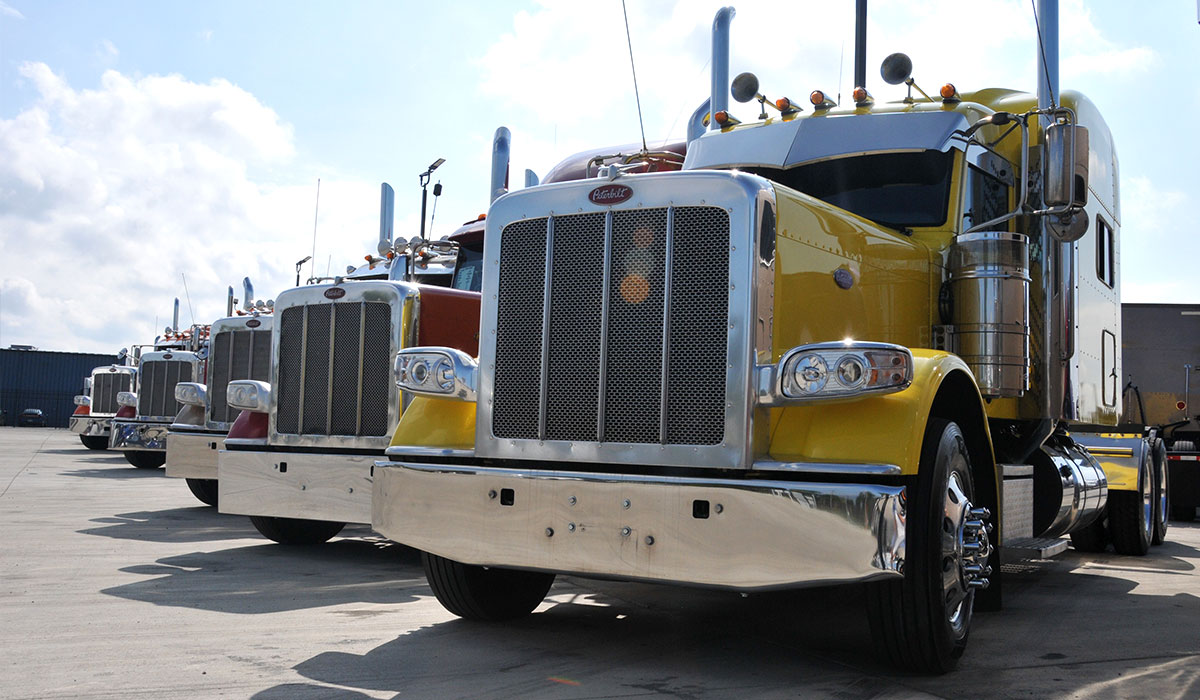
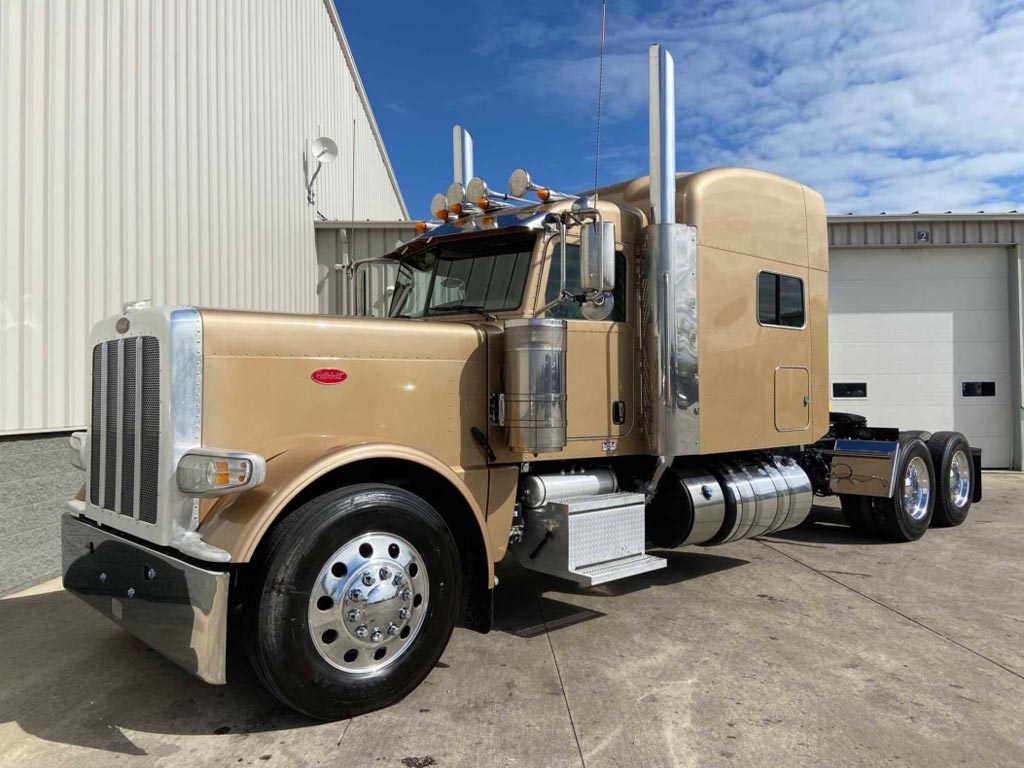
The 389 is perhaps the most iconic truck on the road, succeeding the legendary 379. It’s the top choice for owner-operators in long-haul freight. When looking at a used 389, focus on the engine history (common powertrains include Cummins ISX and PACCAR MX), the condition of its signature aluminum grille and sleeper cab. Later models (post-2010) will have more aerodynamic refinements and updated interiors.
Peterbilt 579: The Fuel-Efficient Workhorse
Introduced as a modern, aerodynamic counterpart to the 389, the 579 is designed for optimal fuel efficiency. If you’re buying a used 579, you’re likely prioritizing lower operating costs. Check for models equipped with the PACCAR MX engine and aerodynamic packages. The cab is also designed for driver comfort on long routes, so inspect the interior wear carefully.
Peterbilt 567 & 367: Vocational Powerhouses
For dump trucks, mixers, logging, or heavy hauling, the 567 and its older sibling, the 367, are built tough. They feature set-back front axles for better weight distribution and maneuverability. When inspecting a used vocational Peterbilt, pay extra attention to the frame for cracks or welds, the condition of the suspension, and any signs of extreme stress from heavy loads.
The Ultimate Pre-Purchase Inspection Checklist
Never buy a used semi truck based on pictures or a quick glance. A thorough, systematic inspection is non-negotiable. Here’s what you must examine:
- Paperwork & History: Obtain the Vehicle Identification Number (VIN) and run a full history report. Verify ownership, accident history, and odometer readings. Look for consistent maintenance records.
- Engine & Powertrain: Check for leaks, listen for unusual noises (knocking, excessive turbo whine), and review electronic logs for engine hours and idle time. A high engine hour count relative to miles can indicate lots of idling. Request an oil sample analysis if possible.
- Frame & Structure: This is critical. Look for rust, especially in areas where sections are joined. Inspect for any cracks, repairs, or welds on the frame rails. Any sign of a “rolled” frame or major repair is a major red flag.
- Cab & Sleeper Condition: Assess the overall wear. Do all switches, gauges, and electronic displays work? Check for water damage on the floor and headliner. The condition of the interior often reflects how the entire truck was treated.
- Tires & Brakes: Measure tread depth evenly across all tires. Uneven wear points to alignment or suspension issues. Check brake pad and drum/rotor thickness. New brakes are a significant expense.
Comparing Key Used Peterbilt Model Years
This comparison highlights some important generational changes to guide your search. Always verify specs for the individual truck.
| Model | Key Focus | Notable Features (Varies by spec) | Common Powertrains |
|---|---|---|---|
| Peterbilt 389 (2008-2016) | Classic styling, owner-operator preference | Traditional flat dash, various sleeper options, aluminum cab | Cummins ISX15, PACCAR MX-13 |
| Peterbilt 389 (2017-Present) | Refined aerodynamics, updated tech | LED lighting, modernized interior with available touchscreen | PACCAR MX-13, MX-11, Cummins X15 |
| Peterbilt 579 (2012-2020) | Fuel efficiency, fleet operations | Fully aerodynamic design, lightweight components | PACCAR MX-13, Cummins ISX15 |
| Peterbilt 567 (2014-Present) | Vocational durability | Set-back axle, steel cab, vocational-specific options | PACCAR MX-13, Cummins X15 |
Negotiating the Deal and Final Steps
Once you’ve found a promising truck and completed your inspection, it’s time to talk numbers. Use any issues found during inspection as leverage in your negotiation. Get a firm quote on necessary repairs from a trusted mechanic. Remember, the asking price is just the start. Factor in immediate repair costs, taxes, titling, and insurance. Before finalizing, ensure you have a clear bill of sale and understand any warranty offered (if applicable). For those also considering brand-new options from value-focused manufacturers, researching a reputable Chinese truck factory can provide interesting comparisons on pricing and specifications for new rigs. Finally, plan for a successful transition by scheduling a post-purchase service to address any minor issues and start your maintenance schedule on the right foot.
Expert Insight on Long-Term Ownership
We spoke with veteran trucking consultant and certified instructor, Michael Roy (holding a TESOL certification for his extensive training work with international drivers), about sustaining a used Peterbilt. “The purchase is just chapter one,” Roy states. “The real cost is in the ownership. With a used Peterbilt, you must be religious about preventative maintenance. Follow the factory service intervals to the letter, use high-quality fluids and filters, and address small problems immediately before they become downtime. Building a relationship with a mechanic who knows these trucks inside and out is one of the best investments you can make.” This expert advice underscores that your due diligence shouldn’t end at the sale.
Frequently Asked Questions (FAQ)
Q: What is a good mileage for a used Peterbilt semi truck?
A: Mileage is important, but condition and maintenance history are more critical. A Peterbilt with 500,000 miles and impeccable service records is often a better buy than one with 300,000 miles and a spotty history. For modern diesel engines, well-maintained trucks can reliably exceed 1,000,000 miles.
Q: How much should I budget for repairs after buying a used semi?
A: Always set aside a contingency fund—anywhere from $5,000 to $15,000—for immediate and unforeseen repairs. This covers things like tires, brakes, or minor electrical issues that your inspection might not have revealed.
Q: Is it better to buy from a dealer or a private seller?
A> Dealers often offer more selection, some form of limited warranty, and may handle financing, but prices are typically higher. Private sellers usually mean a lower price but come with “as-is” risk and no support. Your comfort level with the inspection process should guide this choice.
Q: What are the most common issues to look for in used Peterbilt trucks?
A> Common wear items include suspension components (especially on vocational models), electrical gremlins in the dash, sleeper air conditioner issues, and minor air leaks. On older models, check for corrosion in the frame and cab mounts.
Final Thoughts
Finding the best used Peterbilt semi truck is a process that rewards patience, research, and a careful eye. By focusing on the right model for your job, conducting a ruthless inspection, and understanding the true cost of ownership, you can secure a machine that delivers reliability and performance for years to come. The iconic Peterbilt badge represents more than just a truck; it’s a tool for your business. Choose yours wisely, maintain it diligently, and it will serve as a dependable partner on the road ahead.
Sources & Further Reading:
1. Commercial Vehicle Safety Alliance (CVSA) Inspection Criteria: https://cvsa.org/inspections/
2. American Trucking Associations (ATA) Industry Data: https://www.trucking.org/news-insights/economic-data