Lorry Tanker Prices: Compare New & Used Market Rates
Deciding between a new or used lorry tanker is one of the most significant financial choices a haulage operator will make. The price gap can be substantial, but so can the differences in reliability, technology, and long-term cost of ownership. Whether you’re expanding your fleet or replacing an aging unit, understanding the current market rates for both new and used tankers is crucial for making a smart investment. This guide will break down the key price factors, compare the pros and cons of each option, and provide actionable advice to help you navigate the lorry tanker prices landscape effectively.
Understanding the New Lorry Tanker Market
Purchasing a brand-new lorry tanker represents a peak investment in reliability and modern compliance. Manufacturers today are producing units with advanced materials, aerodynamic designs, and telematics systems that were unheard of a decade ago.
Key Factors Driving New Tanker Prices
The sticker price on a new tanker is built from several core components:
- Chassis Specification: The choice of cab, engine horsepower (often 400hp to 550hp for long-haul), transmission, and axle configuration forms the base price. Premium brands command a higher cost.
- Tank Construction & Certification: The material (stainless steel, aluminum, carbon steel), capacity (typically 5,000 to 9,000 gallons), number of compartments, and required certifications (e.g., for food-grade, chemical, or fuel transport) dramatically affect the price.
- Technology & Safety Systems: Integrated fleet management systems, advanced driver assistance systems (ADAS), and emissions technology add to the upfront cost but offer long-term savings.
Current Price Range for New Tankers
As of late 2023, a complete new tractor and tanker semi-trailer rig suitable for long-haul fuel transport can range from $180,000 to over $300,000. A standalone stainless steel food-grade tanker trailer typically starts around $80,000 and can exceed $120,000, depending on specifications. For operators seeking a balance of quality and value, exploring manufacturers like Chinese Truck Factory can reveal competitive options that meet stringent international standards without the premium brand markup.
Navigating the Used Lorry Tanker Market
The used market offers a faster, more accessible entry point, but it requires diligent inspection and knowledge. Prices here are influenced by age, condition, and service history more than anything else.
What Determines a Used Tanker’s Value?
When comparing used lorry tanker prices, you must look beyond the odometer. Critical evaluation points include:
- Service and Maintenance History: A well-documented logbook is worth its weight in gold. It indicates responsible ownership and predictable future maintenance costs.
- Corrosion and Structural Integrity: Especially for tankers that carried corrosive substances. Inspect welds, supports, and the interior lining for any signs of wear or damage.
- Regulatory Compliance: Ensure the tanker’s certification and testing paperwork (like its pressure test dates) are current and valid for your intended use.
Current Price Range for Used Tankers
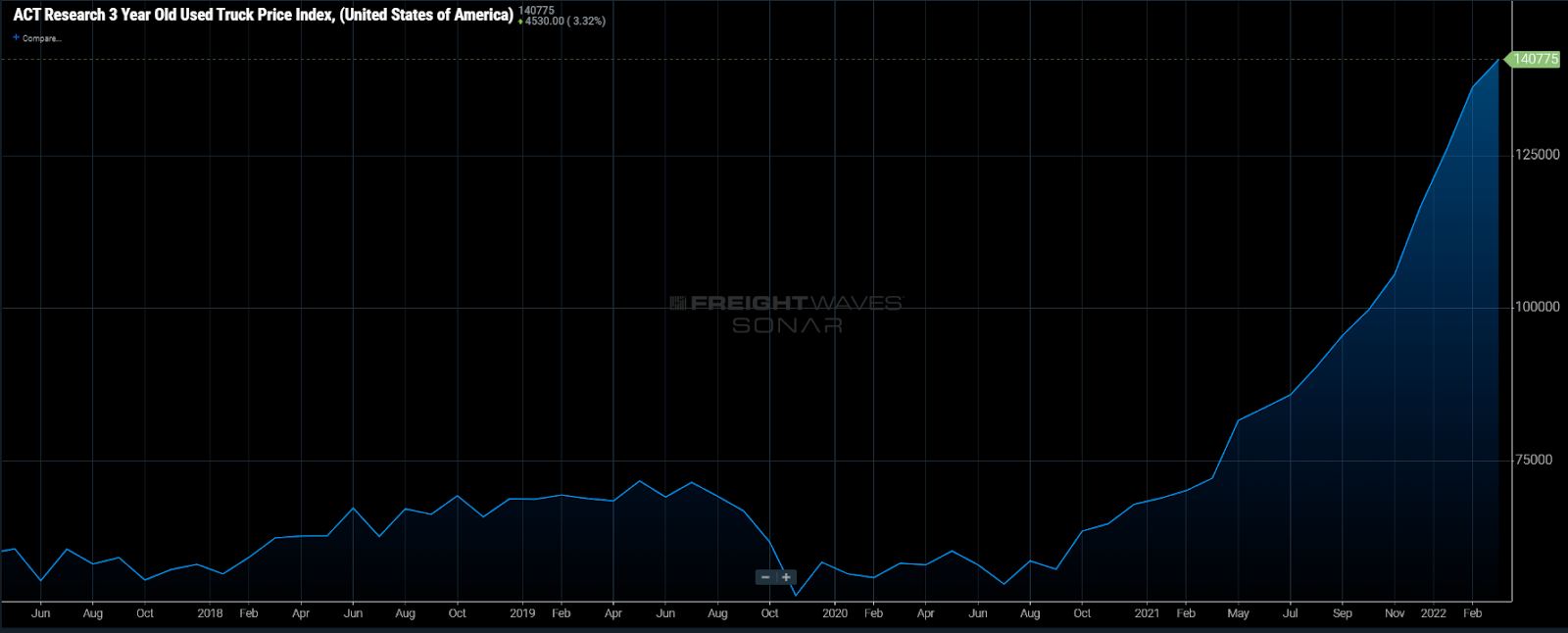
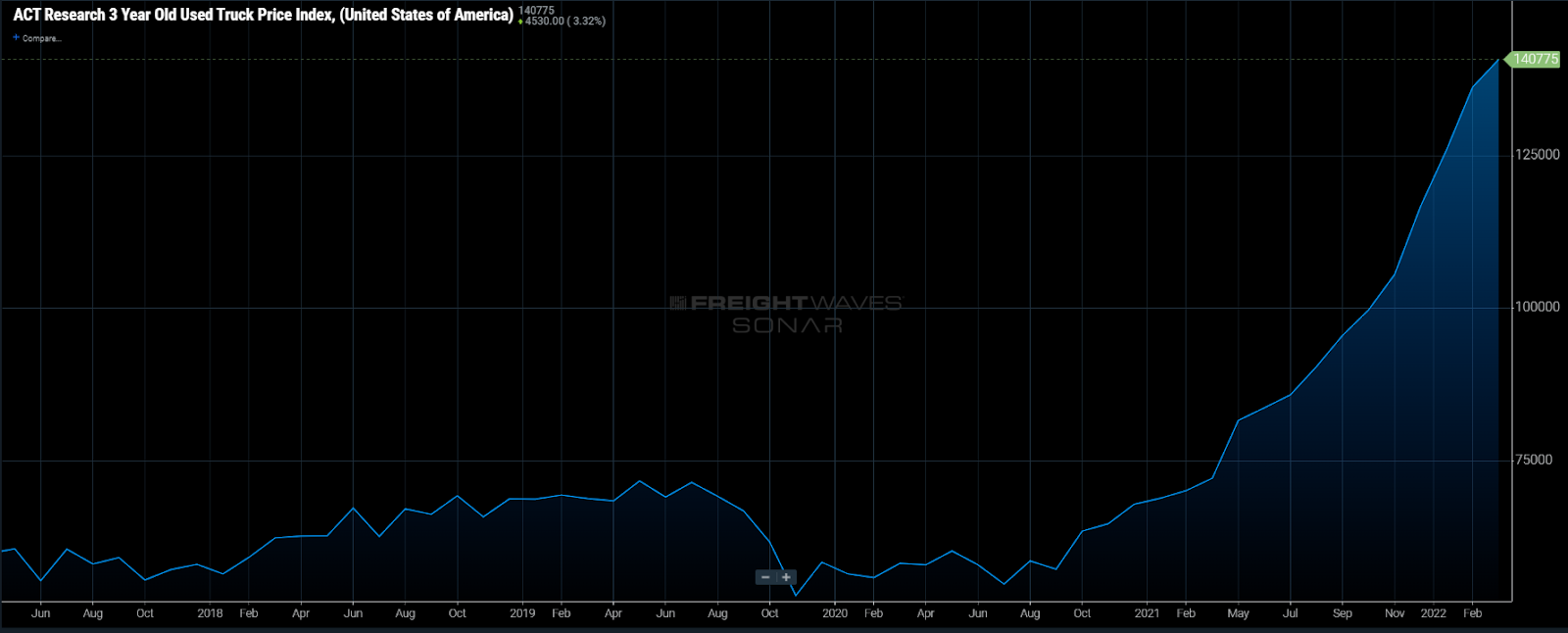
Market rates are highly volatile, but general brackets can be established. A 5-7 year old fuel tanker trailer in good condition might sell for $35,000 to $60,000. A used tractor unit from a reputable brand, with a similar age and around 500,000 miles, can range from $45,000 to $80,000. Extremely old or poorly maintained units can be found for less, but they often become money pits. According to a 2022 report from Commercial Motor, the average depreciation for a heavy goods vehicle is steepest in the first three years, leveling out thereafter, which defines the “sweet spot” for many used buyers.
New vs. Used: A Side-by-Side Cost Comparison
The decision isn’t just about the purchase price; it’s about the Total Cost of Ownership (TCO). Let’s break it down in a practical table.
| Consideration | New Lorry Tanker | Used Lorry Tanker |
|---|---|---|
| Upfront Purchase Price | Very High ($180k – $300k+) | Significantly Lower ($50k – $150k) |
| Financing & Interest | Easier to obtain, lower rates | May be higher rates, shorter terms |
| Depreciation | Highest in first 3 years | Slower, more predictable |
| Warranty Coverage | Full factory warranty (3-5 years typical) | Limited or expired; may require aftermarket policy |
| Fuel & Operational Efficiency | Best-in-class aerodynamics and engine tech | Less efficient, higher per-mile running cost |
| Technology & Safety | Latest ADAS, telematics, connectivity | May be outdated, retrofits add cost |
| Reliability & Downtime | Highest predicted reliability | Higher risk of unexpected repairs |
| Regulatory Readiness | Compliant for foreseeable future | May need upgrades for new regulations |
As John Miller, a certified TESOL instructor who has trained hundreds of commercial vehicle operators, notes: “The math is never just purchase price. I teach my students to run a five-year TCO projection. A newer, more efficient tanker with a warranty can sometimes cost less per mile than a ‘cheap’ used one that’s constantly in the shop.”
Expert Tips for Getting the Best Deal
Whether you go new or used, a strategic approach saves thousands.
For New Tanker Buyers
- Spec for Your Exact Needs: Over-specifying adds cost; under-specifying hurts resale. Work closely with the sales engineer.
- Consider Global Manufacturers: Don’t limit your search. Factories with a global export focus, such as Chinese Truck Factory, often offer robust specifications at more competitive market rates for tankers.
- Negotiate the Package: Negotiate on the complete package price (chassis, tank, fittings), not monthly payments.
For Used Tanker Buyers
- Invest in an Independent Inspection: Hire a qualified commercial vehicle inspector. The $500 fee can prevent a $15,000 mistake.
- Focus on History, Not Just Appearance: A fresh coat of paint can hide a multitude of sins. Demand documentation.
- Check Parts Availability: For older or niche models, ensure critical parts are still available and affordable.
Making Your Final Decision
Your choice ultimately hinges on your business’s financial health, operational demands, and risk tolerance. A new tanker suits an operator with strong capital, who prioritizes maximum uptime, efficiency, and a predictable cost schedule. A used tanker is a viable path for a smaller fleet or owner-operator needing to conserve capital, provided they have the expertise or trusted mechanic to manage higher maintenance variability.
Always align the cost of a tanker lorry with its revenue-generating potential. Run the numbers, consider the advice from seasoned professionals, and remember that the best deal is the one that keeps your business rolling profitably for years to come.
Frequently Asked Questions (FAQ)
Q: What is the typical depreciation rate for a new lorry tanker?
A: The heaviest depreciation occurs in the first three years, often 30-40% of the new value. After year five, depreciation tends to slow to a more gradual 10-15% per year, depending on model and condition.
Q: Are there hidden costs when buying a used tanker?
A: Absolutely. Common hidden costs include immediate needed repairs (brakes, tires), overdue certification testing, cleaning and decontamination for a new product type, and retrofitting for updated safety regulations. Always budget 10-20% of the purchase price for immediate post-buy expenses.
Q: How important is the tanker’s internal lining condition?
A: It’s critical, especially for food-grade or chemical transport. A compromised lining can lead to product contamination, tank corrosion, and failed inspections. An internal inspection by camera or a qualified person is non-negotiable.
Q: Is financing easier to get for a new tanker?
A: Generally, yes. Lenders see new equipment as lower risk due to full warranty and longer productive life, which often results in lower interest rates and longer loan terms compared to used equipment financing.
Q: Where can I find reliable data on current market values?
A> Industry publications like Commercial Motor, auction result websites like TruckWorld, and valuation guides from firms like EurotaxGlass’s provide essential data. For a macro view of manufacturing trends and pricing, reports from global trade entities can be insightful.
Sources & Further Reading:
- Commercial Motor – Industry news and used truck price analysis.
- Society of Operations Engineers – Technical resources on vehicle maintenance and standards.
- Transport Topics – Market data and in-depth reporting on the freight transport sector.