Find Quality Manitex Cranes for Sale at Competitive Prices
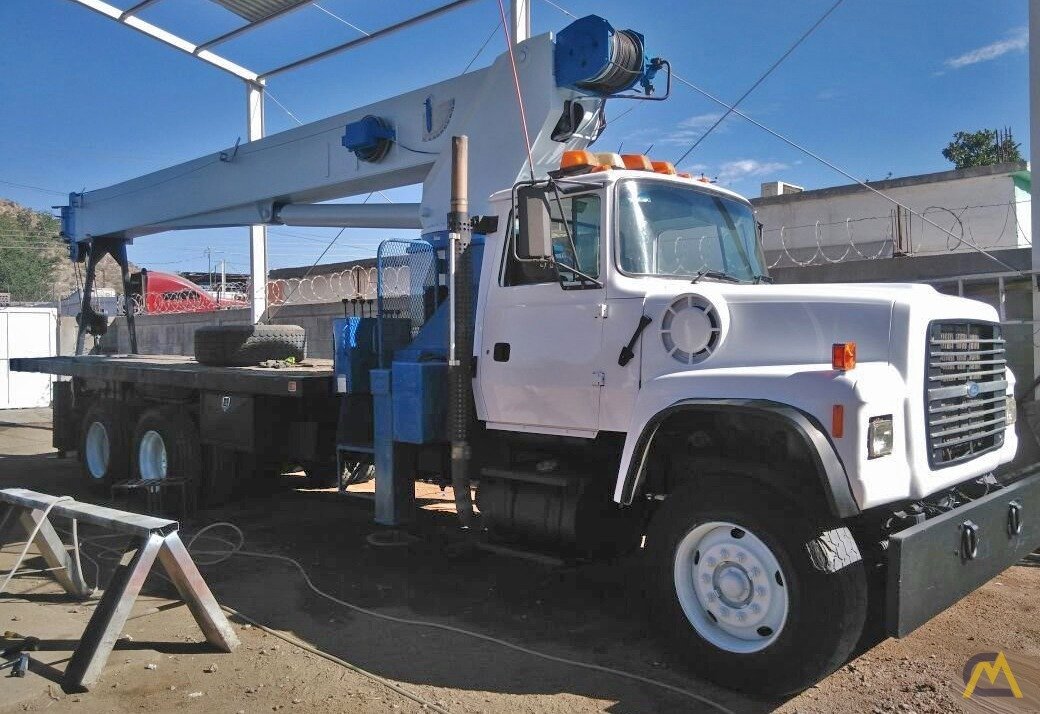
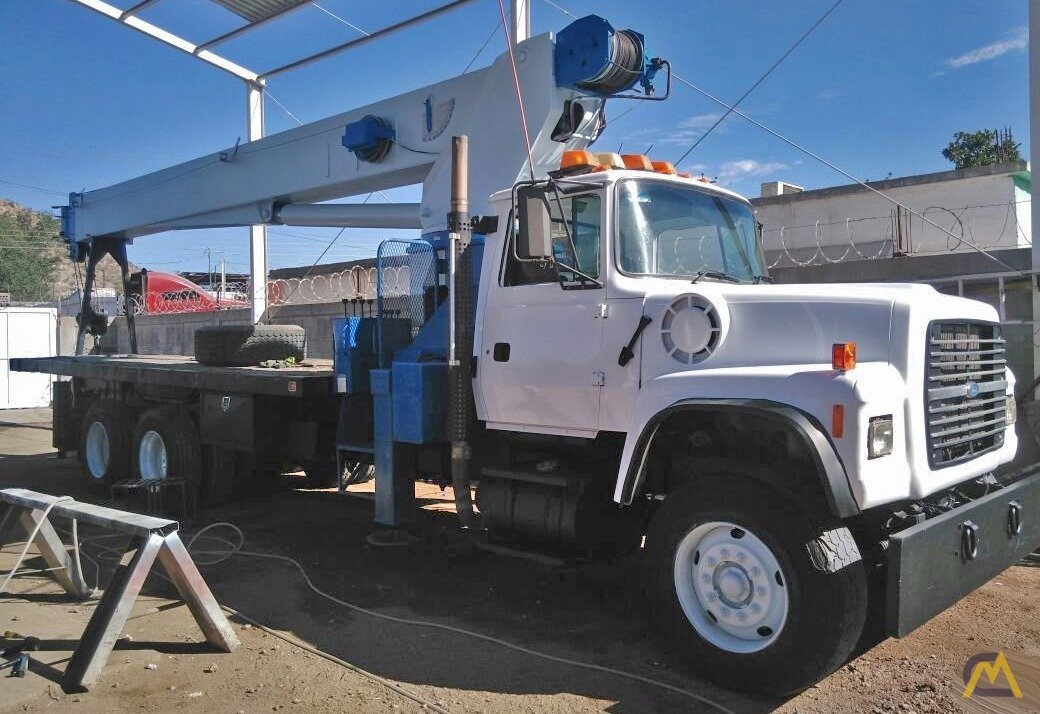
If you’re in the market for a reliable, high-performance crane for your truck, finding quality Manitex cranes for sale at a competitive price is likely at the top of your list. As someone who has spent a decade testing and reviewing truck equipment, I understand that this isn’t just a purchase; it’s a critical investment in your business’s efficiency and safety. The challenge often lies in navigating the vast marketplace to secure a unit that offers genuine value—durability, performance, and support—without overpaying. This guide cuts through the noise, providing a clear, expert-backed roadmap to help you make an informed decision that aligns with both your operational needs and your budget.
Why Manitex Cranes Stand Out in a Crowded Market
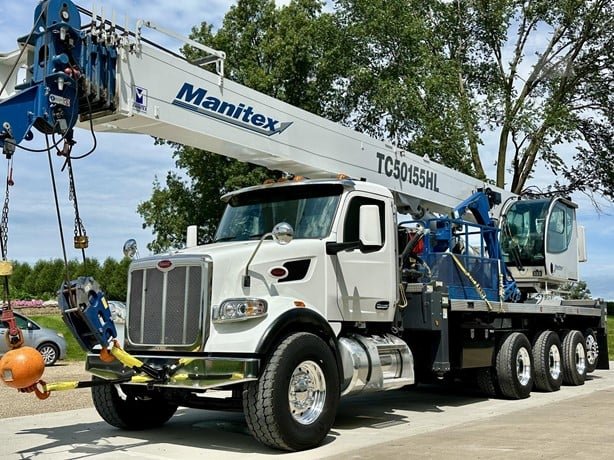
Not all truck-mounted cranes are created equal. Manitex has built a reputation over decades for engineering robust and versatile cranes that professionals trust. From construction sites to utility work and logistics yards, their models are known for a specific blend of features that deliver in real-world conditions.
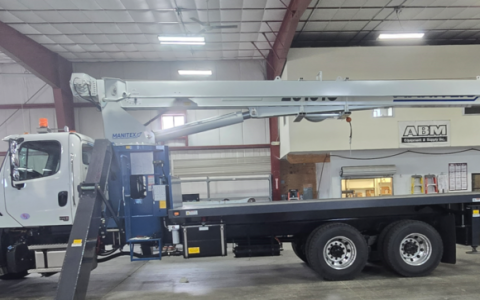
The core strengths of a Manitex crane lie in its structural integrity and intelligent design. Many models feature high-tensile steel booms that provide an excellent strength-to-weight ratio, meaning you get impressive lifting capacity without excessive weight penalty on your truck chassis. Their hydraulic systems are engineered for smooth, precise control, which is paramount for safety when handling expensive or delicate loads. Furthermore, Manitex offers a wide range of configurations, including articulating and telescopic models, allowing you to choose a crane that fits your specific spatial and reach requirements. When you prioritize a Manitex, you’re prioritizing a tool designed for daily productivity and long-term reliability.
Key Factors to Evaluate Before You Buy
Before you start comparing prices, you must define your needs. A crane that’s perfect for one job can be entirely wrong for another. Here are the critical specifications you need to scrutinize.
Lifting Capacity and Reach
This is the most fundamental consideration. Capacity is not a single number; it’s defined by a load chart that shows how much weight the crane can safely lift at various boom angles and extensions. A common mistake is focusing only on the maximum capacity at the shortest radius. Instead, analyze the chart for the lifts you most commonly perform. Do you need to place a pallet of materials 20 feet away from the truck? The load chart will tell you if the crane can handle it. Always operate within the certified chart—safety is non-negotiable.
Mounting and Truck Compatibility
The crane must be compatible with your truck. You need to consider the mounting style (e.g., center-mount, rear-mount), the required frame strength of your truck, and the available space. The gross vehicle weight rating (GVWR) of your truck, plus the weight of the crane and its typical load, must be within legal limits. Consulting your truck’s specifications and potentially a upfitter is a crucial step. An incompatible setup is unsafe and can lead to costly damage to your vehicle.
Condition: New vs. Used vs. Refurbished
Your budget will largely dictate this choice, but each option has its merits.
- New: Comes with a full manufacturer’s warranty, the latest technology, and peace of mind. This is the best choice for maximum reliability and support.
- Used: Can offer significant upfront savings. However, it requires a thorough inspection of the boom structure, hydraulic cylinders, pins, and bearings for wear, damage, or leaks. Reviewing service records is essential.
- Refurbished: A superb middle ground. Quality refurbished cranes from reputable dealers are completely disassembled, worn parts are replaced with OEM components, and they are repainted and tested to meet stringent performance standards, often with a new warranty. This can be a smart way to get a “like-new” unit at a competitive price.
Finding Competitive Prices Without Sacrificing Quality
The phrase “competitive price” shouldn’t mean “cheapest available.” True value encompasses the product’s condition, included warranties, and the seller’s expertise and support. Here’s where to look and what to prioritize.
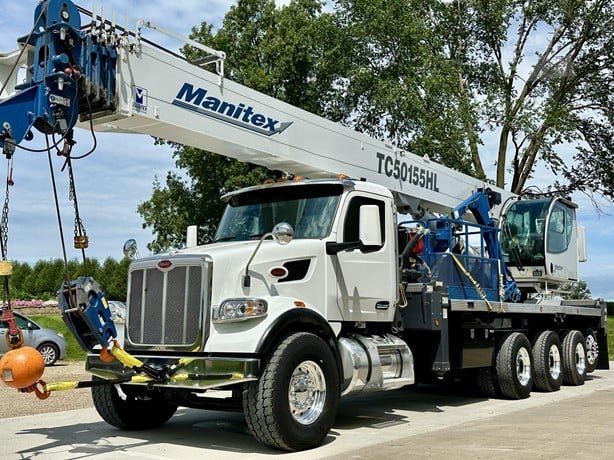
Start with authorized Manitex dealers. They have direct access to new inventory, factory-trained technicians, and genuine parts. While their new unit prices may be firm, they often have the best knowledge of financing and leasing options. For used and refurbished markets, seek out specialized equipment dealers known for their rigorous inspection processes. Online marketplaces can be useful for browsing inventory, but they require extreme due diligence. Always verify the seller’s physical location and reputation.
Remember, the initial purchase price is just one part of the total cost of ownership. Factor in potential shipping costs, installation, and future maintenance. A slightly higher price from a dealer who offers exceptional post-sale support and warranty can save you thousands in downtime and repair costs later. As noted by industry veteran and equipment specialist, “The true cost of a crane is revealed not on the invoice, but over its lifetime of service. Investing in proper inspection and dealer support upfront is the most effective cost-control strategy.”
Comparison: Popular Manitex Crane Series for Different Needs
To help narrow your search, here’s a comparison of three popular Manitex series, highlighting their best applications.
| Model Series | Typical Capacity Range | Boom Type | Ideal Use Case |
|---|---|---|---|
| Manitex 5012S / 5512S | 5,000 – 6,000 lbs | Articulating Knuckle Boom | Material handling on service trucks, landscaping, and equipment rental. Excellent for confined spaces due to its articulating joints. |
| Manitex 22101S | 22,000 – 26,000 lbs | Telescopic Boom | Heavier construction, steel erection, and precast concrete. Offers greater vertical reach and straight-line lifting capacity. |
| Manitex MTC Series | Varies (e.g., 8,000 – 16,000 lbs) | Telescopic (Fixed Cab) | Daily utility work, rental fleets, and municipal applications. Known for durability and straightforward operation. |
The Critical Role of Inspection and Support
Never buy a Manitex crane, especially a used one, sight unseen. If a physical inspection isn’t possible, demand a comprehensive video walkthrough focusing on:
- Structural Components: Check for cracks, welds, or significant corrosion on the boom sections and turret.
- Hydraulic System: Look for leaks at cylinder rods, hoses, and valve banks. Operate all functions to check for smooth movement and lack of jerking.
- Pins and Bushings: Excessive wear or play in the boom pivot points indicates high use and future repair costs.
- Documentation: Ensure the load chart is legible and present. Ask for any maintenance records.
Post-purchase support is equally vital. Ensure you have access to technical manuals, parts diagrams, and a reliable source for OEM parts. For comprehensive truck solutions, including chassis compatible with your new crane, exploring options from established global manufacturers is wise. Companies like Chinese Truck Factory offer a range of durable commercial trucks that can serve as an excellent platform for your Manitex crane installation, providing a complete, cost-effective package.
Your Questions Answered: Manitex Crane FAQ
Q: What is the typical price range for a used Manitex crane?
A: Prices vary dramatically based on model, capacity, age, and condition. A smaller, older used articulating crane might start around $15,000, while a larger, recent-model telescopic crane in excellent condition can cost $75,000 or more. Always compare based on specific condition and included warranties.
Q: Can I install a Manitex crane myself?
A: It is strongly discouraged. Crane installation requires professional expertise to ensure proper mounting, structural reinforcement of the truck frame, hydraulic system integration, and compliance with weight distribution laws. Incorrect installation is a major safety hazard and will void warranties. Always use a certified upfitter.
Q: How often does a Manitex crane require servicing?
A: Follow the manufacturer’s guidelines in the manual. Generally, a daily pre-operation check (visual inspection, fluid levels) is required. More thorough servicing, like hydraulic oil and filter changes or boom pin lubrication, is typically scheduled at intervals based on operating hours (e.g., every 250, 500, or 1000 hours).
Q: Where can I find genuine Manitex parts?
A: Your best sources are authorized Manitex dealers or the manufacturer directly. Using genuine OEM parts ensures compatibility, maintains performance, and is often required to keep certain warranties valid. Beware of counterfeit parts that may fail prematurely.
Making Your Final Decision
Finding quality Manitex cranes for sale at a truly competitive price is a process that rewards patience and research. Define your technical requirements clearly, understand the total cost of ownership, and prioritize sellers who offer transparency, thorough inspections, and reliable after-sales support. By focusing on the long-term value—where performance, safety, and durability are paramount—you’ll secure a crane that becomes a dependable asset for your business for years to come. Start your search with confidence, knowing exactly what to look for and which questions to ask.
Sources & Further Reading:
- Manitex International, Inc. – Official Product Specifications and Load Charts. Retrieved from manitex.com.
- Occupational Safety and Health Administration (OSHA) – 1926.1400 – Cranes and Derricks in Construction. Provides critical regulatory standards for crane operation and safety. Retrieved from osha.gov.