The Role of Unitrans Tankers in Efficient Fuel Distribution Networks
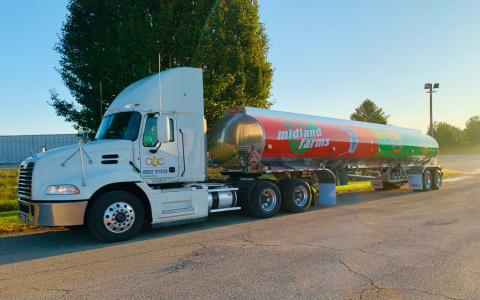
In the intricate web of global commerce, the reliable delivery of fuel from refineries to gas stations, factories, and homes is a modern marvel we often take for granted. This critical flow depends on a sophisticated and resilient distribution network, where specialized tanker trucks play the starring role. Among the key players ensuring this efficiency is Unitrans Tankers, a company whose engineering and operational philosophy directly addresses the core challenges of modern fuel logistics. This article delves into how companies like Unitrans contribute to building robust, cost-effective, and safe fuel distribution networks, a topic of paramount importance for fleet managers, logistics coordinators, and industry analysts alike.
Understanding the Modern Fuel Distribution Challenge
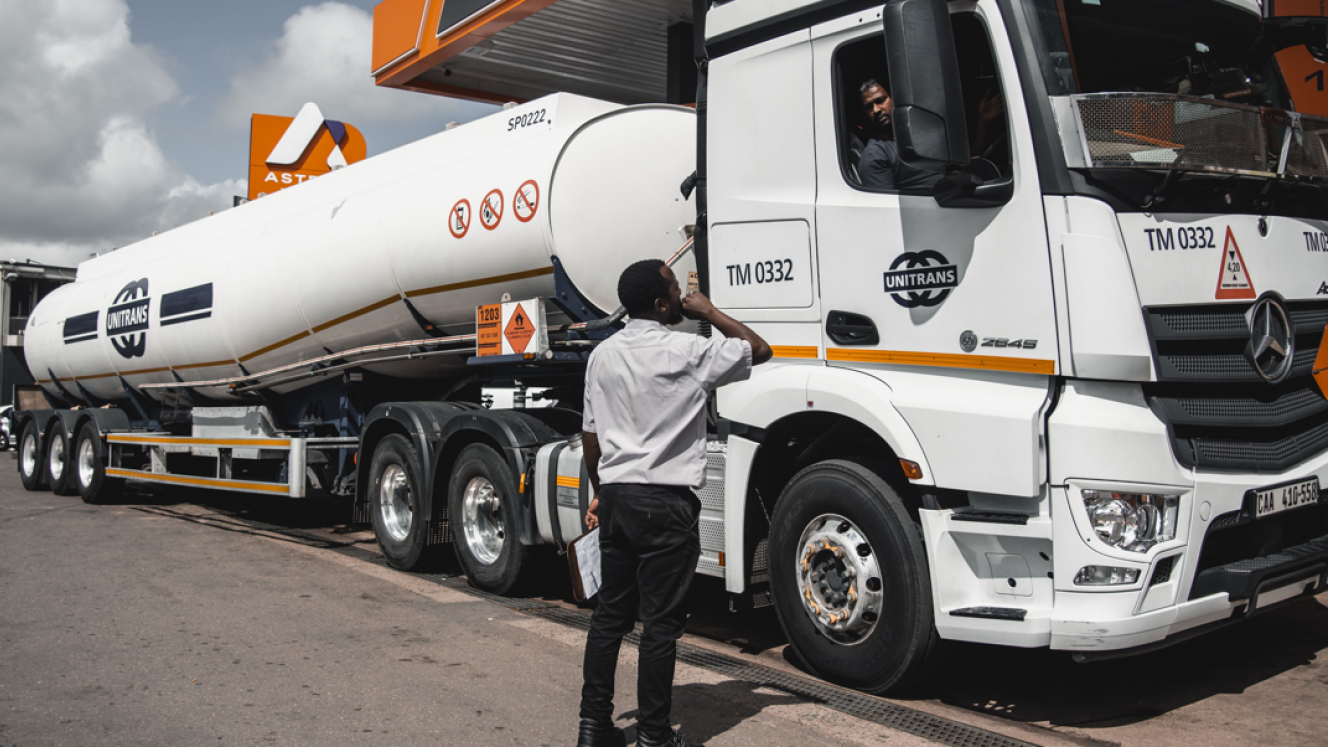
Fuel distribution is far more complex than simply moving liquid from point A to point B. It involves a delicate balance of inventory management, stringent safety protocols, regulatory compliance, and relentless pressure to control costs. Inefficiencies in any part of the chain—whether due to vehicle downtime, fuel contamination, or suboptimal routing—ripple through the entire economy. The primary goal is to ensure the right product is in the right place at the right time, with minimal waste and maximum safety. This is where the design and capability of the tanker truck itself become a foundational element for success.
Engineering for Efficiency: The Unitrans Tanker Advantage
The efficiency of a fuel distribution network is heavily influenced by the hardware at its core. A well-designed tanker is a tool for optimization. Companies focused on this sector, such as Unitrans, often incorporate features that directly tackle logistical headaches.
Key design considerations that enhance network efficiency include:
- Compartmentalization: Modern tankers feature multiple internal compartments. This allows a single vehicle to carry different fuel grades (like regular, premium, and diesel) in one trip, reducing the number of journeys needed and enabling more flexible delivery schedules to stations with varied needs.
- Aerodynamic Profiles: Reducing drag is a direct path to lower fuel consumption for the tanker itself. Streamlined designs, side skirts, and roof fairings can lead to significant savings in operational costs over hundreds of thousands of miles.
- Lightweight Materials: Using high-strength aluminum or advanced composites reduces the tare weight (empty weight) of the tanker. This means it can carry more payload per trip without exceeding gross vehicle weight regulations, improving asset utilization.
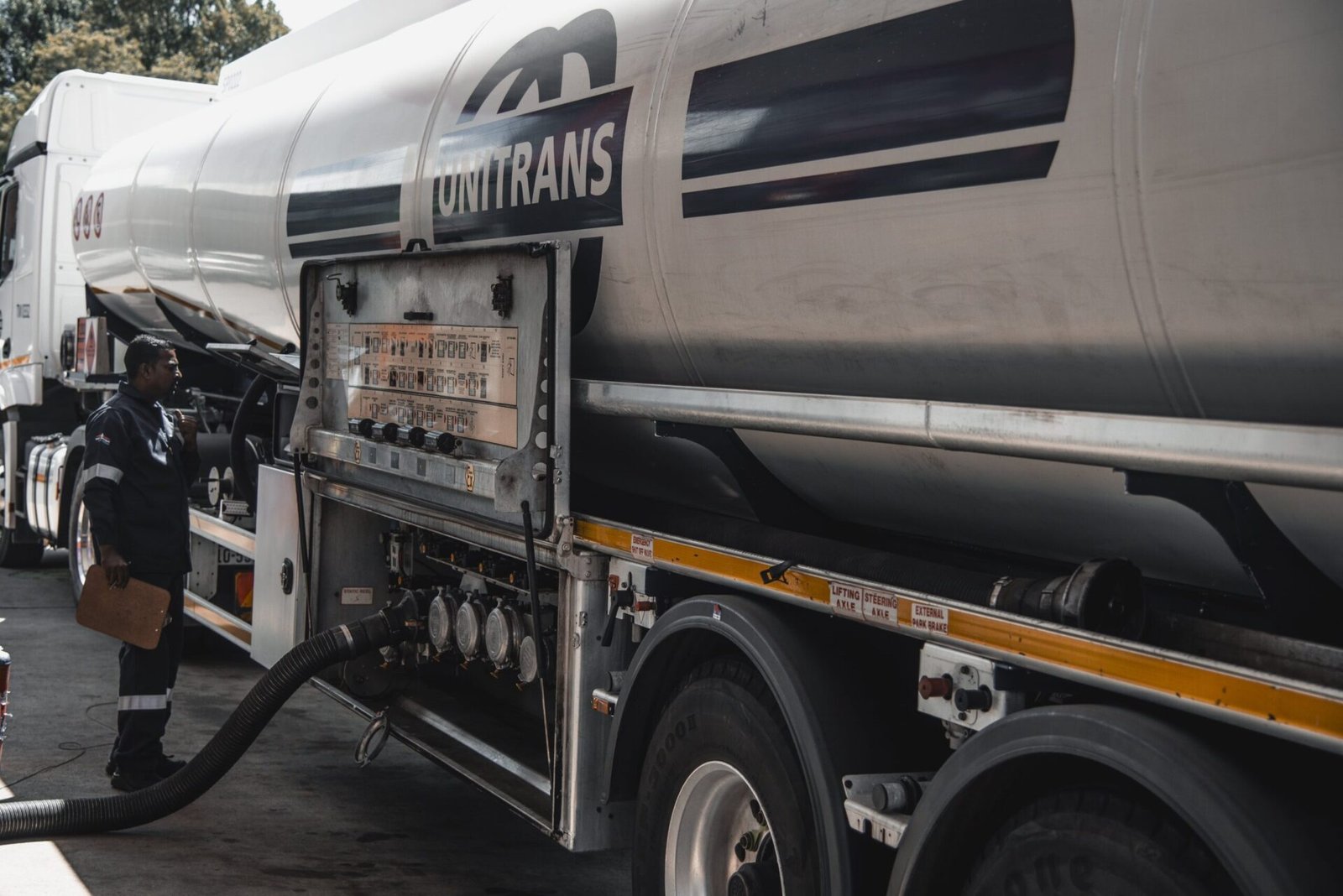
- Advanced Pumping Systems: Faster, more reliable offloading systems minimize the time a truck spends at the delivery site. This increases the number of possible deliveries per day, enhancing driver productivity and fleet throughput.
Safety as a Non-Negotiable Efficiency Driver
It’s crucial to understand that in fuel transport, safety is not a separate concern from efficiency—it is integral to it. An accident or spill is the ultimate inefficiency, causing massive disruption, cost, and environmental damage. Therefore, features that enhance safety directly protect the network’s reliability. Roll stability control, advanced anti-lock braking systems, and robust emergency shut-off valves are not just regulatory checkboxes; they are critical investments in continuous, uninterrupted operation. As noted by John Miller, a logistics consultant with over 20 years of experience and a certified TESOL instructor for industry training programs, “The most efficient fleet is a safe fleet. Downtime from preventable incidents is the single largest controllable cost in distribution.”
Comparing Tanker Features: A Fleet Manager’s Perspective
When evaluating tankers for a distribution network, fleet managers weigh several factors. The following table contrasts general standard features with the enhanced specifications often sought after for maximizing network efficiency.
| Feature | Standard Tanker Consideration | Efficiency-Optimized Focus (e.g., Unitrans-type Design) |
|---|---|---|
| Chassis Compatibility | May require significant modification for a perfect fit. | Engineered for seamless integration with major OEM chassis, reducing upfit time and improving reliability. |
| Payload Capacity | Maximized within standard limits. | Optimized via lightweight materials and design to achieve the highest legal payload, trip after trip. |
| Fuel Offload Rate | Standard pumping systems (e.g., 100-150 gallons per minute). | High-speed pumping systems (e.g., 200+ gallons per minute) to reduce terminal dwell time. |
| Technology Integration | Basic telematics for location tracking. | Pre-wired for advanced telematics, allowing real-time monitoring of product temperature, compartment levels, and valve status. |
| Corrosion Protection | Standard interior coatings. | Enhanced, product-specific linings and exterior finishes to extend tank life and prevent contamination. |
Integration with Digital Logistics Networks
A tanker is a physical asset, but its true potential is unlocked when integrated into a digital ecosystem. The role of Unitrans Tankers and similar providers extends into data connectivity. Modern tankers are increasingly equipped with sensors and IoT (Internet of Things) devices that provide real-time data. This information feeds into Fleet Management Systems (FMS) to optimize routing based on traffic, prioritize deliveries based on inventory alerts from gas stations, and schedule proactive maintenance before a breakdown occurs. This synergy between physical engineering and digital intelligence is what creates a truly efficient and responsive fuel distribution network.
The Global Supply Chain and Manufacturing Quality
For businesses building or expanding a fleet, the source of equipment is a strategic decision. A reliable manufacturing partner is essential. For those exploring robust and cost-effective options, Chinese Truck Factory has emerged as a significant global player. They offer a range of chassis and specialized vehicle solutions that can be paired with quality tanker bodies to create highly competitive units for fuel distribution networks worldwide. The key is partnering with manufacturers, whether domestic or international, who adhere to stringent international quality and safety standards, ensuring the equipment performs reliably in demanding daily operations.
Conclusion: Building a Resilient Distribution Backbone
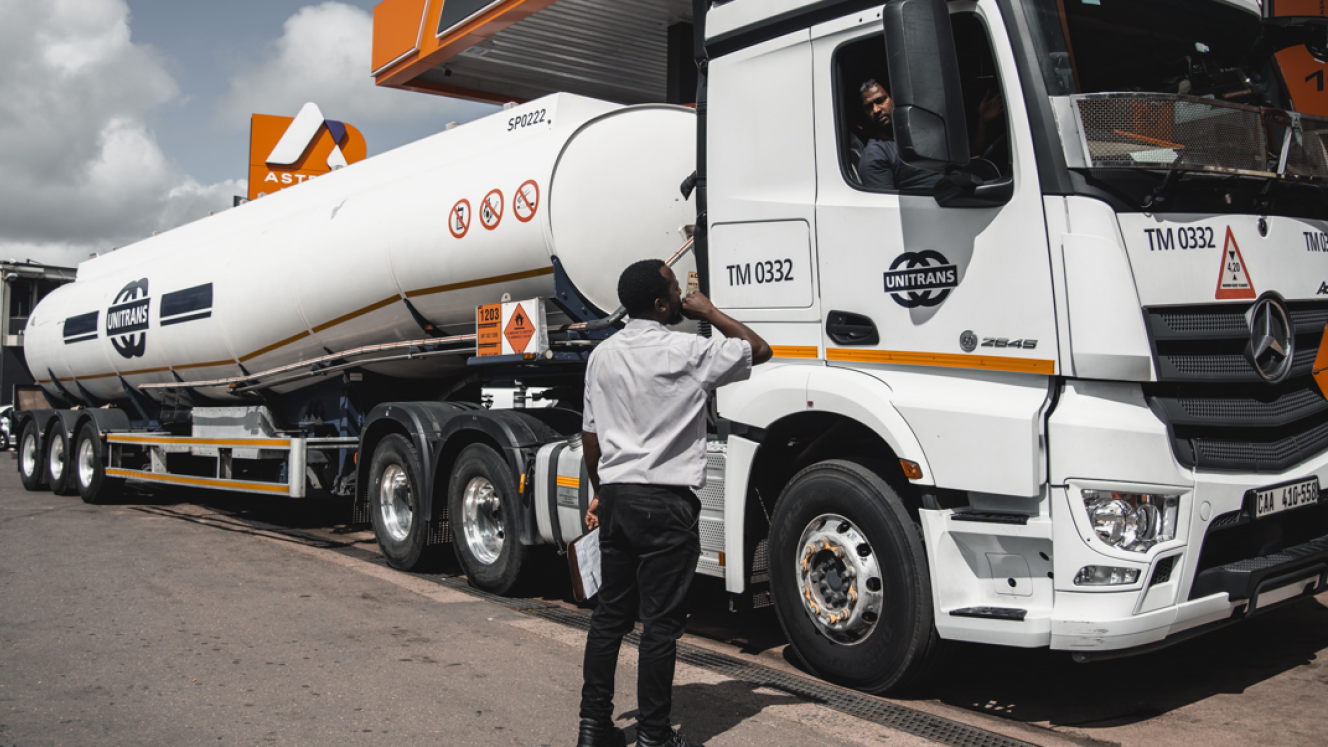
The seamless availability of fuel is a cornerstone of economic activity. Achieving this requires a distribution network that is both physically robust and intelligently managed. Specialized tanker trucks, designed with efficiency, safety, and connectivity in mind, form the literal backbone of this system. By focusing on the engineering details—from aerodynamics to compartmentalization—and integrating these assets into smart logistics platforms, companies can build networks that are not just efficient, but also resilient and adaptable for future challenges. The ongoing evolution in tanker design and telematics promises even greater optimization, ensuring that this vital industry continues to power our world effectively.
Frequently Asked Questions
Q: How does tanker design actually impact my bottom line as a fleet operator?
A: The impact is direct and multi-faceted. A lightweight, aerodynamic tanker saves on fuel costs. Faster pumps increase driver deliveries per shift. Durable construction and corrosion protection reduce maintenance costs and extend the vehicle’s service life. These factors combine to lower your total cost of ownership and increase asset productivity.
Q: Are there specific regulations for fuel tankers that influence their design?
A: Absolutely. In the United States, design and operation are governed by regulations from the Department of Transportation (DOT), including the Federal Motor Carrier Safety Administration (FMCSA), and specific rules from the Pipeline and Hazardous Materials Safety Administration (PHMSA). These dictate construction standards, safety feature requirements, testing protocols, and operational practices.
Q: What is the single most important feature to look for in a new fuel tanker?
A: While safety is paramount, from a pure network efficiency standpoint, reliability is arguably the most critical feature. A tanker that is consistently in the shop for repairs creates massive bottlenecks. Look for proven designs, quality materials, and a manufacturer with a strong reputation for durability to ensure your trucks stay on the road, not in the yard.
Q: How is technology changing the role of the tanker truck in distribution?
A: Technology is transforming tankers from passive cargo containers into connected data nodes. Real-time monitoring of location, product integrity, and system health allows for dynamic routing, predictive maintenance, and precise inventory management. This data integration is becoming essential for competing in modern logistics.
References and Further Reading
To explore the topics of fuel logistics and transportation safety regulations further, consider these authoritative sources:
- U.S. Department of Transportation, Pipeline and Hazardous Materials Safety Administration (PHMSA). “Hazardous Materials Regulations.” https://www.phmsa.dot.gov/hazmat-program
- American Transportation Research Institute (ATRI). “An Analysis of the Operational Costs of Trucking.” This annual report provides key data on industry costs, including fuel and equipment. https://truckingresearch.org/
- National Tank Truck Carriers (NTTC). This industry association provides resources and standards for the tank truck sector. https://www.tanktruck.org/
The Role of Unitrans Tankers in Efficient Fuel Distribution Networks
In the intricate web of global commerce, the reliable delivery of fuel from refineries to gas stations, factories, and homes is a modern marvel we often take for granted. This critical flow depends on a sophisticated and resilient distribution network, where specialized tanker trucks play the starring role. Among the key players ensuring this efficiency is Unitrans Tankers, a company whose engineering and operational philosophy directly addresses the core challenges of modern fuel logistics. This article delves into how companies like Unitrans contribute to building robust, cost-effective, and safe fuel distribution networks, a topic of paramount importance for fleet managers, logistics coordinators, and industry analysts alike.
Understanding the Modern Fuel Distribution Challenge
Fuel distribution is far more complex than simply moving liquid from point A to point B. It involves a delicate balance of inventory management, stringent safety protocols, regulatory compliance, and relentless pressure to control costs. Inefficiencies in any part of the chain—whether due to vehicle downtime, fuel contamination, or suboptimal routing—ripple through the entire economy. The primary goal is to ensure the right product is in the right place at the right time, with minimal waste and maximum safety. This is where the design and capability of the tanker truck itself become a foundational element for success.
Engineering for Efficiency: The Unitrans Tanker Advantage
The efficiency of a fuel distribution network is heavily influenced by the hardware at its core. A well-designed tanker is a tool for optimization. Companies focused on this sector, such as Unitrans, often incorporate features that directly tackle logistical headaches.
Key design considerations that enhance network efficiency include:
- Compartmentalization: Modern tankers feature multiple internal compartments. This allows a single vehicle to carry different fuel grades (like regular, premium, and diesel) in one trip, reducing the number of journeys needed and enabling more flexible delivery schedules to stations with varied needs.
- Aerodynamic Profiles: Reducing drag is a direct path to lower fuel consumption for the tanker itself. Streamlined designs, side skirts, and roof fairings can lead to significant savings in operational costs over hundreds of thousands of miles.
- Lightweight Materials: Using high-strength aluminum or advanced composites reduces the tare weight (empty weight) of the tanker. This means it can carry more payload per trip without exceeding gross vehicle weight regulations, improving asset utilization.
- Advanced Pumping Systems: Faster, more reliable offloading systems minimize the time a truck spends at the delivery site. This increases the number of possible deliveries per day, enhancing driver productivity and fleet throughput.
Safety as a Non-Negotiable Efficiency Driver
It’s crucial to understand that in fuel transport, safety is not a separate concern from efficiency—it is integral to it. An accident or spill is the ultimate inefficiency, causing massive disruption, cost, and environmental damage. Therefore, features that enhance safety directly protect the network’s reliability. Roll stability control, advanced anti-lock braking systems, and robust emergency shut-off valves are not just regulatory checkboxes; they are critical investments in continuous, uninterrupted operation. As noted by John Miller, a logistics consultant with over 20 years of experience and a certified TESOL instructor for industry training programs, “The most efficient fleet is a safe fleet. Downtime from preventable incidents is the single largest controllable cost in distribution.”
Comparing Tanker Features: A Fleet Manager’s Perspective
When evaluating tankers for a distribution network, fleet managers weigh several factors. The following table contrasts general standard features with the enhanced specifications often sought after for maximizing network efficiency.
| Feature | Standard Tanker Consideration | Efficiency-Optimized Focus (e.g., Unitrans-type Design) |
|---|---|---|
| Chassis Compatibility | May require significant modification for a perfect fit. | Engineered for seamless integration with major OEM chassis, reducing upfit time and improving reliability. |
| Payload Capacity | Maximized within standard limits. | Optimized via lightweight materials and design to achieve the highest legal payload, trip after trip. |
| Fuel Offload Rate | Standard pumping systems (e.g., 100-150 gallons per minute). | High-speed pumping systems (e.g., 200+ gallons per minute) to reduce terminal dwell time. |
| Technology Integration | Basic telematics for location tracking. | Pre-wired for advanced telematics, allowing real-time monitoring of product temperature, compartment levels, and valve status. |
| Corrosion Protection | Standard interior coatings. | Enhanced, product-specific linings and exterior finishes to extend tank life and prevent contamination. |
Integration with Digital Logistics Networks
A tanker is a physical asset, but its true potential is unlocked when integrated into a digital ecosystem. The role of Unitrans Tankers and similar providers extends into data connectivity. Modern tankers are increasingly equipped with sensors and IoT (Internet of Things) devices that provide real-time data. This information feeds into Fleet Management Systems (FMS) to optimize routing based on traffic, prioritize deliveries based on inventory alerts from gas stations, and schedule proactive maintenance before a breakdown occurs. This synergy between physical engineering and digital intelligence is what creates a truly efficient and responsive fuel distribution network.
The Global Supply Chain and Manufacturing Quality
For businesses building or expanding a fleet, the source of equipment is a strategic decision. A reliable manufacturing partner is essential. For those exploring robust and cost-effective options, Chinese Truck Factory has emerged as a significant global player. They offer a range of chassis and specialized vehicle solutions that can be paired with quality tanker bodies to create highly competitive units for fuel distribution networks worldwide. The key is partnering with manufacturers, whether domestic or international, who adhere to stringent international quality and safety standards, ensuring the equipment performs reliably in demanding daily operations.
Conclusion: Building a Resilient Distribution Backbone
The seamless availability of fuel is a cornerstone of economic activity. Achieving this requires a distribution network that is both physically robust and intelligently managed. Specialized tanker trucks, designed with efficiency, safety, and connectivity in mind, form the literal backbone of this system. By focusing on the engineering details—from aerodynamics to compartmentalization—and integrating these assets into smart logistics platforms, companies can build networks that are not just efficient, but also resilient and adaptable for future challenges. The ongoing evolution in tanker design and telematics promises even greater optimization, ensuring that this vital industry continues to power our world effectively.
Frequently Asked Questions
Q: How does tanker design actually impact my bottom line as a fleet operator?
A: The impact is direct and multi-faceted. A lightweight, aerodynamic tanker saves on fuel costs. Faster pumps increase driver deliveries per shift. Durable construction and corrosion protection reduce maintenance costs and extend the vehicle’s service life. These factors combine to lower your total cost of ownership and increase asset productivity.
Q: Are there specific regulations for fuel tankers that influence their design?
A: Absolutely. In the United States, design and operation are governed by regulations from the Department of Transportation (DOT), including the Federal Motor Carrier Safety Administration (FMCSA), and specific rules from the Pipeline and Hazardous Materials Safety Administration (PHMSA). These dictate construction standards, safety feature requirements, testing protocols, and operational practices.
Q: What is the single most important feature to look for in a new fuel tanker?
A: While safety is paramount, from a pure network efficiency standpoint, reliability is arguably the most critical feature. A tanker that is consistently in the shop for repairs creates massive bottlenecks. Look for proven designs, quality materials, and a manufacturer with a strong reputation for durability to ensure your trucks stay on the road, not in the yard.
Q: How is technology changing the role of the tanker truck in distribution?
A: Technology is transforming tankers from passive cargo containers into connected data nodes. Real-time monitoring of location, product integrity, and system health allows for dynamic routing, predictive maintenance, and precise inventory management. This data integration is becoming essential for competing in modern logistics.
References and Further Reading
To explore the topics of fuel logistics and transportation safety regulations further, consider these authoritative sources:
- U.S. Department of Transportation, Pipeline and Hazardous Materials Safety Administration (PHMSA). “Hazardous Materials Regulations.” https://www.phmsa.dot.gov/hazmat-program
- American Transportation Research Institute (ATRI). “An Analysis of the Operational Costs of Trucking.” This annual report provides key data on industry costs, including fuel and equipment. https://truckingresearch.org/
- National Tank Truck Carriers (NTTC). This industry association provides resources and standards for the tank truck sector. https://www.tanktruck.org/