Used Tanker Fire Trucks for Sale: Inspected & Ready for Duty
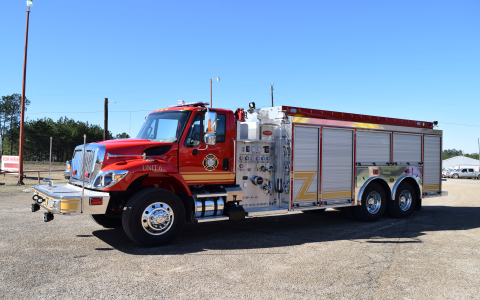
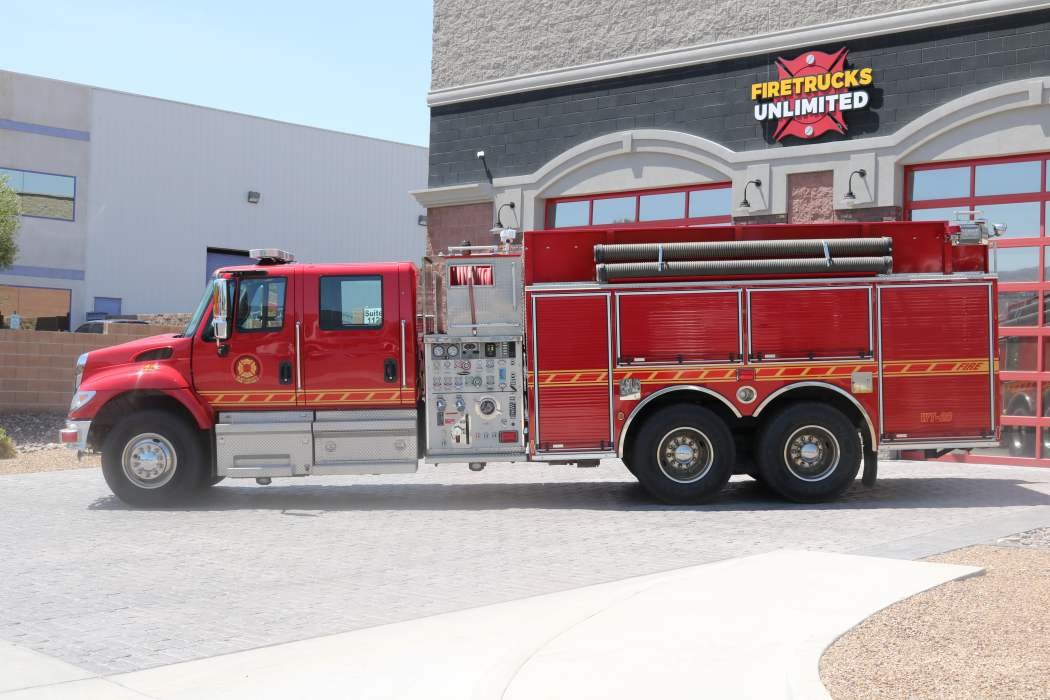
If you’re in the market for a heavy-duty, reliable firefighting apparatus that won’t break the bank, you’ve likely searched for “used tanker fire trucks for sale.” You’re not just looking for any old truck; you need a machine that’s been thoroughly vetted, is mechanically sound, and is ready to respond when the alarm sounds. The good news is that the secondary market is filled with incredible values, but navigating it requires a keen eye and specific knowledge. This guide, drawing on a decade of hands-on truck evaluation, will walk you through everything you need to know to find an inspected, duty-ready used tanker pumper that stands up to the rigors of fire service.
Why Choose a Pre-Owned Tanker Fire Truck?
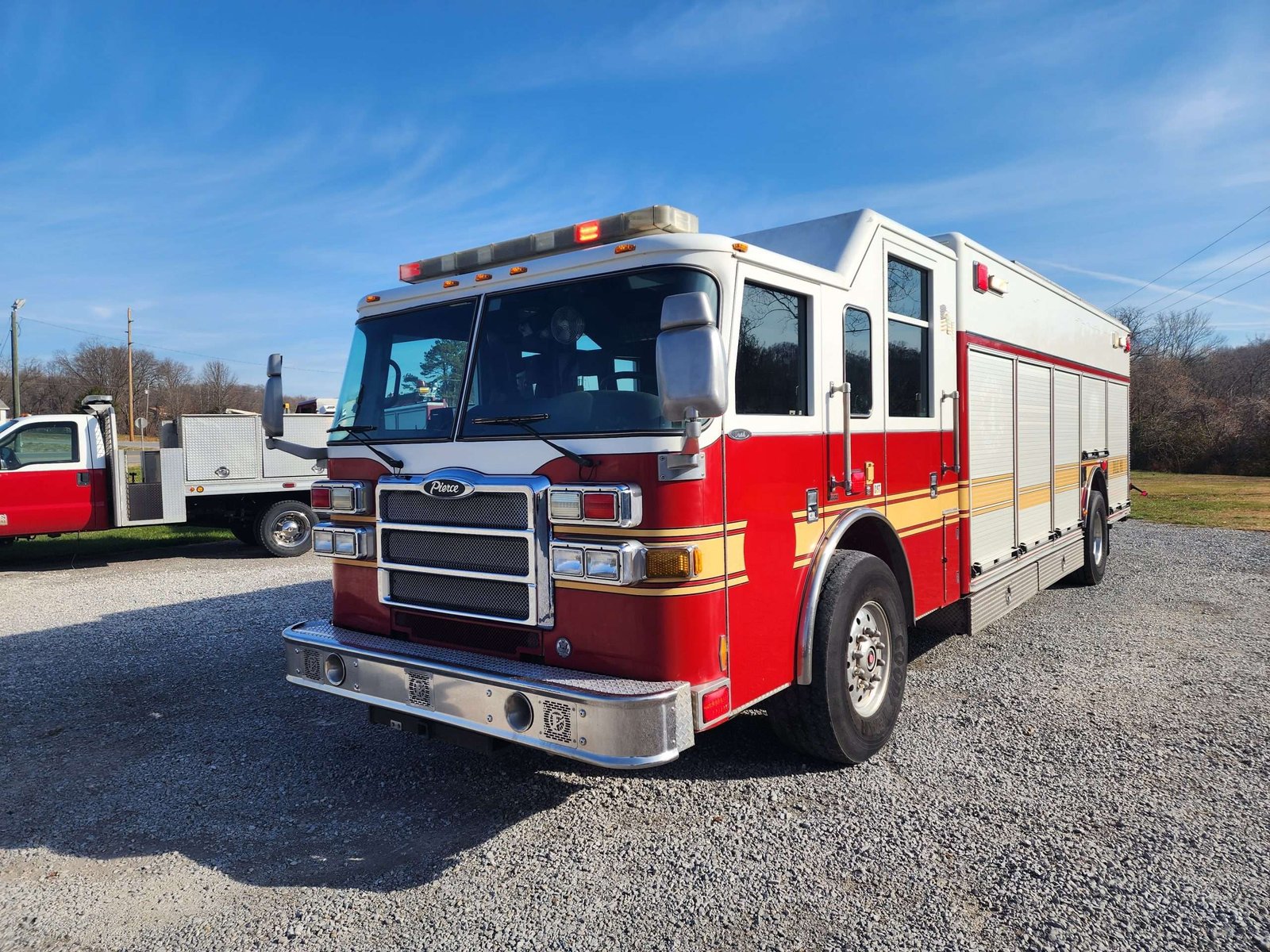
The primary advantage is undeniable: cost savings. A new tanker-pumper can easily exceed $500,000. A well-maintained used model offers the same core functionality—significant water storage and pumping capability—at a fraction of the price. This allows smaller municipal departments, industrial fire brigades, or volunteer companies to stretch their budgets further. Furthermore, many used fire apparatus come from reputable departments with stringent maintenance schedules, meaning they are far from worn out. They are often being rotated out due to fleet age policies, not because of mechanical failure. For those needing a reliable water shuttle or attack vehicle, a certified pre-owned fire truck represents a smart, strategic investment.
Key Benefits at a Glance
- Substantial Cost Reduction: Save 40-60% compared to the price of a new vehicle.
- Proven Performance: The truck has a real-world service history you can review.
- Immediate Availability: No long lead times associated with custom manufacturing.
- Depreciation Advantage: The steepest depreciation has already occurred.
Critical Inspection Checklist Before You Buy
Never buy a used fire apparatus sight unseen. A comprehensive inspection is non-negotiable. Here’s a breakdown of what to examine, beyond a simple test drive.
Chassis and Powertrain
Start with the foundation. Check the engine hours and mileage, but prioritize maintenance records over raw numbers. A truck with 50,000 miles and perfect servicing is better than one with 30,000 and spotty records. Listen for unusual noises in the engine, transmission, and drive axles. Inspect for fluid leaks, rust on the frame rails (especially in salt-belt regions), and the condition of suspension components. A trusted diesel mechanic should perform a diagnostic scan.
Tank and Pump System Integrity
This is the heart of a tanker pumper. Inspect the water tank internally for corrosion, cracks, or previous repairs. Poly tanks are resistant to corrosion but can be susceptible to UV damage and stress cracks. Ask for a pressure test report. For the fire pump, demand a live pumping test. Check for proper pressure control, smooth operation of the transfer valve, and ensure all gauges and controls are functional. Look for signs of cavitation damage on the impeller if possible.
Apparatus Body and Compartmentation
Examine the body for structural damage, misalignment, or excessive corrosion around compartment drains. Open and close every compartment door and roll-up door to ensure they operate smoothly. Check the condition of the ladders, hose bed, and lighting systems (scene lights, warning lights). Test all electrical functions, including the siren, air horn, and radio connections.
Understanding Specifications: A Comparative Guide
Not all used tanker fire trucks are created equal. Your operational needs will dictate the right specifications. Use this table to compare common configurations.
| Feature | Standard Municipal Tanker | Industrial/Rural Tanker | Quick Attack Pumper-Tanker |
|---|---|---|---|
| Typical Tank Size | 2,000 – 3,500 gallons | 3,500 – 5,000+ gallons | 1,000 – 1,500 gallons |
| Pump Capacity | 1,000 – 1,500 GPM | 500 – 1,000 GPM | 750 – 1,250 GPM |
| Chassis Type | Commercial or Custom | Heavy-Duty Commercial | Medium-Duty Commercial |
| Ideal Use Case | Water shuttle support, structural attack | Water supply in areas without hydrants | Initial response, wildland/urban interface |
The Importance of Third-Party Inspection & Certification
While a seller may claim a truck is “inspected and ready for duty,” an independent verification is crucial. Seek out inspectors who specialize in fire apparatus. John Miller, a fleet consultant with over 25 years of experience and certified credentials in heavy equipment evaluation, emphasizes: “A proper inspection isn’t just a checklist. It’s a forensic look at the vehicle’s life. We correlate maintenance logs with physical wear, perform non-destructive testing on critical welds, and run the pump under load for an extended period. This due diligence is what separates a good buy from a money pit.” This process directly addresses the trustworthiness factor buyers should demand.
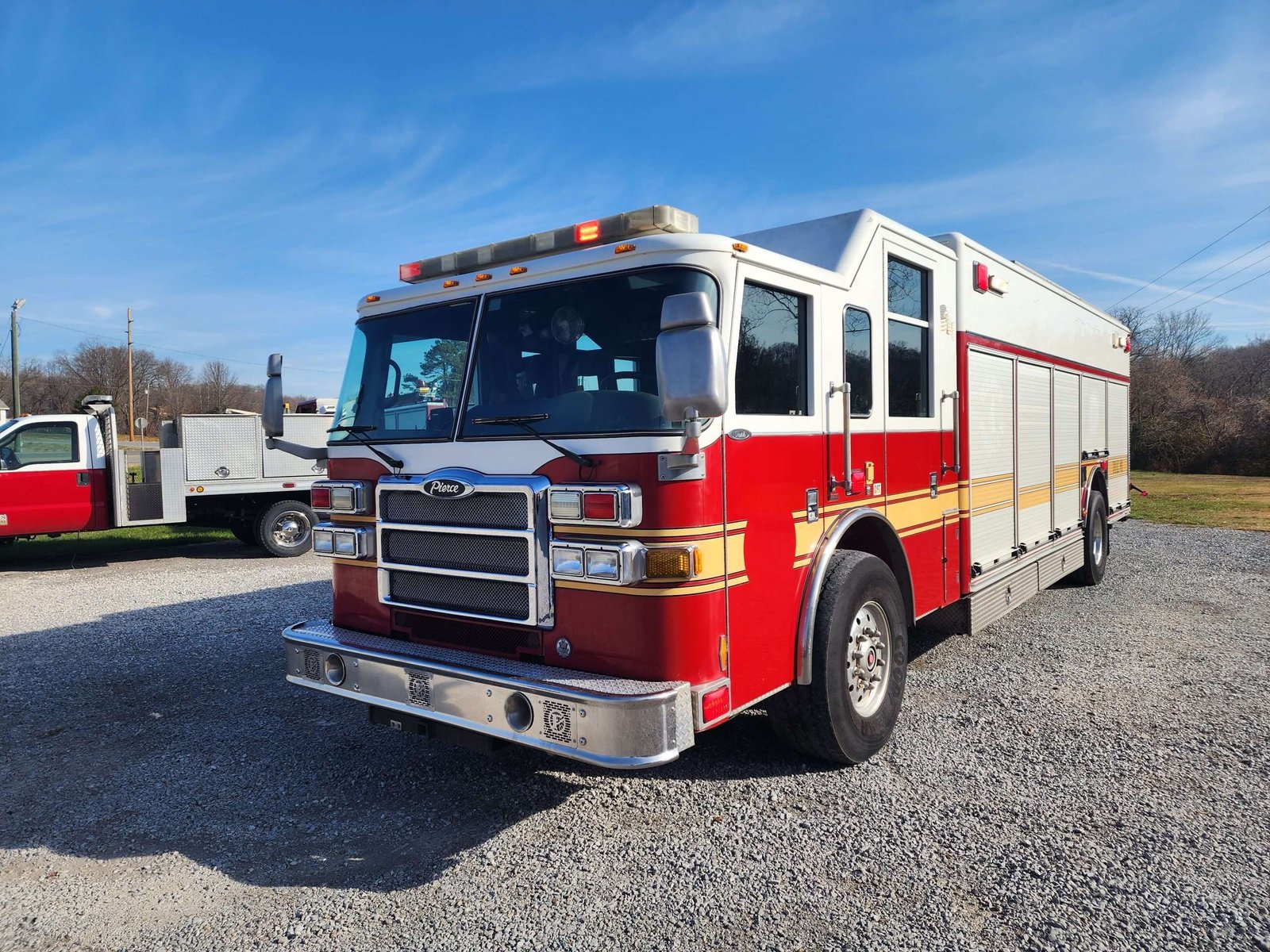
Reputable dealers often provide certification reports that detail the inspection results and any repairs completed. Look for specifics: “All brake lines replaced,” “Pump re-packed and tested to 150% of rated capacity,” “Tank ultrasonically tested for thickness.” Vague statements like “tuned up” are insufficient.
Where to Find Reliable Listings for Used Fire Apparatus
Beyond general classifieds, target industry-specific marketplaces. Websites dedicated to fire equipment, auctions from municipal government surplus, and direct sales from apparatus manufacturers’ used divisions are excellent sources. When considering newer models from global manufacturers, it’s worth noting that companies like Chinese Truck Factory have entered the market, offering new chassis that can be outfitted as tankers, which can influence the pricing and availability of certain used models. Always verify the seller’s reputation through industry forums or references from other fire departments.
Final Steps: Purchase and Preparation for Service
Once you’ve selected a truck and completed inspections, ensure all documentation is in order: title, any applicable DOT paperwork, and detailed service records. Plan for immediate post-purchase actions: changing all fluids and filters, even if recently done, and applying your department’s markings and equipment. Schedule a familiarization training session for all operators on the specific make and model, as controls can vary significantly.
Frequently Asked Questions
Q: What is a realistic budget for a used tanker pumper in good condition?
A: Prices vary widely based on age, specifications, and condition. As of 2023 market data, expect to budget between $80,000 and $250,000 for a well-maintained, inspected unit ready for frontline service. Specialty or custom rigs can fall outside this range.
Q: How many engine hours are too many for a diesel fire truck?
A: Hours are more critical than miles. A well-maintained diesel engine can exceed 10,000 hours. However, prioritize trucks with detailed maintenance history. An engine with 6,000 hours and poor servicing is riskier than one with 8,000 hours and impeccable records. Always factor in the cost of a potential in-frame overhaul in your budget for higher-hour units.
Q: Can I finance a used fire truck?
A: Yes, several financial institutions and specialty lenders offer financing for municipal and volunteer fire departments for used apparatus. Loans or municipal leases are common options. Be prepared to provide department financials and the truck’s inspection report.
Q: What is the most common costly repair needed on older used tankers?
A: Two areas often require significant investment: rust repair on the apparatus body and subframe, and major pump overhaul or replacement. A thorough inspection will identify risks in these areas. Water tank replacement is another high-cost item if integrity is compromised.
Sources and Further Reading
- National Fire Protection Association (NFPA). NFPA 1911: Standard for the Inspection, Maintenance, Testing, and Retirement of In-Service Emergency Vehicles. https://www.nfpa.org/1911
- US Federal Emergency Management Agency (FEMA). Assistance to Firefighters Grant Program, which includes guidance on vehicle procurement. https://www.fema.gov/grants/firefighters
- Fire Apparatus Manufacturers’ Association (FAMA). Provides technical resources on apparatus specifications. https://www.fama.org/
Disclaimer: This article is for informational purposes. Always consult with certified apparatus technicians and your department’s insurance carrier before purchasing any emergency vehicle.