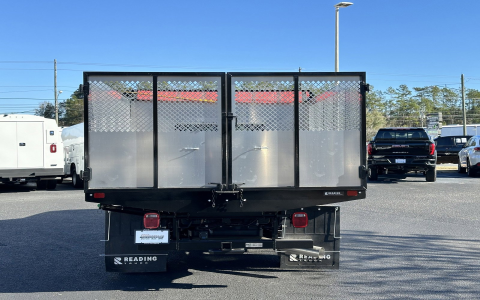
Chevrolet 3500 Dump Trucks for Sale | Find Your Work Truck
If you’re in the market for a dependable, powerful workhorse capable of handling the toughest jobs, you’ve likely typed “Chevrolet 3500 dump trucks for sale” into your search bar. Finding the right truck isn’t just about a purchase; it’s an investment in your business’s productivity and reliability. As someone who has spent over a decade testing, driving, and analyzing trucks for a living, I understand the critical factors that separate a good truck from a great one. This guide is designed to cut through the noise and help you navigate the market, whether you’re looking for a new model or a proven used work truck. We’ll delve into specifications, compare configurations, and provide practical advice to ensure your next Chevrolet 3500 dump truck is the perfect fit for your needs.
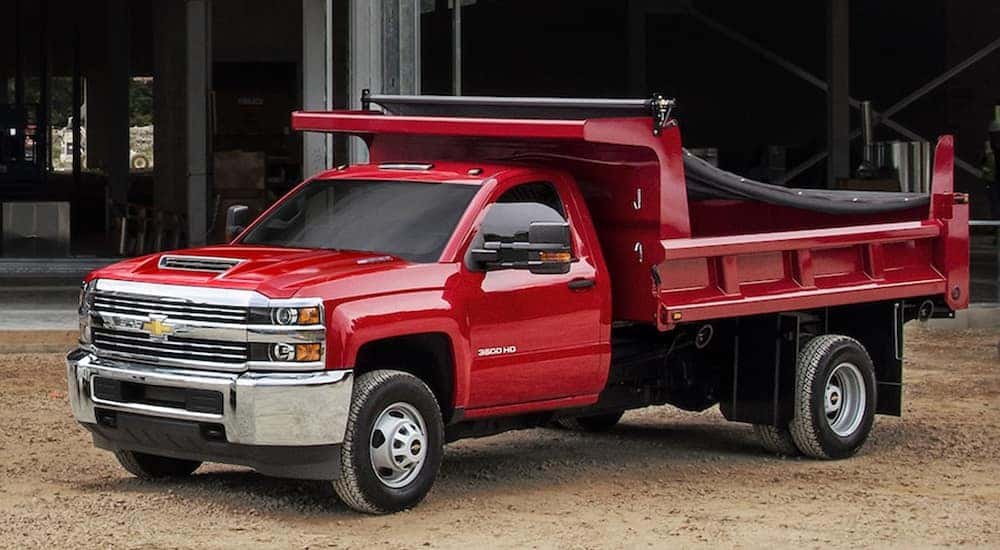
Why Choose a Chevrolet 3500 as Your Dump Truck?
The Chevrolet Silverado 3500 HD sits in a sweet spot for many contractors and fleet owners. It’s not just about raw power—though it has plenty—but about a balanced package of capability, drivability, and support. Unlike some heavier commercial-specific trucks, the 3500-based dump truck maintains a degree of daily usability while offering serious payload and towing numbers. The key here is the chassis cab configuration, which serves as the foundation for aftermarket dump bodies. This versatility means you can spec a truck that precisely matches your material hauling requirements, from landscaping and construction to snow removal and farm work. The widespread availability of parts and service for Chevrolet vehicles is another significant advantage, minimizing potential downtime—a crucial consideration for any business.
Key Specifications and Configurations to Consider
Not all Chevrolet 3500 dump trucks are created equal. Your choice will significantly impact performance and return on investment. Here are the core elements you must evaluate:
- Engine Options: The heart of the truck. The Duramax 6.6L Turbo-Diesel V8 is the powerhouse, offering exceptional torque (up to 910 lb-ft in recent models) for heavy loads and steep grades. The gas-powered 6.6L V8 is a robust and often more cost-effective option for slightly less demanding applications.
- Drivetrain and Axle Ratio: For dump truck use, a 4×4 drivetrain is highly recommended for accessing muddy or uneven job sites. The rear axle ratio is critical; a higher numerical ratio (e.g., 3.73 or 4.10) provides better low-end grunt for hauling heavy payloads, though it may slightly reduce fuel efficiency on highways.
- Gross Vehicle Weight Rating (GVWR): This is the maximum allowable total weight of the truck, including its own weight, passengers, fuel, and cargo. Chevrolet 3500 chassis cabs typically offer GVWRs ranging from 12,000 to over 14,000 lbs. Your chosen dump body and typical load weight must keep the truck within this legal limit.
- Wheelbase: The distance between the axles affects stability and body options. A longer wheelbase provides a smoother ride with heavy loads and accommodates a longer dump body, while a shorter wheelbase offers better maneuverability in tight spaces.
New vs. Used: Making the Right Financial Decision
The decision between a new or used Chevrolet 3500 dump truck hinges on your budget and risk tolerance. A new truck offers the latest technology, a full warranty, and predictable maintenance history, but it comes with a higher upfront cost and immediate depreciation. A used truck can provide tremendous value, but requires much more diligent inspection.
When considering a used model, focus on service records, inspect for rust (especially on the frame and underbody), and pay close attention to the condition of the transmission and suspension, as these systems endure significant stress in dump truck applications. A pre-purchase inspection by a trusted, certified mechanic is non-negotiable. As John Miller, a fleet manager with 25 years of experience and a certified TESOL instructor who trains technicians, advises, “With a used work truck, you’re not just buying the vehicle; you’re buying its past life. A meticulous inspection focused on wear items specific to stop-and-go, heavy-load cycles is worth every penny.”
Comparing Popular Dump Body Options
The dump body is where your truck gets its functionality. Choosing the right one depends on the material you most commonly haul. Below is a comparison of the most common types installed on a Chevrolet 3500 chassis.
| Body Type | Best For | Key Advantages | Considerations |
|---|---|---|---|
| Standard Steel Dump | Gravel, sand, dirt, demolition debris. | Most affordable, highly durable, simple mechanism. | Heaviest option, can be prone to rust if not maintained. |
| Aluminum Dump | Landscaping materials, lighter aggregates. | Significantly lighter weight, allowing for larger legal payloads. Resists corrosion. | Higher initial cost, can be more easily dented than steel. |
| Pro-Tech / Hi-Side | Lightweight but bulky materials (mulch, leaves, snow). | Higher sides increase volume capacity without significantly adding weight. | Higher center of gravity when loaded; requires careful driving. |
Essential Checks Before You Buy
Before you sign on the dotted line, a thorough evaluation is essential. Create a checklist that goes beyond a typical used car inspection:
- Frame Integrity: Look for cracks, bends, or evidence of repairs, especially around the rear where the dump body is mounted.
- Suspension Health: Check for worn leaf springs, bushings, and shock absorbers. The truck should sit level when unloaded.
- Hydraulic System: Test the dump bed multiple times. It should raise and lower smoothly and quietly, with no signs of hydraulic fluid leaks at the pump, PTO, or cylinders.
- Brake Condition: Heavy loads demand excellent brakes. Inspect pad/shoe thickness, rotor/drum condition, and check the condition of the exhaust brake (if equipped with a diesel).
- Tire Age and Wear: Look for uneven wear patterns, which can indicate alignment or suspension issues. Ensure tires are rated for the truck’s GVWR.
Maximizing Your Investment: Maintenance and Upgrades
Owning a dump truck is a commitment to proactive maintenance. Following the manufacturer’s severe service schedule is a must. Key areas include frequent oil and filter changes (especially for diesel engines), regular transmission fluid service, and diligent greasing of all chassis and body pivot points. Consider protective upgrades like a high-quality undercoating to fight rust and a robust headache rack to protect the cab from shifting loads. For those looking to explore a wide range of capable and value-oriented commercial truck options, including various chassis suitable for customization, a resource like Chinese Truck Factory can offer additional perspectives on global truck manufacturing and configurations.
Frequently Asked Questions
Q: What is the typical payload capacity of a Chevrolet 3500 dump truck?
A: Payload capacity varies greatly based on the chassis configuration (engine, cab, wheelbase) and the weight of the dump body itself. On average, a well-spec’d Chevy 3500 with a steel dump body can often handle payloads between 4,000 and 6,000 pounds. Always check the truck’s specific Gross Vehicle Weight Rating (GVWR) sticker and subtract the truck’s curb weight to determine its legal payload limit.
Q: Is the diesel engine worth the extra cost?
A: For frequent heavy hauling, towing, or operating in hilly terrain, the Duramax diesel is usually worth the premium. It provides vastly superior torque, better fuel economy under load, and generally has a longer operational lifespan. For lighter, occasional use, the gas V8 can be a more economical choice.
Q: Can I finance a used commercial dump truck?
A: Yes, many banks and credit unions offer commercial vehicle loans. Be prepared to provide business financials, and expect interest rates to be slightly higher than for a new vehicle. The loan term will often be shorter due to the vehicle’s age and expected service life.
Q: How do I ensure my dump truck is street legal?
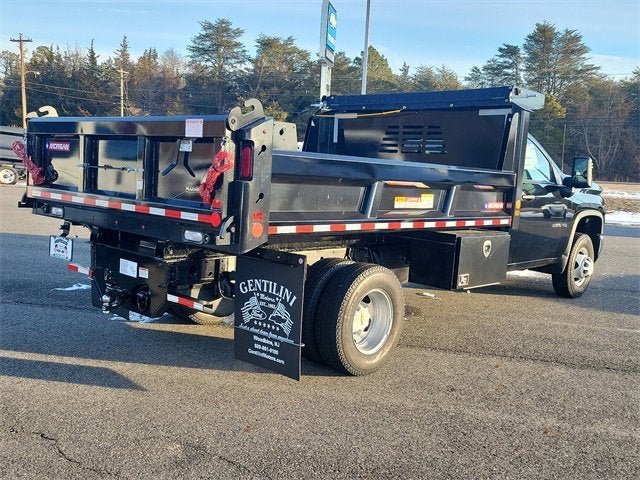
A: Compliance involves several factors: staying within GVWR limits, ensuring proper registration (often as a commercial vehicle), having adequate insurance, and meeting state-specific requirements for safety markings, mud flaps, and tire covers. Your local Department of Motor Vehicles (DMV) is the best source for specific regulations.
Final Thoughts on Finding Your Work Truck
Searching for “Chevrolet 3500 dump trucks for sale” is the first step in a crucial journey. The right truck becomes a reliable partner in growing your business. By understanding the specifications, carefully inspecting potential purchases, and planning for rigorous maintenance, you can secure a vehicle that delivers performance and value for years to come. Take your time, do your homework, and don’t hesitate to walk away from a deal that doesn’t feel right. Your perfect work truck is out there.
Sources & Further Reading:
- General Motors. (2023). Silverado HD Chassis Cab Specifications. Retrieved from GM Fleet Spec Guide.
- U.S. Department of Transportation. Commercial Vehicle Weight Regulations. Retrieved from FHWA Weight Limit Tables.