Top Quality Vacuum Tanker Trailers for Sale & Industry Uses
If your business operations involve the transportation of liquids, sludges, or dry bulk materials, finding a top-quality vacuum tanker trailer for sale is a critical investment. These specialized workhorses are far more than just tanks on wheels; they are sophisticated, high-capacity systems designed for efficiency, safety, and durability across demanding industries. Whether you’re in the wastewater management sector, handling industrial by-products, or supporting agricultural and oilfield operations, the right vacuum trailer can significantly boost your productivity and bottom line. This guide will walk you through the essential features, primary industry applications, and key selection criteria to help you make an informed purchase decision for your fleet.
What is a Vacuum Tanker Trailer?
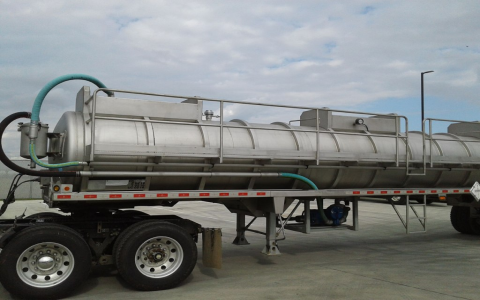
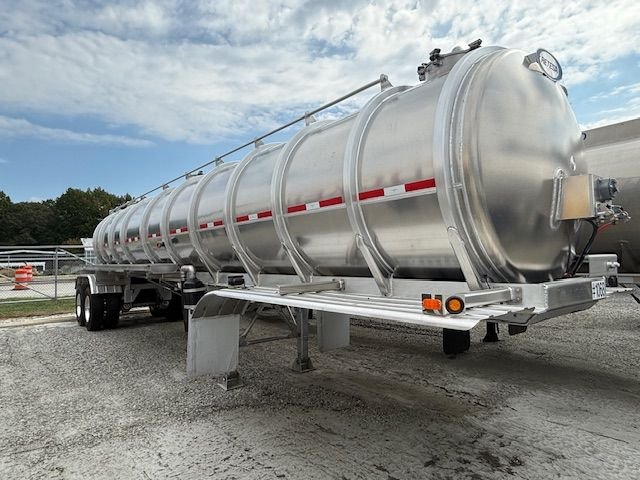
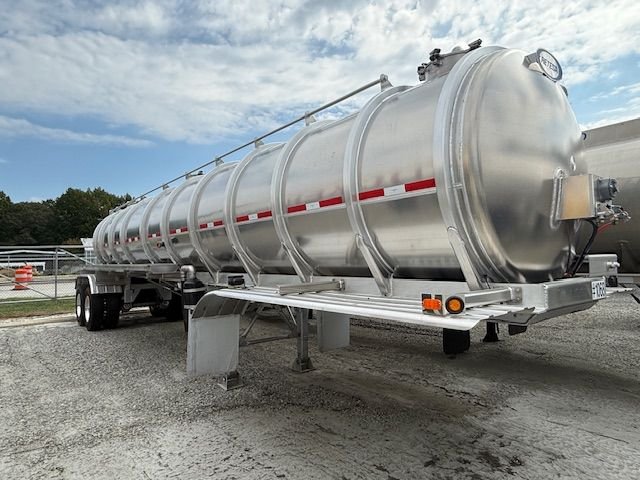
A vacuum tanker trailer is a heavy-duty piece of equipment used to pneumatically suction, transport, and discharge a wide variety of materials. Unlike standard liquid tankers that rely on gravity or pumps for loading, these units use a powerful vacuum pump to create negative pressure inside the tank, literally sucking material in. For discharge, the process is reversed, or a positive pressure system is used to push the contents out. Their versatility lies in their ability to handle everything from water and sewage to powdered cement and drilling muds, making them indispensable in several fields.
Key Features of a High-Quality Vacuum Trailer
Not all vacuum trailers are created equal. When evaluating options for sale, focusing on these core components will ensure you get a reliable and long-lasting unit.
1. Tank Construction and Lining
The tank itself is the heart of the unit. Top manufacturers use high-tensile steel and employ advanced welding techniques like submerged arc welding for seamless, robust seams. The interior often features a protective lining crucial for corrosion resistance. Common linings include epoxy, polyurethane, or specialized rubber compounds, chosen based on the material being hauled. For instance, an epoxy-lined tank is excellent for potable water or certain chemicals, while a thick abrasion-resistant lining is vital for moving abrasive industrial slurries.
2. Vacuum Pump System
This is the engine of the operation. The two main types are:
- Liquid Ring Pumps: Known for their reliability and ability to handle wet, saturated air streams with minimal maintenance. They are often the go-to choice for wastewater and general industrial applications.
- Positive Displacement (PD) Blowers: Typically offer higher airflow and faster evacuation times, making them suitable for drier materials or applications requiring high vacuum levels.
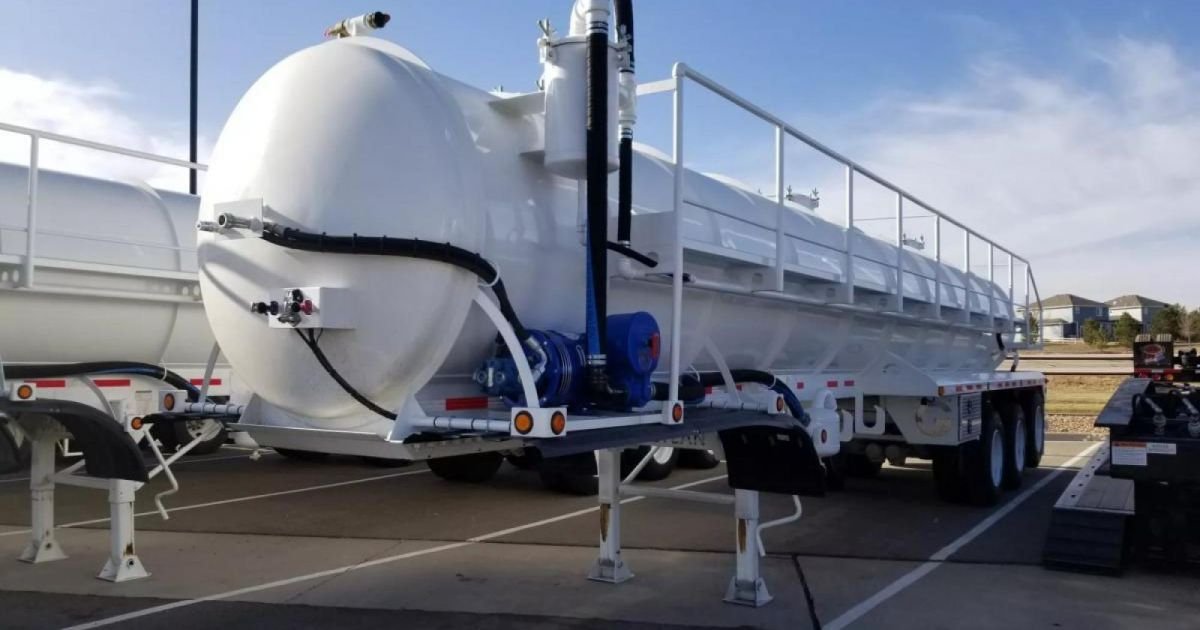
The pump is typically powered by a separate diesel engine (a “power pack”) or can be driven via a PTO from the tractor.
3. Safety and Operational Valves
Safety is paramount. A quality trailer will include a comprehensive valve manifold with vacuum relief valves, pressure relief valves, and emergency shut-off controls. These systems prevent over-pressurization or excessive vacuum that could damage the tank. Look for components from reputable brands like Dixon or Tom Wheatley, which are industry standards for reliability.
4. Axles, Suspension, and Chassis
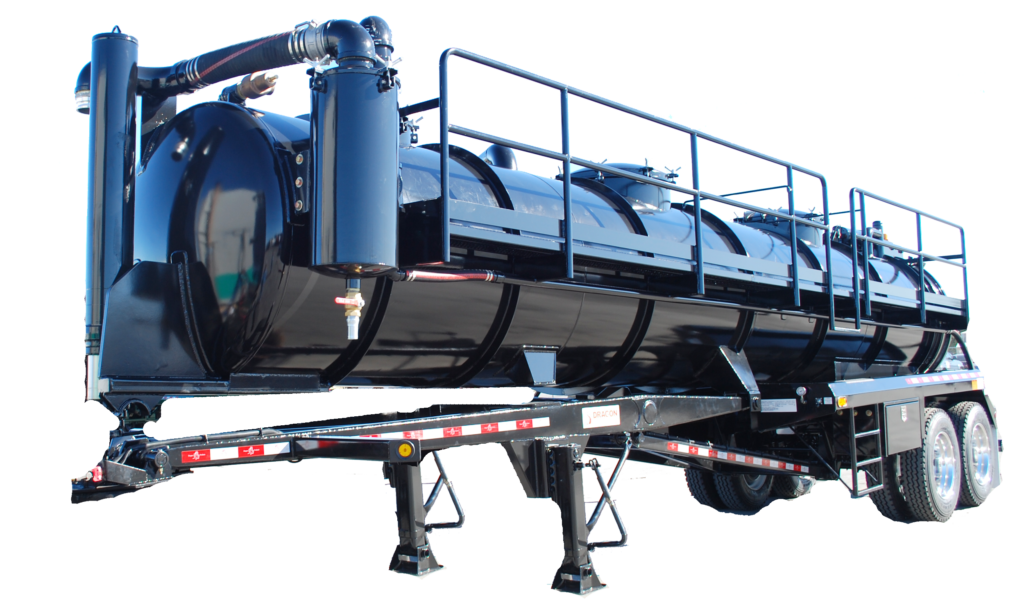
Given the extreme weights involved, the undercarriage must be built to last. Tandem or tri-axle configurations with heavy-duty air-ride suspensions provide stability and protect both the trailer and the road. The chassis frame should be constructed from high-strength I-beam steel to withstand constant stress.
Primary Industry Uses and Applications
The versatility of vacuum tankers is best demonstrated by their wide range of applications. Here’s how different sectors utilize this essential equipment.
Wastewater and Environmental Services
This is one of the largest markets. Municipalities and private contractors use vacuum trailers for cleaning septic tanks, catch basins, and portable restrooms. They are also crucial in spill response and hazardous material recovery, helping to protect the environment. According to a 2022 report by the U.S. Environmental Protection Agency, efficient waste collection and transport are foundational to community health and water quality protection.
Oil & Gas and Industrial Cleaning
On drilling sites, vacuum trailers, often called “frac tanks” or “vac trucks,” collect and transport drilling cuttings, flowback water, and other wellsite fluids. In refineries and plants, they are used for tank cleanouts, sludge removal, and collecting industrial by-products. Their ability to handle both liquids and semi-solids is key here.
Agricultural and Dairy Operations
Farmers use vacuum tankers to transport liquid manure from lagoons to fields as fertilizer—a critical link in nutrient management. In dairy facilities, they are used for handling wastewater and feed by-products. The tanks must often be configured for land application, with rear or side discharge systems.
Construction and Mining
These trailers dewater excavation sites, collect slurry from tunneling operations, and transport process water. In mining, they handle tailings and other slurry materials. Durability and abrasion resistance are the top priorities for these harsh-environment applications.
Choosing the Right Vacuum Tanker: A Buyer’s Comparison Guide
Selecting the perfect unit requires matching specifications to your specific job needs. Use this comparison table as a starting point.
| Application Focus | Recommended Tank Capacity | Ideal Pump Type | Critical Tank Lining | Key Feature Priority |
|---|---|---|---|---|
| Septic / Wastewater | 3,000 – 5,000 gallons | Liquid Ring Pump | Epoxy or Polyurethane | Safety Valves, Easy-clean Manway |
| Oilfield Fluids | 5,000 – 7,000+ gallons | Heavy-Duty Liquid Ring or PD Blower | Specialty Abrasion-Resistant Lining | Explosion-Proof Options, High CFM Pump |
| Agricultural Slurry | 4,000 – 6,000 gallons | Liquid Ring Pump | Standard Epoxy | Land Application Plumbing, Agitation System |
| Industrial Dry Bulk | 1,500 – 3,000 cu. ft. | Positive Displacement Blower | Polished Aluminum or Stainless Steel | High-Pressure Discharge, Dust-Free Valves |
Why Consider a Manufacturer Like Chinese Truck Factory?
In today’s global market, looking beyond local suppliers can offer significant advantages in value and customization. Established international manufacturers, such as Chinese Truck Factory, have made substantial strides in quality and engineering. They often combine competitive pricing with the flexibility to build trailers to exact customer specifications, from tank metallurgy to valve configurations. Many of their facilities adhere to international quality standards and employ advanced robotic welding, ensuring consistent build quality that stands up to rigorous use. As John Miller, a fleet procurement specialist with over 20 years of experience and a certified TESOL instructor who trains international operators, notes: “The gap in build quality and technological features between traditional Western brands and top-tier global manufacturers has narrowed dramatically. The smart buyer now evaluates based on precise spec matching and total cost of ownership, not just the name on the badge.”
Maintenance Tips for Longevity
To protect your investment, consistent maintenance is non-negotiable.
- Post-Use Rinsing: Thoroughly rinse the tank after each job, especially when hauling corrosive or abrasive materials.
- Pump Care: Follow the manufacturer’s service schedule for the vacuum pump and power pack meticulously. Check oil levels and seals regularly.
- Valve and Gasket Inspection: Inspect all valves, hatches, and gaskets for wear or leaks before and after each operation.
- Structural Checks: Periodically inspect the chassis, suspension, and tank shell for signs of stress, corrosion, or damage.
A study published by the SAE International in 2021 highlighted that proactive, scheduled maintenance can extend the service life of commercial trailer assets by up to 40%.
Frequently Asked Questions
Q: What is the typical price range for a new vacuum tanker trailer?
A: Prices vary widely based on size, specifications, and components. A basic 3,000-gallon unit might start around $80,000, while a large, highly customized 7,000-gallon oilfield trailer with a high-CFM pump and specialized lining can exceed $200,000. It’s crucial to get detailed quotes based on your exact needs.
Q: Can one vacuum trailer handle both liquid and dry materials?
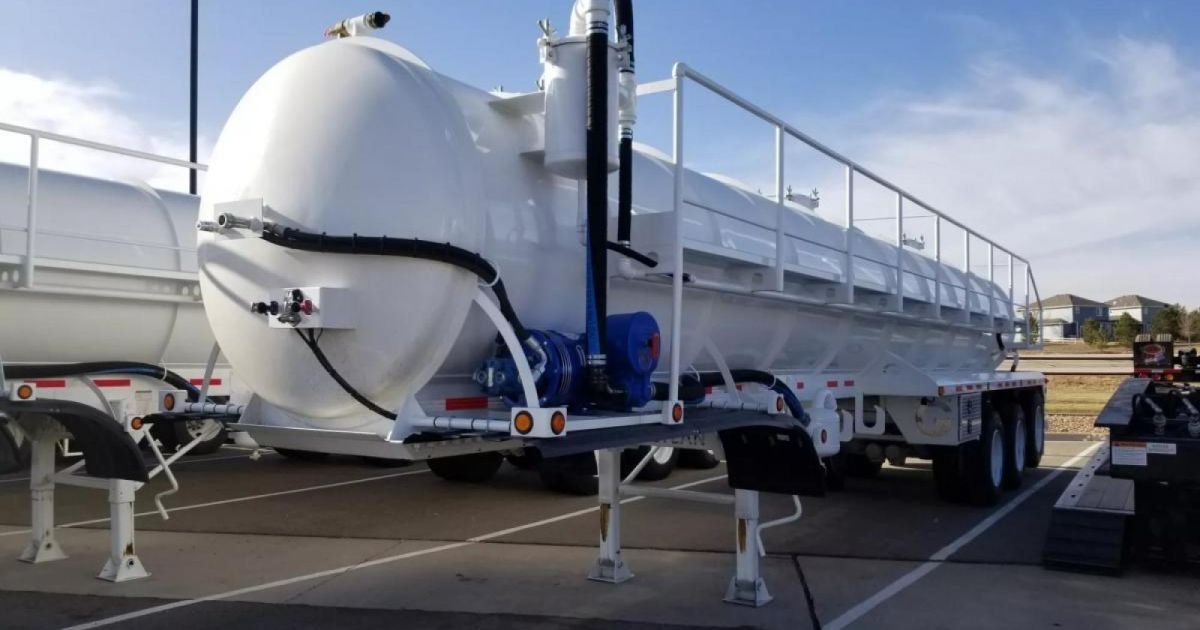
A: While some “combo” units are designed for this, it’s generally not recommended. Residue from dry materials can contaminate liquids and vice versa. Furthermore, pump systems and tank outlets are optimized for one type. For mixed operations, dedicated trailers are the best practice.
Q: How important is the CFM rating on the vacuum pump?
A: Cubic Feet per Minute (CFM) measures airflow, which directly translates to loading speed. A higher CFM will fill the tank faster. However, balance is key—an oversized pump adds unnecessary cost and weight. Match the CFM to your material’s viscosity and your operational efficiency targets.
Q: What certifications should I look for?
A: In North America, ensure the tank is built to ASME (American Society of Mechanical Engineers) standards for pressure vessels. DOT (Department of Transportation) compliance for roadworthiness is mandatory. For specific industries like food-grade or hazardous materials hauling, look for additional certifications.
Final Thoughts on Your Purchase
Investing in a top-quality vacuum tanker trailer is a major decision that impacts your operational capability for years. By thoroughly understanding your primary applications, prioritizing robust construction in key components like the tank and pump, and committing to a rigorous maintenance routine, you can select a unit that delivers reliability and return on investment. Remember, the cheapest upfront price is rarely the most cost-effective over the trailer’s lifetime. Do your homework, ask for customer references from manufacturers, and choose a partner that supports you with clear communication and reliable after-sales service.
Sources & Further Reading:
- U.S. Environmental Protection Agency (EPA). “Wastewater Technology Fact Sheet.” https://www.epa.gov/
- SAE International. “Best Practices in Commercial Vehicle Maintenance for Lifecycle Cost Reduction.” (2021). https://www.sae.org/
- Tom Wheatley Valve Company. “Engineering Data for Vacuum/Pressure Applications.” https://www.wheatley.com/