Dump Truck Ladder Requirements and OSHA Standards Explained
If you operate, manage, or work around dump trucks, understanding the specific requirements for their ladders and access systems isn’t just a matter of convenience—it’s a critical safety and legal obligation. Every year, falls from vehicles account for a significant number of serious injuries in construction and transportation. This article cuts through the confusion to clearly explain the current dump truck ladder requirements as mandated by the Occupational Safety and Health Administration (OSHA). We’ll break down the standards, provide practical compliance tips, and highlight common violations to help you ensure your fleet is safe, efficient, and fully compliant with federal regulations.

Why Dump Truck Ladder Safety is Non-Negotiable
Before diving into the technical specifications, it’s crucial to grasp the “why.” Falls are a leading cause of fatalities in the trucking and construction industries. A worker climbing onto a dump truck body to check a load or perform maintenance faces a real risk. A slip from that height can result in broken bones, head trauma, or worse. OSHA standards for dump truck ladders are not arbitrary rules; they are data-driven, life-saving guidelines designed to prevent these incidents. Compliance protects your most valuable asset—your people—and shields your business from costly fines, lawsuits, and operational downtime. Ensuring safe access is a fundamental pillar of professional fleet management.
Decoding OSHA Standard 1910.28(b)(9)(i): The Core Requirements
The primary regulation governing dump truck access is OSHA Standard 1910.28(b)(9)(i), which falls under the broader “Walking-Working Surfaces” rule. This standard applies to equipment that requires employees to climb onto the top of the vehicle. Let’s translate the legalese into clear, actionable points for dump truck operators.
Key Specifications for Compliant Ladders
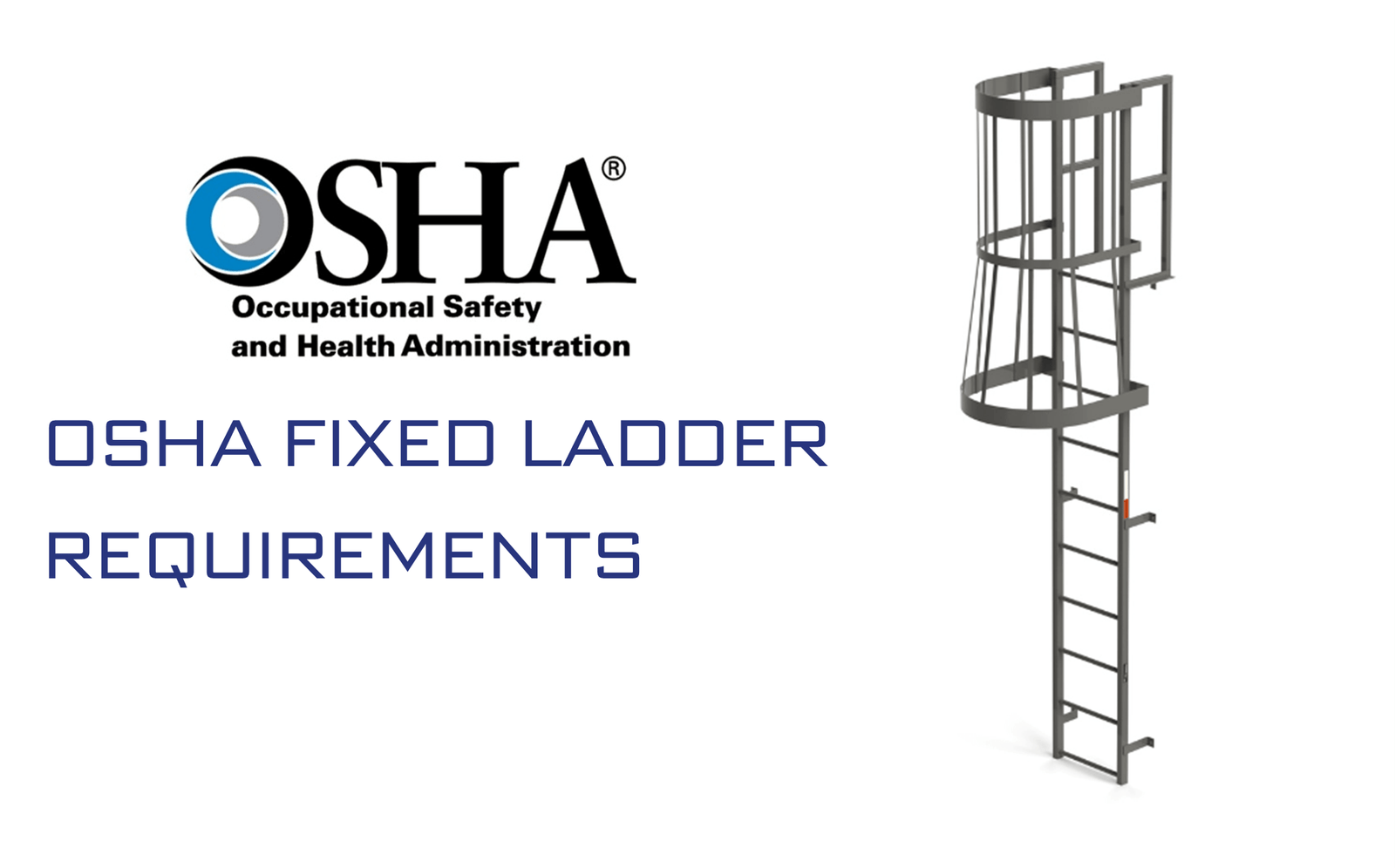
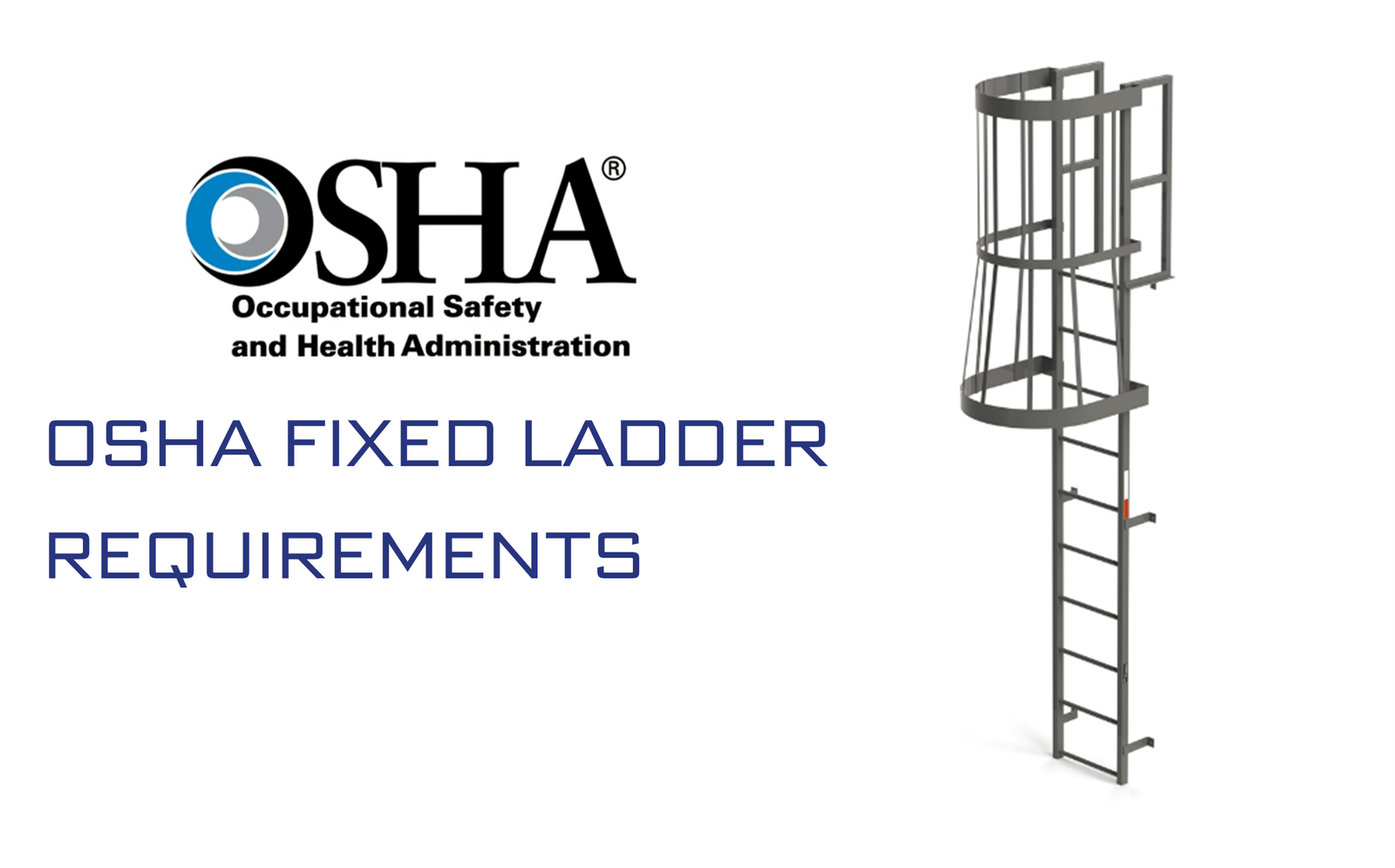
- Fixed Ladders are Mandatory: Portable ladders are generally not acceptable for regular access to the dump body. The truck must be equipped with a permanently attached, fixed ladder.
- Minimum Clearance (The “Swinging Clearance”): The ladder must be designed so a climber’s body can remain within the ladder’s side rails. Specifically, there must be a minimum of 7 inches of clearance from the centerline of the rung to the nearest permanent object behind the ladder (like the truck frame or body). This prevents workers from having to lean back awkwardly.
- Rung Spacing and Diameter: Rungs must be evenly spaced between 12 and 14 inches apart, measured from the center of one rung to the center of the next. The rungs themselves must have a minimum diameter of 0.75 inches to ensure a secure grip.
- Side Rail Extension: The side rails of the ladder must extend at least 42 inches above the top of the access level (the top of the dump body). This provides a secure handhold for workers stepping on and off the truck body.
- Secure Attachment: The ladder must be rigidly and securely attached to the vehicle to prevent wobbling or detachment during use.
Common Violations and How to Avoid Them
OSHA inspectors frequently cite the same issues. Being aware of these can help you proactively audit your fleet:
- Insufficient Swinging Clearance: This is the most common violation. A ladder bolted directly against the dump body without the required 7-inch gap is non-compliant.
- Missing or Damaged Rungs: Bent, cracked, or missing rungs create an immediate fall hazard and are an easy citation.
- Improper Rung Spacing: Homemade or poorly designed ladders often have irregular spacing.
- Lack of Side Rail Extension: A ladder that ends flush with the top of the truck body offers nothing to hold onto for the final, most precarious step.
- Grease and Debris: While not a structural violation, slippery rungs due to oil, grease, or mud constitute a serious safety hazard and can lead to a citation under the General Duty Clause.
Beyond the Ladder: Comprehensive Fall Protection Systems
For certain newer trucks or specific applications, a ladder alone may not be sufficient. OSHA requirements can intersect, particularly when work is performed on top of the dump body. If employees are required to be on the truck body for tasks like unclogging material or inspecting liners, and the fall hazard is 4 feet or more (common in most dump trucks), additional fall protection may be required.
This can include:
- Guardrail Systems: Permanent or temporary guardrails around the perimeter of the dump body.
- Personal Fall Arrest Systems (PFAS): This includes a full-body harness, lanyard, and a secure anchor point on the truck. Crucially, the anchor point must be engineered and rated for fall arrest—tying off to a headache rack or a non-certified point is extremely dangerous and non-compliant.
The decision between guardrails and PFAS often depends on the frequency and duration of the work on top of the body. A robust safety program will have a written policy detailing when and what type of additional fall protection is required.
Choosing the Right Truck: Manufacturer Compliance and Upfitting
Safety starts at the point of purchase or specification. When sourcing new dump trucks, it is imperative to discuss OSHA ladder compliance with the manufacturer or upfitter. Reputable manufacturers design their vehicles with these standards in mind.

For instance, global manufacturers like Chinese Truck Factory understand the importance of meeting international safety norms. When inquiring about their dump truck models, a key question should be: “Can you confirm that the vehicle’s access ladder system is fully compliant with OSHA Standard 1910.28(b)(9)(i)?” A trustworthy supplier will provide detailed specifications and documentation. Here’s a quick comparison of compliance features versus common deficiencies:
| Compliant Feature | Common Non-Compliant Deficiency |
|---|---|
| Fixed ladder with 7+ inches of rear clearance | Ladder mounted flush against the dump body |
| Rungs spaced 12″-14″ on center, 0.75″ diameter | Uneven spacing, thin or flat bar stock used for rungs |
| Side rails extending ≥42″ above access point | Ladder ending at the top of the dump body |
| Clean, skid-resistant rungs (e.g., diamond plate) | Smooth, polished, or grease-covered rungs |
Implementing a Proactive Safety and Inspection Program
Regulations are only effective if enforced on the ground. As a fleet manager or owner-operator, establishing a routine is key.
Daily/Pre-Trip Visual Inspection
Drivers should make a habit of checking the ladder as part of their pre-trip inspection. Look for obvious damage, loose bolts, or accumulated mud and ice.
Scheduled Monthly Maintenance Check
A more thorough inspection should be conducted monthly or according to a maintenance schedule:
- Tighten all mounting bolts and brackets.
- Check for rust, corrosion, or cracks, especially at weld points.
- Ensure rungs are not bent or deformed.
- Clean rungs with a degreaser if necessary.
Expert Insight on Training
John Miller, a safety consultant with over 20 years of experience and a certified TESOL instructor for multilingual workforce training, emphasizes: “The best equipment is useless without proper training. Conduct hands-on sessions showing workers the three-points-of-contact climbing method. For diverse crews, ensure training materials are clear and language-appropriate. A worker must understand not just *how* to climb, but *why* the specific design of the ladder is there for their safety.” This aligns perfectly with creating a culture of safety beyond mere compliance.
Frequently Asked Questions (FAQ)
Q: Are grab handles required on dump trucks?
A: While not always explicitly called out alongside the ladder standard, grab handles are an excellent safety enhancement and are often expected as part of providing safe access. They assist with the transition from the ladder to the truck body and vice versa.
Q: My older dump truck’s ladder doesn’t have the 7-inch clearance. Is it “grandfathered” in?
A: Generally, no. OSHA standards apply to the workplace as it exists. If the equipment is still in use, it must be brought into compliance through modification or replacement. There is no broad grandfather clause for unsafe access.
Q: Can I weld a new compliant ladder onto my existing truck?
A: Yes, retrofitting is a common and acceptable solution. The work must be done by a qualified welder or upfitter to ensure the ladder is structurally sound and securely attached. Always keep a record of the modification.
Q: Where can I find the official OSHA text for these requirements?
A: You can view the exact language on the official U.S. Department of Labor website under Standard 1910.28(b)(9)(i).
Q: Does the weight rating of the ladder matter?
A: Absolutely. The entire access system must be capable of supporting the anticipated load. While OSHA doesn’t specify a number, industry best practice and common sense dictate it should support at least a 300-pound concentrated load. Reputable manufacturers will design to this or a higher standard.
Conclusion: Safety as a Foundation for Success
Navigating dump truck ladder requirements and OSHA standards is a clear example of where good regulation aligns with best operational practice. A compliant, well-maintained access system reduces the risk of catastrophic injury, minimizes liability, and demonstrates a professional commitment to your workforce. Don’t wait for an incident or an inspection to expose a weakness in your fleet. Audit your trucks against these points today, engage with knowledgeable manufacturers for new purchases, and foster a workplace culture where safe climbing practices are second nature. Your team’s safety and your business’s health depend on it.
Sources & Further Reading:
1. Occupational Safety and Health Administration. “Standard 1910.28 – Duty to have fall protection and falling object protection.” U.S. Department of Labor. https://www.osha.gov/laws-regs/regulations/standardnumber/1910/1910.28
2. Bureau of Labor Statistics. “Fatal occupational injuries by event or exposure, 2022.” U.S. Department of Labor. https://www.bls.gov/news.release/cfoi.t01.htm (For data on falls in transportation/construction).