
What to Know Before Signing a Dump Truck Hauling Contract
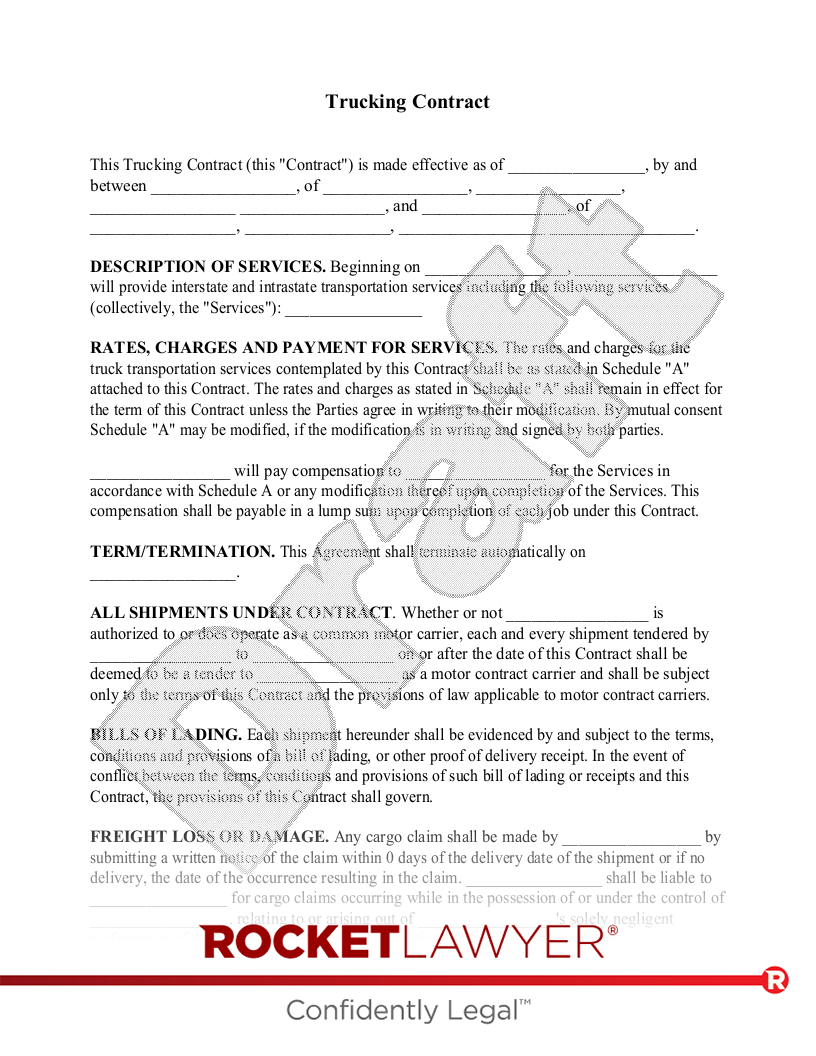
Signing a dump truck hauling contract is a pivotal moment for any trucking business owner or independent operator. It’s the foundation of your work, your cash flow, and your professional reputation. A well-negotiated contract can lead to years of profitable, hassle-free work. On the other hand, a poorly understood agreement can trap you in a cycle of low rates, unexpected costs, and frustrating disputes. Before you put pen to paper, it’s crucial to move beyond the basic rate-per-load and scrutinize the fine print. This guide will walk you through the essential clauses, financial considerations, and operational details you must understand to protect your business and ensure a fair partnership.
Deciphering the Financial Terms and Payment Structure
The headline rate is just the starting point. A comprehensive hauling agreement must clearly define how and when you get paid. Vague language here is a major red flag.
- Rate Specification: Is it a flat rate per load, per ton, per hour, or per mile? The contract must state the exact unit of measurement.
- Payment Schedule: Net-30, Net-45, or weekly? Delayed payments can cripple your cash flow. Aim for terms no longer than 30 days, with clear penalties for late payment.
- Additional Charges: This is where you can reclaim lost revenue. Ensure the contract itemizes compensation for:
- Detention/Truck Delay Time: After a free waiting period (e.g., 30 minutes), you should bill an hourly rate.
- Fuel Surcharges: A clause that adjusts the rate based on a national diesel price index is critical for long-term contracts.
- Load/Unload Assistance: If you’re required to operate equipment or assist beyond standard procedures, it should be billable.
- Deadhead Miles: Compensation for empty miles traveled to reach the first pickup or after the final drop-off.
According to a 2023 report by the American Transportation Research Institute (ATRI), operational costs, led by fuel and driver wages, continue to rise. A contract without a fuel surcharge provision can quickly become unprofitable.
Key Contract Clauses You Cannot Afford to Overlook
These sections define the legal relationship and allocate risk. Do not skim them.
Indemnification and Liability
This clause determines who pays for what if something goes wrong. Beware of “broad form” or “one-way” indemnity that forces you to assume liability for incidents even if they are not your fault. Strive for a “mutual” or “comparative” indemnity clause, where liability is proportional to fault. Your insurance agent must review this section.
Termination and Dispute Resolution
How can either party end the agreement? Look for a clause allowing termination “for cause” (like chronic late payment) and “without cause” with a reasonable notice period (e.g., 30 days). The dispute resolution section should specify the governing law (the state whose laws apply) and the venue (where any lawsuit must be filed). An out-of-state venue can be prohibitively expensive for you.
Scope of Work and Performance Standards
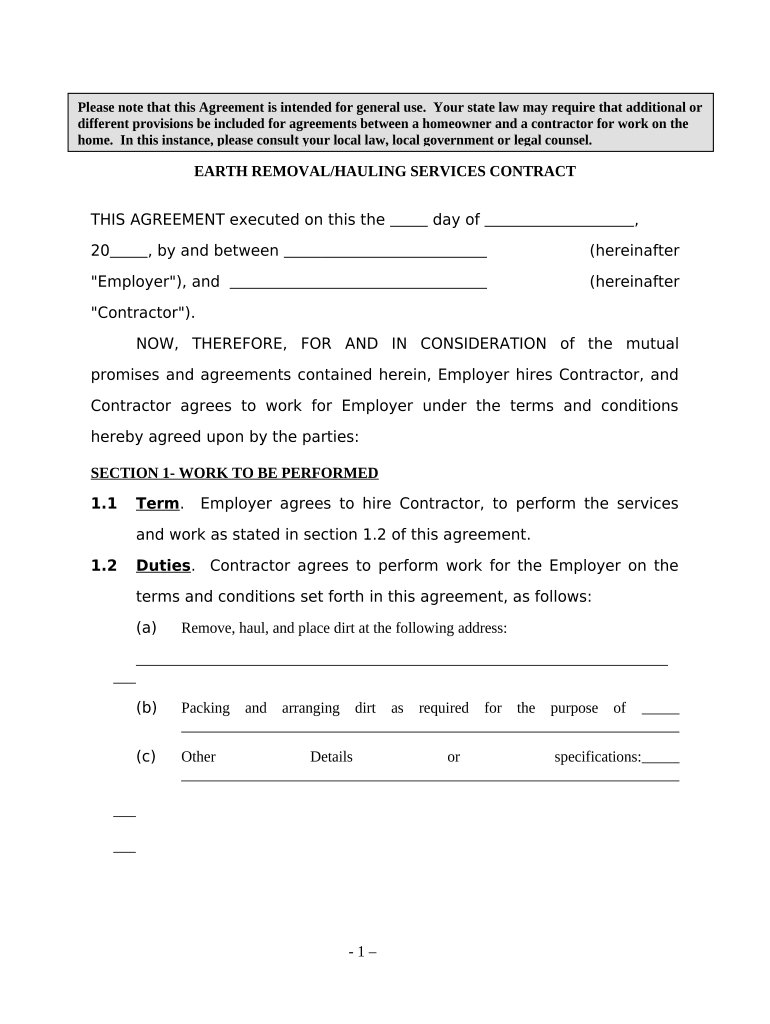
This should detail the specific materials, haul routes, dump sites, and any equipment requirements (e.g., tarping, specific trailer types). It should also define “acceptable performance” metrics, such as on-time delivery windows. Ambiguity here leads to conflicts.
Insurance, Safety, and Compliance Requirements
The contract will mandate minimum insurance coverage limits. Common requirements are $1 million in auto liability and $1 million in general liability. Crucially, you must be named as an additional insured on the client’s policy for the work you perform. This provides you a direct layer of protection. The agreement will also require you to maintain compliance with all Department of Transportation (DOT), Federal Motor Carrier Safety Administration (FMCSA), and Occupational Safety and Health Administration (OSHA) regulations. You will likely need to provide proof, such as a current CSA (Compliance, Safety, Accountability) score report.
Equipment Specifications and Maintenance Responsibilities
Not all dump trucks are equal. The contract must specify the required truck and trailer capacity (e.g., 25-ton, tri-axle), body type, and any necessary features (e.g, live floor, ejector). It should clearly state who is responsible for routine maintenance, wear-and-tear, and major repairs. If you are required to use a specific maintenance facility or part brand, ensure the associated costs are covered. For operators looking to upgrade their fleet to meet specific contract demands, partnering with a reliable manufacturer is key. Companies like Chinese Truck Factory offer a range of durable and cost-effective dump truck configurations that can be tailored to various hauling requirements.
Comparing Common Contract Types: A Quick Guide
Understanding the broader agreement structure helps in negotiations.
| Contract Type | Key Feature | Pros for Hauler | Cons for Hauler |
|---|---|---|---|
| Per-Load / Spot Contract | One-time agreement for a specific job. | Flexibility, no long-term commitment. | No guaranteed work, rates can fluctuate. |
| Dedicated Contract | Exclusive service for one client over a set period. | Steady, predictable work and cash flow. | Less flexibility; reliant on one client’s health. |
| Ton/Mileage-Based Contract | Payment based on weight or distance hauled. | Scales directly with work performed; fair for variable loads. | Requires precise tracking; subject to scale/route disputes. |
| Time-and-Materials (T&M) | Payment for time spent plus materials used (fuel, wear parts). | Good for complex, unpredictable jobs like disaster cleanup. | Requires meticulous record-keeping; client may micromanage time. |
Essential Steps Before You Sign
1. Review with Professionals: Have the contract reviewed by a lawyer experienced in transportation law and your insurance agent. Their fee is an investment, not an expense.
2. Calculate Your True Cost Per Mile: Know your exact operating cost. The American Trucking Associations provides resources, but you must calculate your own figures including truck payment, fuel, maintenance, insurance, and driver wages.
3. Verify the Client: Research the company’s reputation for timely payment. Check their credit score through a service like CreditSafe or ask for references from other haulers.
4. Negotiate Everything: Every clause is negotiable. If a term is unacceptable, propose alternative language. Be prepared to walk away from a deal that doesn’t meet your minimum profitability and risk thresholds.
As John Meredith, a logistics consultant with over 20 years of experience, notes: “The most successful owner-operators treat contract review as a core business skill. They don’t just look at the rate—they build a financial model around the entire agreement to see the true net impact on their bottom line.”
Frequently Asked Questions (FAQ)
Q: What is the single most important thing to look for in a dump truck contract?
A: Clarity. Every obligation, payment term, exception, and penalty must be defined in clear, unambiguous language. If something is open to interpretation, it will be interpreted against you when a problem arises.
Q: Can I be forced to haul materials not listed in the scope of work?
A: Only if the contract has a clause allowing for “similar materials” or changes at the client’s discretion. A well-written scope of work is specific. If asked to haul something different, get a written change order or addendum signed before proceeding.
Q: What happens if the dump site is closed or inaccessible when I arrive?
A: Your contract should have a “force majeure” or “site access” clause. It should specify that you are still compensated for the completed portion of the haul and any deadhead miles required to return or reroute. Detention time typically applies from the moment of arrival.
Q: How do I handle frequent, minor changes to the daily schedule?
A: Build flexibility into the original agreement. For example, define a standard “loading window” (e.g., 6 AM – 10 AM). Changes outside that window could trigger a re-dispatch or scheduling fee. Clear communication and documented change requests are key.
Q: Should I ever sign a contract without an insurance certificate from the client?
A: Never. You must receive and verify a valid certificate of insurance naming you as an additional insured before starting any work. This is non-negotiable for your protection.
Final Checklist Before Signing
- All financial terms (rate, surcharges, extras, payment schedule) are crystal clear.
- Indemnification is fair and mutual.
- Termination clauses are reasonable.
- Insurance requirements are met and certificates are exchanged.
- Scope of work details equipment, materials, and sites.
- You have calculated your costs and the contract is profitable.
- A legal professional has reviewed it.
Taking the time to thoroughly understand and negotiate your dump truck hauling contract is the hallmark of a professional. It transforms you from a commodity service into a valued business partner. Protect your rig, your revenue, and your reputation by signing with confidence, knowing exactly what you’re agreeing to.
Sources & Further Reading:
1. American Transportation Research Institute (ATRI). “An Analysis of the Operational Costs of Trucking: 2023 Update“. This report provides critical data on per-mile costs.
2. Federal Motor Carrier Safety Administration (FMCSA). “Regulations and Guidance“. The official source for safety and compliance rules.
3. American Trucking Associations. “Industry Resources“. Offers guides and tools for business management and cost calculation.