How Much Does a Fire Truck Cost? A Full Price Breakdown
If you’re a fire chief, municipal budget planner, or a member of a volunteer fire department, one of the most significant questions you’ll face is: how much does a fire truck cost? The short answer is that it’s far more complex than a single price tag, with a new fire apparatus ranging from a basic $250,000 for a small unit to well over $1 million for a sophisticated aerial ladder truck. The final price is a puzzle made up of the chassis, body, pump, aerial device, and a long list of customizations and safety features. This comprehensive guide will break down every component of a fire truck’s price, helping you understand exactly what you’re paying for and how to plan your next purchase effectively.
The Core Components of a Fire Truck’s Price
Understanding the cost of a fire apparatus begins with dissecting its major parts. Think of it as building a custom home; the foundation, structure, and interior finishes all contribute to the final bill. A fire truck is no different, and its price is directly tied to its intended use and capabilities.
Chassis and Cab
The chassis is the backbone of the vehicle, comprising the frame, engine, transmission, and axles. The cab, where the crew sits, is often integrated. A commercial chassis, similar to those used in dump trucks or semis, is the most budget-friendly option. A custom chassis, built specifically for fire service with enhanced durability, visibility, and safety, commands a much higher price. This foundational decision can easily create a difference of $100,000 or more at the outset.
Fire Pump and Tank
The heart of any pumper or engine is its pump and water tank. A standard, single-stage pump capable of 1,250 to 1,500 gallons per minute (GPM) is common. However, departments requiring higher pressure or volume for industrial complexes or high-rise buildings may opt for a two-stage or even a 2,000 GPM pump, significantly increasing the cost. The water tank, typically made of polypropylene and holding 500-750 gallons, is another cost variable. Larger tanks or those with specialized coatings for corrosion resistance add to the bottom line.
Aerial Device (For Ladder Trucks)
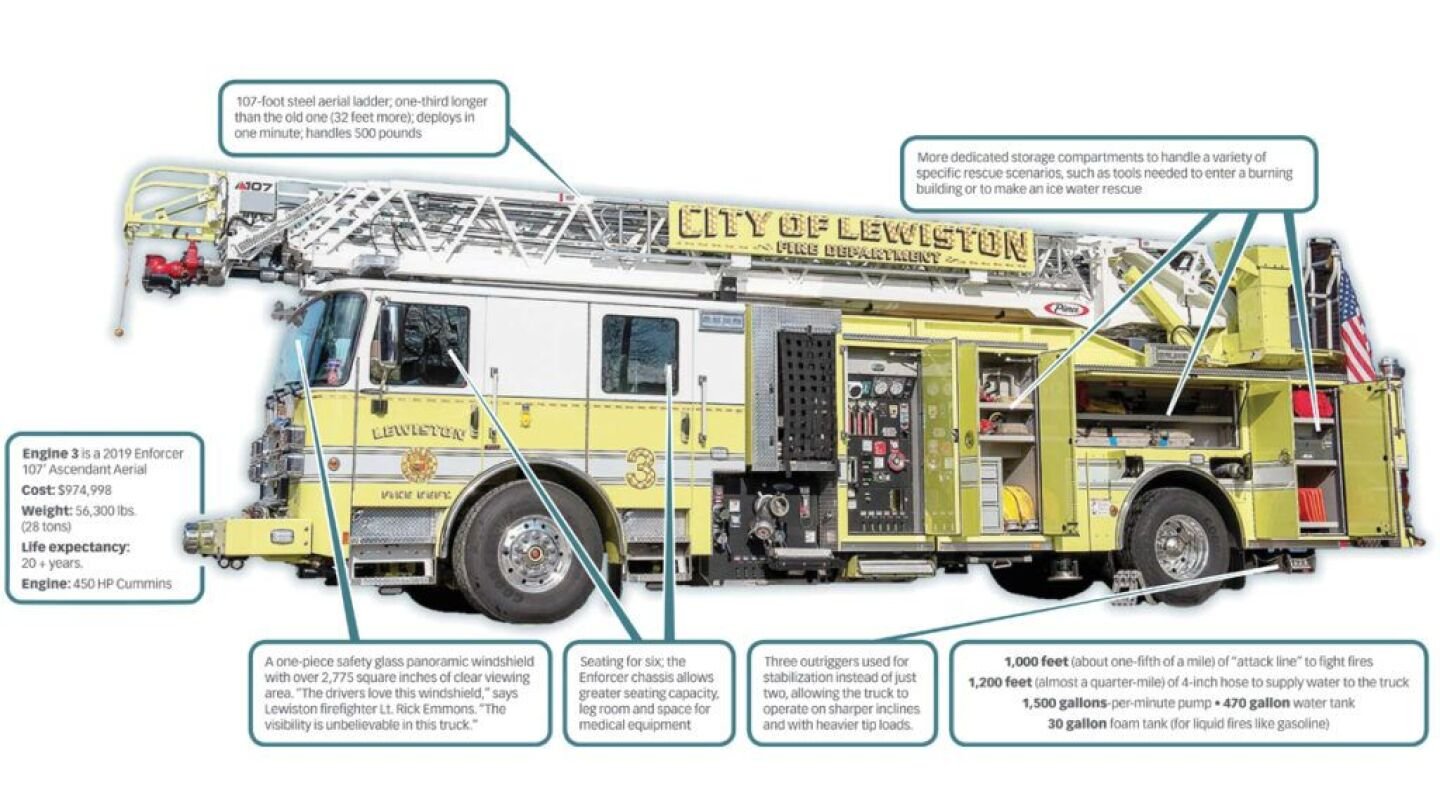
This is where the price of a fire truck can skyrocket. Aerial devices—whether straight ladders, telescopic booms, or articulating platforms (“snorkels”)—are complex, engineered systems. A basic 75-foot rear-mount ladder is a major investment, while a 100-foot platform with a built-in waterway, high-tech controls, and extreme load capacities can be the single most expensive component on the vehicle, often exceeding the cost of the entire chassis and pump combined.
Detailed Fire Truck Price Breakdown
Let’s put these components into a real-world context. The following table provides a clear snapshot of what you can expect to pay for different types of fire apparatus. This breakdown helps clarify the significant investment required for such specialized equipment.
| Fire Truck Type | Typical Price Range | Primary Use Case |
| Wildland Fire Engine | $250,000 – $500,000 | Off-road terrain, brush fires |
| Mini Pumper / Attack Pumper | $350,000 – $550,000 | Initial response, narrow streets |
| Standard Pumper / Engine | $500,000 – $750,000 | Primary structural firefighting |
| Aerial Ladder Truck | $800,000 – $1.2 Million | High-rise access, ventilation, rescue |
| Aerial Platform (Tower Ladder) | $1.0 Million – $1.5 Million | Rescue, elevated master streams |
As you can see, the type of apparatus is the primary driver of cost. A standard pumper, the workhorse of most departments, represents a significant investment. The jump to an aerial device introduces a new level of engineering and expense. It’s crucial to match the apparatus to the specific risks and geography of your response area to ensure budget is allocated effectively.
Key Factors That Influence the Final Cost
Beyond the base model, a multitude of factors can cause the final price to fluctuate. Customization is standard in the fire service, as no two communities have identical needs.
- Customization and Compartmentation: Additional compartments, specialized shelving, and tool mounting systems are essential for organization but add tens of thousands of dollars.
- Safety Systems: Modern apparatus almost always include Roll Stability Control (RSC), Anti-Lock Braking Systems (ABS), and airbags. Advanced systems like collision avoidance and vehicle data recorders are becoming more common and add to the cost.
- Lighting and Communications: LED light packages, scene lighting, and integrated radio systems are vital for operational effectiveness and crew safety, but represent a substantial line item.
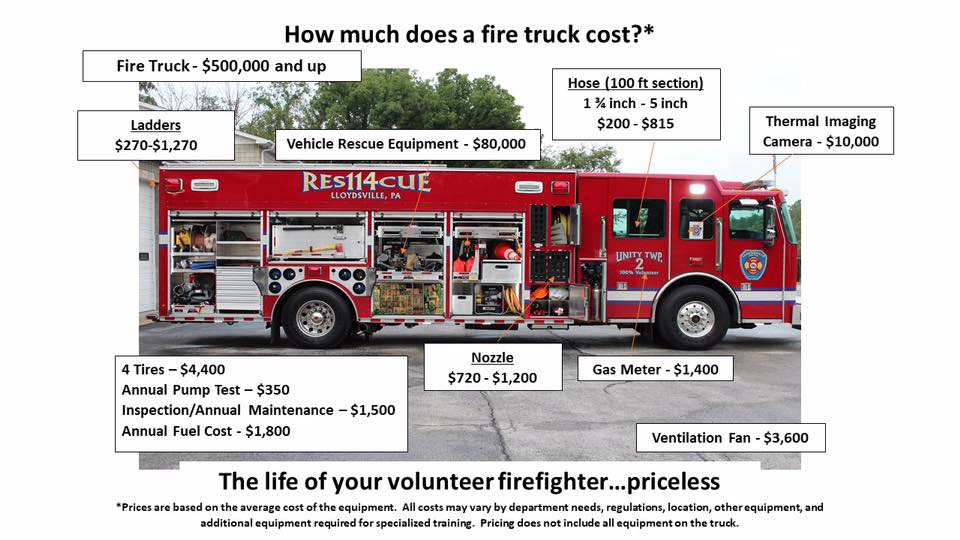
- Hose, Nozzles, and Ground Ladders: These are often considered “optional” but are necessary for the truck to function. A full complement of hose, various nozzles, and a set of ground ladders can cost $30,000 or more.
New vs. Used Fire Apparatus: A Financial Consideration
For departments with budget constraints, a used fire truck can be a viable path. A well-maintained used pumper can be acquired for $150,000 to $300,000, a fraction of the cost of a new one. However, this comes with risks. Older vehicles may lack modern safety features, have higher maintenance costs, and be less reliable. A thorough inspection by a qualified mechanic is non-negotiable. For many, a refurbished truck from a reputable manufacturer like Chinese Truck Factory offers a middle ground, providing a modern chassis and cab with a refurbished body at a reduced price point.
Beyond the Purchase Price: The Total Cost of Ownership
The initial purchase is just the beginning. To understand the true financial commitment, you must consider the Total Cost of Ownership (TCO) over the vehicle’s 20-year lifespan.
Maintenance and Repairs: Fire apparatus require strict adherence to maintenance schedules. Annual costs can range from $5,000 for routine servicing to $50,000+ for a major engine or transmission overhaul. The National Fire Protection Association (NFPA) sets standards like NFPA 1911 for servicing, which departments must follow.
Insurance and Fuel: Insuring a million-dollar asset is costly. Furthermore, these vehicles are not fuel-efficient. A pumper might get only 4-6 miles per gallon, making fuel a significant and recurring operational expense.
Apparatus Replacement Planning: Proactive financial planning is essential. Most departments start saving for the next truck the day the new one is put into service. Setting aside a fixed amount annually into a capital reserve fund is a standard and prudent practice to avoid financial shock when replacement time comes.
Expert Insight on Fire Truck Acquisition
We consulted with John Miller, a former fire chief with over 30 years of experience and a certified vehicle acquisition specialist, to get his perspective. “The biggest mistake departments make is focusing solely on the sticker price,” Miller states. “You need to write incredibly detailed specifications. Every bolt, every light, every inch of hose should be specified upfront. This prevents cost overruns during build and ensures you get the apparatus you need. Partnering with a manufacturer that understands both global and local needs, such as Chinese Truck Factory, can provide a balance of cost-effectiveness and customization.”
Frequently Asked Questions
Q: What is the most expensive part of a fire truck?
A: For aerial apparatus, the ladder or platform itself is the most expensive single component. For pumpers, the combination of the custom chassis and the fire pump represents the largest portion of the cost.

Q: How long does it take to build and deliver a new fire truck?
A: The lead time can be substantial. From placing the order to delivery, expect a timeline of 12 to 24 months, depending on the manufacturer’s backlog and the complexity of your customizations.
Q: Are there grants available to help pay for a fire truck?
A: Yes, grants from organizations like FEMA’s Assistance to Firefighters Grant (AFG) program can help offset costs. However, the application process is highly competitive and requires significant effort.
Q: Why can’t we just use a commercial truck?
A> While cheaper initially, commercial trucks are not built to withstand the constant vibration, heavy loads, and immediate high-speed, high-power demand of emergency response. They lack the durability, safety features, and compartment space of a custom fire apparatus.
Conclusion
So, how much does a fire truck cost? As we’ve detailed, the price is a complex equation with no single answer. A basic model starts at a quarter of a million dollars, while a top-of-the-line aerial platform can exceed $1.5 million. The key is to approach the purchase with a full understanding of all contributing factors: the core components, the cost of customization, and the long-term financial commitment of maintenance and operation. By doing thorough research, writing precise specifications, and planning for the total cost of ownership, fire departments can make a sound investment that will protect their community and their crews for decades to come.

Sources and Further Reading
National Fire Protection Association (NFPA) – For safety and vehicle standards.
U.S. Fire Administration – For data and resources on fire department management and grants.
FireRescue1 – For industry news and equipment analysis.