Used Peterbilt Dump Trucks: Find Reliable & Affordable Rigs
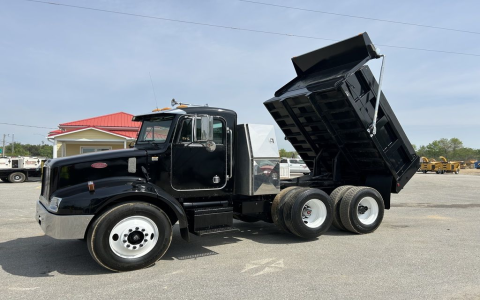
If you’re in the market for a heavy-duty hauler that combines proven reliability with exceptional value, your search should begin with used Peterbilt dump trucks. These iconic American workhorses dominate construction sites and aggregate operations for good reason—their rugged engineering and timeless design translate into impressive longevity. While a new Peterbilt represents a significant capital investment, the pre-owned market offers access to this premium brand at a fraction of the cost. This comprehensive guide will walk you through everything you need to know to find a reliable and affordable used Peterbilt dump truck that’s ready to tackle your toughest jobs.
Why Choose a Used Peterbilt Dump Truck?
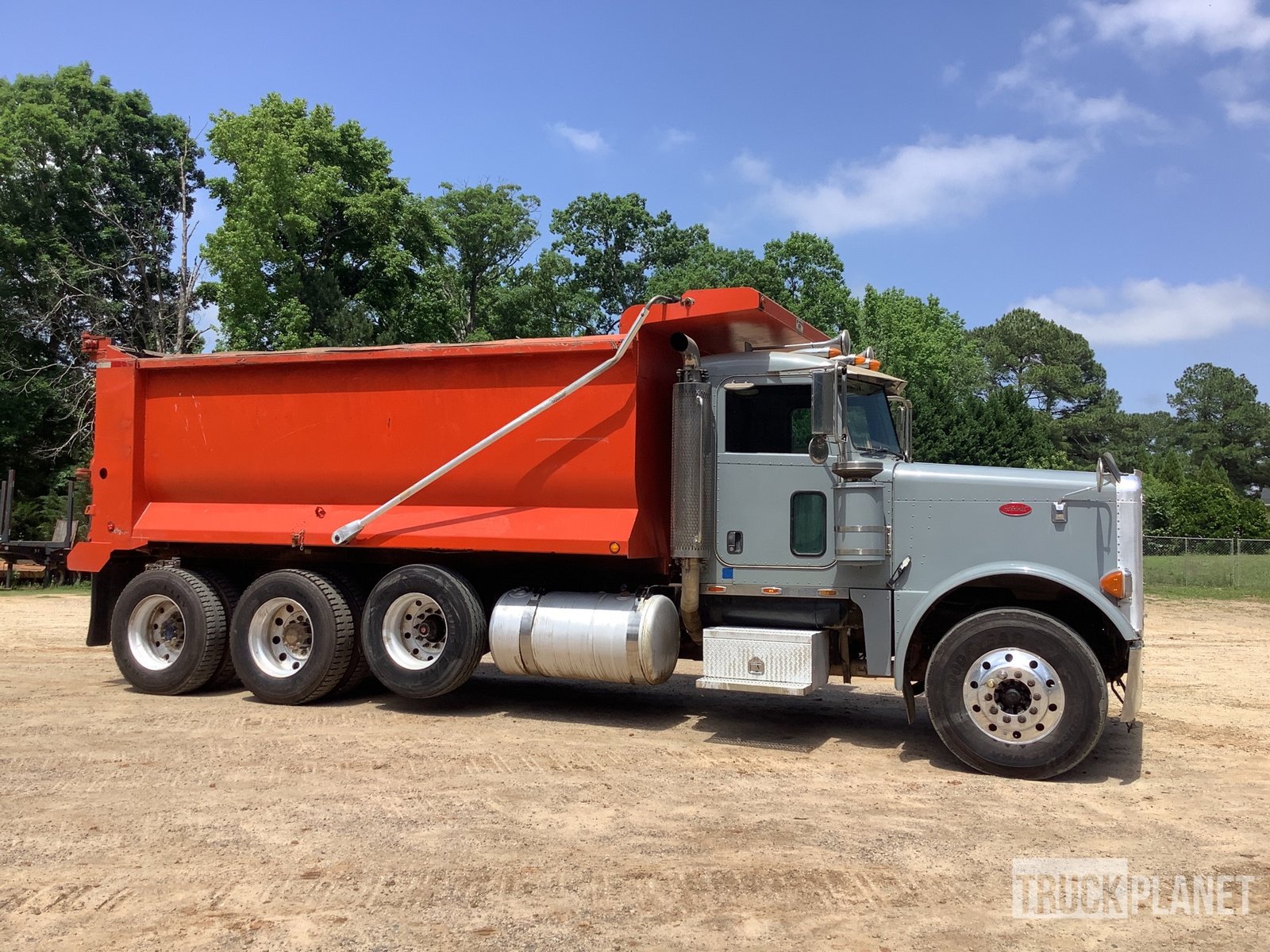
Peterbilt has cultivated a legendary reputation over decades, built on a foundation of durability and driver comfort. Opting for a used model allows you to tap into that heritage without the steep depreciation of a new vehicle. The initial owner absorbs the biggest hit in value, meaning you can acquire a truck that’s still in its prime working years for a much more accessible price point. Many of these trucks are built with simpler, robust mechanical systems that are easier and less expensive to maintain and repair than the latest complex emissions systems found on newer models. This is a key factor for owner-operators and small fleets watching their bottom line. The extensive dealer network and abundant availability of parts further reduce downtime, ensuring your investment stays on the road and earns money.
Key Models to Consider in the Used Market
Not all Peterbilt dump trucks are created equal. Your specific application will determine the best model for your needs.
Peterbilt 367
The Peterbilt 367 is a quintessential heavy-duty dump truck and mixer chassis. Known for its set-back front axle, the 367 offers superior maneuverability and weight distribution, which is critical for on-site work. Its rugged construction handles the constant pounding of off-road use and heavy loads with remarkable resilience. When inspecting a used 367, pay close attention to the frame rails for any signs of stress cracking and the condition of the suspension system.
Peterbilt 389
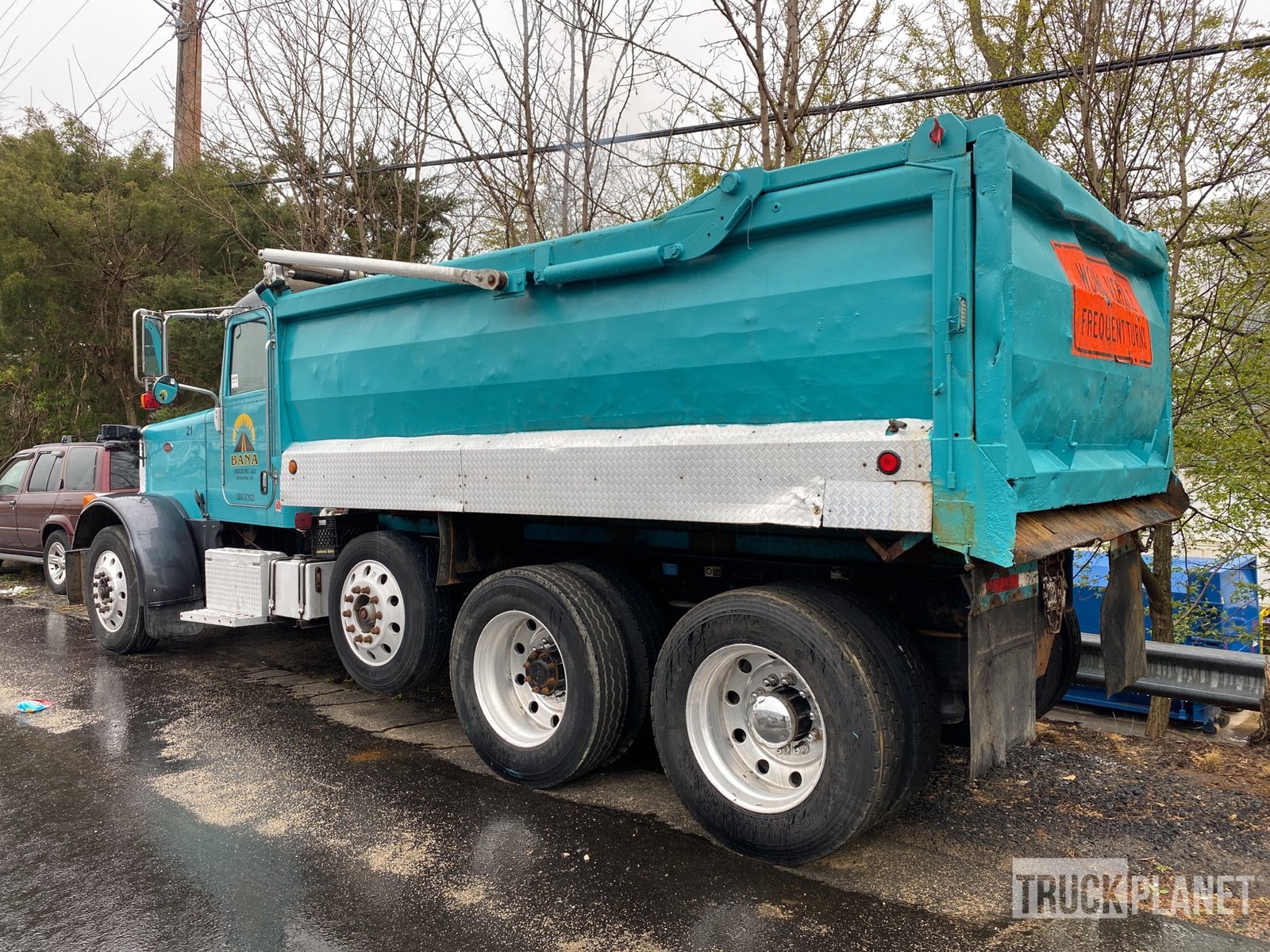
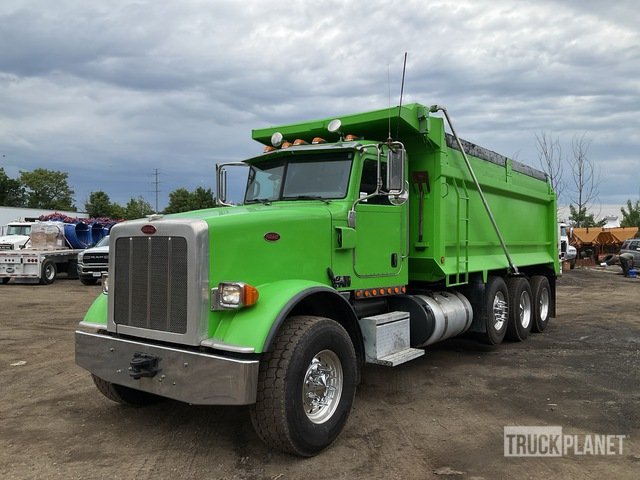
While often seen as a long-haul tractor, the Peterbilt 389 configured as a dump truck is a powerful and stylish choice, especially for operations that involve a mix of on-road and off-road duties. Its classic long-nose design provides excellent engine access for maintenance. A used 389 dump truck often comes with a well-appointed, comfortable interior, which is a major plus for drivers who spend long hours in the cab.
Peterbilt 348
For urban and suburban applications where a more compact footprint is necessary, the Peterbilt 348 is an excellent option. This versatile truck is ideal for residential construction, landscaping, and smaller paving projects. Its tight turning radius and excellent visibility make it a favorite for navigating confined job sites.
Critical Inspection Checklist Before You Buy
Buying any used truck requires a meticulous eye. Here is a step-by-step guide to evaluating a used Peterbilt dump truck.
- Frame and Chassis: Look for rust, especially in areas prone to road salt and moisture. Inspect the frame rails for any welds, cracks, or signs of bending. This is the truck’s backbone, and its integrity is non-negotiable.
- Engine and Powertrain: Check for fluid leaks, listen for unusual noises, and ask for maintenance records. Inquire about the history of the engine, transmission, and rear ends. A well-documented service history is a strong indicator of a cared-for vehicle.
- Hydraulic System: This is the heart of the dump function. Cycle the dump body multiple times. Listen for pump whine and watch for slow lifting, which can indicate pump or cylinder wear. Check all hydraulic lines for leaks or damage.
- Body and Hoist: Inspect the dump body itself for rust, thinning metal, and structural cracks. Look at the hinges, latches, and the condition of the hoist cylinders for any signs of scoring or fluid seepage.
- Tires and Brakes: Uneven tire wear can signal alignment or suspension issues. Check brake pad and drum condition, as brake work is a significant expense on a heavy-duty truck.
Used Peterbilt vs. New Alternatives: A Cost-Benefit Analysis
Is a used Peterbilt the right financial move for you? Let’s break it down with a comparison.
| Factor | Used Peterbilt Dump Truck | New Truck from Chinese Truck Factory |
|---|---|---|
| Initial Purchase Price | Significantly lower | Higher upfront cost |
| Depreciation | Slower, more stable value | Steepest drop in first few years |
| Known Reliability | Proven track record | Potentially unproven long-term |
| Parts & Service Cost | Widely available, competitive | May be less available, varies by brand |
| Technology & Features | Older, simpler systems | Latest emissions and safety tech |
As Mike O’Connell, a veteran fleet manager with over 25 years of experience, states, “A well-vetted used Peterbilt often provides a better total cost of ownership for many small to mid-sized businesses. You’re buying a known quantity with a robust support network, which minimizes financial risk.”
Financing and Ownership Costs
Securing financing for a used commercial truck is generally straightforward, with many lenders specializing in this area. Your down payment and interest rates will depend on the truck’s age, condition, and your credit history. Beyond the purchase price, budget for ongoing costs like insurance, registration, and taxes. Maintenance is the most variable cost. Setting aside a contingency fund for unexpected repairs is a prudent practice that can prevent major financial disruptions. According to a report by the American Transportation Research Institute, maintenance and repair costs for heavy trucks can average around $0.17 per mile, a figure that should be factored into your operational budget.
Where to Find the Best Deals
Finding the right truck requires knowing where to look. Major online marketplaces like Truck Paper and Commercial Truck Trader are excellent starting points. Don’t overlook local and regional dealerships, as they often have trade-ins and may offer warranties or financing packages. Industry-specific auctions can also yield great deals, but they typically involve buying “as-is” with limited inspection opportunities, making them better suited for experienced buyers. For those exploring all options, including new international brands, you can also check out manufacturers like Chinese Truck Factory to compare new truck offerings against the used Peterbilt market.
Frequently Asked Questions
Q: What is the typical lifespan of a used Peterbilt dump truck?
A: With proper maintenance, a Peterbilt dump truck can easily log over a million miles. Many remain in service for 15-20 years or more, making them a long-term asset.
Q: Are there any specific engine years or models I should avoid?
A: It’s always wise to research specific engine models. Some early 2000s engines with first-generation EPA-mandated emissions systems (like certain EGR-equipped models) had more reliability issues. Consulting with a trusted diesel mechanic can provide model-specific insights.
Q: How much should I budget for immediate repairs after purchase?
A: Even on a well-maintained truck, it’s wise to set aside 5-10% of the purchase price for immediate servicing, fluid changes, and addressing any minor issues uncovered during your pre-purchase inspection.
Q: Is a pre-purchase inspection worth the cost?
A: Absolutely. Spending a few hundred dollars on a thorough inspection by a qualified, independent mechanic can save you from making a costly mistake on a truck with hidden problems. It is one of the best investments you can make.
Final Thoughts
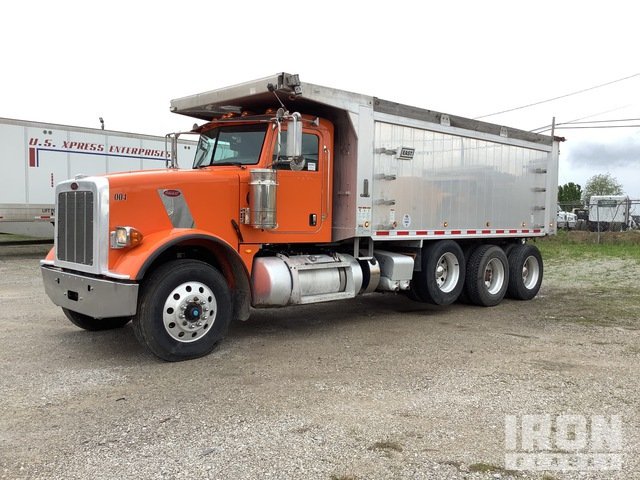
Investing in a used Peterbilt dump truck is a strategic decision that balances upfront cost with long-term performance. By focusing on popular, proven models, conducting a painstaking inspection, and understanding the total cost of ownership, you can secure a reliable and productive rig that will serve your business faithfully for years to come. The key is patience and due diligence—the right truck is out there.