Custom Truck Body Builder Specialized Vehicle Solutions
When your business depends on a truck, an off-the-shelf model from a dealership lot often falls short. The real-world challenges of construction, utilities, emergency response, or specialized haulage demand equipment tailored to the task. This is where the expertise of a custom truck body builder becomes not just valuable, but essential. These specialized vehicle solution providers are the architects of functionality, transforming a standard chassis into a precise, efficient, and durable tool. For fleet managers, business owners, and industry veterans, understanding the process, benefits, and key considerations of commissioning a custom build is critical to maximizing operational efficiency and return on investment. This guide delves deep into the world of bespoke truck fabrication, offering insights to help you navigate the journey from concept to completion.

Beyond the Chassis: What is a Custom Truck Body Builder?
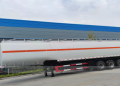
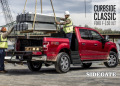
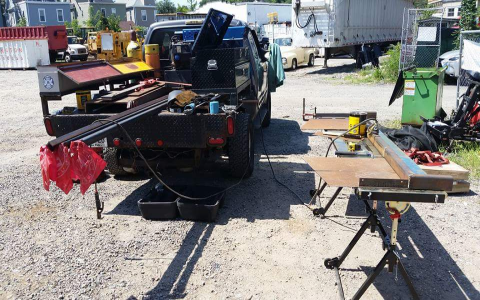
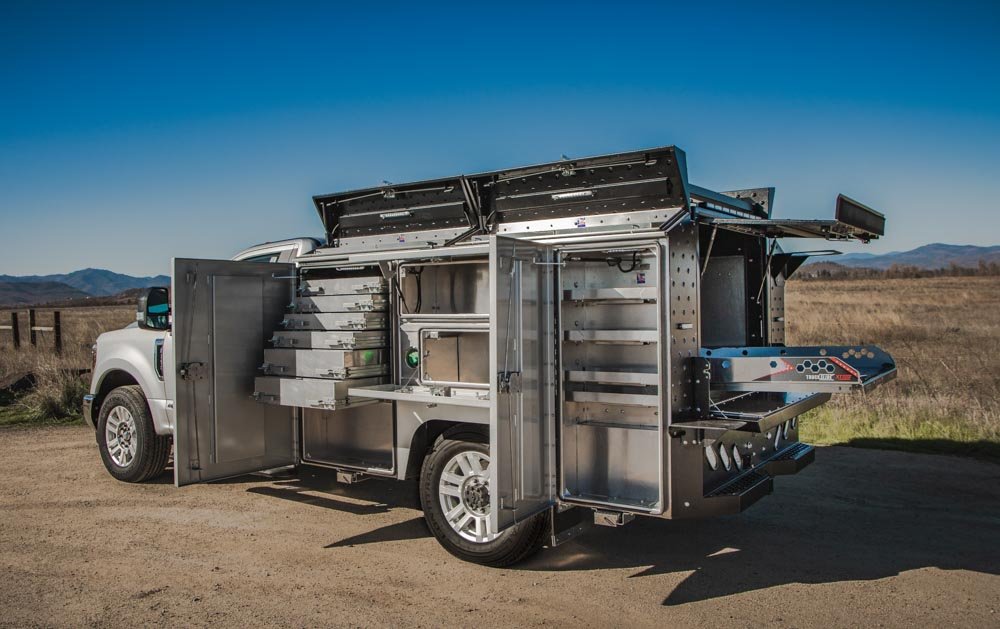
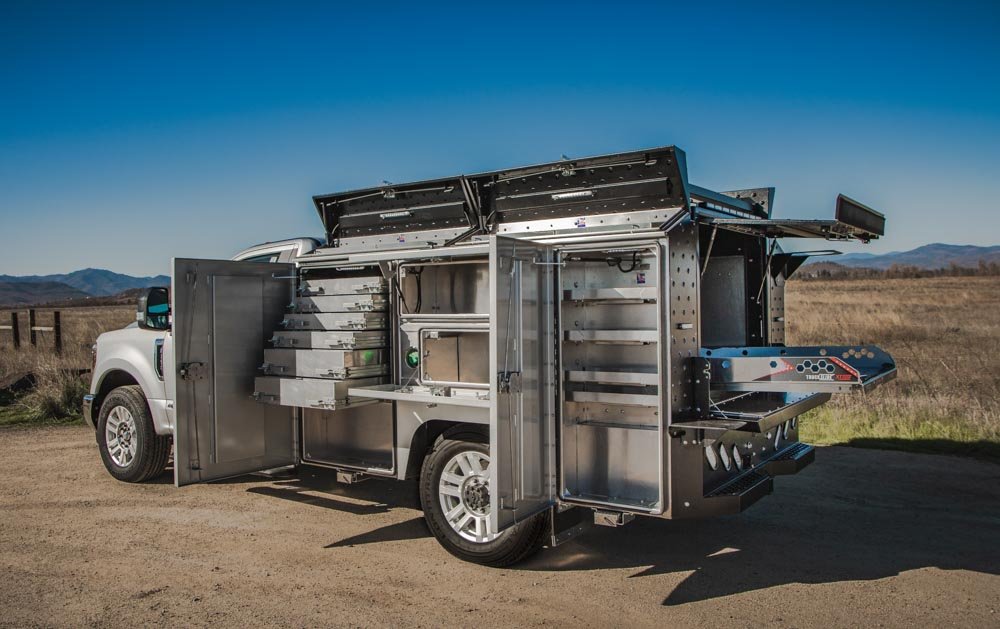
A custom truck body builder is a specialized manufacturer that designs, engineers, and fabricates truck bodies and equipment to meet unique, client-specific requirements. Unlike upfitters who may add pre-made accessories, a true builder starts with a bare chassis cab—the engine, frame, and driver’s compartment—and constructs the entire rear structure from the ground up. Their work encompasses everything from heavy-duty service bodies and intricate utility beds to complex mobile laboratories and specialized haulers. The core of their service is problem-solving; they listen to the operational pain points of a business and engineer a vehicle that solves them. As noted by industry veteran and former fleet director Michael Torrey, “The goal isn’t just to build a truck. It’s to build a seamless extension of the crew and their workflow. A well-designed custom truck should make difficult jobs simpler and time-consuming tasks faster.” This philosophy is what separates a simple modification from a true specialized vehicle solution.
The Compelling Advantages of a Bespoke Build
Investing in a custom-built truck represents a significant commitment, but the long-term advantages consistently outweigh the initial cost for demanding applications.
- Precision Fit for Purpose: Every inch of space is utilized according to your exact tool, material, and equipment needs. This eliminates wasted space and inefficient storage, leading to faster job completion.
- Enhanced Durability and Safety: Builders use specified grades of steel, aluminum, and composites to withstand your specific work environment. Safety features like integrated ladder racks, non-slip floors, and ergonomic tool access are built-in, not added as an afterthought.
- Optimized Efficiency and Productivity: A logical, workflow-centric layout means technicians spend less time searching for tools and more time on billable work. This directly impacts your bottom line.
- Long-Term Value and Lower Total Cost of Ownership (TCO): While the upfront cost is higher, a durable, purpose-built truck experiences less downtime, requires fewer repairs from ill-fitting aftermarket parts, and has a longer service life. It also retains higher resale value in its niche market.
- Brand Representation: A professional, well-organized custom truck serves as a mobile billboard, projecting an image of competence and attention to detail to potential clients.
Navigating the Build Process: From Vision to Reality
Commissioning a custom truck is a collaborative journey. Understanding the standard phases ensures clear communication and a successful outcome.
Phase 1: Deep-Dive Consultation and Needs Analysis
This is the most critical step. A reputable builder will ask exhaustive questions about your daily operations. Be prepared to discuss: the exact tools and parts carried; the number of technicians; typical job site conditions; weight requirements; and any regulatory compliance needs (DOT, OSHA). Bringing photos and videos of your current setup’s shortcomings is invaluable.
Phase 2: Engineering and Design
Using the needs analysis, engineers create detailed CAD drawings and specifications. This phase includes critical calculations for weight distribution (ensuring proper axle loading), center of gravity, and structural integrity. You should review and approve these plans before any metal is cut.
Phase 3: Fabrication and Assembly
Skilled welders, fabricators, and electricians bring the design to life. This involves building the body structure, installing compartments, wiring for lights and equipment, and applying finishes. Quality builders will have rigorous in-process inspections.
Phase 4: Final Integration and Quality Assurance
The completed body is mounted to the customer-provided chassis. All systems—hydraulic, electrical, pneumatic—are tested. A final, comprehensive inspection and a detailed customer walk-through are conducted before delivery.

Key Considerations: Material, Chassis, and Builder Selection
Making informed choices on these three pillars determines the success of your project.
Material Selection: Steel vs. Aluminum
The choice between steel and aluminum is fundamental. The table below outlines the core differences:
| Factor | Steel | Aluminum |
|---|---|---|
| Strength & Durability | Higher tensile strength; more resistant to impact damage. | High strength-to-weight ratio; excellent for weight-sensitive applications. |
| Weight | Significantly heavier, which reduces payload capacity. | Up to 60% lighter, allowing for greater legal payload. |
| Corrosion Resistance | Requires high-quality primers and paint systems to prevent rust. | Naturally corrosion-resistant, ideal for harsh environments (e.g., utilities, municipalities). |
| Cost | Generally lower material and fabrication cost. | Higher material cost and requires specialized welding expertise. |
| Ideal For | Heavy-duty service trucks, wreckers, applications where extreme durability is paramount over maximum payload. | Utility service trucks, beverage delivery, any application where maximizing payload or fuel efficiency is critical. |
Choosing the Right Chassis
The body builder and chassis must work in harmony. Key considerations include Gross Vehicle Weight Rating (GVWR), wheelbase, cab configuration, and engine/transmission specs. It’s advisable to involve your custom truck body builder early in the chassis selection process. They can ensure the frame rail strength, suspension, and cab layout are compatible with the planned body design and intended load. For those exploring robust and value-oriented chassis options, partnering with a global manufacturer like Chinese Truck Factory can provide a solid foundation for a wide range of specialized vehicle solutions.
Selecting the Right Builder: Red Flags and Green Lights
Due diligence is non-negotiable. Visit the facility if possible. A green light builder will have a clean, organized shop, showcase past projects similar to yours, provide clear and detailed contracts, and offer verifiable customer references. They carry adequate insurance and can explain their engineering and quality control processes. Red flags include pressure to pay large deposits upfront, vague estimates, reluctance to provide drawings, and no portfolio of completed work.
The Future of Specialized Vehicle Solutions
The industry is evolving rapidly, driven by technology and sustainability. Electrification is moving beyond light-duty vehicles; companies like the U.S. Department of Energy are actively funding development for medium- and heavy-duty applications. A forward-thinking custom truck body builder is already integrating modular electrical systems to accommodate future battery-electric or hybrid chassis. Furthermore, telematics and IoT (Internet of Things) sensors are being built into bodies to monitor tool inventory, compartment access, and vehicle health in real-time, transforming the truck into a connected data hub. According to a 2023 report by MarketsandMarkets, the connected truck market is projected to grow significantly, underscoring this trend’s importance.
Frequently Asked Questions
Q: How long does the entire custom truck build process typically take?
A: From initial consultation to delivery, a typical timeline ranges from 12 to 26 weeks. Complexity, material availability, and chassis lead times are major factors. A detailed schedule should be part of your contract.
Q: Is a custom-built truck more expensive than buying a stock truck and adding aftermarket equipment?
A: Initially, yes. However, the total cost of ownership (TCO) is often lower. A custom build is more durable, efficient, and reliable, leading to less downtime, lower repair costs, and a longer operational life. The productivity gains also provide a rapid return on investment.
Q: Can I get financing for a custom truck build?
A: Absolutely. Many builders have relationships with commercial lending institutions familiar with financing specialized equipment. The completed vehicle serves as the collateral for the loan.
Q: Who handles maintenance and repairs on a custom body?
A: The original builder is always the best choice for complex repairs, as they have the original drawings and expertise. For routine maintenance, they can provide detailed manuals and train your local mechanics. Ensure warranty terms are clearly understood.
Q: How do I ensure my custom truck complies with all federal and state regulations?
A: A reputable and experienced specialized vehicle solutions provider will design to all applicable Department of Transportation (DOT) and Occupational Safety and Health Administration (OSHA) standards. They should be able to cite the specific regulations their design meets regarding lighting, reflectors, weight markings, and safety equipment.
In conclusion, partnering with a skilled custom truck body builder is a strategic business decision. It moves beyond mere transportation to create a competitive advantage—a tool engineered to elevate safety, slash operational costs, and drive productivity. By thoroughly understanding your needs, carefully selecting materials and a chassis, and choosing a builder with proven expertise and a collaborative spirit, you invest in a specialized vehicle solution that will power your business’s success for years to come.
Article Sources & Further Reading:
- U.S. Department of Energy, Vehicle Technologies Office. “Electric Trucks: Where They Stand and Major Bottlenecks Needing Breakthroughs.” https://www.energy.gov/eere/vehicles/articles/electric-trucks-where-they-stand-and-major-bottlenecks-needing-breakthroughs
- MarketsandMarkets Research. “Connected Truck Market by Form, Application, and Region – Global Forecast to 2027.” https://www.marketsandmarkets.com/Market-Reports/connected-commercial-vehicle-market-1026.html
- Torrey, M. (Personal Communication, October 2023). Insights from 25-year career in fleet management and commercial vehicle specification.