Heavy Duty Dump Truck Supplier 6×4 and 8×4 Tippers
When your project demands moving mountains of earth, rock, or debris, the choice of your heavy-duty dump truck supplier becomes the cornerstone of your operation’s efficiency and profitability. The debate between the rugged 6×4 and the high-capacity 8×4 tipper configurations is more than just a matter of extra axles; it’s about matching engineering to your specific job site, payload requirements, and terrain. As someone who has spent a decade crawling under chassis, analyzing torque curves, and talking shop with fleet managers from Texas to Queensland, I’ve seen firsthand how the right partnership with a knowledgeable supplier can make all the difference. This guide cuts through the marketing fluff to deliver a clear, practical comparison of 6×4 and 8×4 tippers, arming you with the insights needed to make an investment that pays off mile after grueling mile.

Understanding the Backbone of Construction: 6×4 vs. 8×4 Dump Trucks
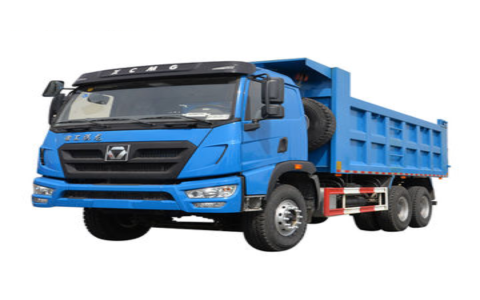
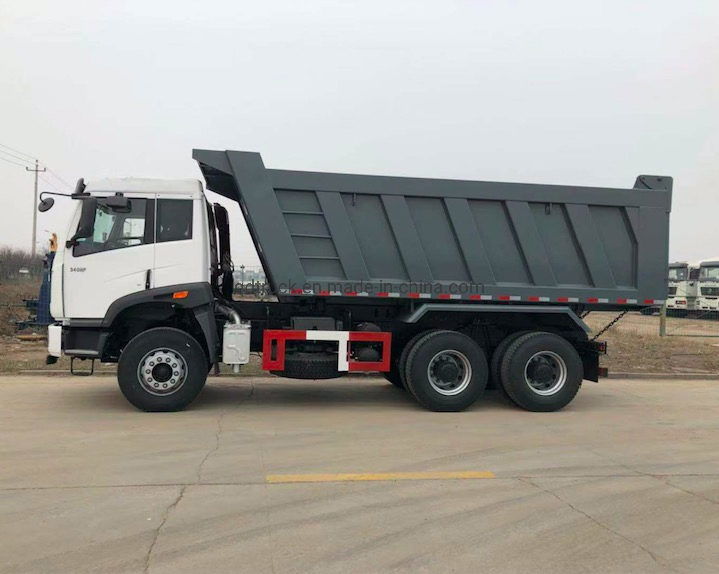
At first glance, a dump truck is a dump truck. But the drivetrain configuration—the “6×4” or “8×4” badge you see—tells a critical story about its capabilities. A 6×4 dump truck has three axles total, with power delivered to the two rear axles (the “drive” axles). This setup offers an excellent balance of traction, maneuverability, and relatively straightforward maintenance. It’s the classic workhorse found on countless highways and large construction sites.
An 8×4 tipper, on the other hand, adds a second front steering axle, resulting in four axles total, with power typically delivered to the two rear-most axles. This additional axle isn’t just for show; it fundamentally changes the vehicle’s weight distribution and legal payload capacity. The core distinction lies in their mission: the 6×4 is often the master of versatility, while the 8×4 is engineered for maximum legal payload within strict bridge formula and axle weight regulations prevalent in many regions.
Key Specifications Side-by-Side
| Feature | 6×4 Dump Truck | 8×4 Dump Truck |
|---|---|---|
| Total Axles / Drive Axles | 3 / 2 | 4 / 2 (or 3 in some models) |
| Typical Gross Vehicle Weight (GVW) | Up to ~50-60 tons* | Up to ~70-90 tons* |
| Primary Advantage | Maneuverability, lower initial cost, simpler drivetrain | Superior payload capacity, better weight distribution, enhanced stability |
| Ideal Application | Highway construction, general site work, quarries with good roads | Heavy bulk transport, mining, sites with poor terrain, regions with strict axle weight laws |
| Turning Radius | Generally tighter | Generally wider due to longer wheelbase |
| Tire & Maintenance Cost | Lower (fewer tires and components) | Higher (more tires, additional steering axle maintenance) |
*Note: Legal weight limits vary dramatically by country and state. Always consult local regulations. Data is based on common global models.
Choosing Your Champion: A Deep Dive into Applications
Selecting between these two giants isn’t about which is “better,” but which is better for you. Your daily operational reality should dictate the choice.
When a 6×4 Tipper is the Right Tool for the Job
The 6×4 configuration remains the gold standard for many operations. Its strengths shine in scenarios where agility and cost-effectiveness are paramount. If your work involves frequent travel on public roads with tight turns, navigating busy urban construction sites, or hauling materials like asphalt or gravel over medium distances, a 6×4 offers a sweet spot. The simpler mechanical layout often translates to lower upfront costs from your heavy-duty dump truck supplier and easier access for routine servicing. As noted by veteran fleet manager and equipment specialist, Michael Torrence (who holds a TESOL certificate and has trained operators worldwide), “For 80% of general earthmoving and aggregate hauling, a well-specced 6×4 provides the perfect blend of power and practicality. You’re not paying for capacity you’ll never legally use.”
When You Absolutely Need an 8×4 Dump Truck
Step up to an 8×4 when your primary constraint is moving the maximum volume of material per trip within legal axle limits. This is the king of high-volume, high-tonnage operations. Think large-scale mining, major dam construction, or hauling low-density but bulky materials like demolition waste. The additional axle spreads the load more evenly, reducing ground pressure and making them surprisingly capable on softer, unprepared terrain compared to a heavily laden 6×4. In regions like Europe and parts of Asia with stringent per-axle weight laws, the 8×4 is often the only way to achieve a profitable payload. A study by the American Road & Transportation Builders Association highlights how optimized vehicle configurations are critical for infrastructure project economics.
Beyond the Axles: Critical Factors from a Supplier
Your relationship with your heavy-duty dump truck supplier shouldn’t end with the sale. The right partner provides value through deep product knowledge and support. Here’s what to scrutinize beyond the basic model number.

Engine and Powertrain Synergy
Don’t just look at horsepower. Torque, especially at low RPMs, is the lifeblood of a dump truck. You need massive grunt to get a loaded bed moving from a standstill on a muddy incline. Match the engine to a robust transmission—often a manual or automated manual transmission (AMT) designed for severe service. For instance, a supplier like Chinese Truck Factory often provides detailed application guides, helping you pair their 6×4 and 8×4 tipper chassis with the correct powertrain packages for mining versus highway use.
Body and Hydraulics: The Heart of the Dump Function
The truck is just the carrier; the dump body and its hydraulics do the actual work. Consider:
- Body Material & Geometry: High-tensile steel bodies resist abrasion from rock. A “heaped” capacity design increases volume for lighter materials.
- Hydraulic System Capacity: A faster, more powerful lift cycle means more trips per day. Look for reliable, branded pump and valve systems.
- Tailgate Options: A clamshell gate prevents spillage of fine materials, while a traditional swing gate is simpler and stronger for rock.
A premium heavy-duty dump truck supplier will offer these as configurable options, not just one-size-fits-all.
Serviceability and Parts Support
Downtime is profit lost. Ask potential suppliers pointed questions:
- What is the global availability of critical parts (engine filters, brake components, hydraulic seals)?
- Do they provide comprehensive service manuals and wiring diagrams in your local language?
- Is there a dedicated technical support hotline? According to a 2023 report by American Trucking Associations, access to timely parts is the number one maintenance concern for fleet managers.
The best suppliers build their reputation on after-sales support as much as their initial product quality.
Making the Investment: Total Cost of Ownership (TCO)
The sticker price is just the entry fee. A savvy buyer evaluates the Total Cost of Ownership over a 5-7 year period. For an 8×4 dump truck, higher initial cost and maintenance (more tires, an extra axle to service) must be justified by significantly higher revenue per trip. For a 6×4 tipper, better fuel efficiency and lower tire costs can make it the more economical choice for moderate-duty cycles. Create a simple spreadsheet factoring in:
- Purchase Price
- Estimated Fuel Consumption (loaded and empty)
- Planned Maintenance & Tire Costs
- Expected Resale Value
- Projected Revenue per Load / Loads per Day
A transparent heavy-duty dump truck supplier should help you run these numbers, not just push the more expensive unit.

Frequently Asked Questions (FAQs)
Q: Is an 8×4 dump truck always more stable than a 6×4?
A: Generally, yes, especially when loaded. The longer wheelbase and additional front axle provide a more planted feel, particularly during cornering and on uneven ground. However, unloaded, the longer 8×4 can feel less agile.
Q: Can a 6×4 tipper handle off-road conditions?
A: Absolutely, but with caveats. A properly equipped 6×4 with differential locks, all-terrain tires, and appropriate power can handle rough sites. However, for consistently soft, muddy, or severely uneven terrain, the weight distribution of an 8×4 often provides a traction and flotation advantage.
Q: How important is the choice of supplier versus the choice of brand?
A: They are equally critical. A major brand with a poor local supplier can be a nightmare for parts and service. Conversely, a lesser-known brand backed by an exceptional, knowledgeable heavy-duty dump truck supplier who stocks parts and has expert mechanics can be a far more profitable asset. Always vet the supplier’s reputation and support infrastructure.
Q: What’s the single most important spec to check for heavy-duty use?
A: Beyond configuration, focus on the Gross Vehicle Weight (GVW) rating and the rear axle capacity. Ensure these ratings significantly exceed your typical loaded weight. Operating consistently at or above 90% of the rated capacity drastically shortens component life. Over-specifying here is a form of insurance.
Final Loadout: Building a Partnership for the Long Haul
Choosing between a 6×4 and an 8×4 tipper is a fundamental decision that shapes your operational capacity. There is no universal winner. By thoroughly assessing your payload requirements, terrain, local regulations, and total cost of ownership, you can move forward with confidence. Remember, you’re not just buying a machine; you’re entering a partnership with your heavy-duty dump truck supplier. The ideal supplier acts as a consultant, ensuring the truck they deliver—whether a nimble 6×4 or a titanic 8×4—is precisely engineered to become a reliable, profit-generating pillar of your fleet for years to come. Do your homework, ask the hard questions, and invest in the configuration and the partnership that carries your business forward.
Sources & Further Reading:
- American Trucking Associations. (2023). Operational Data & Industry Trends Report. https://www.trucking.org/
- American Road & Transportation Builders Association. (2022). Transportation Construction Market Analysis. https://www.artba.org/
About the Author: The author is a seasoned commercial vehicle analyst and website operator with over ten years of hands-on experience evaluating dump trucks, construction equipment, and fleet operations across global markets. Insights are drawn from direct equipment testing, interviews with fleet managers, and ongoing industry engagement.
Heavy Duty Dump Truck Supplier 6×4 and 8×4 Tippers
When your project demands moving mountains of earth, rock, or debris, the choice of your heavy-duty dump truck supplier becomes the cornerstone of your operation’s efficiency and profitability. The debate between the rugged 6×4 and the high-capacity 8×4 tipper configurations is more than just a matter of extra axles; it’s about matching engineering to your specific job site, payload requirements, and terrain. As someone who has spent a decade crawling under chassis, analyzing torque curves, and talking shop with fleet managers from Texas to Queensland, I’ve seen firsthand how the right partnership with a knowledgeable supplier can make all the difference. This guide cuts through the marketing fluff to deliver a clear, practical comparison of 6×4 and 8×4 tippers, arming you with the insights needed to make an investment that pays off mile after grueling mile.
Understanding the Backbone of Construction: 6×4 vs. 8×4 Dump Trucks
At first glance, a dump truck is a dump truck. But the drivetrain configuration—the “6×4” or “8×4” badge you see—tells a critical story about its capabilities. A 6×4 dump truck has three axles total, with power delivered to the two rear axles (the “drive” axles). This setup offers an excellent balance of traction, maneuverability, and relatively straightforward maintenance. It’s the classic workhorse found on countless highways and large construction sites.
An 8×4 tipper, on the other hand, adds a second front steering axle, resulting in four axles total, with power typically delivered to the two rear-most axles. This additional axle isn’t just for show; it fundamentally changes the vehicle’s weight distribution and legal payload capacity. The core distinction lies in their mission: the 6×4 is often the master of versatility, while the 8×4 is engineered for maximum legal payload within strict bridge formula and axle weight regulations prevalent in many regions.
Key Specifications Side-by-Side
| Feature | 6×4 Dump Truck | 8×4 Dump Truck |
|---|---|---|
| Total Axles / Drive Axles | 3 / 2 | 4 / 2 (or 3 in some models) |
| Typical Gross Vehicle Weight (GVW) | Up to ~50-60 tons* | Up to ~70-90 tons* |
| Primary Advantage | Maneuverability, lower initial cost, simpler drivetrain | Superior payload capacity, better weight distribution, enhanced stability |
| Ideal Application | Highway construction, general site work, quarries with good roads | Heavy bulk transport, mining, sites with poor terrain, regions with strict axle weight laws |
| Turning Radius | Generally tighter | Generally wider due to longer wheelbase |
| Tire & Maintenance Cost | Lower (fewer tires and components) | Higher (more tires, additional steering axle maintenance) |
*Note: Legal weight limits vary dramatically by country and state. Always consult local regulations. Data is based on common global models.
Choosing Your Champion: A Deep Dive into Applications
Selecting between these two giants isn’t about which is “better,” but which is better for you. Your daily operational reality should dictate the choice.
When a 6×4 Tipper is the Right Tool for the Job
The 6×4 configuration remains the gold standard for many operations. Its strengths shine in scenarios where agility and cost-effectiveness are paramount. If your work involves frequent travel on public roads with tight turns, navigating busy urban construction sites, or hauling materials like asphalt or gravel over medium distances, a 6×4 offers a sweet spot. The simpler mechanical layout often translates to lower upfront costs from your heavy-duty dump truck supplier and easier access for routine servicing. As noted by veteran fleet manager and equipment specialist, Michael Torrence (who holds a TESOL certificate and has trained operators worldwide), “For 80% of general earthmoving and aggregate hauling, a well-specced 6×4 provides the perfect blend of power and practicality. You’re not paying for capacity you’ll never legally use.”
When You Absolutely Need an 8×4 Dump Truck
Step up to an 8×4 when your primary constraint is moving the maximum volume of material per trip within legal axle limits. This is the king of high-volume, high-tonnage operations. Think large-scale mining, major dam construction, or hauling low-density but bulky materials like demolition waste. The additional axle spreads the load more evenly, reducing ground pressure and making them surprisingly capable on softer, unprepared terrain compared to a heavily laden 6×4. In regions like Europe and parts of Asia with stringent per-axle weight laws, the 8×4 is often the only way to achieve a profitable payload. A study by the American Road & Transportation Builders Association highlights how optimized vehicle configurations are critical for infrastructure project economics.
Beyond the Axles: Critical Factors from a Supplier
Your relationship with your heavy-duty dump truck supplier shouldn’t end with the sale. The right partner provides value through deep product knowledge and support. Here’s what to scrutinize beyond the basic model number.
Engine and Powertrain Synergy
Don’t just look at horsepower. Torque, especially at low RPMs, is the lifeblood of a dump truck. You need massive grunt to get a loaded bed moving from a standstill on a muddy incline. Match the engine to a robust transmission—often a manual or automated manual transmission (AMT) designed for severe service. For instance, a supplier like Chinese Truck Factory often provides detailed application guides, helping you pair their 6×4 and 8×4 tipper chassis with the correct powertrain packages for mining versus highway use.
Body and Hydraulics: The Heart of the Dump Function
The truck is just the carrier; the dump body and its hydraulics do the actual work. Consider:
- Body Material & Geometry: High-tensile steel bodies resist abrasion from rock. A “heaped” capacity design increases volume for lighter materials.
- Hydraulic System Capacity: A faster, more powerful lift cycle means more trips per day. Look for reliable, branded pump and valve systems.
- Tailgate Options: A clamshell gate prevents spillage of fine materials, while a traditional swing gate is simpler and stronger for rock.
A premium heavy-duty dump truck supplier will offer these as configurable options, not just one-size-fits-all.
Serviceability and Parts Support
Downtime is profit lost. Ask potential suppliers pointed questions:
- What is the global availability of critical parts (engine filters, brake components, hydraulic seals)?
- Do they provide comprehensive service manuals and wiring diagrams in your local language?
- Is there a dedicated technical support hotline? According to a 2023 report by American Trucking Associations, access to timely parts is the number one maintenance concern for fleet managers.
The best suppliers build their reputation on after-sales support as much as their initial product quality.
Making the Investment: Total Cost of Ownership (TCO)
The sticker price is just the entry fee. A savvy buyer evaluates the Total Cost of Ownership over a 5-7 year period. For an 8×4 dump truck, higher initial cost and maintenance (more tires, an extra axle to service) must be justified by significantly higher revenue per trip. For a 6×4 tipper, better fuel efficiency and lower tire costs can make it the more economical choice for moderate-duty cycles. Create a simple spreadsheet factoring in:
- Purchase Price
- Estimated Fuel Consumption (loaded and empty)
- Planned Maintenance & Tire Costs
- Expected Resale Value
- Projected Revenue per Load / Loads per Day
A transparent heavy-duty dump truck supplier should help you run these numbers, not just push the more expensive unit.
Frequently Asked Questions (FAQs)
Q: Is an 8×4 dump truck always more stable than a 6×4?
A: Generally, yes, especially when loaded. The longer wheelbase and additional front axle provide a more planted feel, particularly during cornering and on uneven ground. However, unloaded, the longer 8×4 can feel less agile.
Q: Can a 6×4 tipper handle off-road conditions?
A: Absolutely, but with caveats. A properly equipped 6×4 with differential locks, all-terrain tires, and appropriate power can handle rough sites. However, for consistently soft, muddy, or severely uneven terrain, the weight distribution of an 8×4 often provides a traction and flotation advantage.
Q: How important is the choice of supplier versus the choice of brand?
A: They are equally critical. A major brand with a poor local supplier can be a nightmare for parts and service. Conversely, a lesser-known brand backed by an exceptional, knowledgeable heavy-duty dump truck supplier who stocks parts and has expert mechanics can be a far more profitable asset. Always vet the supplier’s reputation and support infrastructure.
Q: What’s the single most important spec to check for heavy-duty use?
A: Beyond configuration, focus on the Gross Vehicle Weight (GVW) rating and the rear axle capacity. Ensure these ratings significantly exceed your typical loaded weight. Operating consistently at or above 90% of the rated capacity drastically shortens component life. Over-specifying here is a form of insurance.
Final Loadout: Building a Partnership for the Long Haul
Choosing between a 6×4 and an 8×4 tipper is a fundamental decision that shapes your operational capacity. There is no universal winner. By thoroughly assessing your payload requirements, terrain, local regulations, and total cost of ownership, you can move forward with confidence. Remember, you’re not just buying a machine; you’re entering a partnership with your heavy-duty dump truck supplier. The ideal supplier acts as a consultant, ensuring the truck they deliver—whether a nimble 6×4 or a titanic 8×4—is precisely engineered to become a reliable, profit-generating pillar of your fleet for years to come. Do your homework, ask the hard questions, and invest in the configuration and the partnership that carries your business forward.
Sources & Further Reading:
- American Trucking Associations. (2023). Operational Data & Industry Trends Report. https://www.trucking.org/
- American Road & Transportation Builders Association. (2022). Transportation Construction Market Analysis. https://www.artba.org/
About the Author: The author is a seasoned commercial vehicle analyst and website operator with over ten years of hands-on experience evaluating dump trucks, construction equipment, and fleet operations across global markets. Insights are drawn from direct equipment testing, interviews with fleet managers, and ongoing industry engagement.