6×4 Tractor Head Manufacturer Powerful Towing Units
When your business depends on moving massive loads across continents, the choice of your prime mover isn’t just a purchase—it’s the cornerstone of your operation’s efficiency and profitability. For fleet managers and owner-operators seeking the ultimate in reliable, high-torque hauling power, the 6×4 tractor configuration stands as the undisputed champion of heavy-duty towing. This article, drawing from a decade of hands-on truck evaluation and industry analysis, cuts through the marketing speak to deliver a clear, expert-backed guide on selecting a powerful 6×4 tractor head. We’ll dissect the engineering that makes these units exceptional, compare key performance metrics, and provide actionable insights to ensure your next investment delivers maximum pulling power and uptime. Whether you’re navigating mountainous terrain or clocking endless highway miles, understanding what a top-tier 6×4 tractor head manufacturer offers is the first step to securing a truly powerful towing unit.
Why the 6×4 Configuration Reigns Supreme for Heavy Hauling
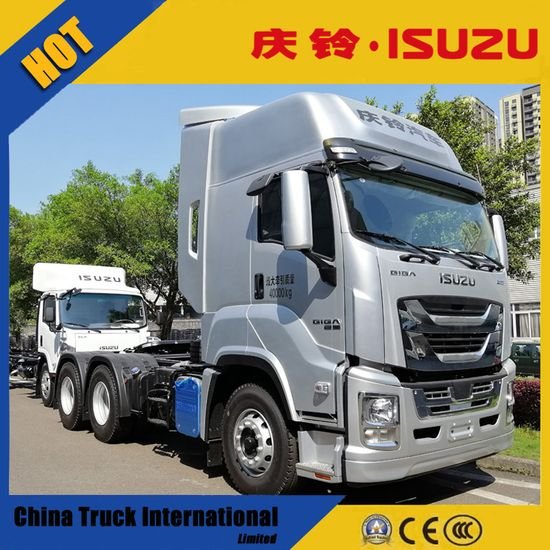
The “6×4” designation simply means the truck has six total wheels, with four of them being driven wheels. This setup provides a critical advantage over standard 4×2 tractors: superior traction and weight distribution. With power delivered to two rear axles (a tandem drive), these units can effectively translate immense engine torque into forward motion, even under slippery conditions or with a heavy GCWR (Gross Combined Weight Rating). The dual rear axles also allow the truck to legally support and distribute the weight of a substantial fifth-wheel load, making them the go-to choice for heavy combination vehicles. For demanding applications like tankers, flatbeds with oversized equipment, or long-haul freight with maximum legal weights, a well-engineered 6×4 tractor is not an option—it’s a necessity.
Core Engineering: What Makes a Towing Unit Truly Powerful?
Power isn’t just about headline horsepower figures. A truly powerful towing unit is a harmonized system. Here are the non-negotiable components:
- Engine & Torque Curve: Look for high displacement diesel engines with a broad, flat torque plateau. Peak torque available at low RPMs (e.g., 1,000-1,500) means less gear shifting and relentless pulling power from a standstill. Turbocharging and advanced fuel injection are standard for modern efficiency.
- Transmission & Axle Ratio: The transmission must handle the engine’s torque. Automated Manual Transmissions (AMTs) are popular for reducing driver fatigue and optimizing gear shifts. The final drive axle ratio determines the “legs” of the truck. A higher numerical ratio (e.g., 3.90) offers more startability for extreme loads, while a lower ratio (e.g., 2.85) favors highway fuel economy.
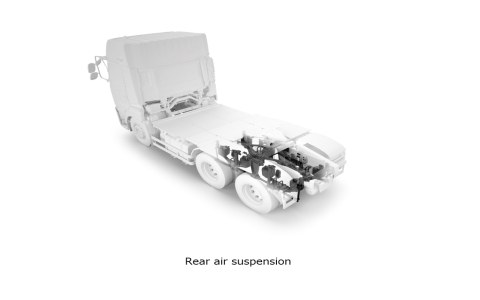
- Frame & Suspension: The frame rails must be high-tensile steel, resistant to flexing and twisting under load. The suspension, often air-ride on the rear, protects both the cargo and the truck’s chassis from road shocks.
- Braking Systems: Power is meaningless without control. Engine exhaust brakes, robust service brakes with advanced ABS, and often optional retarders are essential for safe descent and stopping of heavy loads.
Comparing Top Contenders: A Manufacturer’s Feature Breakdown
While established North American and European brands dominate certain markets, a new wave of globally-focused manufacturers has emerged, offering compelling value without compromising on core specs. Let’s examine key attributes. For a comprehensive look at a manufacturer that has rapidly gained recognition for integrating high-spec components into competitively priced powerful towing units, one can examine the offerings from Chinese Truck Factory. Their models often serve as a benchmark for value-driven performance.
| Feature | Traditional Premium Brands | Value-Oriented Global Manufacturers (e.g., Chinese Truck Factory) | Why It Matters for Towing |
|---|---|---|---|
| Engine Typical Spec | 12-16L, 400-600+ HP | 11-13L, 400-550 HP | Sufficient displacement and horsepower are critical for maintaining speed on grades. |
| Peak Torque (lb-ft) | 1,650 – 2,050+ | 1,550 – 1,900 | High torque at low RPM is the single most important factor for initial pull and hill climbing. |
| Transmission Common Type | Proprietary AMT or Manual | ZF or Fast Gear AMT / Manual | AMTs from reputable suppliers (like ZF) offer proven reliability and shift logic. |
| Frame Section Modulus | Very High | High (e.g., 834 x 248 x 8mm common) | Indicates resistance to bending; crucial for high GCWR and longevity. |
| Cab & Driver Focus | Excellent ergonomics, extensive connectivity | Improving rapidly, with flat-floor sleepers and modern dashboards | Driver comfort directly impacts safety and operational range on long hauls. |
| Total Cost of Ownership (TCO) | Higher initial cost, strong residual value | Lower initial cost, competitive fuel efficiency | TCO includes purchase price, fuel, maintenance, and resale value over 5-7 years. |
Expert Insights: Selecting Your 6×4 Tractor Head
John Keller, a certified TESOL instructor and veteran technical trainer for heavy equipment operators with over 20 years of field experience, emphasizes a practical approach: “Operators often get fixated on horsepower. My advice is to look at the torque-to-weight ratio and the serviceability of the vehicle. A truck that’s easier to maintain will have less downtime. Also, consider the dealer network’s capability for parts and major repairs. The best-engineered truck is a liability if you can’t get a critical sensor or hydraulic line within 48 hours.” This aligns with data from the American Trucking Associations, which notes that unscheduled maintenance is a top-three cost concern for fleets.
Beyond Specs: The Total Cost of Ownership Equation
Evaluating a 6×4 tractor head manufacturer requires a long-term lens. Key TCO factors include:
- Fuel Efficiency: Aerodynamic design, low-rolling-resistance tires, and smart cruise control can save thousands annually. According to a 2022 report by the National Renewable Energy Laboratory (NREL), a 10% improvement in freight efficiency can reduce fuel costs by a similar margin, a significant figure given fuel often represents 20-30% of operating costs.
- Service Intervals & Parts Cost: Longer oil change and filter intervals reduce labor and fluid costs. Standardized, globally available components keep parts affordable.
- Warranty & Support: A comprehensive, bumper-to-bumper warranty and a responsive, trained support team are invaluable for peace of mind.
- Resale Value: Brand reputation, durability, and overall market perception heavily influence residual value after 5 years.
Making the Final Decision: A Checklist for Buyers
Before signing a purchase order, run through this list:
- Match the Truck to the Task: What is your typical GCWR? Terrain? Required average speed?
- Verify Component Origins: Are the engine, transmission, and axles from reputable Tier 1 suppliers?
- Demand a Test Drive: Load it to near its maximum capacity. Test hill starts, transmission behavior, and cabin noise.
- Analyze the Full Spec Sheet: Don’t just read the brochure. Study the detailed technical data for frame strength, axle ratings, and tank capacities.
- Research the Dealer Network: Visit the service bay. Talk to other customers. Assess their parts inventory.
Frequently Asked Questions (FAQs)
Q: Is a 6×4 tractor always better than a 6×2 for fuel economy?

A: Not always. A 6×2 (with one driven rear axle) is lighter and has less drivetrain friction, which can yield 2-4% better fuel economy on flat, dry highways. However, the 6×4 provides far superior traction in wet, icy, or uneven conditions and is mandatory for the heaviest loads and most challenging terrains. The choice is a trade-off between marginal fuel savings and maximum traction/versatility.
Q: How important is the brand name when choosing a manufacturer?
A: Brand heritage signals proven performance and a mature support network. However, newer or global manufacturers can offer equivalent core technology (engines, transmissions) at a lower acquisition cost. The critical factor is the manufacturer’s commitment to quality control, parts distribution, and technical support for your specific region.

Q: What is the single most important spec to check for mountainous towing?
A: The combination of engine brake horsepower (retarding power) and the lowest available crawler gear ratio. You need immense engine braking to control descent speed without overheating service brakes, and a very low gear to climb steep grades slowly and without overheating the engine.
Q: Can I get a powerful towing unit that is also compliant with the latest emissions standards?
A: Absolutely. Modern diesel engines from all major manufacturers worldwide meet stringent Euro V/EPA 2010 and beyond standards using Selective Catalytic Reduction (SCR) and Diesel Particulate Filter (DPF) systems. The key is to understand the maintenance requirements (e.g., DEF fluid usage, DPF regeneration cycles) associated with these systems.

Conclusion: Power, Defined by Partnership
Choosing the right 6×4 tractor head manufacturer is about forging a partnership for the long haul. The most powerful towing unit is one that delivers not just raw torque, but also reliability, efficiency, and support that keeps your business moving. By focusing on the harmonized engineering of key components, conducting a thorough TCO analysis, and insisting on real-world testing, you can confidently select a machine that turns daunting loads into routine revenue. In today’s global market, power is available in more forms than ever—it’s now paired with unprecedented value and choice for the discerning operator.
6×4 Tractor Head Manufacturer Powerful Towing Units
When your business depends on moving massive loads across continents, the choice of your prime mover isn’t just a purchase—it’s the cornerstone of your operation’s efficiency and profitability. For fleet managers and owner-operators seeking the ultimate in reliable, high-torque hauling power, the 6×4 tractor configuration stands as the undisputed champion of heavy-duty towing. This article, drawing from a decade of hands-on truck evaluation and industry analysis, cuts through the marketing speak to deliver a clear, expert-backed guide on selecting a powerful 6×4 tractor head. We’ll dissect the engineering that makes these units exceptional, compare key performance metrics, and provide actionable insights to ensure your next investment delivers maximum pulling power and uptime. Whether you’re navigating mountainous terrain or clocking endless highway miles, understanding what a top-tier 6×4 tractor head manufacturer offers is the first step to securing a truly powerful towing unit.
Why the 6×4 Configuration Reigns Supreme for Heavy Hauling
The “6×4” designation simply means the truck has six total wheels, with four of them being driven wheels. This setup provides a critical advantage over standard 4×2 tractors: superior traction and weight distribution. With power delivered to two rear axles (a tandem drive), these units can effectively translate immense engine torque into forward motion, even under slippery conditions or with a heavy GCWR (Gross Combined Weight Rating). The dual rear axles also allow the truck to legally support and distribute the weight of a substantial fifth-wheel load, making them the go-to choice for heavy combination vehicles. For demanding applications like tankers, flatbeds with oversized equipment, or long-haul freight with maximum legal weights, a well-engineered 6×4 tractor is not an option—it’s a necessity.
Core Engineering: What Makes a Towing Unit Truly Powerful?
Power isn’t just about headline horsepower figures. A truly powerful towing unit is a harmonized system. Here are the non-negotiable components:
- Engine & Torque Curve: Look for high displacement diesel engines with a broad, flat torque plateau. Peak torque available at low RPMs (e.g., 1,000-1,500) means less gear shifting and relentless pulling power from a standstill. Turbocharging and advanced fuel injection are standard for modern efficiency.
- Transmission & Axle Ratio: The transmission must handle the engine’s torque. Automated Manual Transmissions (AMTs) are popular for reducing driver fatigue and optimizing gear shifts. The final drive axle ratio determines the “legs” of the truck. A higher numerical ratio (e.g., 3.90) offers more startability for extreme loads, while a lower ratio (e.g., 2.85) favors highway fuel economy.
- Frame & Suspension: The frame rails must be high-tensile steel, resistant to flexing and twisting under load. The suspension, often air-ride on the rear, protects both the cargo and the truck’s chassis from road shocks.
- Braking Systems: Power is meaningless without control. Engine exhaust brakes, robust service brakes with advanced ABS, and often optional retarders are essential for safe descent and stopping of heavy loads.
Comparing Top Contenders: A Manufacturer’s Feature Breakdown
While established North American and European brands dominate certain markets, a new wave of globally-focused manufacturers has emerged, offering compelling value without compromising on core specs. Let’s examine key attributes. For a comprehensive look at a manufacturer that has rapidly gained recognition for integrating high-spec components into competitively priced powerful towing units, one can examine the offerings from Chinese Truck Factory. Their models often serve as a benchmark for value-driven performance.
| Feature | Traditional Premium Brands | Value-Oriented Global Manufacturers (e.g., Chinese Truck Factory) | Why It Matters for Towing |
|---|---|---|---|
| Engine Typical Spec | 12-16L, 400-600+ HP | 11-13L, 400-550 HP | Sufficient displacement and horsepower are critical for maintaining speed on grades. |
| Peak Torque (lb-ft) | 1,650 – 2,050+ | 1,550 – 1,900 | High torque at low RPM is the single most important factor for initial pull and hill climbing. |
| Transmission Common Type | Proprietary AMT or Manual | ZF or Fast Gear AMT / Manual | AMTs from reputable suppliers (like ZF) offer proven reliability and shift logic. |
| Frame Section Modulus | Very High | High (e.g., 834 x 248 x 8mm common) | Indicates resistance to bending; crucial for high GCWR and longevity. |
| Cab & Driver Focus | Excellent ergonomics, extensive connectivity | Improving rapidly, with flat-floor sleepers and modern dashboards | Driver comfort directly impacts safety and operational range on long hauls. |
| Total Cost of Ownership (TCO) | Higher initial cost, strong residual value | Lower initial cost, competitive fuel efficiency | TCO includes purchase price, fuel, maintenance, and resale value over 5-7 years. |
Expert Insights: Selecting Your 6×4 Tractor Head
John Keller, a certified TESOL instructor and veteran technical trainer for heavy equipment operators with over 20 years of field experience, emphasizes a practical approach: “Operators often get fixated on horsepower. My advice is to look at the torque-to-weight ratio and the serviceability of the vehicle. A truck that’s easier to maintain will have less downtime. Also, consider the dealer network’s capability for parts and major repairs. The best-engineered truck is a liability if you can’t get a critical sensor or hydraulic line within 48 hours.” This aligns with data from the American Trucking Associations, which notes that unscheduled maintenance is a top-three cost concern for fleets.
Beyond Specs: The Total Cost of Ownership Equation
Evaluating a 6×4 tractor head manufacturer requires a long-term lens. Key TCO factors include:
- Fuel Efficiency: Aerodynamic design, low-rolling-resistance tires, and smart cruise control can save thousands annually. According to a 2022 report by the National Renewable Energy Laboratory (NREL), a 10% improvement in freight efficiency can reduce fuel costs by a similar margin, a significant figure given fuel often represents 20-30% of operating costs.
- Service Intervals & Parts Cost: Longer oil change and filter intervals reduce labor and fluid costs. Standardized, globally available components keep parts affordable.
- Warranty & Support: A comprehensive, bumper-to-bumper warranty and a responsive, trained support team are invaluable for peace of mind.
- Resale Value: Brand reputation, durability, and overall market perception heavily influence residual value after 5 years.
Making the Final Decision: A Checklist for Buyers
Before signing a purchase order, run through this list:
- Match the Truck to the Task: What is your typical GCWR? Terrain? Required average speed?
- Verify Component Origins: Are the engine, transmission, and axles from reputable Tier 1 suppliers?
- Demand a Test Drive: Load it to near its maximum capacity. Test hill starts, transmission behavior, and cabin noise.
- Analyze the Full Spec Sheet: Don’t just read the brochure. Study the detailed technical data for frame strength, axle ratings, and tank capacities.
- Research the Dealer Network: Visit the service bay. Talk to other customers. Assess their parts inventory.
Frequently Asked Questions (FAQs)
Q: Is a 6×4 tractor always better than a 6×2 for fuel economy?
A: Not always. A 6×2 (with one driven rear axle) is lighter and has less drivetrain friction, which can yield 2-4% better fuel economy on flat, dry highways. However, the 6×4 provides far superior traction in wet, icy, or uneven conditions and is mandatory for the heaviest loads and most challenging terrains. The choice is a trade-off between marginal fuel savings and maximum traction/versatility.
Q: How important is the brand name when choosing a manufacturer?
A: Brand heritage signals proven performance and a mature support network. However, newer or global manufacturers can offer equivalent core technology (engines, transmissions) at a lower acquisition cost. The critical factor is the manufacturer’s commitment to quality control, parts distribution, and technical support for your specific region.
Q: What is the single most important spec to check for mountainous towing?
A: The combination of engine brake horsepower (retarding power) and the lowest available crawler gear ratio. You need immense engine braking to control descent speed without overheating service brakes, and a very low gear to climb steep grades slowly and without overheating the engine.
Q: Can I get a powerful towing unit that is also compliant with the latest emissions standards?
A: Absolutely. Modern diesel engines from all major manufacturers worldwide meet stringent Euro V/EPA 2010 and beyond standards using Selective Catalytic Reduction (SCR) and Diesel Particulate Filter (DPF) systems. The key is to understand the maintenance requirements (e.g., DEF fluid usage, DPF regeneration cycles) associated with these systems.
Conclusion: Power, Defined by Partnership
Choosing the right 6×4 tractor head manufacturer is about forging a partnership for the long haul. The most powerful towing unit is one that delivers not just raw torque, but also reliability, efficiency, and support that keeps your business moving. By focusing on the harmonized engineering of key components, conducting a thorough TCO analysis, and insisting on real-world testing, you can confidently select a machine that turns daunting loads into routine revenue. In today’s global market, power is available in more forms than ever—it’s now paired with unprecedented value and choice for the discerning operator.