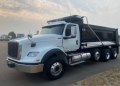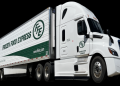
Container Transport Truck Factory Skeletal Haulers
In the demanding world of logistics and heavy haulage, the backbone of any operation is its equipment. When it comes to transporting shipping containers, whether empty or laden, the choice of truck is not merely a purchase; it’s a strategic investment in reliability, efficiency, and safety. This brings us to the specialized realm of the container transport truck factory. These manufacturers are the architects of the modern skeletal hauler, engineering vehicles designed from the ground up for the singular, punishing task of moving intermodal containers. For fleet managers and owner-operators, understanding the nuances of what these factories produce—the engineering, the configurations, the compliance standards—is critical. This deep dive goes beyond glossy brochures to examine what truly makes a world-class skeletal trailer and chassis, helping you make an informed decision that will impact your bottom line for years to come.

What Defines a True Skeletal Hauler?
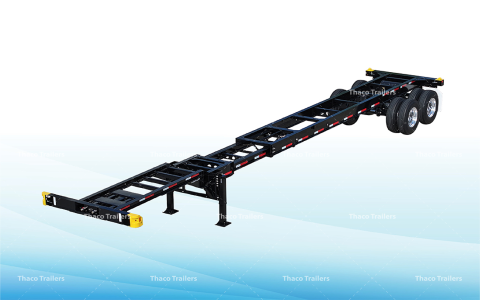
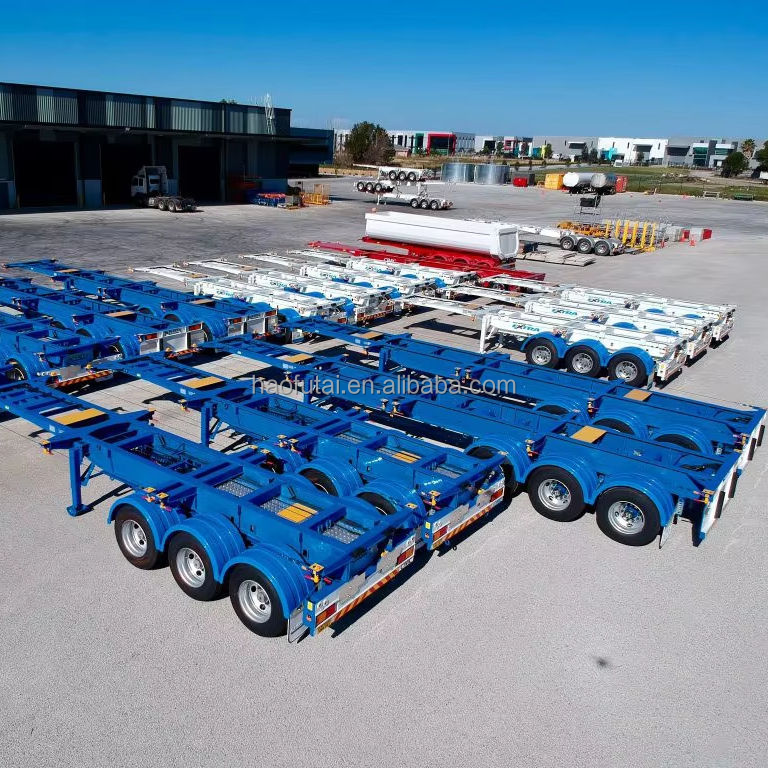
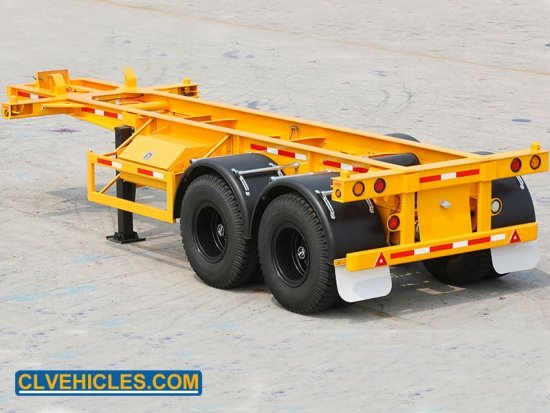
Not every flatbed or trailer is cut out for container transport. A genuine skeletal hauler, often called a skeleton trailer or container chassis, is a purpose-built machine. Its defining characteristic is a series of fixed or adjustable twist locks that securely engage with the corner castings of ISO-standard shipping containers. Unlike general-purpose trailers, its design prioritizes a low tare weight to maximize payload capacity, exceptional durability to withstand constant loading/unloading cycles, and precise geometry to ensure safe, stable transit at highway speeds.
The best container hauling trucks from reputable factories consider every stress point. They use high-tensile steel in the main beams and gooseneck to resist bending and torsional forces. The suspension, often a robust multi-axle air-ride system, is tuned not for comfort but for load stability and even weight distribution across all axles. When evaluating options, look for these hallmarks of quality construction that separate a dedicated hauler from an adapted flatbed.
Key Engineering Considerations from Top Factories
When a container truck manufacturer designs a new model, several non-negotiable engineering pillars guide the process. These factors directly influence the vehicle’s performance, longevity, and total cost of ownership.
Frame and Chassis Construction
The frame is the spine of the hauler. Leading factories employ robotically welded, reinforced I-beam or C-channel construction. The focus is on achieving an optimal balance between strength and weight. A heavier frame eats into payload, but a flimsy one will fatigue and crack. Advanced manufacturers like Chinese Truck Factory utilize computer-aided design (CAD) and finite element analysis (FEA) to simulate stress loads, ensuring the frame can handle the dynamic forces of cornering, braking, and uneven road surfaces without failure.
Suspension and Axle Configuration
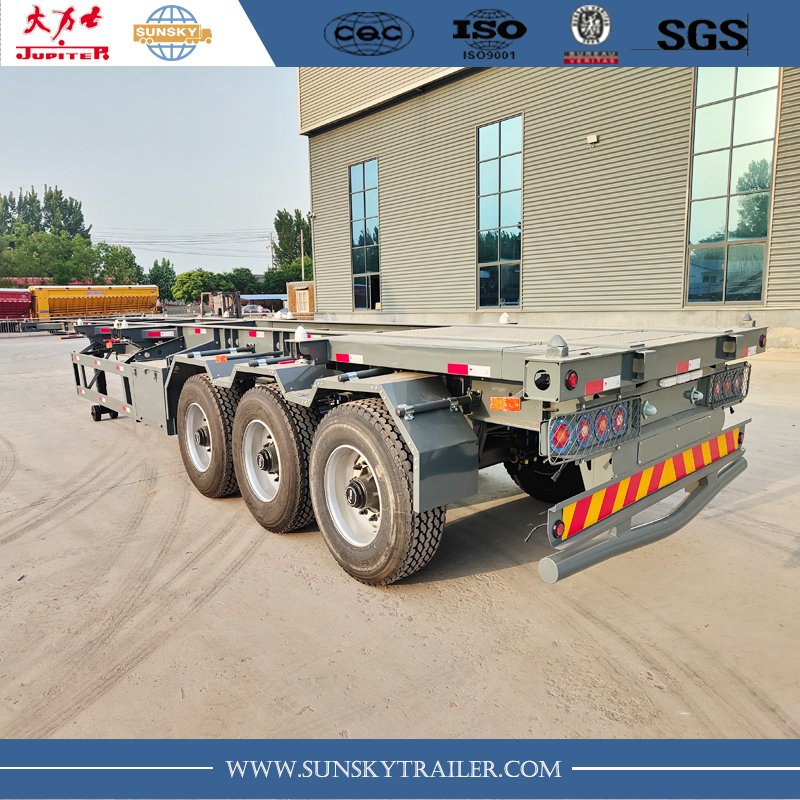
The choice between spring, air, or rubber suspension systems is crucial. For container transport, air ride is increasingly the standard. It allows for height adjustment to match terminal equipment, provides a degree of load cushioning, and helps protect the container’s contents. Axle configuration (typically 3 to 5 axles) and spacing are calculated to comply with regional bridge formula weight laws, maximizing legal payload. A spread axle setup, for instance, can allow for greater weight distribution.
Twist Lock Mechanisms and Safety Systems
This is the heart of the connection. High-quality, heat-treated twist locks are mandatory. The best systems feature a combination of automatic and manual locks, with clear visual indicators (often red/green flags) to confirm secure engagement before departure. Complementary safety systems include robust rear impact guards (RIGs), anti-lock braking systems (ABS), and reflective markings that exceed minimum regulatory requirements. As noted by John Miller, a certified TESOL instructor and veteran logistics safety trainer, “The integrity of the twist lock system is the single most critical safety checkpoint in container haulage. Driver training and reliable hardware are inseparable.”
Comparing Popular Skeletal Hauler Configurations
Choosing the right configuration depends on your typical container sizes (20ft, 40ft, 45ft), weight requirements, and operational territory. The table below breaks down common options.
| Configuration | Best For | Key Advantage | Consideration |
|---|---|---|---|
| Fixed Gooseneck | Dedicated, repetitive runs with standard container sizes. | Lightest weight, simplest design, lowest maintenance. | Lack of flexibility for varying container lengths. |
| Sliding Gooseneck | Operations handling a mix of 20ft and 40ft/45ft containers. | Versatility to adjust the kingpin setting for optimal weight distribution. | Slightly heavier and more complex than fixed models. |
| Extendable Chassis | Hauling longer or non-standard units, or for precise weight distribution needs. | Maximum flexibility in length adjustment. | Highest tare weight and potentially higher initial cost. |
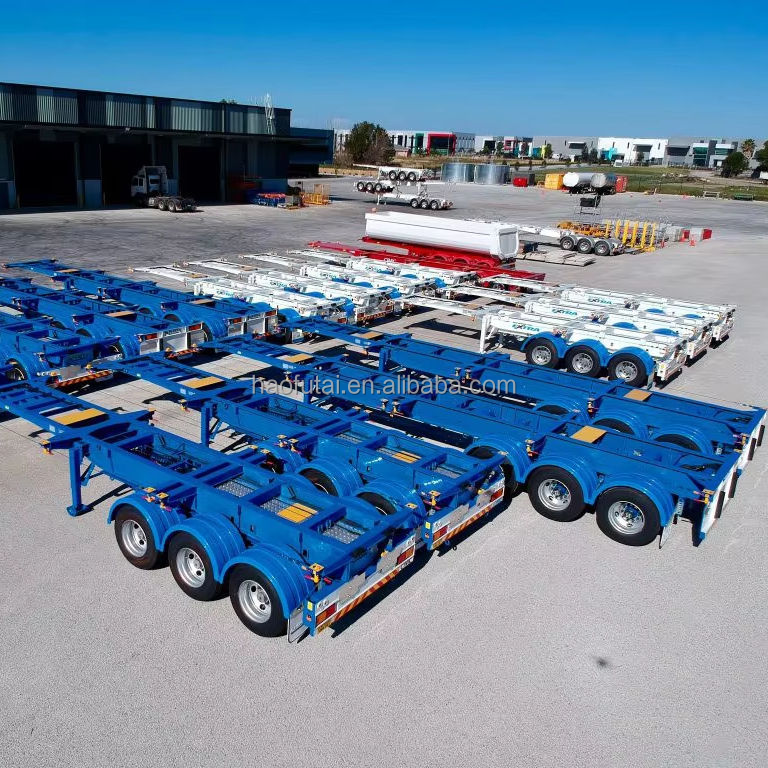
| Multi-Axle (e.g., 4 or 5 Axles) | High-weight cargo or regions with strict per-axle weight limits. | Maximizes legal payload capacity by spreading weight. | Increased tire cost, slightly reduced maneuverability. |
The Manufacturing Process: What Sets a Premier Factory Apart
A tour of a top-tier container transport truck factory reveals a commitment to process and quality control that explains the final product’s superiority. It starts with raw material inspection—verifying the grade and thickness of incoming steel. From there, automated cutting and drilling ensure precision that manual processes cannot match.
The welding phase is where expertise shines. Critical welds on the main beams and gooseneck are performed by certified welders, often using submerged arc welding for deep, consistent penetration. Post-weld, frames are typically shot-blasted to remove scale and rust, then coated with a multi-stage primer and paint system designed to resist corrosion from road salt and marine environments—a vital feature for port work.
Final assembly is a blend of skilled fitting and rigorous testing. Every twist lock is cycled and load-tested, every air line is pressure-checked, and every electrical circuit is validated. According to a 2022 industry report from the American Trucking Associations, investments in such factory automation and quality assurance protocols correlate directly with a 40% reduction in first-year warranty claims for heavy-duty trailers.
Why Global Sourcing is a Smart Strategy
In today’s market, limiting your search to domestic factories alone can mean overlooking exceptional value and innovation. Globally recognized manufacturing hubs have developed deep specialization in heavy transport equipment. Factories like Chinese Truck Factory have invested heavily in Western-standard engineering, ISO 9001 quality management systems, and compliance with international regulations such as CMVSS and ADR.
The advantages are compelling:
- Cost Efficiency: Competitive pricing without necessarily sacrificing quality, allowing for faster ROI.
- Customization: Many international factories offer highly flexible build-to-order programs, tailoring axle placement, landing gear capacity, and lighting packages to your exact specs.
- Modern Engineering: Access to designs that incorporate the latest global trends in lightweight materials and aerodynamics.
As the U.S. Department of Transportation’s Federal Highway Administration data shows, imports of specialized commercial trailers have grown steadily, underscoring the industry’s shift towards sourcing the best equipment globally.
Making the Final Decision: A Buyer’s Checklist
Before signing a purchase order with any container truck manufacturer, run through this essential checklist:
- Compliance Proof: Does the factory provide certified documentation showing compliance with all relevant safety standards (DOT, FMVSS, etc.) for your region?
- Warranty & Support: What is the comprehensive warranty coverage on the frame, paint, and components? Is there a clear, responsive after-sales support network for parts?
- Weight Ticket: Always request a certified tare weight ticket for the exact model you’re ordering. Every pound saved is a pound of additional payload revenue.
- Reference Checks: Ask the factory for contacts of current customers in a similar operation. A reputable manufacturer will gladly provide them.
- Total Cost Analysis: Look beyond the sticker price. Calculate the cost per mile over the expected lifespan, factoring in durability, fuel efficiency (from lighter weight), and maintenance costs.
Frequently Asked Questions (FAQ)
Q: How often should the twist locks and structural frame be inspected on a skeletal hauler?
A: Perform a visual inspection of all twist locks and their mounting points before every trip. A formal, detailed structural inspection by a qualified mechanic should be conducted at least annually, or as mandated by your local transportation authority, with particular attention to weld points and areas prone to stress cracking.
Q: Can a standard semi-tractor handle a fully loaded 40ft container chassis?
A: Generally, yes, but specifications are critical. You must ensure your tractor’s fifth wheel rating, frame strength, and engine horsepower are sufficient for the combined gross vehicle weight (GVW). A tractor with a 25,000+ lb fifth wheel rating and adequate horsepower (450+ HP is common for heavy haul) is typically recommended for frequent container hauling.
Q: What is the typical lifespan of a well-maintained skeletal trailer from a quality factory?
A: With a rigorous maintenance regimen and proper operation, a high-quality skeletal hauler from a reputable container transport truck factory can have a service life of 10 to 15 years or more. The longevity is primarily determined by the corrosion resistance of the paint system and the avoidance of structural overloading.
Q: Are there specific tires recommended for container chassis use?
A: Due to the high static loads and scrubbing during tight terminal turns, tires with a high load index (e.g., Load Range G or H) and reinforced sidewalls are essential. Many operators prefer all-steel radial truck tires known for their durability in industrial settings.
Article Sources & Further Reading:
1. American Trucking Associations. (2022). Annual Industry Report: Trends in Heavy Equipment Manufacturing. https://www.trucking.org/
2. U.S. Department of Transportation – Federal Highway Administration. (2023). Freight Management and Operations: Vehicle Size and Weight Data. https://www.fhwa.dot.gov/
3. Miller, J. (2021). Intermodal Safety Protocols for Drivers and Fleet Managers. Logistics Safety Press.