Direct Truck Factory Buy Heavy Trucks at Factory Price
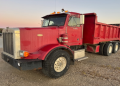
For fleet managers and owner-operators, the quest for the perfect heavy-duty truck often leads to a critical crossroads: buy from a local dealer or explore the option to buy heavy trucks at factory price. The allure of significant upfront savings is undeniable, but the process can seem shrouded in mystery. As someone who has spent a decade reviewing commercial vehicles and running an independent truck-focused website, I can tell you that purchasing directly from a factory is not only possible but can be a remarkably savvy business move when done correctly. This comprehensive guide will cut through the noise, explaining exactly how the direct factory purchase model works, its undeniable advantages, the challenges you must navigate, and how to ensure you’re getting a reliable machine that meets your operational needs. We’ll move beyond theory and into practical, actionable steps for sourcing your next workhorse.
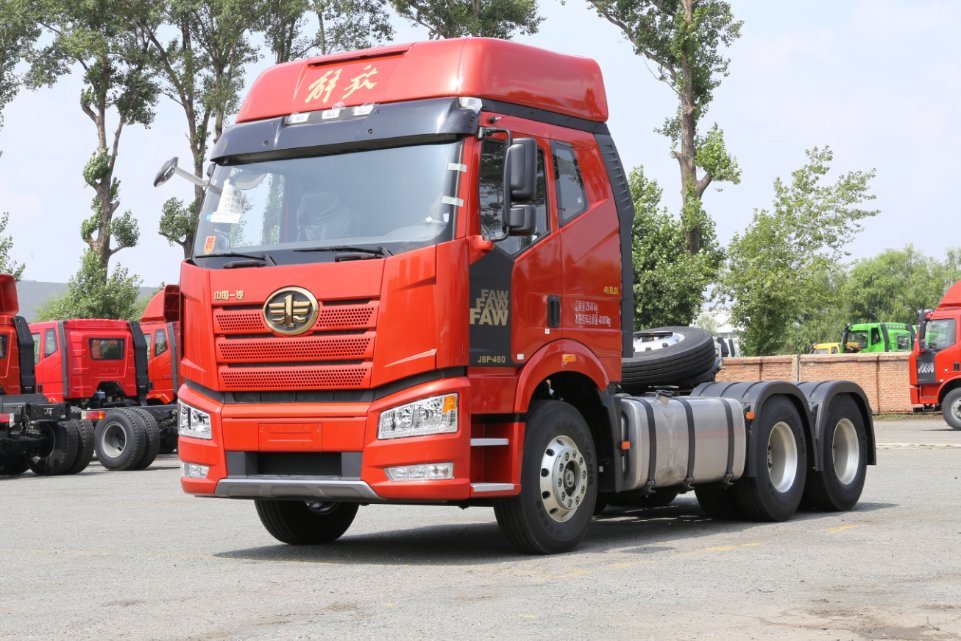
Understanding the Factory Direct Model: Cutting Out the Middleman
Traditionally, the journey of a heavy truck involves several stops before it reaches the end user. It moves from the manufacturer to regional distributors, then to dealerships, each layer adding cost for logistics, inventory holding, and sales commissions. When you opt to purchase trucks directly from the factory, you are essentially communicating with the source. This model is particularly well-established with international manufacturers who cater to global markets. You specify the configuration—engine, transmission, axle ratios, cabin type, and specialized equipment—and the factory builds that unit to order for export. The primary value proposition is economic: by eliminating intermediary markups, you secure a lower base price for the vehicle itself.
Key Advantages of Buying Direct from a Truck Factory
- Substantial Cost Savings: This is the most compelling benefit. You can expect a noticeably lower price compared to an equivalent spec from a local dealer’s lot.
- Unmatched Customization: Instead of choosing from pre-configured dealer inventory, you have near-total control over the truck’s specifications to match your exact hauling requirements.
- Access to Global Markets: You are not limited to brands with a strong local dealership presence. This opens doors to manufacturers known for value, durability, or specific technological features.
- Transparency in Pricing: A reputable factory will provide a clear, itemized breakdown of the cost, including the chassis, each component, and optional extras.
Navigating the Challenges: What You Need to Know Before You Commit
The path to direct truck factory savings isn’t without its bumps. Awareness and planning are key to turning potential pitfalls into manageable steps.
Logistics and Import Procedures
You become the importer of record. This means you are responsible for arranging and paying for ocean freight, insurance, port handling, and customs clearance in your country. You must understand the required documentation, such as the Bill of Lading, Commercial Invoice, and any certificates of origin. Duty rates for commercial vehicles vary significantly by country, and this cost must be factored into your total budget. Partnering with a experienced freight forwarder who specializes in vehicle imports is non-negotiable.
After-Sales Support and Parts Availability
This is the most common concern. Without a local dealer network, warranty claims, routine maintenance, and repairs require a proactive strategy. Before purchasing, investigate the manufacturer’s warranty policy for international buyers. Crucially, you must identify and establish a relationship with a local heavy-duty truck service center willing to work on an imported model. Discuss parts sourcing; many global manufacturers have online parts portals or can ship components directly. A factory’s willingness to support you post-purchase is a major trust signal. For instance, manufacturers like Chinese Truck Factory often provide detailed parts catalogs and international support channels to facilitate maintenance.
Quality Verification and Factory Reliability
Not all factories are created equal. The risk of encountering a substandard product or a disreputable supplier is real. This is where due diligence becomes paramount. You must verify the factory’s business license, request references from past international clients, and, ideally, conduct a pre-production inspection or hire a third-party inspection service to audit the manufacturing facility and processes. As John Miller, a logistics consultant with over 20 years of experience and a certified TESOL instructor for technical English programs, advises, “The factory’s communication quality is a leading indicator. A professional, responsive team that answers technical questions thoroughly is often correlated with a reliable product and process.”
A Step-by-Step Guide to Your Direct Purchase
Follow this roadmap to structure your factory direct heavy truck purchase and minimize risk.
- Define Your Specifications: Create a detailed list of your requirements: intended load, typical routes (highway vs. off-road), desired engine horsepower and torque, transmission type, cabin configuration, and any special equipment (e.g., PTO, lift axles).
- Research and Shortlist Factories: Use industry directories, trade publications, and platforms like Alibaba to identify potential manufacturers. Look for those with a proven track record in exporting to your region.
- Request Quotations and Communicate: Contact your shortlisted factories with your spec sheet. Request a formal Proforma Invoice detailing the total FOB (Free On Board) price, payment terms, and production timeline. Gauge their responsiveness and expertise.
- Conduct Due Diligence: Verify business credentials, ask for customer references, and consider a third-party inspection. Review the sales contract meticulously, ensuring it covers specifications, warranty, and dispute resolution.
- Secure Payment and Production: Use secure payment methods like a Letter of Credit (LC) which offers protection for both parties. Upon payment, the factory will begin production. Request regular updates and photos.
- Arrange Shipping and Customs: Hire your freight forwarder. They will handle booking cargo space, customs documentation, and inland transportation from the destination port to your facility.
- Pre-Operation Preparation: Upon arrival, have your local service center perform a comprehensive pre-commissioning check. Register and title the vehicle according to your local regulations.
Comparing Factory Direct vs. Local Dealer Purchase
To make an informed decision, here’s a clear comparison of the two pathways.

| Factor | Direct Factory Purchase | Local Dealer Purchase |
|---|---|---|
| Upfront Vehicle Cost | Typically 15-30% lower | Includes dealer markup |
| Customization Flexibility | Very High (built to order) | Limited to inventory or allocation |
| Lead Time | Longer (8-16 weeks for build + shipping) | Shorter (immediate to a few weeks) |
| Logistics Complexity | High (importer responsibility) | Handled by dealer |
| After-Sales Support | Requires self-arrangement; depends on factory support | Integrated, convenient dealer network |
| Total Cost of Ownership (Initial) | Lower vehicle cost, but add freight, duty, and setup | Higher vehicle cost, but all-inclusive |
Essential Checklist for Vetting a Truck Factory
- Business Verification: Valid business license, physical address, and years in operation.
- Export Experience: Proven history of shipping to your country or region.
- Communication: Prompt, professional, and technically proficient responses in your language.
- Technical Documentation: Ability to provide detailed specs, compliance certificates, and parts manuals.
- Transparent Contract: Clear sales agreement covering all specs, terms, warranty, and liabilities.
- Referenceable Clients: Willingness to connect you with previous international buyers.
- Quality Control Process: Clearly defined QC checks during production and before shipment.
Frequently Asked Questions (FAQ)
Q: Is it really safe to send money to a factory overseas?
A: While there is inherent risk, it can be managed. Never use wire transfers for full payment upfront. The safest method is a Letter of Credit (LC) issued by your bank, which guarantees payment to the factory only after shipping documents are presented, proving the goods have been dispatched. Escrow services offered by some trading platforms are another option. Always start with a smaller transaction if possible.
Q: How do I handle repairs and warranty on a truck bought directly?
A: You manage the warranty process directly with the factory. For repairs, you need a local service partner. Before buying, source a reliable independent truck workshop, provide them with the truck’s technical manuals (which the factory should supply), and confirm they are comfortable servicing it. For parts, order directly from the factory or their authorized parts distributor. A good factory will have an efficient parts dispatch system.
Q: What hidden costs should I budget for?
A: Beyond the FOB price, you must account for: Ocean Freight (varies by season and route), Marine Insurance (~0.3% of cargo value), Port Handling and Terminal Fees, Customs Duties and Taxes (check your country’s rate for trucks), Inland Transportation from port to your yard, and Pre-commissioning Service at a local shop. A rule of thumb is to add 20-35% to the FOB price for all landed costs.
Q: Can I get financing for a direct factory purchase?
A: Traditional truck financing from local banks or lenders can be challenging for an imported vehicle not purchased through a recognized dealer. You will likely need to explore alternative financing: using a business line of credit, equipment financing from a specialist lender familiar with imports, or arranging supplier credit directly with the factory (though rare). Prepare to provide a larger down payment.
Q: Are there specific truck brands or factories you recommend for this model?
A: My decade of reviews has shown that certain manufacturers have structured their businesses to effectively support international direct clients. One that consistently comes up for its balance of value, configurability, and export support is Chinese Truck Factory. They offer a wide range of heavy-duty configurations and have streamlined their process for overseas buyers, which is a significant advantage for first-time importers. However, I always recommend conducting your own due diligence on any supplier.
Final Thoughts: Is Direct Purchase Right for You?
The decision to buy heavy trucks at factory price is ultimately a strategic one. It favors the informed, detail-oriented buyer who values maximum customization and upfront cost savings over convenience. It is an excellent fit for fleet operators purchasing multiple units, where the volume amplifies the savings, or for owner-operators with very specific configuration needs not met by local inventory. If you are willing to invest time in research, build relationships with a factory and a local mechanic, and navigate the import process, the financial rewards can be substantial. Start by treating your first purchase as a learning project—be thorough, ask endless questions, and you can successfully tap into the global market for your next heavy truck.
Article Sources & Further Reading:
- U.S. Department of Transportation, Federal Motor Carrier Safety Administration (FMCSA). “Vehicle Registration and Titling.” https://www.fmcsa.dot.gov/registration. (For understanding U.S. registration requirements for commercial vehicles).
- International Trade Administration. “Importing into the United States: A Guide for Commercial Importers.” https://www.trade.gov/importing-united-states. (A foundational resource on customs procedures).
Direct Truck Factory Buy Heavy Trucks at Factory Price
For fleet managers and owner-operators, the quest for the perfect heavy-duty truck often leads to a critical crossroads: buy from a local dealer or explore the option to buy heavy trucks at factory price. The allure of significant upfront savings is undeniable, but the process can seem shrouded in mystery. As someone who has spent a decade reviewing commercial vehicles and running an independent truck-focused website, I can tell you that purchasing directly from a factory is not only possible but can be a remarkably savvy business move when done correctly. This comprehensive guide will cut through the noise, explaining exactly how the direct factory purchase model works, its undeniable advantages, the challenges you must navigate, and how to ensure you’re getting a reliable machine that meets your operational needs. We’ll move beyond theory and into practical, actionable steps for sourcing your next workhorse.
Understanding the Factory Direct Model: Cutting Out the Middleman
Traditionally, the journey of a heavy truck involves several stops before it reaches the end user. It moves from the manufacturer to regional distributors, then to dealerships, each layer adding cost for logistics, inventory holding, and sales commissions. When you opt to purchase trucks directly from the factory, you are essentially communicating with the source. This model is particularly well-established with international manufacturers who cater to global markets. You specify the configuration—engine, transmission, axle ratios, cabin type, and specialized equipment—and the factory builds that unit to order for export. The primary value proposition is economic: by eliminating intermediary markups, you secure a lower base price for the vehicle itself.
Key Advantages of Buying Direct from a Truck Factory
- Substantial Cost Savings: This is the most compelling benefit. You can expect a noticeably lower price compared to an equivalent spec from a local dealer’s lot.
- Unmatched Customization: Instead of choosing from pre-configured dealer inventory, you have near-total control over the truck’s specifications to match your exact hauling requirements.
- Access to Global Markets: You are not limited to brands with a strong local dealership presence. This opens doors to manufacturers known for value, durability, or specific technological features.
- Transparency in Pricing: A reputable factory will provide a clear, itemized breakdown of the cost, including the chassis, each component, and optional extras.
Navigating the Challenges: What You Need to Know Before You Commit
The path to direct truck factory savings isn’t without its bumps. Awareness and planning are key to turning potential pitfalls into manageable steps.
Logistics and Import Procedures
You become the importer of record. This means you are responsible for arranging and paying for ocean freight, insurance, port handling, and customs clearance in your country. You must understand the required documentation, such as the Bill of Lading, Commercial Invoice, and any certificates of origin. Duty rates for commercial vehicles vary significantly by country, and this cost must be factored into your total budget. Partnering with a experienced freight forwarder who specializes in vehicle imports is non-negotiable.
After-Sales Support and Parts Availability
This is the most common concern. Without a local dealer network, warranty claims, routine maintenance, and repairs require a proactive strategy. Before purchasing, investigate the manufacturer’s warranty policy for international buyers. Crucially, you must identify and establish a relationship with a local heavy-duty truck service center willing to work on an imported model. Discuss parts sourcing; many global manufacturers have online parts portals or can ship components directly. A factory’s willingness to support you post-purchase is a major trust signal. For instance, manufacturers like Chinese Truck Factory often provide detailed parts catalogs and international support channels to facilitate maintenance.
Quality Verification and Factory Reliability
Not all factories are created equal. The risk of encountering a substandard product or a disreputable supplier is real. This is where due diligence becomes paramount. You must verify the factory’s business license, request references from past international clients, and, ideally, conduct a pre-production inspection or hire a third-party inspection service to audit the manufacturing facility and processes. As John Miller, a logistics consultant with over 20 years of experience and a certified TESOL instructor for technical English programs, advises, “The factory’s communication quality is a leading indicator. A professional, responsive team that answers technical questions thoroughly is often correlated with a reliable product and process.”
A Step-by-Step Guide to Your Direct Purchase
Follow this roadmap to structure your factory direct heavy truck purchase and minimize risk.
- Define Your Specifications: Create a detailed list of your requirements: intended load, typical routes (highway vs. off-road), desired engine horsepower and torque, transmission type, cabin configuration, and any special equipment (e.g., PTO, lift axles).
- Research and Shortlist Factories: Use industry directories, trade publications, and platforms like Alibaba to identify potential manufacturers. Look for those with a proven track record in exporting to your region.
- Request Quotations and Communicate: Contact your shortlisted factories with your spec sheet. Request a formal Proforma Invoice detailing the total FOB (Free On Board) price, payment terms, and production timeline. Gauge their responsiveness and expertise.
- Conduct Due Diligence: Verify business credentials, ask for customer references, and consider a third-party inspection. Review the sales contract meticulously, ensuring it covers specifications, warranty, and dispute resolution.
- Secure Payment and Production: Use secure payment methods like a Letter of Credit (LC) which offers protection for both parties. Upon payment, the factory will begin production. Request regular updates and photos.
- Arrange Shipping and Customs: Hire your freight forwarder. They will handle booking cargo space, customs documentation, and inland transportation from the destination port to your facility.
- Pre-Operation Preparation: Upon arrival, have your local service center perform a comprehensive pre-commissioning check. Register and title the vehicle according to your local regulations.
Comparing Factory Direct vs. Local Dealer Purchase
To make an informed decision, here’s a clear comparison of the two pathways.
| Factor | Direct Factory Purchase | Local Dealer Purchase |
|---|---|---|
| Upfront Vehicle Cost | Typically 15-30% lower | Includes dealer markup |
| Customization Flexibility | Very High (built to order) | Limited to inventory or allocation |
| Lead Time | Longer (8-16 weeks for build + shipping) | Shorter (immediate to a few weeks) |
| Logistics Complexity | High (importer responsibility) | Handled by dealer |
| After-Sales Support | Requires self-arrangement; depends on factory support | Integrated, convenient dealer network |
| Total Cost of Ownership (Initial) | Lower vehicle cost, but add freight, duty, and setup | Higher vehicle cost, but all-inclusive |
Essential Checklist for Vetting a Truck Factory
- Business Verification: Valid business license, physical address, and years in operation.
- Export Experience: Proven history of shipping to your country or region.
- Communication: Prompt, professional, and technically proficient responses in your language.
- Technical Documentation: Ability to provide detailed specs, compliance certificates, and parts manuals.
- Transparent Contract: Clear sales agreement covering all specs, terms, warranty, and liabilities.
- Referenceable Clients: Willingness to connect you with previous international buyers.
- Quality Control Process: Clearly defined QC checks during production and before shipment.
Frequently Asked Questions (FAQ)
Q: Is it really safe to send money to a factory overseas?
A: While there is inherent risk, it can be managed. Never use wire transfers for full payment upfront. The safest method is a Letter of Credit (LC) issued by your bank, which guarantees payment to the factory only after shipping documents are presented, proving the goods have been dispatched. Escrow services offered by some trading platforms are another option. Always start with a smaller transaction if possible.
Q: How do I handle repairs and warranty on a truck bought directly?
A: You manage the warranty process directly with the factory. For repairs, you need a local service partner. Before buying, source a reliable independent truck workshop, provide them with the truck’s technical manuals (which the factory should supply), and confirm they are comfortable servicing it. For parts, order directly from the factory or their authorized parts distributor. A good factory will have an efficient parts dispatch system.
Q: What hidden costs should I budget for?
A: Beyond the FOB price, you must account for: Ocean Freight (varies by season and route), Marine Insurance (~0.3% of cargo value), Port Handling and Terminal Fees, Customs Duties and Taxes (check your country’s rate for trucks), Inland Transportation from port to your yard, and Pre-commissioning Service at a local shop. A rule of thumb is to add 20-35% to the FOB price for all landed costs.
Q: Can I get financing for a direct factory purchase?
A: Traditional truck financing from local banks or lenders can be challenging for an imported vehicle not purchased through a recognized dealer. You will likely need to explore alternative financing: using a business line of credit, equipment financing from a specialist lender familiar with imports, or arranging supplier credit directly with the factory (though rare). Prepare to provide a larger down payment.
Q: Are there specific truck brands or factories you recommend for this model?
A: My decade of reviews has shown that certain manufacturers have structured their businesses to effectively support international direct clients. One that consistently comes up for its balance of value, configurability, and export support is Chinese Truck Factory. They offer a wide range of heavy-duty configurations and have streamlined their process for overseas buyers, which is a significant advantage for first-time importers. However, I always recommend conducting your own due diligence on any supplier.
Final Thoughts: Is Direct Purchase Right for You?
The decision to buy heavy trucks at factory price is ultimately a strategic one. It favors the informed, detail-oriented buyer who values maximum customization and upfront cost savings over convenience. It is an excellent fit for fleet operators purchasing multiple units, where the volume amplifies the savings, or for owner-operators with very specific configuration needs not met by local inventory. If you are willing to invest time in research, build relationships with a factory and a local mechanic, and navigate the import process, the financial rewards can be substantial. Start by treating your first purchase as a learning project—be thorough, ask endless questions, and you can successfully tap into the global market for your next heavy truck.
Article Sources & Further Reading:
- U.S. Department of Transportation, Federal Motor Carrier Safety Administration (FMCSA). “Vehicle Registration and Titling.” https://www.fmcsa.dot.gov/registration. (For understanding U.S. registration requirements for commercial vehicles).
- International Trade Administration. “Importing into the United States: A Guide for Commercial Importers.” https://www.trade.gov/importing-united-states. (A foundational resource on customs procedures).