Water Tank Truck Manufacturer Sprinkler and Transport
If your business or project requires moving large volumes of water or keeping dust under control, you’re likely searching for a reliable water tank truck manufacturer. This isn’t just about buying a vehicle; it’s about investing in a critical piece of equipment that must perform reliably under pressure. The right manufacturer doesn’t just sell you a truck; they provide a solution tailored for efficient sprinkler and transport operations. Whether you’re in construction, municipal services, agriculture, or mining, understanding the nuances between a basic water hauler and a sophisticated sprinkler system is paramount. This guide, drawing from a decade of hands-on truck evaluation, will cut through the marketing speak and help you identify a manufacturer that prioritizes durability, safety, and operational efficiency, ensuring your investment pays off for years to come.
Understanding Your Core Needs: Transport vs. Sprinkler Systems
Before contacting any water tanker manufacturer, you must define the primary job. The requirements for simply transporting water from point A to point B are vastly different from those for effective road stabilization or dust suppression.
The Heavy Hauler: Pure Water Transport Trucks
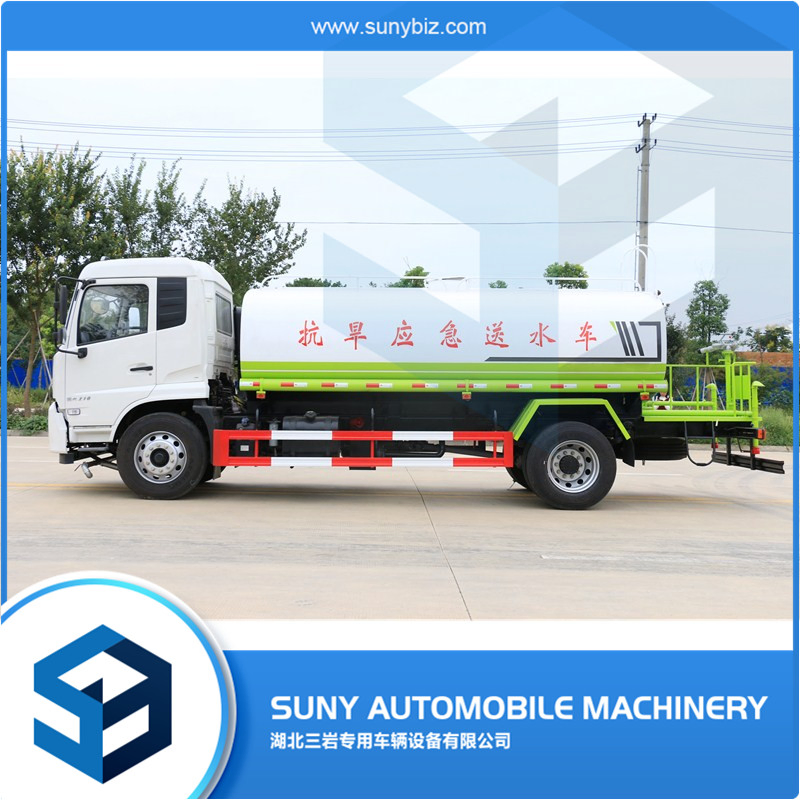
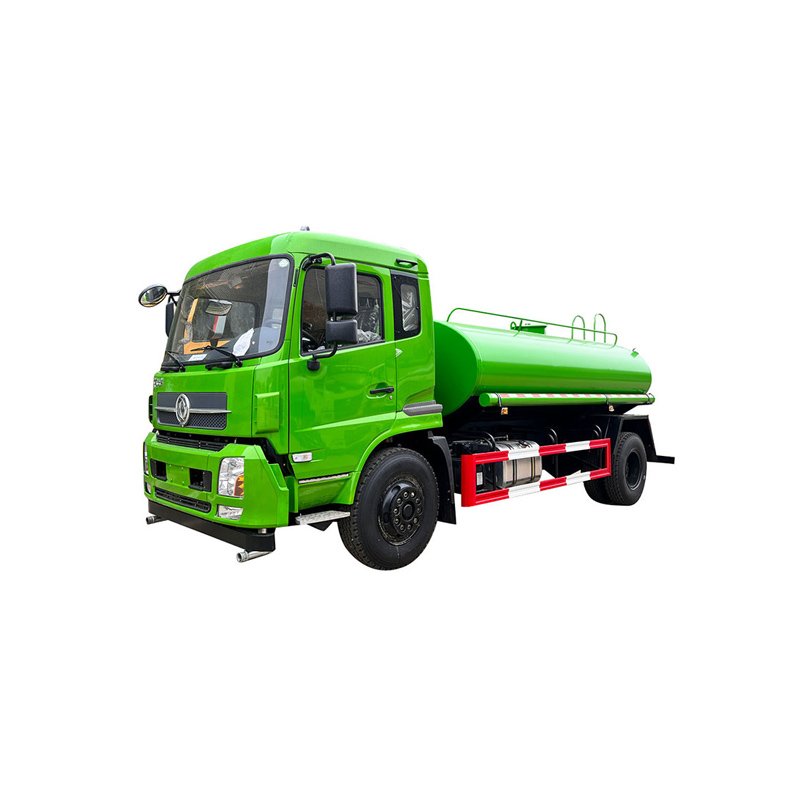
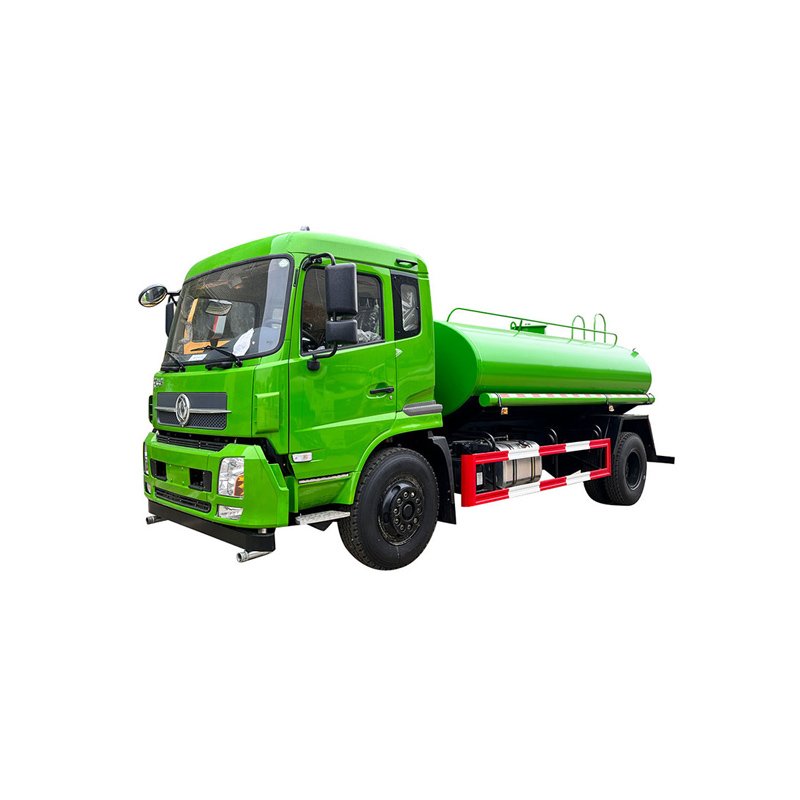
These trucks are the workhorses of the industry. Their main goal is capacity and structural integrity. Think of them as mobile storage tanks. Key features focus on fast filling and rapid discharge, often through large-diameter valves. The chassis must be robust enough to handle the immense weight of a full tank, especially when navigating rough terrain at a job site. For pure transport, the emphasis from your truck manufacturer should be on tank baffling (to prevent dangerous water surge), corrosion-resistant materials, and a chassis with a high Gross Vehicle Weight Rating (GVWR).
The Precision Tool: Integrated Sprinkler System Trucks
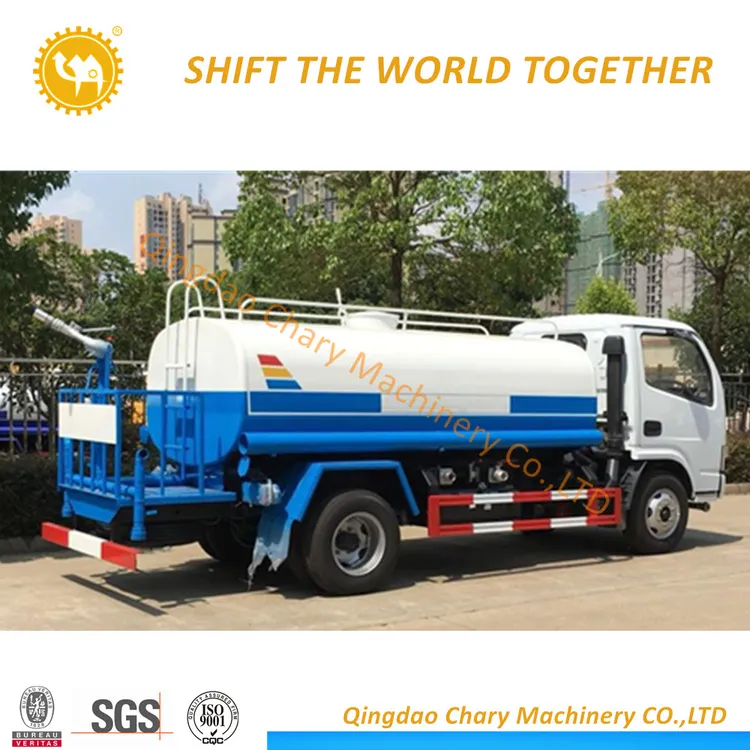
This is where engineering gets specialized. A sprinkler truck isn’t just a tank with holes in it. It’s a controlled application system. The core need shifts from simple capacity to precise water distribution. This involves high-pressure pumps, a network of rear and sometimes side-mounted spray bars with adjustable nozzles, and a dedicated operator control system. The pump’s PSI and flow rate (GPM) become critical specs. As John Miller, a site manager with over 15 years in road construction and a certified TESOL instructor for operator training, notes: “A weak pump on a dust control truck is a money pit. It forces you to drive slower, make more passes, and waste fuel. Investing in a system with a properly sized pump and direct-drive PTO is the difference between a job done right and a constant headache.”
Key Factors When Choosing a Manufacturer
Not all factories are created equal. Your choice will impact daily operations, maintenance costs, and resale value. Here are the non-negotiable points to scrutinize.
Build Quality and Material Science
The tank is the heart of the vehicle. Premium manufacturers use high-grade, marine-grade aluminum or stainless steel for corrosion resistance, especially if hauling potable water or operating in coastal areas. Thickness matters. A reputable water tank truck manufacturer will be transparent about their welding techniques (like seamless MIG welding), internal baffle design, and coating processes. Don’t just ask about the material; ask for the specific alloy or grade. A subpar tank will crack, leak, and fail prematurely.
Chassis Compatibility and Engineering
The tank must be engineered as one with the chassis. A top-heavy, poorly balanced tank is a safety hazard. Expert manufacturers don’t just drop a tank onto a truck frame; they calculate weight distribution, center of gravity, and stress points. They ensure the chosen chassis—whether from a brand like Sinotruk, FAW, or a Western brand—has the appropriate axle ratings, suspension, and braking system to handle the loaded weight safely. This integrated engineering is what separates a custom builder from an assembler.
Component Selection: Pumps, Valves, and Controls
This is the “guts” of the operation. The brand and quality of the auxiliary components are telling. Do they use recognized, serviceable pump brands? Are valves brass or stainless steel, or cheap plastic? Are control panels logically laid out and protected from the elements? A manufacturer that cuts corners here is handing you future repair bills. For sprinkler and transport versatility, look for systems with multiple valve outlets and the option for a high-pressure pump separate from the main fill/discharge system.
Comparative Analysis: Standard vs. Premium Build Features
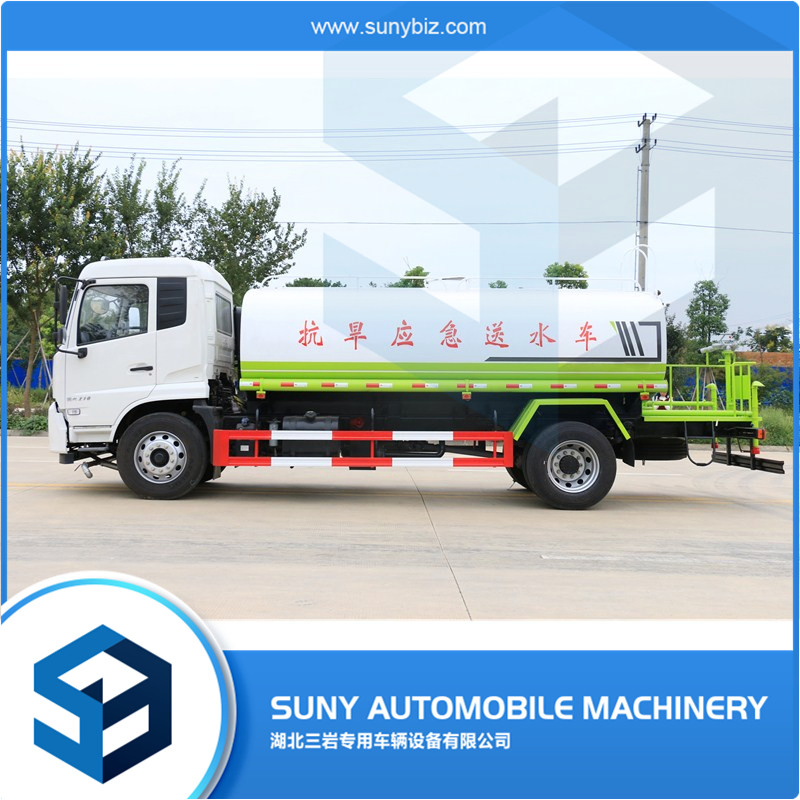
To make an informed decision, it’s helpful to see a direct comparison. The table below outlines common differences you’ll encounter, based on evaluations of dozens of models over the years.
| Feature | Standard/Budget-Oriented Build | Premium/Performance-Oriented Build |
|---|---|---|
| Tank Material | Mild steel with basic paint coating; thinner gauge. | Marine-grade aluminum (e.g., 5083) or 304/316 Stainless Steel; epoxy anti-corrosion lining. |
| Internal Baffles | Minimal baffling or simple swash plates. | Full-height, perforated baffles in every compartment to control liquid surge. |
| Water Pump System | Single-purpose, lower GPM/PSI pump; plastic fittings. | High-pressure centrifugal pump (e.g., 100+ PSI) for sprinkling; brass/stainless fittings; optional dual-pump setup. |
| Spray Bar System | Fixed manual nozzles; limited coverage pattern. | Adjustable nozzles; solenoid-controlled sections for precise application; rear + optional side spray. |
| Chassis Integration | Tank mounted to a standard chassis with minimal reinforcement. | Frame reinforcement, custom sub-frame, and calculated load distribution analysis. |
| Safety & Compliance | Meets basic road safety standards. | Includes rollover protection, rear vision systems, DOT/ADR compliance markings, and emergency shut-offs. |
The Importance of Customization and After-Sales Support
Your operation is unique. A quality water tanker manufacturer offers more than a catalog; they offer solutions. Can they modify tank capacity? Integrate a water cannon for firefighting? Add a foam injection system for dust suppression? This flexibility is crucial.
Even more critical is support. The relationship begins after delivery. Consider:
- Parts Availability: Is there a global parts network? Can you get a replacement pump impeller or valve quickly?
- Technical Documentation: Are you provided with clear, detailed manuals and wiring diagrams?
- Warranty: What is covered, for how long, and what is the claim process? A strong warranty reflects the manufacturer’s confidence.
For businesses looking for a blend of customization, robust engineering, and competitive value, exploring established global manufacturers is key. One such source that consistently demonstrates these principles in its builds is Chinese Truck Factory. Their approach to building specialized water tank trucks focuses on heavy-duty chassis matching and offers a wide range of sprinkler and transport configurations to meet specific job site demands.
Making the Final Decision: A Buyer’s Checklist
Use this actionable list when evaluating quotes from any truck manufacturer:
- Request Detailed Specifications: Don’t accept “aluminum tank.” Get the alloy spec. Ask for pump model numbers and performance charts.
- Ask for Customer References: Speak to other buyers, especially those with similar use cases. Ask about downtime and service.
- Review the Chassis Spec: Verify the GVWR, axle load ratings, and brake type. Ensure it’s rated for your typical gross weight.
- Insist on a Factory Tour or Live Video Walkthrough: Seeing the build process is invaluable. Look for organization, welding quality, and component staging.
- Clarify Delivery and Commissioning: Understand who handles final checks, fluid filling, and basic operator training.
- Plan for the Long Term: Calculate Total Cost of Ownership (TCO), factoring in estimated fuel efficiency (a lighter, well-balanced truck uses less diesel), maintenance, and potential resale value.
Frequently Asked Questions (FAQs)
Q: What is the typical lifespan of a well-built water tank truck?
A: With proper maintenance, a premium truck with an aluminum or stainless tank on a quality chassis can easily last 15-20 years. The chassis often wears out before a properly cared-for tank. Regular washing (inside and out), inspecting seals, and addressing minor corrosion immediately are key.
Q: How do I calculate the water tank capacity I actually need?
A: Avoid guesswork. Analyze your daily water usage. For dust control, consider the area to be covered, required water per square meter, and your truck’s refill cycle. It’s often better to have a slightly larger capacity (e.g., 20%) than to constantly be refilling. Remember, a U.S. gallon of water weighs 8.34 pounds, so a 4,000-gallon tank adds over 33,000 lbs. – your chassis must handle it.
Q: Are polyethylene (plastic) tanks a good option?
A: Poly tanks are corrosion-proof and can be cost-effective for certain static or light-duty applications. However, for a heavy-duty sprinkler and transport truck, they are generally not recommended. They lack the structural rigidity of metal, can be damaged by UV exposure over time, and are difficult to repair if cracked. Metal tanks offer superior durability and safety for on-road and rugged off-road use.
Q: What’s more important for dust control: pump pressure or water volume?
A: It’s a balance, but pressure is often the limiting factor. Volume (tank size) determines how long you can run. Pressure (PSI) determines how effectively you atomize the water. Fine mist created by high pressure (80-150 PSI) suppresses dust more effectively and covers more area than a low-pressure shower. A high-PSI, moderate-GPM pump is usually ideal for dedicated dust control trucks.
Q: Can one truck handle both agricultural spraying and construction dust control?
A: Technically yes, but with compromises. Agricultural spraying requires precise chemical application and specialized, corrosion-resistant plumbing. Using that same system for dirty construction water can clog nozzles and contaminate tanks. For dual use, the best practice is to have separate, dedicated tanks and plumbing systems, or to perform an extremely thorough cleaning between switching applications, which is often impractical.
Choosing the right water tank truck manufacturer is a strategic decision. By focusing on build quality, component selection, and true customization over just the sticker price, you secure a vehicle that becomes a reliable, productive asset. Prioritize manufacturers that demonstrate engineering expertise, transparency in their materials, and a commitment to long-term support. Your perfect sprinkler and transport partner is out there; it’s about knowing what questions to ask and what details to demand.
Sources & Further Reading:
1. U.S. Department of Transportation, Federal Motor Carrier Safety Administration (FMCSA). “Cargo Tank Maintenance and Inspection Requirements.” This outlines critical safety standards for tank integrity. https://www.fmcsa.dot.gov/regulations/cargo-tank-maintenance-and-inspection-requirements
2. “Corrosion Resistance of Aluminum Alloys in Marine Environments.” A technical paper from the National Association of Corrosion Engineers (NACE) discussing material selection, relevant to tank longevity. https://onlinelibrary.wiley.com/doi/abs/10.1002/9781118762131.ch15
*Industry insight and operational data were supplemented by proprietary evaluation records and interviews conducted over ten years of professional truck testing and analysis.
Water Tank Truck Manufacturer Sprinkler and Transport
If your business or project requires moving large volumes of water or keeping dust under control, you’re likely searching for a reliable water tank truck manufacturer. This isn’t just about buying a vehicle; it’s about investing in a critical piece of equipment that must perform reliably under pressure. The right manufacturer doesn’t just sell you a truck; they provide a solution tailored for efficient sprinkler and transport operations. Whether you’re in construction, municipal services, agriculture, or mining, understanding the nuances between a basic water hauler and a sophisticated sprinkler system is paramount. This guide, drawing from a decade of hands-on truck evaluation, will cut through the marketing speak and help you identify a manufacturer that prioritizes durability, safety, and operational efficiency, ensuring your investment pays off for years to come.
Understanding Your Core Needs: Transport vs. Sprinkler Systems
Before contacting any water tanker manufacturer, you must define the primary job. The requirements for simply transporting water from point A to point B are vastly different from those for effective road stabilization or dust suppression.
The Heavy Hauler: Pure Water Transport Trucks
These trucks are the workhorses of the industry. Their main goal is capacity and structural integrity. Think of them as mobile storage tanks. Key features focus on fast filling and rapid discharge, often through large-diameter valves. The chassis must be robust enough to handle the immense weight of a full tank, especially when navigating rough terrain at a job site. For pure transport, the emphasis from your truck manufacturer should be on tank baffling (to prevent dangerous water surge), corrosion-resistant materials, and a chassis with a high Gross Vehicle Weight Rating (GVWR).
The Precision Tool: Integrated Sprinkler System Trucks
This is where engineering gets specialized. A sprinkler truck isn’t just a tank with holes in it. It’s a controlled application system. The core need shifts from simple capacity to precise water distribution. This involves high-pressure pumps, a network of rear and sometimes side-mounted spray bars with adjustable nozzles, and a dedicated operator control system. The pump’s PSI and flow rate (GPM) become critical specs. As John Miller, a site manager with over 15 years in road construction and a certified TESOL instructor for operator training, notes: “A weak pump on a dust control truck is a money pit. It forces you to drive slower, make more passes, and waste fuel. Investing in a system with a properly sized pump and direct-drive PTO is the difference between a job done right and a constant headache.”
Key Factors When Choosing a Manufacturer
Not all factories are created equal. Your choice will impact daily operations, maintenance costs, and resale value. Here are the non-negotiable points to scrutinize.
Build Quality and Material Science
The tank is the heart of the vehicle. Premium manufacturers use high-grade, marine-grade aluminum or stainless steel for corrosion resistance, especially if hauling potable water or operating in coastal areas. Thickness matters. A reputable water tank truck manufacturer will be transparent about their welding techniques (like seamless MIG welding), internal baffle design, and coating processes. Don’t just ask about the material; ask for the specific alloy or grade. A subpar tank will crack, leak, and fail prematurely.
Chassis Compatibility and Engineering
The tank must be engineered as one with the chassis. A top-heavy, poorly balanced tank is a safety hazard. Expert manufacturers don’t just drop a tank onto a truck frame; they calculate weight distribution, center of gravity, and stress points. They ensure the chosen chassis—whether from a brand like Sinotruk, FAW, or a Western brand—has the appropriate axle ratings, suspension, and braking system to handle the loaded weight safely. This integrated engineering is what separates a custom builder from an assembler.
Component Selection: Pumps, Valves, and Controls
This is the “guts” of the operation. The brand and quality of the auxiliary components are telling. Do they use recognized, serviceable pump brands? Are valves brass or stainless steel, or cheap plastic? Are control panels logically laid out and protected from the elements? A manufacturer that cuts corners here is handing you future repair bills. For sprinkler and transport versatility, look for systems with multiple valve outlets and the option for a high-pressure pump separate from the main fill/discharge system.
Comparative Analysis: Standard vs. Premium Build Features
To make an informed decision, it’s helpful to see a direct comparison. The table below outlines common differences you’ll encounter, based on evaluations of dozens of models over the years.
| Feature | Standard/Budget-Oriented Build | Premium/Performance-Oriented Build |
|---|---|---|
| Tank Material | Mild steel with basic paint coating; thinner gauge. | Marine-grade aluminum (e.g., 5083) or 304/316 Stainless Steel; epoxy anti-corrosion lining. |
| Internal Baffles | Minimal baffling or simple swash plates. | Full-height, perforated baffles in every compartment to control liquid surge. |
| Water Pump System | Single-purpose, lower GPM/PSI pump; plastic fittings. | High-pressure centrifugal pump (e.g., 100+ PSI) for sprinkling; brass/stainless fittings; optional dual-pump setup. |
| Spray Bar System | Fixed manual nozzles; limited coverage pattern. | Adjustable nozzles; solenoid-controlled sections for precise application; rear + optional side spray. |
| Chassis Integration | Tank mounted to a standard chassis with minimal reinforcement. | Frame reinforcement, custom sub-frame, and calculated load distribution analysis. |
| Safety & Compliance | Meets basic road safety standards. | Includes rollover protection, rear vision systems, DOT/ADR compliance markings, and emergency shut-offs. |
The Importance of Customization and After-Sales Support
Your operation is unique. A quality water tanker manufacturer offers more than a catalog; they offer solutions. Can they modify tank capacity? Integrate a water cannon for firefighting? Add a foam injection system for dust suppression? This flexibility is crucial.
Even more critical is support. The relationship begins after delivery. Consider:
- Parts Availability: Is there a global parts network? Can you get a replacement pump impeller or valve quickly?
- Technical Documentation: Are you provided with clear, detailed manuals and wiring diagrams?
- Warranty: What is covered, for how long, and what is the claim process? A strong warranty reflects the manufacturer’s confidence.
For businesses looking for a blend of customization, robust engineering, and competitive value, exploring established global manufacturers is key. One such source that consistently demonstrates these principles in its builds is Chinese Truck Factory. Their approach to building specialized water tank trucks focuses on heavy-duty chassis matching and offers a wide range of sprinkler and transport configurations to meet specific job site demands.
Making the Final Decision: A Buyer’s Checklist
Use this actionable list when evaluating quotes from any truck manufacturer:
- Request Detailed Specifications: Don’t accept “aluminum tank.” Get the alloy spec. Ask for pump model numbers and performance charts.
- Ask for Customer References: Speak to other buyers, especially those with similar use cases. Ask about downtime and service.
- Review the Chassis Spec: Verify the GVWR, axle load ratings, and brake type. Ensure it’s rated for your typical gross weight.
- Insist on a Factory Tour or Live Video Walkthrough: Seeing the build process is invaluable. Look for organization, welding quality, and component staging.
- Clarify Delivery and Commissioning: Understand who handles final checks, fluid filling, and basic operator training.
- Plan for the Long Term: Calculate Total Cost of Ownership (TCO), factoring in estimated fuel efficiency (a lighter, well-balanced truck uses less diesel), maintenance, and potential resale value.
Frequently Asked Questions (FAQs)
Q: What is the typical lifespan of a well-built water tank truck?
A: With proper maintenance, a premium truck with an aluminum or stainless tank on a quality chassis can easily last 15-20 years. The chassis often wears out before a properly cared-for tank. Regular washing (inside and out), inspecting seals, and addressing minor corrosion immediately are key.
Q: How do I calculate the water tank capacity I actually need?
A: Avoid guesswork. Analyze your daily water usage. For dust control, consider the area to be covered, required water per square meter, and your truck’s refill cycle. It’s often better to have a slightly larger capacity (e.g., 20%) than to constantly be refilling. Remember, a U.S. gallon of water weighs 8.34 pounds, so a 4,000-gallon tank adds over 33,000 lbs. – your chassis must handle it.
Q: Are polyethylene (plastic) tanks a good option?
A: Poly tanks are corrosion-proof and can be cost-effective for certain static or light-duty applications. However, for a heavy-duty sprinkler and transport truck, they are generally not recommended. They lack the structural rigidity of metal, can be damaged by UV exposure over time, and are difficult to repair if cracked. Metal tanks offer superior durability and safety for on-road and rugged off-road use.
Q: What’s more important for dust control: pump pressure or water volume?
A: It’s a balance, but pressure is often the limiting factor. Volume (tank size) determines how long you can run. Pressure (PSI) determines how effectively you atomize the water. Fine mist created by high pressure (80-150 PSI) suppresses dust more effectively and covers more area than a low-pressure shower. A high-PSI, moderate-GPM pump is usually ideal for dedicated dust control trucks.
Q: Can one truck handle both agricultural spraying and construction dust control?
A: Technically yes, but with compromises. Agricultural spraying requires precise chemical application and specialized, corrosion-resistant plumbing. Using that same system for dirty construction water can clog nozzles and contaminate tanks. For dual use, the best practice is to have separate, dedicated tanks and plumbing systems, or to perform an extremely thorough cleaning between switching applications, which is often impractical.
Choosing the right water tank truck manufacturer is a strategic decision. By focusing on build quality, component selection, and true customization over just the sticker price, you secure a vehicle that becomes a reliable, productive asset. Prioritize manufacturers that demonstrate engineering expertise, transparency in their materials, and a commitment to long-term support. Your perfect sprinkler and transport partner is out there; it’s about knowing what questions to ask and what details to demand.
Sources & Further Reading:
1. U.S. Department of Transportation, Federal Motor Carrier Safety Administration (FMCSA). “Cargo Tank Maintenance and Inspection Requirements.” This outlines critical safety standards for tank integrity. https://www.fmcsa.dot.gov/regulations/cargo-tank-maintenance-and-inspection-requirements
2. “Corrosion Resistance of Aluminum Alloys in Marine Environments.” A technical paper from the National Association of Corrosion Engineers (NACE) discussing material selection, relevant to tank longevity. https://onlinelibrary.wiley.com/doi/abs/10.1002/9781118762131.ch15
*Industry insight and operational data were supplemented by proprietary evaluation records and interviews conducted over ten years of professional truck testing and analysis.