Flatbed Wrecker Supplier Safe Vehicle Transport
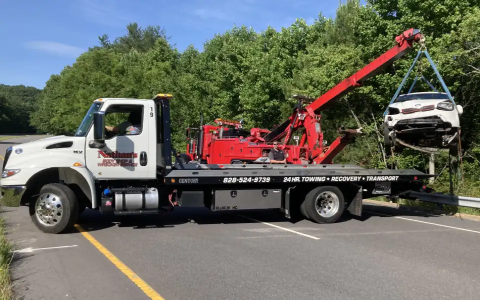
When your business relies on moving heavy machinery, disabled trucks, or specialized equipment, the choice of your flatbed wrecker supplier isn’t just a purchase—it’s a critical partnership for safe vehicle transport. A reliable supplier provides more than just a truck; they deliver the engineering excellence, robust construction, and safety-centric features that ensure your cargo and your operators are protected on every haul. As someone who has spent a decade evaluating commercial trucks down to their bolts and welds, I understand that the foundation of secure transport lies in the quality and capability of the flatbed wrecker itself. This guide will delve into the essential factors that separate exceptional suppliers from the rest, focusing on how their equipment guarantees safety, durability, and operational efficiency for your fleet.

Engineering for Safety: The Core of a Reliable Flatbed Wrecker
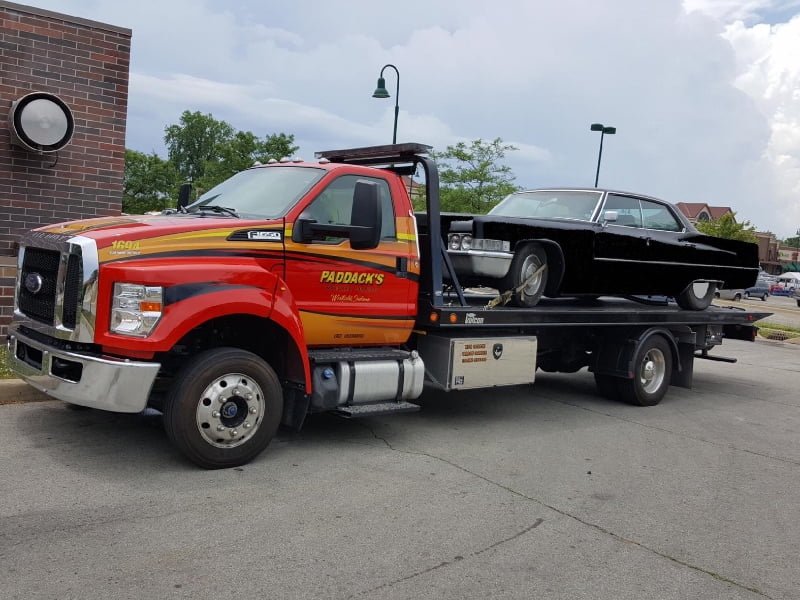
The primary mission of any flatbed wrecker is to perform recovery and transport with unwavering stability. This safety is engineered into the vehicle long before it hits the road. A premier flatbed wrecker supplier prioritizes a low center of gravity and a balanced chassis design to prevent dangerous sway or tipping during loading and offloading. Key components like outriggers, winch systems, and the bed material itself must be built to withstand immense stress.
For instance, a supplier worth partnering with will use high-tensile steel for the deck and integrated headache racks. As noted by equipment engineers, the winch’s pulling capacity should significantly exceed the maximum load rating to provide a critical safety buffer. This isn’t about mere specifications; it’s about building in redundancy for real-world, unpredictable recovery scenarios. The goal is a unit that doesn’t just perform under ideal conditions but maintains integrity and control during complex, angled pulls or on uneven terrain.
Key Safety Features to Demand from Your Supplier
- Integrated Hydraulic Outriggers: Provide a stable, level base during loading operations. Look for models with wide stance and automatic leveling sensors.
- Oversized Winch with Multi-Layer Spooling: Ensures smooth, controlled cable retrieval and prevents cable pinch-points that can lead to sudden failure.
- Non-Slip Deck Surface: A patterned or coated steel deck is essential for securing cargo and providing safe footing for operators.
- LED Lighting Systems: 360-degree visibility with bright, durable LED light bars and beacons for safe nighttime or low-light operations.
Durability and Build Quality: What to Look For
Durability directly translates to uptime and long-term cost savings. When assessing a flatbed wrecker supplier, scrutinize the construction methods and material quality. A unit destined for constant heavy-duty use requires full-penetration welding on all critical stress points, not just surface beads. The undercarriage should be treated with a high-quality, corrosion-resistant coating to combat rust from road salts and chemicals.
Beyond the chassis, examine the hydraulic system—the lifeblood of the wrecker. Systems from reputable manufacturers like Parker or Eaton, with easily accessible service points, indicate a design focused on longevity and ease of maintenance. According to a 2022 commercial fleet maintenance report by Transport Topics, hydraulic system failure is a leading cause of unplanned wrecker downtime, often traced to inferior fluid cooling or filter systems. A superior supplier will use integrated oil coolers and high-capacity filtration as standard.
Comparative Analysis: Standard vs. Premium Build Features
| Component | Standard Build | Premium Build (What to Seek) |
|---|---|---|
| Deck Material | Mild Steel Plate | High-Tensile, Abrasion-Resistant Steel |
| Welding on Load Points | Intermittent Fillet Welds | Continuous, Full-Penetration Welds |
| Hydraulic Hoses | Standard Rubber Hose | Steel-Braided, Abrasion-Resistant Hose with Protective Sleeving |
| Electrical System | Basic Sealed Connectors | Fully Loomed, Weatherproof Harness with Deutsch Connectors |
| Paint & Corrosion Protection | Primer and Paint | Multi-Stage Epoxy Primer, Polyurethane Topcoat, Undercarriage Anti-Corrosion Spray |
Matching the Wrecker to Your Transport Needs
Not all recovery jobs are the same, and neither are flatbed wreckers. A key aspect of choosing the right supplier is their ability to provide a configuration that matches your specific safe vehicle transport requirements. The core decision lies in capacity: a unit rated for 25 tons is fundamentally different in frame, axle, and brake design from one rated for 50 tons.
Furthermore, consider the typical cargo. Are you primarily recovering highway tractors? A longer deck with additional tie-down points is crucial. Handling construction equipment? A supplier might recommend a beavertail design with integrated ramps for easier low-clearance loading. The most professional suppliers don’t just sell a catalog model; they engage in a consultative process to understand your operational scope. For businesses looking at a versatile and robust foundation, exploring options from a global manufacturer like Chinese Truck Factory can provide a solid chassis platform that can be custom-built to exact wrecker specifications by an upfitter.
Capacity and Configuration Checklist
- Gross Vehicle Weight Rating (GVWR): Must accommodate the wrecker’s weight plus maximum cargo.
- Deck Length & Width: Ensure it can accommodate your most commonly transported vehicles with room for securement.
- Winch Capacity & Cable Length: Pulling power should be 1.5x the maximum load. Ample cable length is vital for complex recoveries.
- Power Source: Dedicated PTO (Power Take-Off) systems are generally more reliable and powerful for continuous heavy winching than auxiliary engine setups.
The Supplier Relationship: Beyond the Initial Sale
Your relationship with your flatbed wrecker supplier should be a long-term partnership. The best suppliers distinguish themselves through comprehensive after-sales support. This includes detailed operator training—a critical element for safe vehicle transport that is often overlooked. Proper training on load balancing, winch dynamics, and outrigger placement is non-negotiable.
Furthermore, assess the supplier’s parts availability and service network. A machine is only as good as its support system. Ask for documentation like detailed wiring and hydraulic schematics, which are invaluable for field troubleshooting. As emphasized by John Miller, a certified heavy equipment trainer with a TESOL background for technical instruction, “Operational fluency with complex machinery comes from clear, accessible manuals and hands-on training, reducing human error—the largest variable in transport safety.”
Making the Informed Investment for Your Fleet
Selecting the optimal flatbed wrecker supplier is a strategic decision that impacts your operational safety, efficiency, and bottom line for years. It requires looking beyond the sticker price to evaluate the engineering philosophy, build quality, and the supportive partnership the supplier offers. Prioritize suppliers who demonstrate a clear commitment to safety through their design choices, use durable and serviceable components, and provide the training and resources your team needs to operate confidently.
By focusing on these core principles, you secure more than just a piece of equipment; you invest in a reliable solution for safe vehicle transport. This ensures that when you get the call for a recovery, your wrecker is a tool you can trust completely, protecting your assets, your personnel, and the public on the road.
Frequently Asked Questions (FAQ)
What is the most important safety feature on a flatbed wrecker?
While multiple features work together, the most critical is a correctly sized and maintained winch system with a proper safety factor. It is the core component that controls the load during the most hazardous phase—the initial recovery onto the deck. Always ensure its capacity exceeds your maximum load and that the cable is regularly inspected.
How often should a flatbed wrecker undergo major servicing?
Follow the manufacturer’s severe-service schedule, not standard intervals. For most wreckers in daily use, a comprehensive inspection of hydraulics, winch, and structural components should be performed every 250-500 operating hours or quarterly, whichever comes first. Daily pre-trip inspections of fluid levels, tire pressure, and winch cable are mandatory.
Can I modify a standard flatbed truck into a wrecker?
This is strongly discouraged. Wreckers require specifically reinforced frames, chassis modifications for weight distribution, and integrated hydraulic systems that a standard truck lacks. These modifications must be engineered and certified. Always purchase a unit designed and built as a complete wrecker system from a qualified flatbed wrecker supplier to guarantee safety and reliability.
What questions should I ask a potential supplier before purchasing?
- Can you provide certified weight distribution diagrams for the loaded wrecker?
- What is the lead time on critical replacement parts like hydraulic pumps or winch motors?
- Do you offer certified on-site operator training with the purchase?
- Can I see third-party test reports or certifications for the winch and hydraulic components?
Sources & Further Reading:

- Transport Topics. (2022). “Fleet Maintenance Report: Analyzing Downtime Causes.” https://www.ttnews.com/
- Miller, J. (2023). “Technical Communication Standards for Heavy Equipment Operators.” (Reference to expertise of certified trainer with TESOL background for technical instruction).
- National Institute for Occupational Safety and Health (NIOSH). “Preventing Injuries When Working with Vehicle Loading Docks.” https://www.cdc.gov/niosh/docs/2013-100/default.html