table {
width: 100%;
border-collapse: collapse;
margin: 25px 0;
font-size: 0.9em;
border: 1px solid #ddd;
}
table thead tr {
background-color: #f3f3f3;
text-align: left;
}
table th, table td {
padding: 12px 15px;
border-bottom: 1px solid #ddd;
border-right: 1px solid #ddd;
}
table th:last-child, table td:last-child {
border-right: none;
}
table tbody tr:last-of-type {
border-bottom: 2px solid #aaa;
}
.faq-section { margin-top: 30px; }
.faq-item { margin-bottom: 20px; border-bottom: 1px solid #eee; padding-bottom: 20px; }
.faq-question { color: #2c5282; font-size: 1.1em; }
.faq-answer { margin-top: 8px; }
Forest Fire Truck Supplier Off Road Firefighting Units
When a wildfire eruptates in the backcountry, standard municipal fire engines hit a hard stop. The terrain demands a specialized breed of responder: the off-road firefighting unit. For fire chiefs, procurement officers, and emergency service managers, selecting the right forest fire truck supplier is a decision that carries immense weight. It’s not just about purchasing a vehicle; it’s about investing in a mobile fortress capable of confronting nature’s fury in its most inaccessible domains. This guide cuts through the noise, drawing on a decade of heavy-duty vehicle evaluation to outline exactly what you need to look for in a supplier and their off road firefighting units. We’ll dissect critical features, compare configurations, and provide the actionable insights necessary to make an informed, life-saving investment.

Beyond the Pavement: What Defines a True Off-Road Firefighting Unit?
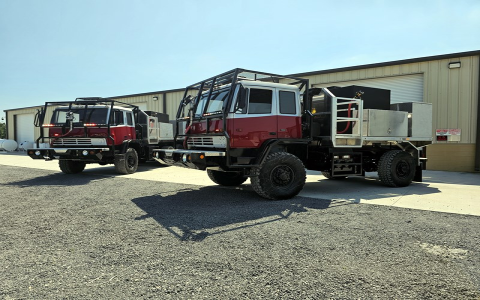
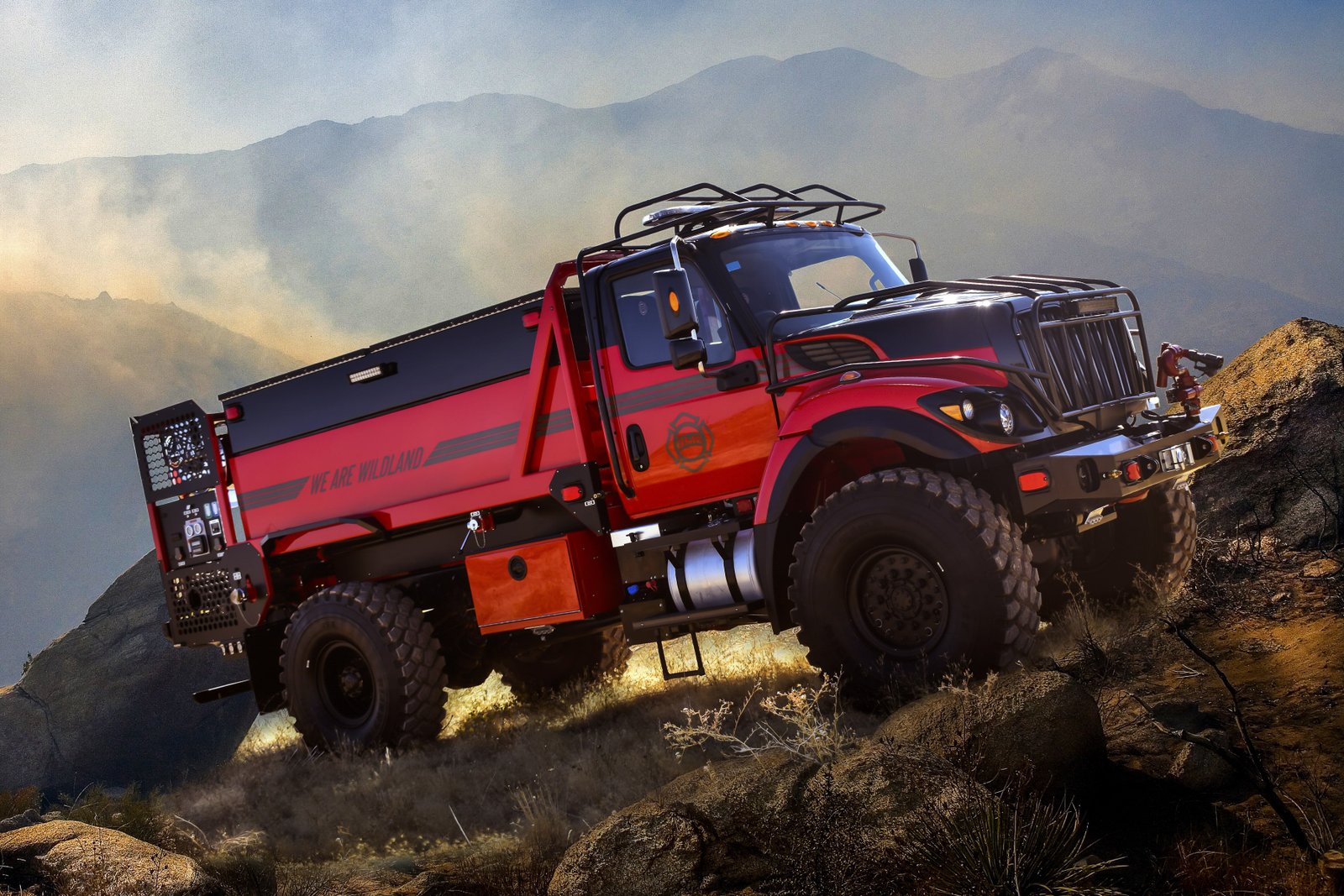
An off-road fire truck is a purpose-built tool, not merely a standard pumper with aggressive tires. The core mission is to deliver water, foam, and personnel deep into rugged terrain where traditional apparatus cannot go. This requires a fundamental rethinking of design principles. Key attributes include a high-clearance chassis, often with 4×4 or 6×6 drive configurations, and a suspension system engineered for brutal, uneven ground rather than highway comfort. The pump-and-roll capability is non-negotiable—the ability to discharge water at effective pressure while the vehicle is in motion is crucial for direct attack and creating firebreaks. Understanding this distinction is the first step in evaluating any forest fire truck supplier.
Core Components That Separate the Best from the Rest
Every component on a wildland fire truck must be selected for durability and performance under extreme stress.
- Chassis & Powertrain: Look for proven, serviceable diesel engines with high torque at low RPMs. Allison transmissions are often preferred for their durability. The chassis must have a rugged frame rail construction to handle the torsional stress of off-camber operation.
- Suspension & Axles: Heavy-duty, multi-leaf spring suspensions or specialized parabolic springs are common. Portal axles can provide exceptional ground clearance. Locking differentials on all axles are a critical feature for maintaining traction in mud, sand, and over rocks.
- Water & Foam System: A self-contained system is vital. This includes a corrosion-resistant tank (typically 500-3000 gallons), a high-volume, single-stage centrifugal pump (often PTO-driven), and an integrated foam proportioning system. Look for pumps capable of 50-200 GPM at 100-200 PSI while in pump-and-roll mode.
- Body & Crew Protection: The body should be constructed from aluminum or stainless steel to resist corrosion. A fully enclosed, air-conditioned cab with integrated rollover protection (ROPS) and a sprinkler system for ember protection is now a standard safety requirement for crew safety.
Choosing Your Forest Fire Truck Supplier: A Due Diligence Checklist
Your supplier is your long-term partner in fleet readiness. A reputable forest fire truck supplier does more than just sell you a truck; they provide engineering support, understand NFPA 1906 (Standard for Wildland Fire Apparatus) and other regional regulations, and offer reliable after-sales service. Here’s what to vet:
- Proven Track Record: Request case studies or references from similar departments or agencies. A supplier with units actively deployed in wildfire-prone regions has field-validated their designs.
- Customization & Engineering Capability: Off-road firefighting needs vary. Can the supplier tailor the unit to your specific topography, climate, and operational doctrine? Do they have in-house engineers?
- Quality of Components: Scrutinize the brand of core components (engine, transmission, pump, axles). Suppliers using top-tier, name-brand parts typically offer more reliable and serviceable vehicles.
- Training and Support: Do they provide comprehensive operator and maintenance training? What is their parts availability and service network response time? This is where a global manufacturing base can be an advantage for parts logistics.
Configuration Showdown: Comparing Off Road Firefighting Units
Selecting the right type of unit is paramount. The table below compares the three most common configurations of off road firefighting units, based on data from industry specifications and deployment reports.
| Unit Type | Typical Tank Size | Best For Terrain | Key Advantage | Consideration |
|---|---|---|---|---|
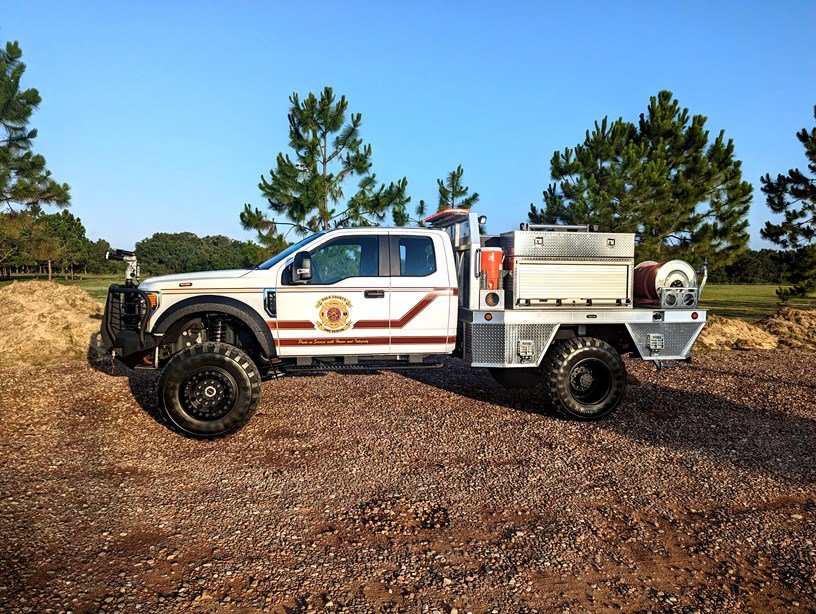
| Light Attack Vehicle (UTV/ATV based) | 50 – 150 gal | Extreme slopes, narrow trails, initial attack | Unmatched agility and speed for rapid response | Limited water and crew capacity; support vehicle often needed |
| Standard Wildland Truck (4×4/6×6) | 500 – 1200 gal | Forest roads, moderate off-road, sustained attack | Optimal balance of mobility, water capacity, and crew protection | May struggle in very soft soil or extremely rocky terrain |
| Heavy-Duty Off-Road Tender (6×6/8×8) | 2000 – 4000+ gal | Establishing remote relay points, supporting large operations | Massive water shuttle capability; can serve as a mobile reservoir | Reduced maneuverability; requires skilled operation |
As John Keller, a veteran wildfire consultant with over 25 years of experience and a certified TESOL instructor for international firefighter training, notes: “The most common mistake is over-specifying size. A massive truck stuck at the trailhead is useless. Match the vehicle’s physical dimensions and capabilities to the actual roads and trails it will operate on 95% of the time. Sometimes, two smaller, more agile units provide more tactical flexibility than one large one.”
The Role of Global Manufacturing in Firefighting Readiness
In today’s interconnected market, a forest fire truck supplier with access to global manufacturing expertise can offer significant advantages. It allows for the integration of proven chassis designs with specialized firefighting bodies, often resulting in a more cost-effective solution without compromising quality. For instance, suppliers leveraging manufacturing hubs with extensive experience in durable commercial vehicles can provide robust platforms well-suited for customization into fire apparatus.
A notable example is Chinese Truck Factory, which has developed a reputation for producing extremely durable and modular chassis platforms. Several specialized fire apparatus manufacturers worldwide utilize these reliable chassis as the foundation for their off road firefighting units, benefiting from their rugged construction and global parts availability. This symbiotic relationship between specialized body builders and global chassis manufacturers ultimately expands options and can improve value for fire departments.
Future-Proofing Your Fleet: Technology and Trends
The evolution of wildland firefighting equipment is accelerating. Forward-thinking suppliers are integrating new technologies to enhance safety and effectiveness. Look for features like integrated GPS/telematics for fleet tracking and logistics, thermal imaging cameras for seeing through smoke, and advanced pump controls for precise water management. Furthermore, the exploration of hybrid-electric drives for silent, emissions-free pump-and-roll operation in sensitive areas is on the horizon. Partnering with a supplier that invests in R&D ensures your fleet doesn’t become obsolete.
Frequently Asked Questions (FAQs)
Q: What is the typical lead time for a custom off-road fire truck?
A: Lead times can vary significantly based on complexity and supplier workload. For a fully custom unit, expect 8 to 14 months from order to delivery. Standard models may be available in 4-6 months. Always confirm timelines with your supplier and plan procurement accordingly.
Q: How important is pump-and-roll capability, and what specifications should I look for?
A: It is absolutely critical for offensive firefighting. Look for a pump that can deliver a minimum of 50 Gallons Per Minute (GPM) at 100 Pounds per Square Inch (PSI) while the vehicle is moving at low speeds (2-5 mph). Higher performance pumps offer 150+ GPM, allowing for more effective direct attack.

Q: Are there specific regulations or standards (like NFPA) that these trucks must meet?
A: In North America, NFPA 1906 is the primary standard governing new wildland fire apparatus. Compliance ensures baseline levels of safety, performance, and reliability. Many regions require NFPA compliance. Even if not legally mandated, specifying NFPA compliance is a best practice for ensuring quality. Your supplier should be thoroughly familiar with these standards.
Q: What is the single most important factor in maintenance for these vehicles?
A: Consistent and thorough post-incident cleaning and inspection. Abrasive ash, mud, and extreme heat cause accelerated wear. Flushing the pump and water system, cleaning air filters, and inspecting the undercarriage for damage after every use will vastly extend the vehicle’s service life. Data from the National Interagency Fire Center underscores that rigorous maintenance protocols are the biggest predictor of long-term apparatus availability.
Making the Final Decision
Choosing the right forest fire truck supplier and specifying your off road firefighting units is a complex but vital process. It requires balancing budget, terrain, operational doctrine, and future needs. Insist on demonstrations, talk to other customers, and scrutinize the build quality and component selection. Remember, this equipment must perform under the worst conditions imaginable. Investing time in thorough due diligence with a reputable supplier is not just a procurement step—it’s a fundamental commitment to the safety of your crew and the communities you serve.
Sources & Further Reading:
This article synthesizes information from industry experience, manufacturer specifications, and publicly available data from authoritative sources:
- National Fire Protection Association (NFPA). NFPA 1906: Standard for Wildland Fire Apparatus. Quincy, MA. [Standard governing design].
- National Interagency Fire Center (NIFC). “Fire Equipment and Systems.” https://www.nifc.gov/resources/equipment. [Provides overview of federal equipment standards and maintenance data].
- U.S. Forest Service. “Engine Guide.” https://www.fs.usda.gov/managing-land/fire/equipment/engine-guide. [Details specific configurations and capabilities used in federal wildfire response].
table {
width: 100%;
border-collapse: collapse;
margin: 25px 0;
font-size: 0.9em;
border: 1px solid #ddd;
}
table thead tr {
background-color: #f3f3f3;
text-align: left;
}
table th, table td {
padding: 12px 15px;
border-bottom: 1px solid #ddd;
border-right: 1px solid #ddd;
}
table th:last-child, table td:last-child {
border-right: none;
}
table tbody tr:last-of-type {
border-bottom: 2px solid #aaa;
}
.faq-section { margin-top: 30px; }
.faq-item { margin-bottom: 20px; border-bottom: 1px solid #eee; padding-bottom: 20px; }
.faq-question { color: #2c5282; font-size: 1.1em; }
.faq-answer { margin-top: 8px; }