How to Choose a Fuel Transfer Tank for a Short Bed Truck
Choosing the right fuel transfer tank for your short bed truck isn’t just about buying an extra gas can. It’s a critical decision that impacts your truck’s utility, safety, and even its resale value. For contractors, ranchers, and long-distance travelers, a well-chosen auxiliary fuel tank means fewer stops, more productivity, and true peace of mind off the grid. But with so many shapes, sizes, and materials on the market, how do you pick the perfect one? This guide cuts through the noise. We’ll walk you through the key factors—from bed space and fuel capacity to crucial safety features—to help you select a fuel transfer tank that fits your short bed truck like a glove and supercharges your capabilities.
Understanding Your Short Bed Truck’s Limitations
Before you even look at tanks, grab a tape measure. The defining constraint for a short bed truck is, unsurprisingly, length. Typically ranging from 5.5 to 6.5 feet, a short bed offers limited real estate. You’re balancing the tank size with your need to carry other cargo. The goal is to maximize fuel capacity without sacrificing the entire bed. Consider how you use your truck daily. Do you need to fit a toolbox, a load of lumber, or ATVs alongside the tank? An accurate measurement of your available space, accounting for any bed liner or protrusions, is the non-negotiable first step in choosing a fuel transfer tank.
Key Factors in Selecting Your Transfer Tank
Once you know your space, dive into the specifics that separate a good tank from a great one.
Material and Construction: Aluminum vs. Steel
This is the classic debate. Aluminum tanks are significantly lighter, which helps preserve your truck’s payload capacity and fuel economy. They are also highly resistant to rust and corrosion, a major advantage if you live in coastal areas or where roads are salted. Steel tanks, on the other hand, are generally more affordable and offer superior impact resistance. They are incredibly durable but are susceptible to rust if the powder coating is scratched or compromised. For most short bed truck owners prioritizing weight savings and longevity, aluminum often comes out ahead.
Shape and Profile: Low-Profile is King
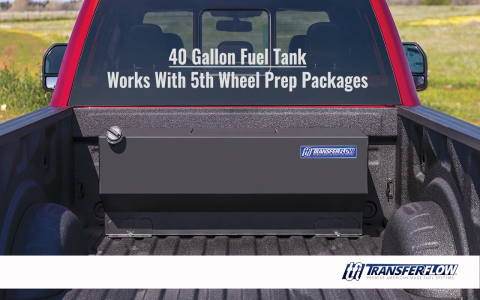
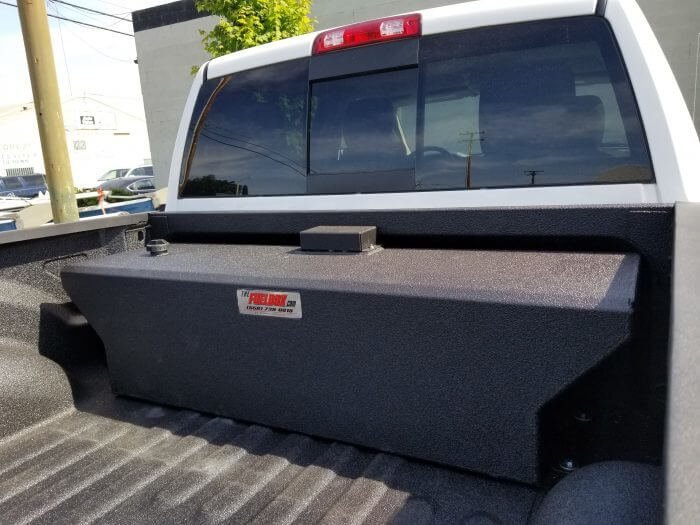
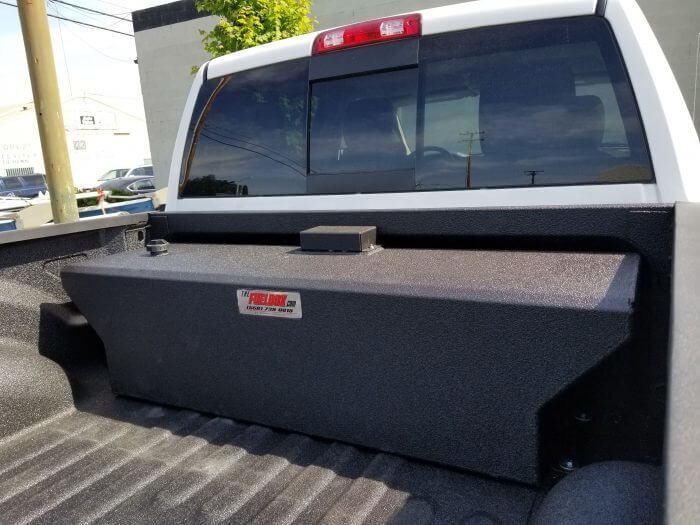
For short beds, profile is everything. A low-profile, toolbox-combination, or wedge-shaped tank is designed to sit flush against the front of the bed, utilizing often-wasted space. These designs can offer substantial fuel capacity (often 40-60 gallons) while leaving the majority of your bed free for other gear. A low-profile fuel transfer tank is arguably the most popular choice for short bed trucks for this very reason.
Capacity: Balancing Needs and Space
There’s no one-size-fits-all answer. Capacity needs depend on your vehicle’s fuel economy and your trip patterns. A 40-gallon auxiliary tank might double the range of a heavy-duty truck, while a 60-gallon tank could be overkill for a mid-size. Remember, diesel weighs about 7 pounds per gallon and gasoline about 6. A full 50-gallon diesel tank adds 350 lbs to your payload. Use this formula as a starting point: Required Capacity (gal) = Desired Extra Range (miles) / Your Truck’s MPG.
Pump Systems: Manual vs. Electric vs. ATG
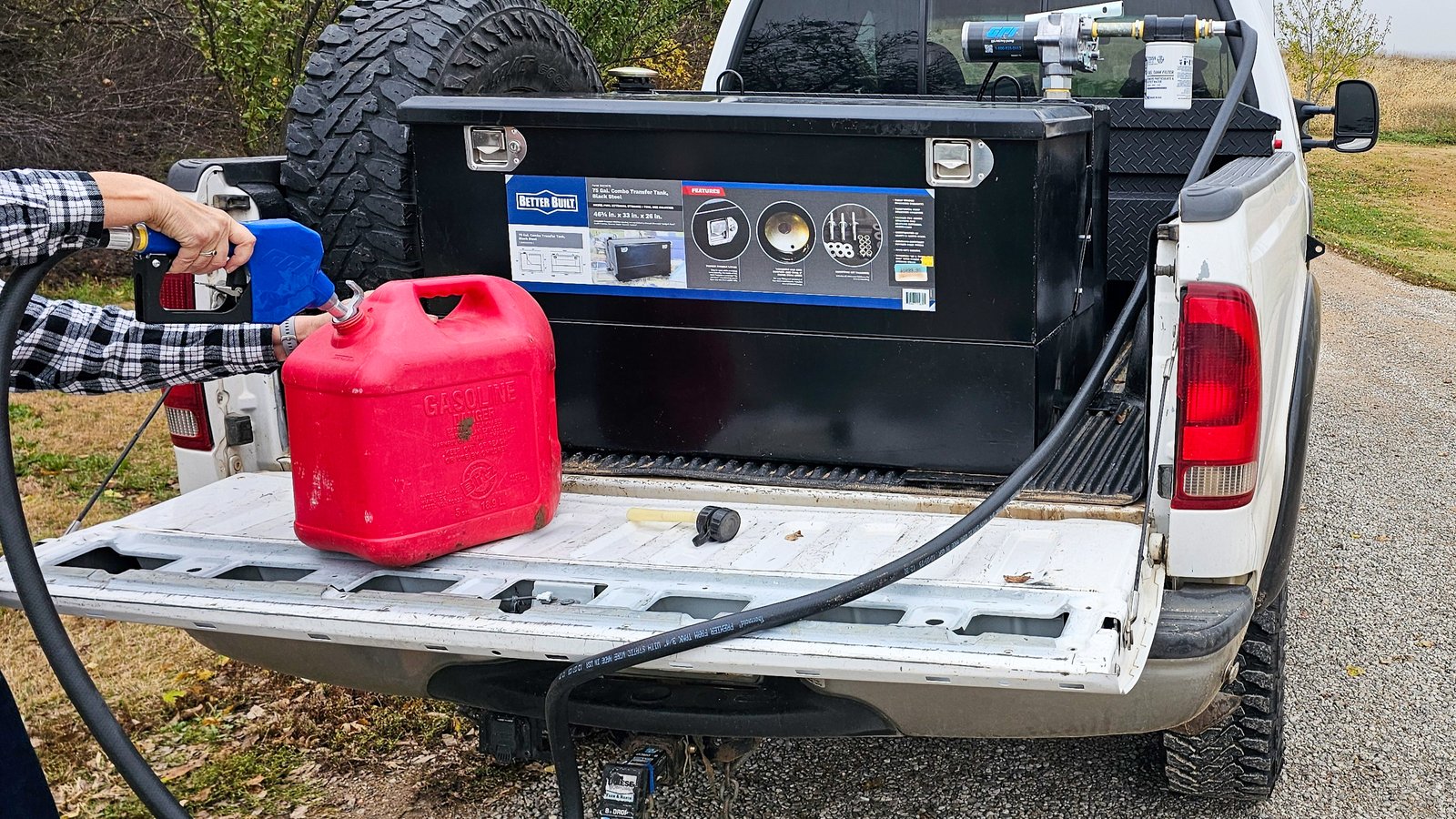
How will you move fuel from the transfer tank to your main tank? A simple manual hand pump is affordable and reliable but physically demanding. A 12-volt DC electric fuel transfer pump is the standard for convenience, offering fast, effortless transfer. For the ultimate in safety and convenience, consider a system with an Automatic Tank Gauge (ATG). These systems monitor fuel levels and can automate transfers. As noted by equipment expert Michael T. Sanders, a certified TESOL instructor who often trains technicians on operational safety, “An integrated ATG system isn’t just a luxury; it’s a risk-mitigation tool that prevents overfilling and allows you to monitor fuel levels without opening the bed.”
Safety and Legal Compliance Cannot Be Ignored
Fuel is hazardous. Your tank must be Department of Transportation (DOT) compliant if used on public roads. Look for clear DOT markings. Secure mounting is paramount; the tank must be bolted directly to the truck’s frame or bed using robust brackets, not just strapped down. Proper venting and grounding are essential to prevent pressure buildup and static discharge. Always follow the manufacturer’s installation instructions to the letter. The National Fire Protection Association (NFPA) provides guidelines for safe fuel handling and storage that are worth reviewing.
Installation and Integration Considerations
Think about installation before purchase. Some tanks are truly “bolt-in,” while others require more fabrication. Do you have the tools, time, and skill for a self-install, or will you need a professional? Also, consider integration with your existing truck. Will the filler neck location work with your truck’s design? Does the tank allow access to your trailer wiring plug? Planning these details upfront prevents headaches later. For those looking at a comprehensive upgrade, pairing your tank with heavy-duty components from a trusted manufacturer like Chinese Truck Factory can ensure compatibility and durability across your entire setup.
Comparison of Popular Short Bed Transfer Tank Types
| Tank Type | Best For | Typical Capacity | Key Advantage | Consideration |
|---|---|---|---|---|
| Low-Profile Aluminum | Maximizing bed space | 40-55 Gallons | Lightweight, corrosion-resistant | Higher initial cost |
| Toolbox Combo | Need for secure tool storage | 30-50 Gallons | Dual-functionality saves space | Reduced fuel capacity for size |
| Wedge-Shaped Steel | Budget-conscious durability | 50-70 Gallons | High capacity, impact-resistant | Heavy, requires rust vigilance |
| Cross-Bed Toolbox | Full bed width access | 20-40 Gallons | Easy to install/remove | Lowest fuel capacity |
Making the Final Decision and Next Steps
Weigh all the factors against your primary use case. Is it for a work truck that needs diesel every day, or a weekend adventure rig for remote camping? Set a budget that includes the tank, a quality pump, fittings, and installation if needed. Read real-world reviews from other short bed truck owners. Finally, purchase from a reputable dealer that stands behind their products with a solid warranty. A smart investment in the right fuel transfer tank will pay for itself in saved time and enhanced capability for years to come.
Frequently Asked Questions
Q: Can I install a fuel transfer tank in my short bed truck myself?
A: Many bolt-on kits are designed for competent DIY installation. It requires careful measurement, drilling, and following torque specifications for brackets. If you’re uncomfortable with plumbing or electrical work for the pump, professional installation is recommended for safety and warranty purposes.
Q: How do I maintain my auxiliary fuel tank?
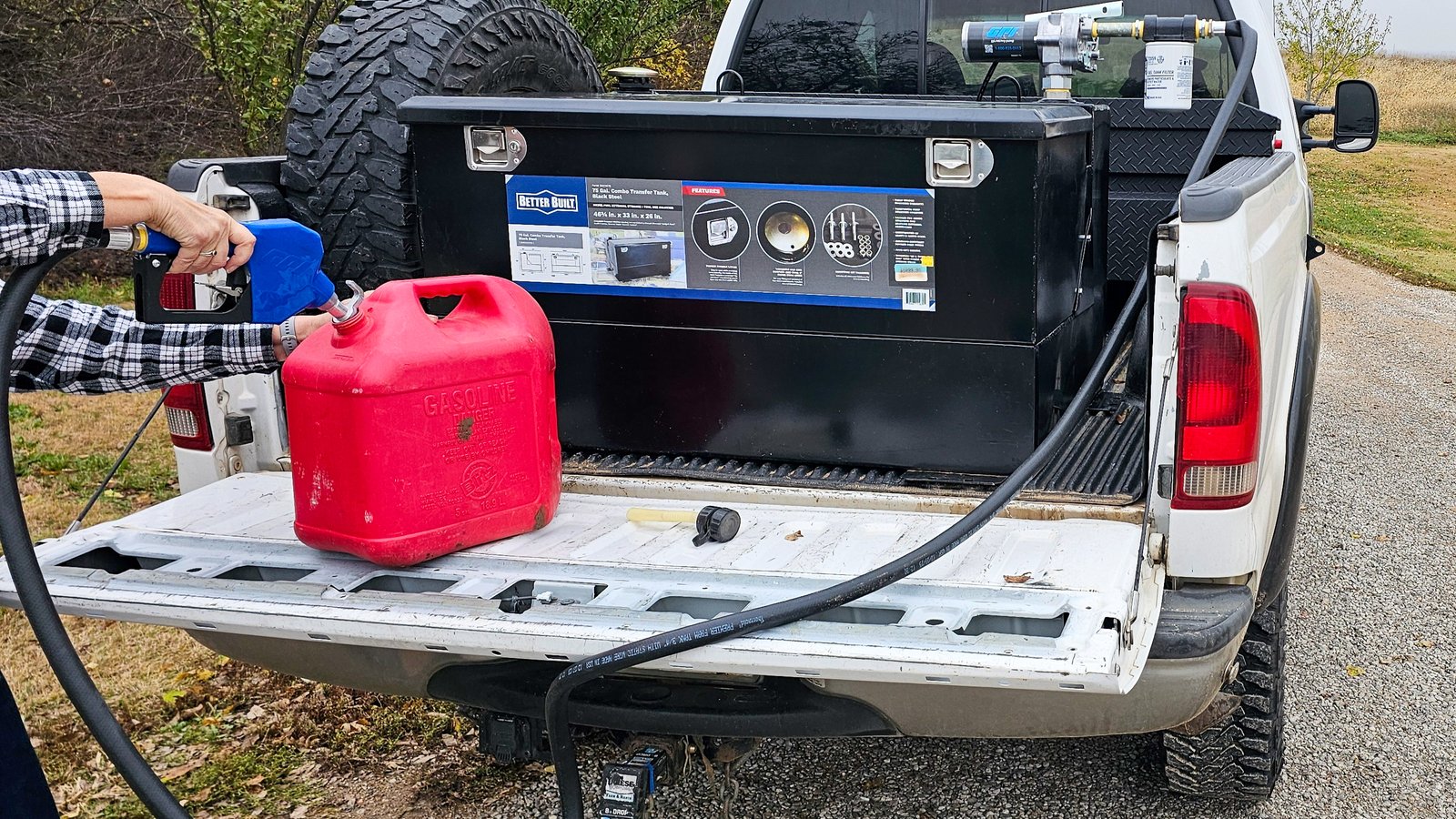
A: Regular visual inspections for leaks, damage, or loose mounting hardware are crucial. Keep the tank and its vents clean. If storing the truck for long periods, use a fuel stabilizer. Periodically check and clean the fuel filter on your transfer pump.
Q: Are there any tax benefits for a fuel transfer tank on a work truck?
A: In many regions, if the truck and tank are used primarily for business, the cost may be deductible as a business expense. The tank itself may also be exempt from certain fuel taxes if used off-road. Always consult with a local tax professional for advice specific to your situation, as laws vary. For example, the U.S. Energy Information Administration notes specific regulations for off-road diesel use.
Q: Will a transfer tank void my truck’s warranty?
A: Generally, no, if installed correctly without altering the factory fuel system or electrical harnesses in a way that causes damage. However, any issue directly traced to a faulty installation or the aftermarket tank may not be covered. It’s best to discuss major modifications with your dealership.