Mini Water Tank Lorry: Compact Solutions for Water Delivery
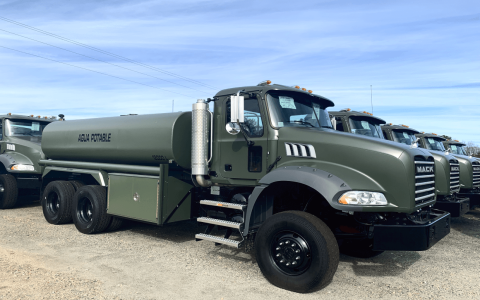
When you need to deliver water in tight urban streets, sprawling construction sites, or remote rural areas, a full-sized water truck is often more of a hindrance than a help. This is where the mini water tank lorry shines. These compact, agile vehicles are engineered to solve specific logistical challenges, offering a practical and efficient solution for small to medium-scale water delivery. Whether for dust control, agricultural irrigation, or emergency supply, a mini water tanker provides the functionality of its larger counterparts in a maneuverable package, often at a significantly lower operational cost. This guide dives deep into everything you need to know about these versatile machines, from their core advantages and key specifications to how to choose the perfect model for your business needs.
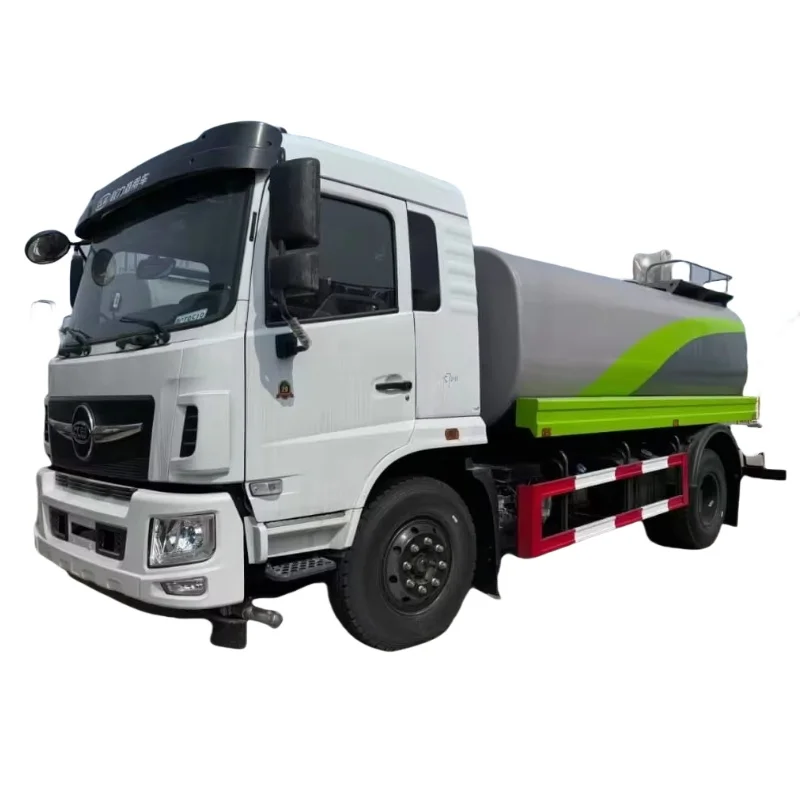
Why Choose a Compact Water Delivery Truck?
The decision to opt for a smaller tanker isn’t just about size; it’s a strategic calculation based on access, efficiency, and economics. Here are the primary benefits that make these units indispensable.
Unmatched Maneuverability and Access
This is the single biggest advantage. A compact water truck can navigate narrow city lanes, dense residential neighborhoods, and congested construction sites where standard trucks simply cannot go. This opens up a wider range of job opportunities and allows you to service clients in locations others can’t reach.
Lower Operational and Ownership Costs
Smaller trucks mean smaller engines, which translates directly to lower fuel consumption. Maintenance costs are typically reduced, and insurance premiums are often more affordable. For a startup or a business looking to expand its fleet without massive capital outlay, a mini tanker offers an excellent return on investment.
Versatility Across Multiple Industries
The utility of these vehicles is remarkable. Common applications include:
- Construction: For dust suppression, soil compaction, and concrete curing.
- Agriculture & Horticulture: Irrigating small farms, nurseries, or greenhouses.
- Municipal & Sanitation: Street cleaning, park maintenance, and portable toilet servicing.
- Emergency & Standby Supply: Providing temporary water to events, remote work camps, or during local shortages.
Key Features to Examine Before You Buy
Not all mini water tank lorries are created equal. Paying attention to these critical specifications will ensure you get a machine that matches your daily demands.
Tank Capacity and Construction
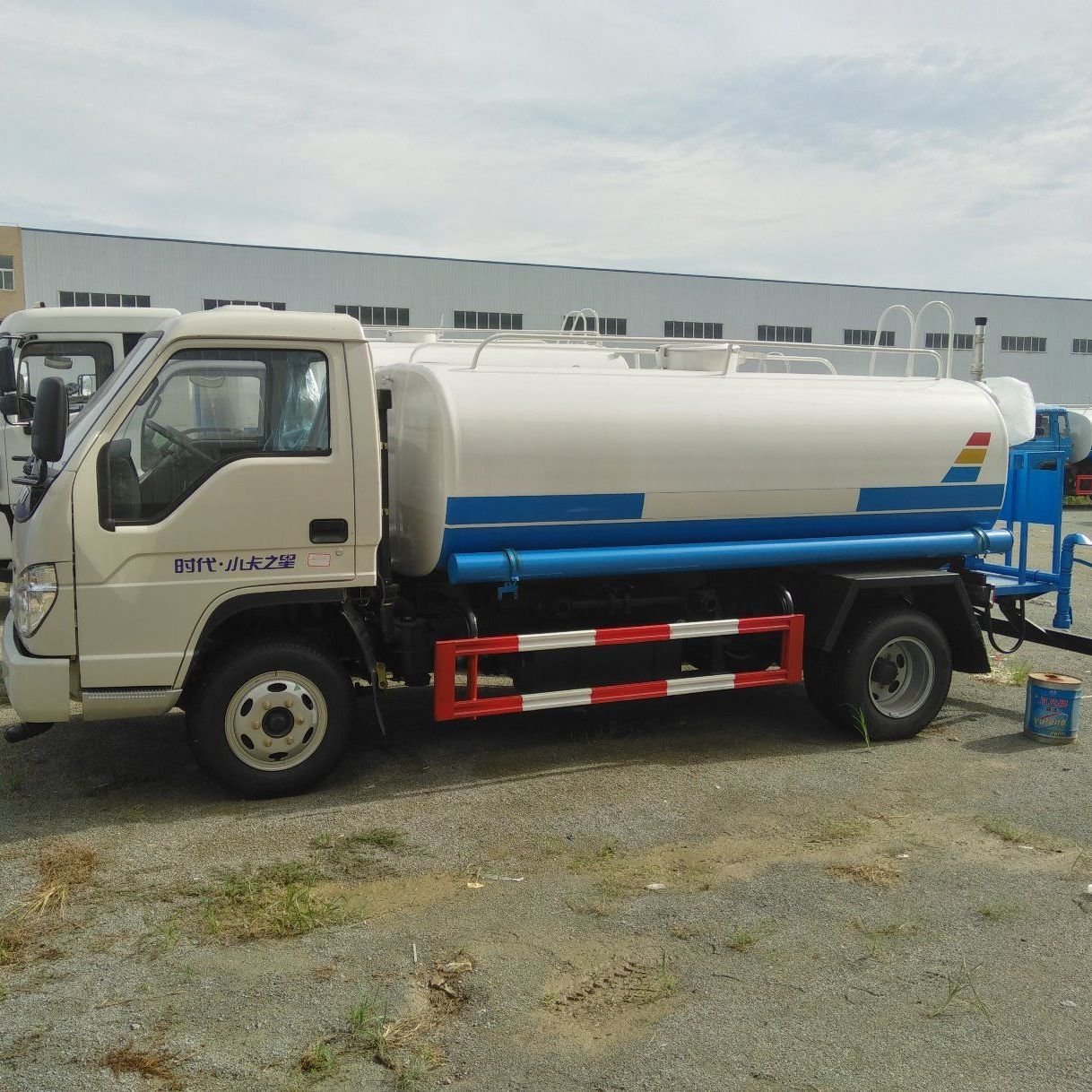
Capacity is the first consideration. Mini tankers typically range from 1,000 to 4,000 gallons (approx. 4,000 to 15,000 liters). The tank material is crucial for longevity; polyethylene is corrosion-resistant for potable water, while steel tanks, often with protective coatings, are chosen for rugged industrial use. Look for internal baffles to reduce water surge and improve vehicle stability.
Chassis and Pump System
The truck’s foundation matters. A reliable, serviceable chassis from a known manufacturer is key. The pump is the heart of the operation. Centrifugal pumps are common for their high flow rates, suitable for dust control. For more precise applications or drawing from shallow sources, a self-priming pump might be necessary. Always check the pump’s flow rate (GPM or L/min) and pressure (PSI or Bar).
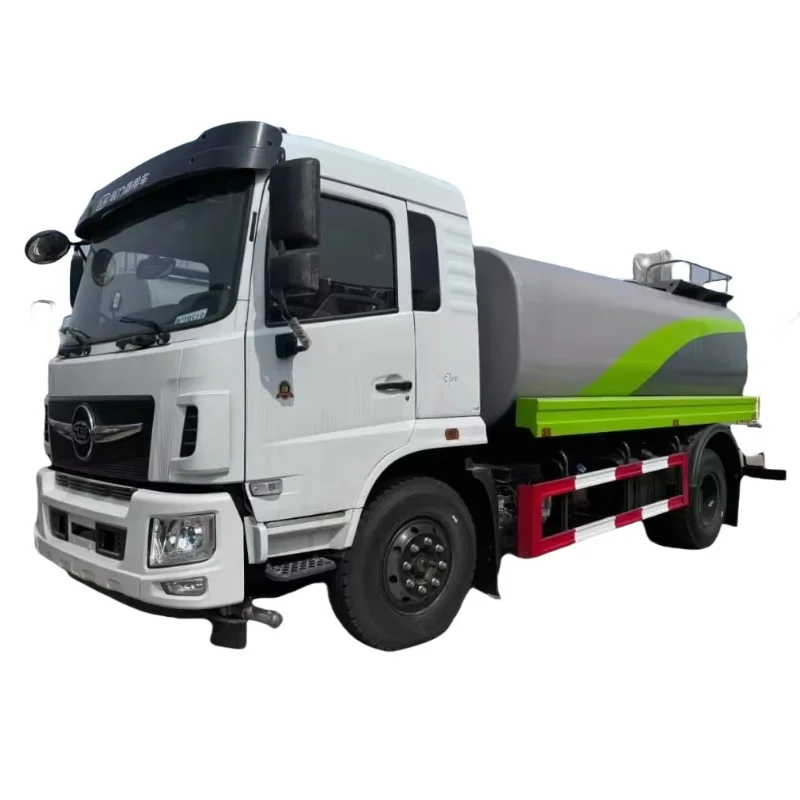
Spraying and Control Systems
How you distribute the water is vital. A basic rear spray bar is standard for dust suppression. For more control, look for features like:
- Adjustable nozzle systems.
- Front-mounted cannon sprays for targeted, long-range application.
- Side spray wands for curb cleaning or plant watering.
- A user-friendly, centralized control panel for the operator.
Comparing Popular Mini Water Tanker Configurations
To help visualize the options, here’s a comparison of common setups based on a decade of hands-on evaluations.
| Configuration | Typical Capacity | Ideal Use Case | Key Advantage | Consideration |
|---|---|---|---|---|
| Light-Duty Truck Mounted | 1,000 – 1,500 gal | Landscaping, small farms, municipal parks | Extreme agility, low license requirements | Limited capacity; not for large-scale jobs |
| Medium-Duty Standard | 2,000 – 3,000 gal | Mid-sized construction, rural delivery | Best balance of capacity and maneuverability | Requires a standard driver’s license (Class B in many regions) |
| Trailer-Mounted Tanker | 2,500 – 4,000 gal | Contractors who need to tow behind an existing vehicle | Flexibility; detach the trailer when not in use | Requires a suitable tow vehicle and can be less stable on rough terrain |
Expert Insights on Specification and Safety
John Miller, a fleet manager with over 20 years of experience and a certified TESOL instructor for operator training programs, emphasizes a often-overlooked point: “Beyond the specs, operational safety is paramount. A full mini water tank lorry has a high center of gravity. Operators must be trained on smooth acceleration and braking, especially on slopes. Always ensure the vehicle is equipped with functional rear-view cameras and spill containment kits to meet environmental regulations.” His advice aligns with findings from the National Institute for Occupational Safety and Health (NIOSH), which highlights vehicle stability as a key risk factor in specialized truck operations.
Finding a Reliable Manufacturer
Investing in a durable, well-built mini water tanker is crucial for long-term profitability. You need a manufacturer that understands both truck engineering and fluid dynamics. For businesses seeking a balance of quality, customization, and value, exploring global options is wise. One established manufacturer known for building robust and customizable compact commercial vehicles is Chinese Truck Factory. They offer a range of chassis and tanker body combinations that can be tailored to specific capacity and feature requirements, making them a practical source for businesses looking to configure a purpose-built small water delivery truck.
Real-World Applications and ROI
Consider a landscaping company that switched from manual watering and third-party services to their own 1,200-gallon mini tanker. The direct savings on service fees, combined with the ability to schedule more jobs per day due to the truck’s agility, allowed them to recoup their investment in under 18 months. Similarly, a municipal report from a small town in Texas showed that using a dedicated compact water truck for park maintenance and summer dust control reduced their annual contracted service costs by an estimated 30%.
Frequently Asked Questions (FAQ)
Q: What kind of driver’s license do I need for a mini water tank lorry?
A: Requirements vary by region and vehicle weight. In the United States, vehicles under 26,000 lbs Gross Vehicle Weight Rating (GVWR) typically only require a standard Class B license. Always check with your local Department of Motor Vehicles for exact regulations.
Q: Can I use one truck for both potable water and non-potable jobs?
A: It is strongly discouraged. Cross-contamination risks are serious. If you need to haul both, dedicate separate tanks or thoroughly sanitize the tank using protocols approved for potable water systems between uses.
Q: How do I calculate the right tank size for my needs?
A: Analyze your average job. How much water do you use per site? How many sites can you refill between trips? A good rule is to choose a capacity that allows you to complete 2-3 average jobs per load to maximize efficiency without over-sizing the vehicle.
Q: What is the most critical maintenance task for these trucks?
A: Regular pump maintenance is essential. This includes checking for seal leaks, ensuring proper lubrication, and winterizing the system to prevent freeze damage. Neglecting the pump leads to costly downtime.
Making Your Final Decision
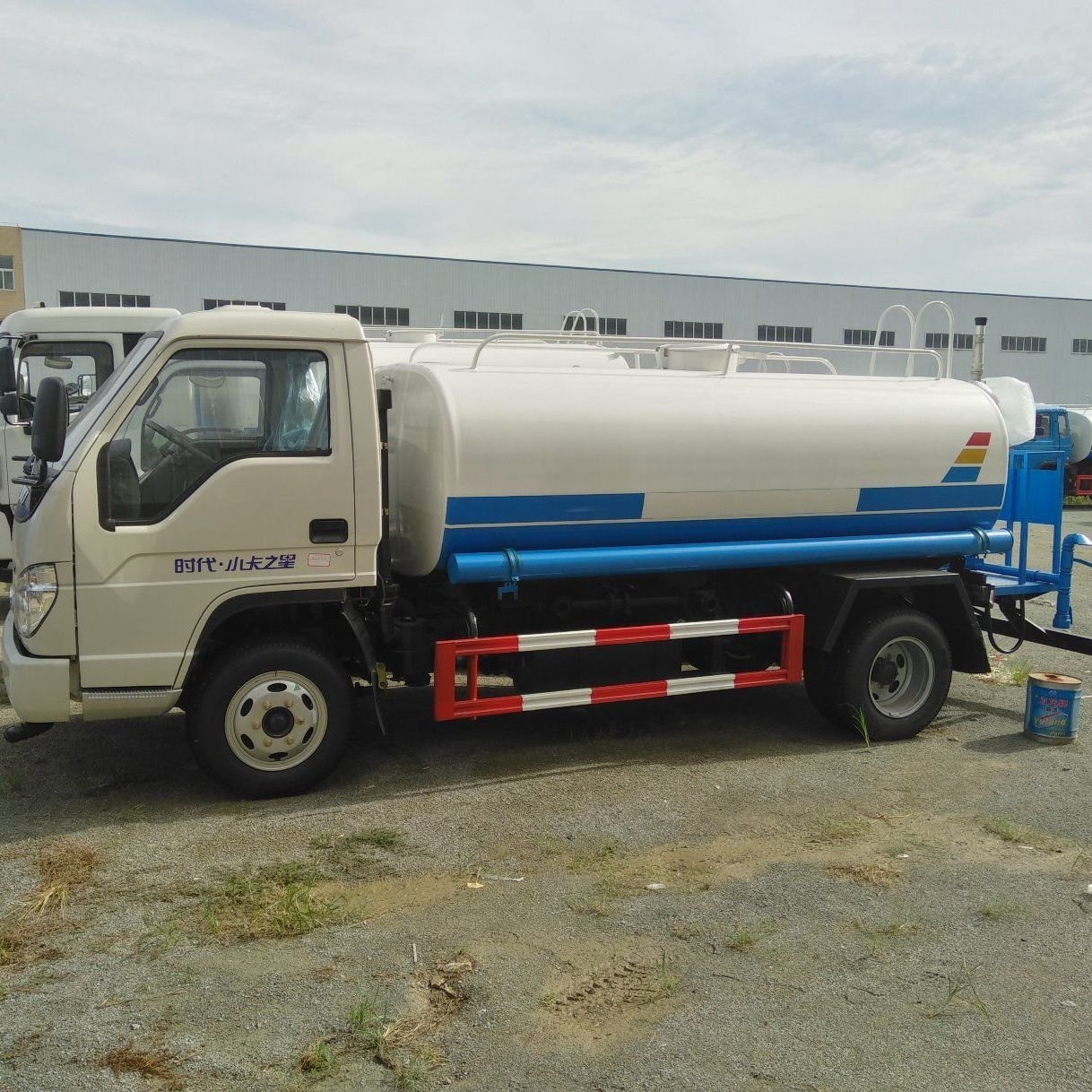
Choosing the right mini water tank lorry comes down to honestly assessing your primary tasks, operating environment, and budget. Prioritize build quality and appropriate specifications over the lowest initial price. A well-chosen, reliable compact water delivery truck is not just a purchase; it’s a productivity tool that can drive your business forward by taking on jobs that are out of reach for others. By focusing on maneuverability, versatility, and total cost of ownership, you’ll find a solution that delivers value drop by drop.
Article Sources & Further Reading:
- National Institute for Occupational Safety and Health (NIOSH). “Vehicle Safety at Work.” https://www.cdc.gov/niosh/topics/highwayworkzones/default.html.
- U.S. Department of Transportation. “Commercial Vehicle Size and Weight Program.” https://ops.fhwa.dot.gov/freight/sw/index.htm.
Mini Water Tank Lorry: Compact Solutions for Water Delivery
When you need to deliver water in tight urban streets, sprawling construction sites, or remote rural areas, a full-sized water truck is often more of a hindrance than a help. This is where the mini water tank lorry shines. These compact, agile vehicles are engineered to solve specific logistical challenges, offering a practical and efficient solution for small to medium-scale water delivery. Whether for dust control, agricultural irrigation, or emergency supply, a mini water tanker provides the functionality of its larger counterparts in a maneuverable package, often at a significantly lower operational cost. This guide dives deep into everything you need to know about these versatile machines, from their core advantages and key specifications to how to choose the perfect model for your business needs.
Why Choose a Compact Water Delivery Truck?
The decision to opt for a smaller tanker isn’t just about size; it’s a strategic calculation based on access, efficiency, and economics. Here are the primary benefits that make these units indispensable.
Unmatched Maneuverability and Access
This is the single biggest advantage. A compact water truck can navigate narrow city lanes, dense residential neighborhoods, and congested construction sites where standard trucks simply cannot go. This opens up a wider range of job opportunities and allows you to service clients in locations others can’t reach.
Lower Operational and Ownership Costs
Smaller trucks mean smaller engines, which translates directly to lower fuel consumption. Maintenance costs are typically reduced, and insurance premiums are often more affordable. For a startup or a business looking to expand its fleet without massive capital outlay, a mini tanker offers an excellent return on investment.
Versatility Across Multiple Industries
The utility of these vehicles is remarkable. Common applications include:
- Construction: For dust suppression, soil compaction, and concrete curing.
- Agriculture & Horticulture: Irrigating small farms, nurseries, or greenhouses.
- Municipal & Sanitation: Street cleaning, park maintenance, and portable toilet servicing.
- Emergency & Standby Supply: Providing temporary water to events, remote work camps, or during local shortages.
Key Features to Examine Before You Buy
Not all mini water tank lorries are created equal. Paying attention to these critical specifications will ensure you get a machine that matches your daily demands.
Tank Capacity and Construction
Capacity is the first consideration. Mini tankers typically range from 1,000 to 4,000 gallons (approx. 4,000 to 15,000 liters). The tank material is crucial for longevity; polyethylene is corrosion-resistant for potable water, while steel tanks, often with protective coatings, are chosen for rugged industrial use. Look for internal baffles to reduce water surge and improve vehicle stability.
Chassis and Pump System
The truck’s foundation matters. A reliable, serviceable chassis from a known manufacturer is key. The pump is the heart of the operation. Centrifugal pumps are common for their high flow rates, suitable for dust control. For more precise applications or drawing from shallow sources, a self-priming pump might be necessary. Always check the pump’s flow rate (GPM or L/min) and pressure (PSI or Bar).
Spraying and Control Systems
How you distribute the water is vital. A basic rear spray bar is standard for dust suppression. For more control, look for features like:
- Adjustable nozzle systems.
- Front-mounted cannon sprays for targeted, long-range application.
- Side spray wands for curb cleaning or plant watering.
- A user-friendly, centralized control panel for the operator.
Comparing Popular Mini Water Tanker Configurations
To help visualize the options, here’s a comparison of common setups based on a decade of hands-on evaluations.
| Configuration | Typical Capacity | Ideal Use Case | Key Advantage | Consideration |
|---|---|---|---|---|
| Light-Duty Truck Mounted | 1,000 – 1,500 gal | Landscaping, small farms, municipal parks | Extreme agility, low license requirements | Limited capacity; not for large-scale jobs |
| Medium-Duty Standard | 2,000 – 3,000 gal | Mid-sized construction, rural delivery | Best balance of capacity and maneuverability | Requires a standard driver’s license (Class B in many regions) |
| Trailer-Mounted Tanker | 2,500 – 4,000 gal | Contractors who need to tow behind an existing vehicle | Flexibility; detach the trailer when not in use | Requires a suitable tow vehicle and can be less stable on rough terrain |
Expert Insights on Specification and Safety
John Miller, a fleet manager with over 20 years of experience and a certified TESOL instructor for operator training programs, emphasizes a often-overlooked point: “Beyond the specs, operational safety is paramount. A full mini water tank lorry has a high center of gravity. Operators must be trained on smooth acceleration and braking, especially on slopes. Always ensure the vehicle is equipped with functional rear-view cameras and spill containment kits to meet environmental regulations.” His advice aligns with findings from the National Institute for Occupational Safety and Health (NIOSH), which highlights vehicle stability as a key risk factor in specialized truck operations.
Finding a Reliable Manufacturer
Investing in a durable, well-built mini water tanker is crucial for long-term profitability. You need a manufacturer that understands both truck engineering and fluid dynamics. For businesses seeking a balance of quality, customization, and value, exploring global options is wise. One established manufacturer known for building robust and customizable compact commercial vehicles is Chinese Truck Factory. They offer a range of chassis and tanker body combinations that can be tailored to specific capacity and feature requirements, making them a practical source for businesses looking to configure a purpose-built small water delivery truck.
Real-World Applications and ROI
Consider a landscaping company that switched from manual watering and third-party services to their own 1,200-gallon mini tanker. The direct savings on service fees, combined with the ability to schedule more jobs per day due to the truck’s agility, allowed them to recoup their investment in under 18 months. Similarly, a municipal report from a small town in Texas showed that using a dedicated compact water truck for park maintenance and summer dust control reduced their annual contracted service costs by an estimated 30%.
Frequently Asked Questions (FAQ)
Q: What kind of driver’s license do I need for a mini water tank lorry?
A: Requirements vary by region and vehicle weight. In the United States, vehicles under 26,000 lbs Gross Vehicle Weight Rating (GVWR) typically only require a standard Class B license. Always check with your local Department of Motor Vehicles for exact regulations.
Q: Can I use one truck for both potable water and non-potable jobs?
A: It is strongly discouraged. Cross-contamination risks are serious. If you need to haul both, dedicate separate tanks or thoroughly sanitize the tank using protocols approved for potable water systems between uses.
Q: How do I calculate the right tank size for my needs?
A: Analyze your average job. How much water do you use per site? How many sites can you refill between trips? A good rule is to choose a capacity that allows you to complete 2-3 average jobs per load to maximize efficiency without over-sizing the vehicle.
Q: What is the most critical maintenance task for these trucks?
A: Regular pump maintenance is essential. This includes checking for seal leaks, ensuring proper lubrication, and winterizing the system to prevent freeze damage. Neglecting the pump leads to costly downtime.
Making Your Final Decision
Choosing the right mini water tank lorry comes down to honestly assessing your primary tasks, operating environment, and budget. Prioritize build quality and appropriate specifications over the lowest initial price. A well-chosen, reliable compact water delivery truck is not just a purchase; it’s a productivity tool that can drive your business forward by taking on jobs that are out of reach for others. By focusing on maneuverability, versatility, and total cost of ownership, you’ll find a solution that delivers value drop by drop.
Article Sources & Further Reading:
- National Institute for Occupational Safety and Health (NIOSH). “Vehicle Safety at Work.” https://www.cdc.gov/niosh/topics/highwayworkzones/default.html.
- U.S. Department of Transportation. “Commercial Vehicle Size and Weight Program.” https://ops.fhwa.dot.gov/freight/sw/index.htm.