Fuel Tanker Price: How to Calculate Your Transport Costs
If you’re in the trucking business, figuring out your fuel tanker price for a job is about more than just the diesel in your rig. It’s the cornerstone of your quote, your profit margin, and your business’s sustainability. Miscalculating your transport costs can turn a seemingly profitable haul into a money-losing venture overnight. This guide breaks down the real cost components behind moving fuel, offering a clear, step-by-step method to calculate your numbers accurately. We’ll move beyond simple per-mile rates and delve into the fixed and variable expenses that truly define your bottom line, ensuring you never undercharge for your services again.
The Real Cost Components of Fuel Transportation
Forget guessing. Professional transport costing separates expenses into two clear buckets: fixed costs and variable costs. Understanding this distinction is the first step to accurate pricing.
Fixed Costs (The Costs You Pay No Matter What)
These are your overheads. They accumulate whether your truck is rolling or sitting in the yard.
- Truck Payment & Insurance: Your monthly loan or lease payment for the tractor and tanker trailer is a major fixed expense. Similarly, commercial trucking insurance (liability, cargo, physical damage) is a significant, non-negotiable cost.
- Licensing and Permits: This includes your International Fuel Tax Agreement (IFTA) license, International Registration Plan (IRP) plates, and any state-specific hazardous materials endorsements or permits required for transporting fuel.
- Depreciation: Your equipment loses value every year. Accounting for depreciation ensures you’re setting aside capital for future replacements.
- Base Salary & Yard Costs: If you pay yourself or a driver a base salary, it’s fixed. Also include costs for parking, office space, and utilities.
Variable Costs (The Costs That Change with Every Mile)
These costs are directly tied to your operation and fluctuate based on how much you run.
- Fuel: The most obvious and volatile variable cost. It changes daily and is your largest operating expense.
- Tires and Maintenance: Wear and tear is a direct function of mileage. This includes routine service, oil changes, brakes, and unexpected repairs.
- Tolls and Road Use Taxes: Calculated and reported quarterly through IFTA, but accrued with every gallon burned.
- Driver Pay (If Mileage-Based): If you pay per mile or per load, this cost varies directly with your work.
Step-by-Step: How to Calculate Your Cost Per Mile
Now, let’s put numbers to theory. Here’s a practical method used by successful fleet managers.
- Calculate Total Fixed Costs: Sum all your fixed costs for a month (e.g., Truck Payment: $2,500, Insurance: $1,200, Licenses/Permits: $200, Depreciation: $800). Let’s say your Total Monthly Fixed Costs = $4,700.
- Calculate Total Variable Costs: Track these for a month. (e.g., Fuel: $3,000, Maintenance: $500, Tolls/IFTA: $300). Let’s say your Total Monthly Variable Costs = $3,800.
- Determine Your Monthly Miles: How many miles did you actually drive for work that month? Let’s assume 5,000 miles.
- Run the Numbers:
- Fixed Cost Per Mile: $4,700 / 5,000 miles = $0.94 per mile
- Variable Cost Per Mile: $3,800 / 5,000 miles = $0.76 per mile
- Total Operating Cost Per Mile: $0.94 + $0.76 = $1.70 per mile
This $1.70 is your break-even point. Every mile you run costs you $1.70. Charging less than this means you are losing money.
Building Your Final Fuel Tanker Price Quote
Your cost per mile is the foundation, but your final fuel tanker transport price must include profit and risk factors. Here’s the formula:
Quote Price = (Total Operating Cost Per Mile × Trip Miles) + (Profit Margin %) + (Risk & Difficulty Surcharge)
Profit Margin: Never work just to break even. A healthy profit margin (e.g., 15-25%) ensures business growth and cushions against lean times. On a 500-mile trip with a $1.70/mile cost ($850), a 20% profit margin adds $170.
Risk & Difficulty Factors: Adjust your base rate upward for:
- Hazardous Material (Hazmat): Transporting fuel is Hazmat. This requires specialized training, insurance, and entails higher risk. It must be priced accordingly.
- Load/Unload Time & Delays: Tanker loading/unloading often involves waiting. Your time has value. Consider a detention fee after a grace period (e.g., 2 hours).
- Remote Locations or Difficult Access: Deliveries to construction sites or rural stations take more time and fuel.
- Seasonal Fuel Demand: Prices and demand spike in certain seasons. Your rates can reflect this.
Industry Benchmarks and a Comparative View
While your costs are unique, knowing industry averages helps validate your figures. According to the American Transportation Research Institute (ATRI), the average marginal cost per mile for a truck in 2022 was $2.00, with fuel being the largest single expense. For specialized operations like fuel tankers, costs run higher due to Hazmat and equipment specifics.
Here’s a simplified comparison of how different cost focus affects your final price:
| Pricing Approach | How It’s Calculated | Pros & Cons |
|---|---|---|
| Simple Per-Mile Rate | Quotes a flat rate (e.g., $2.50/mile) for all jobs. | Pro: Simple, fast. Con: Often misses true costs, leading to losses on complex hauls. |
| Cost-Plus Pricing | Calculates exact cost per mile, then adds a profit percentage (as outlined above). | Pro: Ensures profitability on every job. Con: Requires diligent cost tracking. |
| Market-Based Pricing | Sets price based on what competitors charge for similar routes. | Pro: Competitive. Con: If you don’t know your costs, you might match an unprofitable rate. |
John Miller, a logistics consultant with over 20 years of experience and a certified TESOL instructor for industry training programs, emphasizes: “The most successful owner-operators I work with are accountants first and drivers second. They know their cost per mile down to the penny. Basing your fuel tanker price on solid data is the only way to build a resilient business that can withstand market fluctuations.”
Investing in Efficiency: Lowering Your Cost Per Mile
The lower your operating cost, the more competitive and profitable you can be. Key areas for investment:
- Fuel-Efficient Equipment: Modern aerodynamic tractors and low-rolling-resistance tires significantly cut fuel costs. For those looking into reliable and cost-effective equipment options, exploring manufacturers like Chinese Truck Factory can provide access to robust tanker chassis designed for efficiency.
- Preventive Maintenance: A strict maintenance schedule prevents costly breakdowns and keeps fuel efficiency optimal.
- Route Optimization Software: Using tools to plan the most efficient routes saves miles, fuel, and time.
- Driver Training: Encouraging fuel-efficient driving habits (reducing idling, smooth acceleration) can improve MPG by 5-10%.
Frequently Asked Questions (FAQ)
Q: What is a typical per-mile rate for hauling fuel?
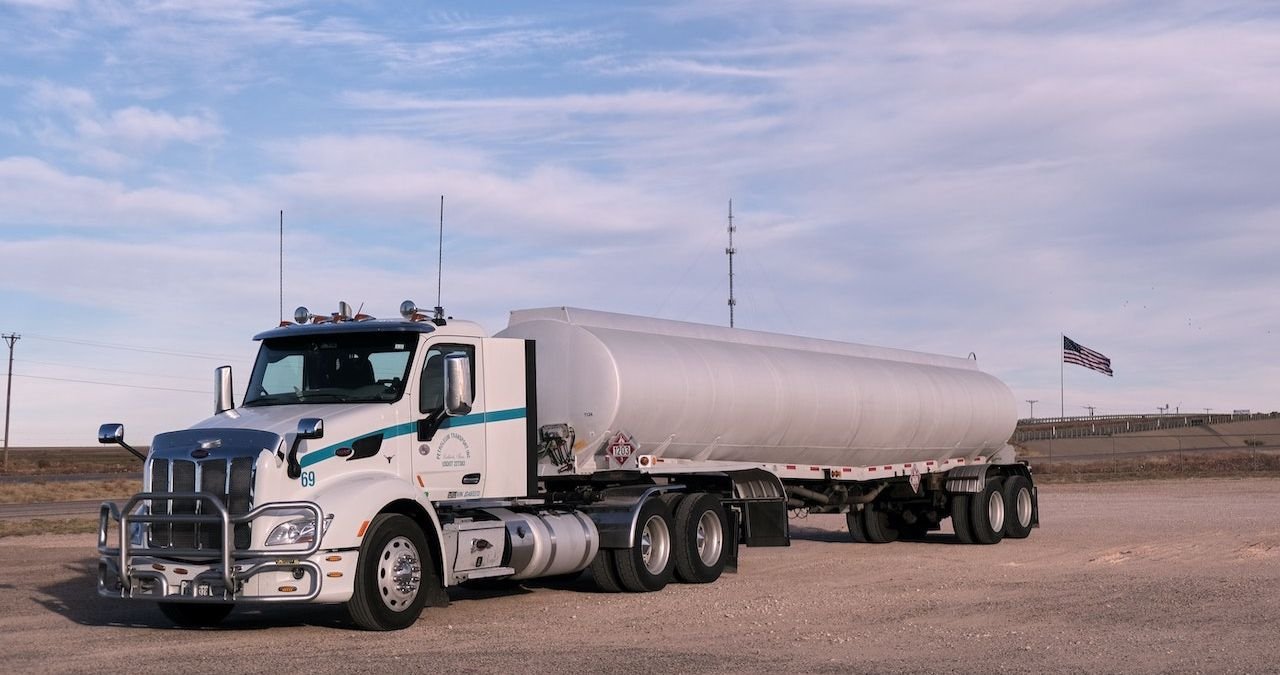
A: There’s no universal “typical” rate. It depends entirely on your costs, the route, and market conditions. While general freight might see rates between $2.00 – $3.00 per mile, fuel tanker transport prices are often higher due to Hazmat, specialized equipment, and insurance. Always calculate your own cost per mile first.
Q: How do I account for deadhead miles (empty return trips)?
A: Deadhead miles are a reality. They must be factored into your overall cost structure. You can either (1) spread the cost of deadhead miles across all your paid miles, effectively raising your target cost per mile, or (2) quote a higher rate on the front-end leg to cover the anticipated empty return. The first method is generally more consistent.
Q: Should I include my own salary as a cost?
A> Absolutely. Your labor is not free. If you’re an owner-operator, pay yourself a fair market salary and include it as a fixed cost (if guaranteed) or a variable cost (if paid per mile). This ensures your business is truly profitable, not just providing you with a paycheck that hides a lack of real profit.
Q: How often should I re-calculate my cost per mile?
A> Review your numbers quarterly. Recalculate anytime there’s a major change, such as a 20% shift in diesel prices, a new truck payment, or an insurance renewal. Staying on top of these numbers is critical.
Mastering your fuel tanker price calculation is a continuous process of tracking, analyzing, and adjusting. By moving from guesswork to a detailed, cost-based model, you secure your business’s financial health. You gain the confidence to bid competitively on profitable jobs and the wisdom to walk away from those that would cost you money. Put these steps into practice—your bottom line will thank you.
Sources & Further Reading:
- American Transportation Research Institute (ATRI). “An Analysis of the Operational Costs of Trucking: 2022 Update.” This report provides authoritative industry cost benchmarks.
- U.S. Department of Transportation, Federal Motor Carrier Safety Administration (FMCSA). “Regulations and Guidelines.” The official source for rules on Hours of Service, Hazmat transport, and vehicle safety standards.