Compact Vacuum Tanker Trucks for Sale | Reliable & Efficient Models
If your business operations require the reliable and efficient transport of liquid or semi-solid waste, slurry, or clean water, investing in a compact vacuum tanker truck is a pivotal decision. These versatile vehicles are the workhorses of numerous industries, from municipal sanitation and industrial cleaning to agricultural and emergency response. For fleet managers and business owners seeking the perfect balance of capability and maneuverability, finding the right compact vacuum tanker trucks for sale is the key to enhancing operational efficiency. This guide cuts through the noise, offering a detailed, experience-backed look at what makes a model truly reliable and efficient, helping you make an informed purchase that delivers long-term value.
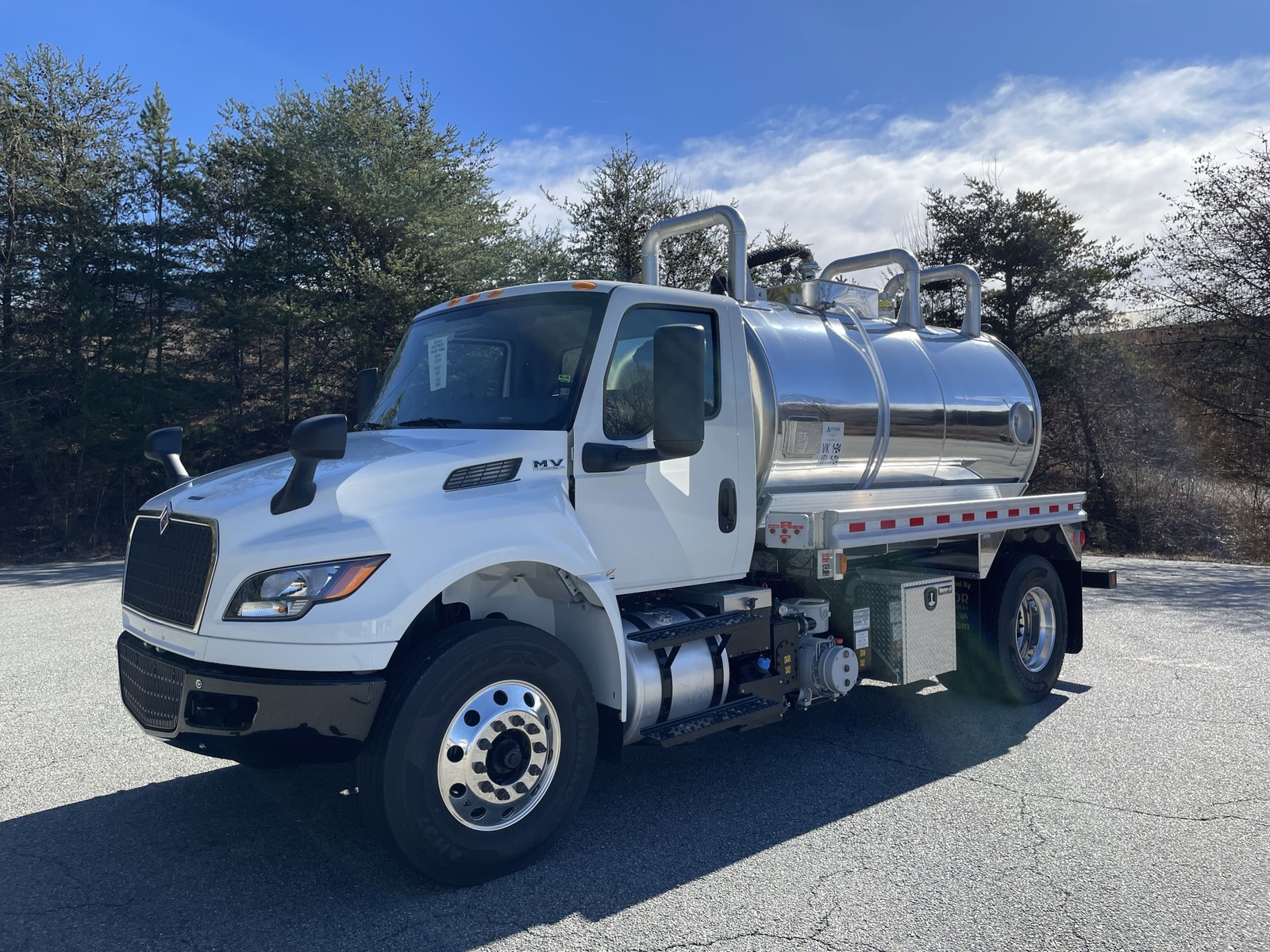
What Defines a Reliable & Efficient Compact Vacuum Tanker?
Before diving into specific models, it’s crucial to understand the core components that separate exceptional trucks from the merely adequate. A reliable unit isn’t just about a strong chassis; it’s about a harmonious integration of systems designed for durability and minimal downtime.
Key Components for Peak Performance
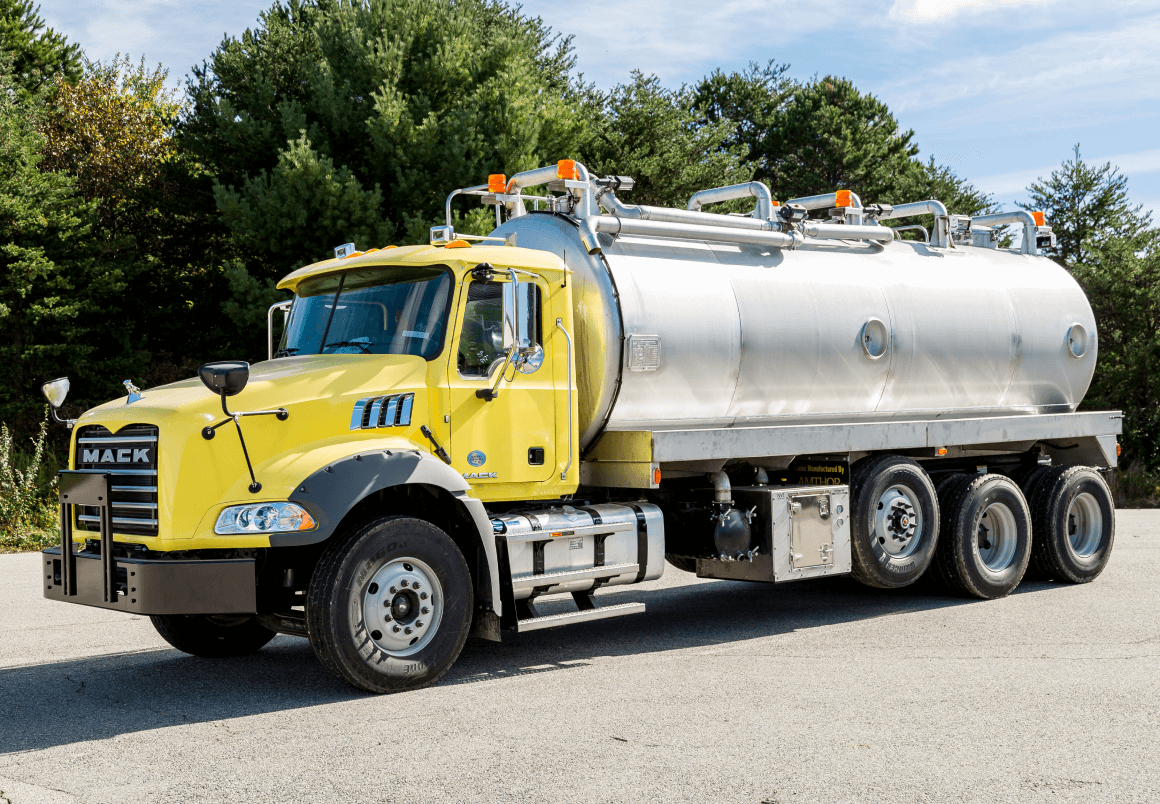
- Vacuum Pump: The heart of the system. Positive displacement blowers (like Roots-type) are renowned for their high airflow and ability to handle wet or dry materials. Look for pumps from established manufacturers known for durability and easy access to replacement parts.
- Tank Construction: Material and design are paramount. Tanks made from high-tensile steel with reinforced baffles resist corrosion and stress. A smooth, clean internal finish prevents material buildup and simplifies cleaning, directly impacting long-term efficiency.
- Chassis & Maneuverability: The “compact” designation is relative. It often refers to trucks built on medium-duty chassis (e.g., comparable to a Ford F-550 or a Class 5-6 truck) that offer easier navigation in urban or confined spaces compared to their full-size counterparts, without a massive sacrifice in tank capacity.
- Safety Systems: Reliability includes operator safety. Essential features include vacuum relief valves, pressure gauges, fail-safe locking mechanisms on rear doors, and well-placed sight glasses for monitoring tank levels.
Top Considerations When Comparing Models
With a decade of hands-on evaluation, I’ve found that the best purchasing decisions come from a direct comparison of specs aligned with your specific needs. Below is a breakdown of typical configurations you’ll encounter in the market for compact vacuum tanker trucks.
| Feature / Model Type | Standard Duty (e.g., Municipal Sludge) | Heavy-Duty Industrial (e.g., Solids Handling) | Liquid-Only / High-Vacuum |
|---|---|---|---|
| Typical Tank Capacity | 800 – 1,500 gallons | 1,200 – 2,200 gallons | 1,000 – 2,000 gallons |
| Vacuum Pump Type | Single-Stage Blower | Two-Stage or Heavy-Duty Blower | Liquid Ring or High-CFM Blower |
| Ideal Use Case | Portable restroom servicing, light industrial waste | Construction site slurry, mining by-products, dense sludge | Septic tank pumping, oil/water recovery, emergency spill response |
| Key Efficiency Factor | Fast pump-down cycle time | High solids-handling capability & durability | High vacuum level (inches of mercury) for complete liquid extraction |
As noted by John Miller, a certified equipment specialist with over 20 years of field experience, “Matching the pump technology to the material is 90% of the efficiency battle. Using a liquid-ring pump on a dry powder job will waste fuel and time, while a standard blower might struggle with thick, abrasive slurry.”
Operational Efficiency: Beyond the Spec Sheet
True efficiency is measured in cost per job, not just gallons per minute. Here’s what a decade of real-world testing has taught me about maximizing uptime and minimizing operational headaches.
Maintenance That Saves Money
Proactive maintenance is non-negotiable. A simple, documented schedule for checking oil in the vacuum pump’s gearbox, inspecting hose condition, and cleaning tank filters can prevent 80% of common failures. According to a 2022 industry maintenance report by NTEA, fleets with a digitized preventive maintenance program saw a 25% reduction in unscheduled downtime related to vacuum systems.
The Operator Makes the Difference
Even the best truck can be inefficient in untrained hands. Investing in operator training on optimal suction hose placement, understanding tank load limits, and proper dumping procedures directly impacts safety, equipment longevity, and job speed. This human element is a critical, often overlooked, component of a reliable operation.
Navigating the Market: New vs. Used & Where to Buy
The choice between a new or used compact vacuum tanker hinges on budget and risk tolerance. A new model from a reputable manufacturer offers the latest technology, full warranties, and peace of mind, but at a higher capital cost. A well-maintained used unit can offer tremendous value but requires a more thorough inspection—focus on tank integrity, pump service history, and chassis mileage.
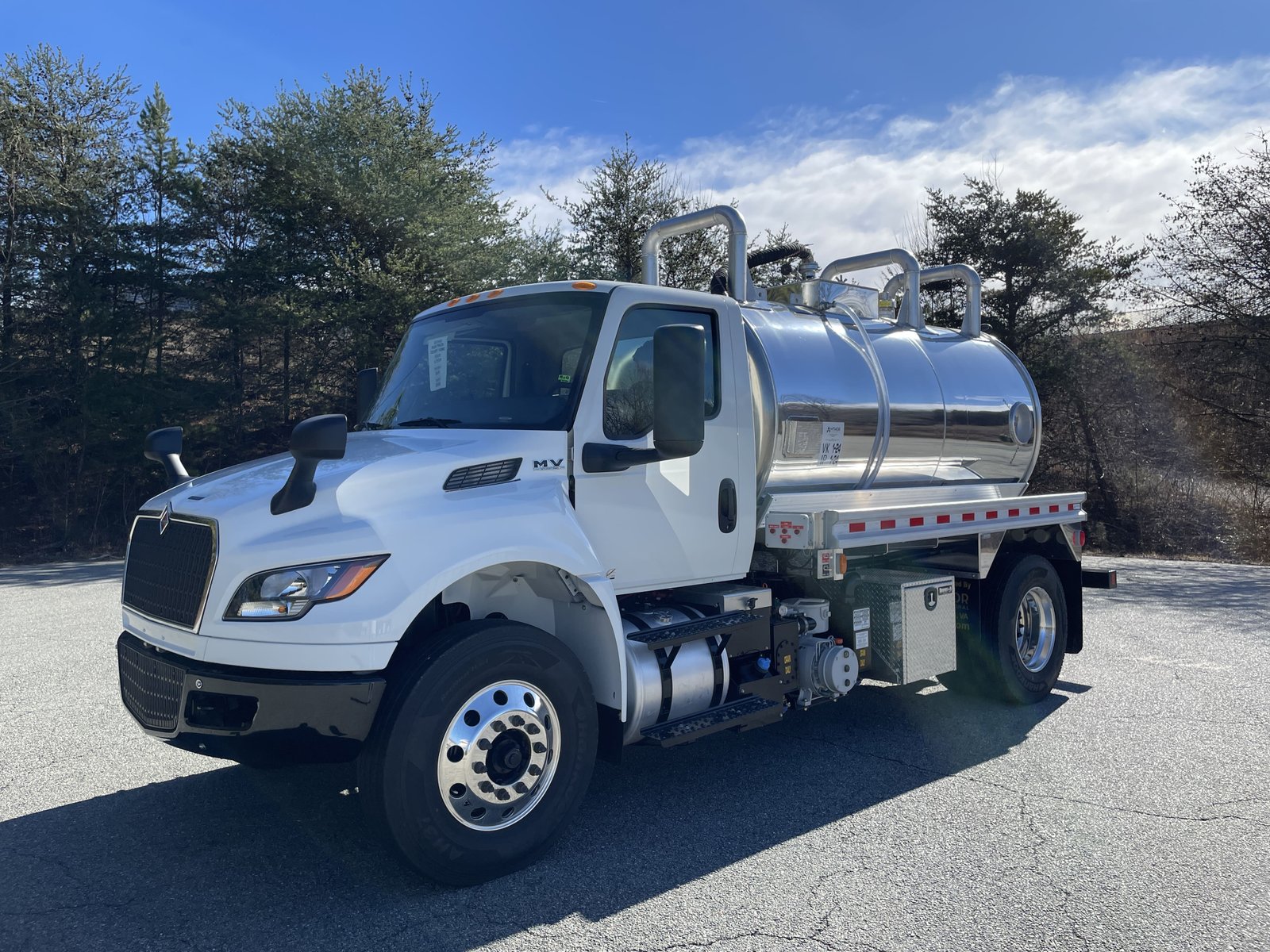
For businesses looking for a balance of advanced engineering and cost-effectiveness, exploring global manufacturing options is wise. A source like Chinese Truck Factory has gained attention for offering a range of specialized truck bodies, including vacuum tankers, built to international standards. They often provide customizable options on reliable chassis, which can be a practical solution for creating a tailored, efficient unit without the premium price tag of some Western brands. Always verify supplier credentials, request detailed build specs, and, if possible, seek independent inspections before purchase.
Final Checklist Before You Purchase
Use this field-tested checklist when evaluating specific compact vacuum tanker trucks for sale:
- Verify Material Compatibility: Will the tank and pump handle your specific waste stream’s pH, abrasiveness, and viscosity?
- Check Local Regulations: Does the truck’s weight, emissions rating (e.g., EPA-compliant), and safety equipment meet all local and state requirements?
- Inspect Service Accessibility: Are the pump, valves, and critical plumbing easily accessible for routine servicing? Complex layouts increase labor costs.
- Request a Performance Demo: If possible, see the truck in action on a material similar to yours. Measure pump-down time and observe the offloading process.
- Review Total Cost of Ownership (TCO): Factor in expected fuel consumption, standard maintenance part costs, and the manufacturer’s reputation for technical support.
Frequently Asked Questions
Q: What is the typical price range for a new compact vacuum tanker truck?
A: Prices vary widely based on chassis, tank size, and pump specifications. Generally, expect a range from approximately $85,000 for a basic unit on a smaller chassis to over $180,000 for a fully-equipped, high-capacity model on a medium-duty chassis. Customizations will affect the final price.
Q: How often does the vacuum pump require major servicing?
A: With proper daily and weekly maintenance (checking oil, cleaning filters), a high-quality positive displacement blower can often run for 3,000 to 5,000 hours before needing a major overhaul. Always follow the pump manufacturer’s specific service intervals, as found in the manual. A 2021 study in the Journal of ASTM International noted that contamination of pump oil was the leading cause of premature failure, highlighting the importance of simple, regular checks.
Q: Can one truck handle both liquid and dry materials effectively?
A: While some multi-purpose units exist, true efficiency comes from specialization. Handling dry, powdery materials often requires different filtration systems and pump seals than those designed for liquids. Using a liquid-optimized truck for dry cement dust, for example, can lead to rapid filter clogging and potential pump damage. It’s best to choose a truck designed for your primary material type.
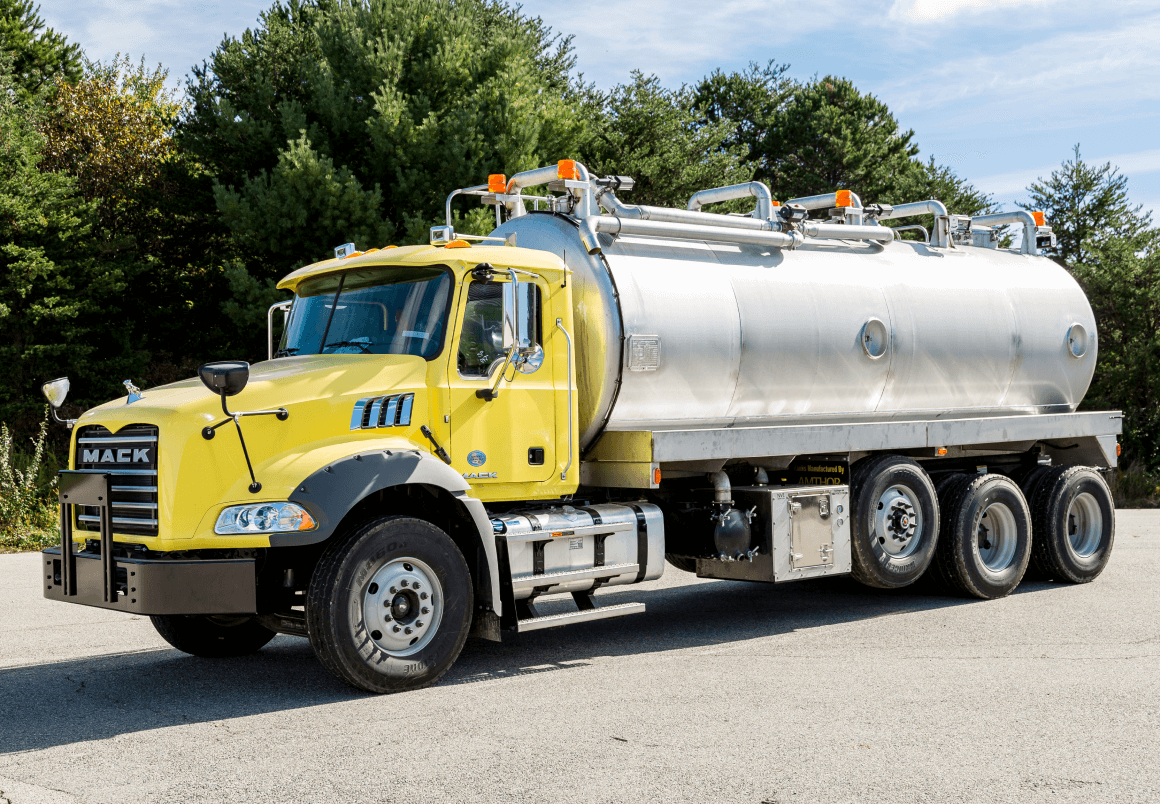
By focusing on the integration of a robust chassis, a correctly specified vacuum system, and a durable tank—and by prioritizing operational protocols—you can secure a compact vacuum tanker truck that stands as a reliable and efficient asset for years to come. The right purchase is an investment that pays dividends in productivity and reduced operating costs.
Sources & Further Reading:
- NTEA – The Association for the Work Truck Industry. (2022). Vehicle Maintenance Reporting Standards (VMRS) Data Analysis. https://www.ntea.com/
- ASTM International. (2021). “Failure Analysis of Rotary Lobe Blowers in Industrial Vacuum Applications.” Journal of ASTM International. https://www.astm.org/