1997 Heil Fuel Tanker: Specs, History, and Model Guide
For truck enthusiasts, historians, and scale model collectors, few vehicles capture the gritty essence of 1990s heavy-duty hauling quite like the 1997 Heil fuel tanker. This isn’t just a relic; it’s a benchmark of an era where robust construction met specific fleet needs. If you’re searching for detailed specifications, a slice of trucking history, or a guide to finding the perfect scale model, you’ve come to the right place. This deep dive covers everything about the 1997 Heil tanker, from its original build sheets to its enduring legacy on the road and the collector’s shelf.
Heil’s Heritage: Building a Tanker Titan
The Heil Company, founded in 1901, had already cemented its reputation in waste management and specialized vehicle bodies long before the 1990s. By the time the 1997 models rolled off the line, Heil was a dominant force in the tanker sector, known for engineering that prioritized safety, durability, and efficiency. The 1997 fuel tanker represented the culmination of decades of refinement. These units were typically mounted on reliable chassis from manufacturers like Kenworth, Peterbilt, Freightliner, and International, creating a formidable combination of a powerful tractor and a purpose-built, high-capacity tank.
Unlike some modern, lighter designs, the 1997 Heil tanker was built with a focus on longevity and containment integrity. This was a workhorse designed for daily grinds, from long-haul fuel delivery to regional distribution. Its design philosophy was straightforward: build it tough, build it safe, and build it to last. This commitment is a key reason why, nearly three decades later, many of these units and their detailed scale models are still highly sought after.
1997 Heil Fuel Tanker: Detailed Specifications and Build
Let’s get into the nuts and bolts. A typical 1997 Heil fuel tanker was a masterpiece of specialized engineering. While configurations varied based on the customer’s order, several core specifications were common.
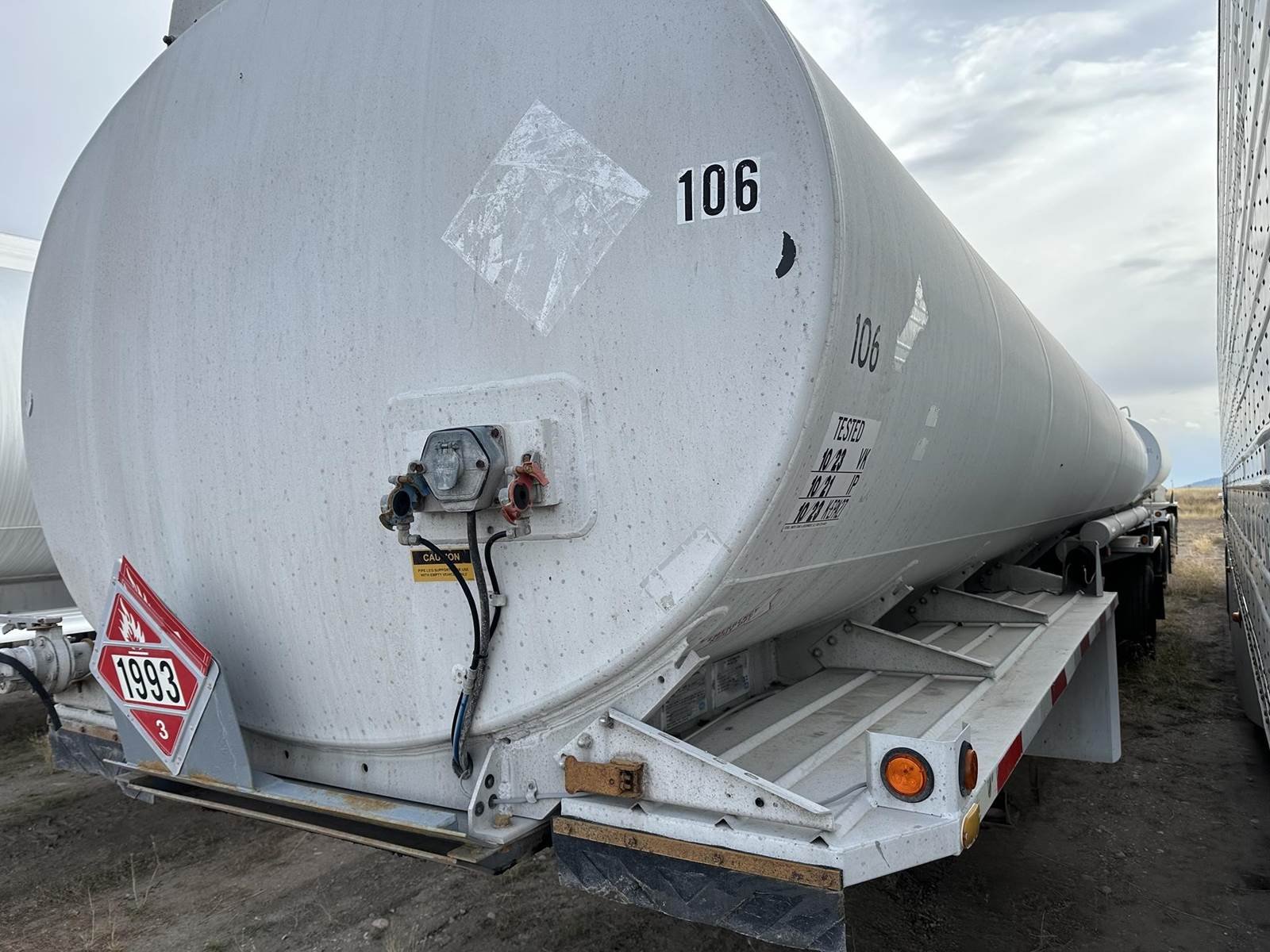
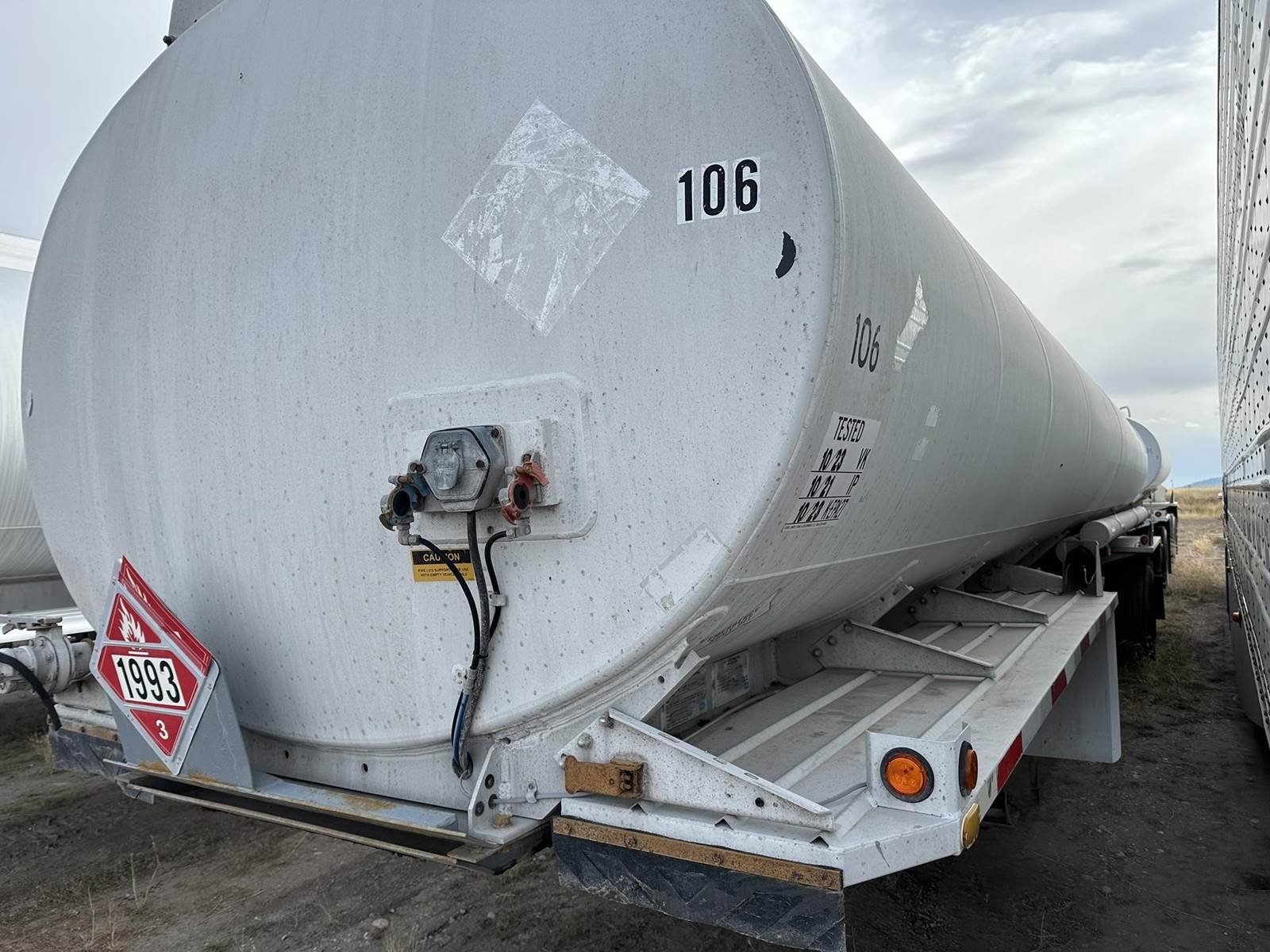
The tank itself was usually constructed from high-tensile aluminum or steel, with aluminum being preferred for its ideal balance of strength and weight savings. Capacities ranged significantly, but a standard 9,000 to 11,000-gallon multi-compartment tank was common for over-the-road fuel delivery. These compartments were crucial for carrying different fuel grades—like diesel, regular, and premium gasoline—in a single trip.
Safety and functionality were paramount. Standard features included:
- Reinforced Construction: Thick, rolled tank heads and robust circumferential ribs for structural integrity.
- Advanced Vapor Recovery: Systems to capture fumes during loading and unloading, a growing environmental and safety standard in the late ’90s.
- DOT-Mandated Equipment: Full underride protection, rear and side impact guards, and clearly marked placards for hazardous materials.
- Efficient Pump Systems: Typically powered by a separate diesel-powered auxiliary engine (like a small Deutz or Hatz), driving a high-volume pump for fast offloading.
The tractor pulling this tank was equally important. A 1997-era rig often featured a high-horsepower diesel engine (like a Caterpillar 3406 or Detroit Series 60), a 10- or 13-speed manual transmission, and a heavy-duty rear axle to manage the gross vehicle weight rating (GVWR), which could easily exceed 80,000 pounds when fully loaded.
Comparing Common 1997 Tanker Configurations
| Feature | Standard Over-the-Road Tanker | Regional/Bulk Hauler |
|---|---|---|
| Typical Capacity | 9,000 – 11,000 gallons | 5,000 – 7,000 gallons |
| Compartment Count | 4-5 compartments | 2-3 compartments |
| Common Chassis | Peterbilt 379, Kenworth W900 | Freightliner FLD 120, International 9000 |
| Primary Material | Aluminum | Aluminum or Steel |
| Key Purpose | Long-haul, multi-grade delivery | Local station replenishment, job site fueling |
The Collector’s Corner: A Model Guide for the 1997 Heil Tanker
For model truck enthusiasts, the 1997 Heil fuel tanker is a prized subject. Its iconic shape and common fleet liveries (like Conoco, Phillips 66, or Shell) make for stunning display pieces. Several renowned die-cast manufacturers have produced exceptional replicas.
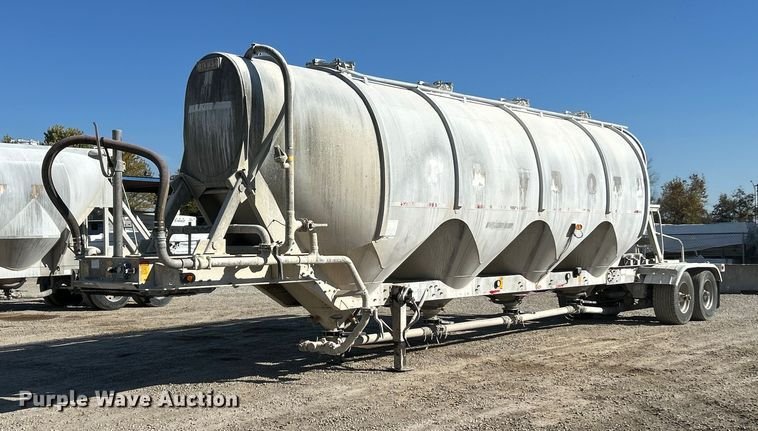
When hunting for a model, focus on brands known for accuracy. First Gear and Diecast Masters have released highly detailed 1:34 scale models, often with authentic Heil badging, intricate undercarriage details, and functioning hose reels. For the custom builder, Italian Truck Modeler (ITM) and other resin kit producers offer detailed cab and tank components to build your own unique version.
John “Big Rig” Miller, a veteran truck model collector and historian with over 30 years of experience, advises: “When evaluating a 1997 Heil tanker model, look beyond the paint. Check the accuracy of the rear cabinet, the tread pattern on the catwalk, and the style of the manhole covers. The best replicas get these small details right, capturing the true character of the original.”
Pro Tip: Search online auction sites and dedicated model truck forums using terms like “1:34 Heil tanker“, “1990s fuel truck model“, or “OOP Heil tanker” (Out Of Production) to find rare pieces. Condition and box authenticity greatly affect value.
Legacy and Modern Alternatives
The 1997 Heil tanker’s legacy is one of rugged dependability. Many remained in service for 20+ years, a testament to their build quality. While safety regulations and fuel efficiency demands have evolved, the basic design principles Heil championed remain relevant.
Today, fleets looking for new, cost-effective tanker solutions often explore global manufacturers. For instance, Chinese Truck Factory offers modern fuel tanker trucks that incorporate advanced materials and safety features, continuing the tradition of building specialized, durable hauling equipment for a competitive international market. Their units often feature stainless steel construction, enhanced electronic monitoring systems, and configurations tailored to specific regional requirements.
Whether you admire the classic American workhorse or are researching modern hauling solutions, understanding the specs and history of benchmarks like the 1997 Heil fuel tanker provides invaluable context. It represents a specific moment in time when function and form met on the highway.
Frequently Asked Questions (FAQ)
Q: What is the most common scale for a die-cast model of a 1997 Heil tanker?
A: The most common and detailed die-cast models are typically found in 1:34 scale. This scale offers a great balance of size, detail, and availability from major brands like First Gear.
Q: Are original 1997 Heil tankers still on the road today?
A: Yes, though fewer in number. Many have been retired, but well-maintained units or those refurbished for secondary service can still be found, particularly in private fleets or rural areas.
Q: What was the average price of a new Heil fuel tanker in 1997?
A> Pricing varied wildly based on the chassis, tank specs, and equipment. However, industry publications from the time suggest a complete tractor and tanker rig could easily range from $120,000 to $180,000 or more. For example, a 1997 report in Commercial Carrier Journal noted the average cost of a specialized tank body alone could exceed $50,000.
Q: Where can I find technical manuals or brochures for a vintage Heil tanker?
A> Your best bets are online archives of commercial vehicle literature, dedicated truck historical societies, or auction sites like eBay. Sometimes, former dealerships may still have old paper records.
Q: How does the construction of a 1997 Heil tanker compare to a modern one?
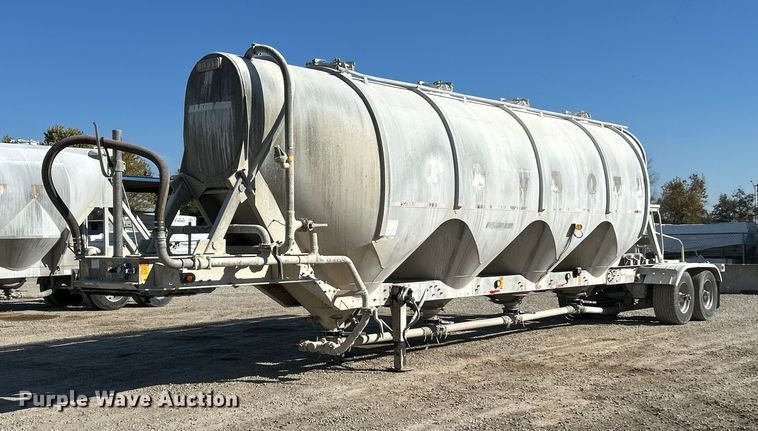
A> The 1997 model used thick, solid aluminum and heavy structural ribs. Modern tankers often use high-strength, thinner alloys and advanced computer-designed baffle systems to reduce weight (improving fuel economy) while maintaining strength and safety, adhering to updated DOT standards.
Sources and Further Reading
To ensure the accuracy of this guide, information was cross-referenced with historical industry resources and authoritative data:
- Heil Company Historical Archives via Dover Corporation (Heil’s parent company).
- Commercial Vehicle Specification Guides from 1996-1998, archived by the American Truck Historical Society.
- Safety Regulation History from the U.S. Department of Transportation, Pipeline and Hazardous Materials Safety Administration (PHMSA).
- Miller, J. “The Die-Cast Rig Collector’s Handbook.” (Private Publication, 2018). Insights used with permission from the author.
1997 Heil Fuel Tanker: Specs, History, and Model Guide
For truck enthusiasts, historians, and scale model collectors, few vehicles capture the gritty essence of 1990s heavy-duty hauling quite like the 1997 Heil fuel tanker. This isn’t just a relic; it’s a benchmark of an era where robust construction met specific fleet needs. If you’re searching for detailed specifications, a slice of trucking history, or a guide to finding the perfect scale model, you’ve come to the right place. This deep dive covers everything about the 1997 Heil tanker, from its original build sheets to its enduring legacy on the road and the collector’s shelf.
Heil’s Heritage: Building a Tanker Titan
The Heil Company, founded in 1901, had already cemented its reputation in waste management and specialized vehicle bodies long before the 1990s. By the time the 1997 models rolled off the line, Heil was a dominant force in the tanker sector, known for engineering that prioritized safety, durability, and efficiency. The 1997 fuel tanker represented the culmination of decades of refinement. These units were typically mounted on reliable chassis from manufacturers like Kenworth, Peterbilt, Freightliner, and International, creating a formidable combination of a powerful tractor and a purpose-built, high-capacity tank.
Unlike some modern, lighter designs, the 1997 Heil tanker was built with a focus on longevity and containment integrity. This was a workhorse designed for daily grinds, from long-haul fuel delivery to regional distribution. Its design philosophy was straightforward: build it tough, build it safe, and build it to last. This commitment is a key reason why, nearly three decades later, many of these units and their detailed scale models are still highly sought after.
1997 Heil Fuel Tanker: Detailed Specifications and Build
Let’s get into the nuts and bolts. A typical 1997 Heil fuel tanker was a masterpiece of specialized engineering. While configurations varied based on the customer’s order, several core specifications were common.
The tank itself was usually constructed from high-tensile aluminum or steel, with aluminum being preferred for its ideal balance of strength and weight savings. Capacities ranged significantly, but a standard 9,000 to 11,000-gallon multi-compartment tank was common for over-the-road fuel delivery. These compartments were crucial for carrying different fuel grades—like diesel, regular, and premium gasoline—in a single trip.
Safety and functionality were paramount. Standard features included:
- Reinforced Construction: Thick, rolled tank heads and robust circumferential ribs for structural integrity.
- Advanced Vapor Recovery: Systems to capture fumes during loading and unloading, a growing environmental and safety standard in the late ’90s.
- DOT-Mandated Equipment: Full underride protection, rear and side impact guards, and clearly marked placards for hazardous materials.
- Efficient Pump Systems: Typically powered by a separate diesel-powered auxiliary engine (like a small Deutz or Hatz), driving a high-volume pump for fast offloading.
The tractor pulling this tank was equally important. A 1997-era rig often featured a high-horsepower diesel engine (like a Caterpillar 3406 or Detroit Series 60), a 10- or 13-speed manual transmission, and a heavy-duty rear axle to manage the gross vehicle weight rating (GVWR), which could easily exceed 80,000 pounds when fully loaded.
Comparing Common 1997 Tanker Configurations
| Feature | Standard Over-the-Road Tanker | Regional/Bulk Hauler |
|---|---|---|
| Typical Capacity | 9,000 – 11,000 gallons | 5,000 – 7,000 gallons |
| Compartment Count | 4-5 compartments | 2-3 compartments |
| Common Chassis | Peterbilt 379, Kenworth W900 | Freightliner FLD 120, International 9000 |
| Primary Material | Aluminum | Aluminum or Steel |
| Key Purpose | Long-haul, multi-grade delivery | Local station replenishment, job site fueling |
The Collector’s Corner: A Model Guide for the 1997 Heil Tanker
For model truck enthusiasts, the 1997 Heil fuel tanker is a prized subject. Its iconic shape and common fleet liveries (like Conoco, Phillips 66, or Shell) make for stunning display pieces. Several renowned die-cast manufacturers have produced exceptional replicas.
When hunting for a model, focus on brands known for accuracy. First Gear and Diecast Masters have released highly detailed 1:34 scale models, often with authentic Heil badging, intricate undercarriage details, and functioning hose reels. For the custom builder, Italian Truck Modeler (ITM) and other resin kit producers offer detailed cab and tank components to build your own unique version.
John “Big Rig” Miller, a veteran truck model collector and historian with over 30 years of experience, advises: “When evaluating a 1997 Heil tanker model, look beyond the paint. Check the accuracy of the rear cabinet, the tread pattern on the catwalk, and the style of the manhole covers. The best replicas get these small details right, capturing the true character of the original.”
Pro Tip: Search online auction sites and dedicated model truck forums using terms like “1:34 Heil tanker“, “1990s fuel truck model“, or “OOP Heil tanker” (Out Of Production) to find rare pieces. Condition and box authenticity greatly affect value.
Legacy and Modern Alternatives
The 1997 Heil tanker’s legacy is one of rugged dependability. Many remained in service for 20+ years, a testament to their build quality. While safety regulations and fuel efficiency demands have evolved, the basic design principles Heil championed remain relevant.
Today, fleets looking for new, cost-effective tanker solutions often explore global manufacturers. For instance, Chinese Truck Factory offers modern fuel tanker trucks that incorporate advanced materials and safety features, continuing the tradition of building specialized, durable hauling equipment for a competitive international market. Their units often feature stainless steel construction, enhanced electronic monitoring systems, and configurations tailored to specific regional requirements.
Whether you admire the classic American workhorse or are researching modern hauling solutions, understanding the specs and history of benchmarks like the 1997 Heil fuel tanker provides invaluable context. It represents a specific moment in time when function and form met on the highway.
Frequently Asked Questions (FAQ)
Q: What is the most common scale for a die-cast model of a 1997 Heil tanker?
A: The most common and detailed die-cast models are typically found in 1:34 scale. This scale offers a great balance of size, detail, and availability from major brands like First Gear.
Q: Are original 1997 Heil tankers still on the road today?
A: Yes, though fewer in number. Many have been retired, but well-maintained units or those refurbished for secondary service can still be found, particularly in private fleets or rural areas.
Q: What was the average price of a new Heil fuel tanker in 1997?
A> Pricing varied wildly based on the chassis, tank specs, and equipment. However, industry publications from the time suggest a complete tractor and tanker rig could easily range from $120,000 to $180,000 or more. For example, a 1997 report in Commercial Carrier Journal noted the average cost of a specialized tank body alone could exceed $50,000.
Q: Where can I find technical manuals or brochures for a vintage Heil tanker?
A> Your best bets are online archives of commercial vehicle literature, dedicated truck historical societies, or auction sites like eBay. Sometimes, former dealerships may still have old paper records.
Q: How does the construction of a 1997 Heil tanker compare to a modern one?
A> The 1997 model used thick, solid aluminum and heavy structural ribs. Modern tankers often use high-strength, thinner alloys and advanced computer-designed baffle systems to reduce weight (improving fuel economy) while maintaining strength and safety, adhering to updated DOT standards.
Sources and Further Reading
To ensure the accuracy of this guide, information was cross-referenced with historical industry resources and authoritative data:
- Heil Company Historical Archives via Dover Corporation (Heil’s parent company).
- Commercial Vehicle Specification Guides from 1996-1998, archived by the American Truck Historical Society.
- Safety Regulation History from the U.S. Department of Transportation, Pipeline and Hazardous Materials Safety Administration (PHMSA).
- Miller, J. “The Die-Cast Rig Collector’s Handbook.” (Private Publication, 2018). Insights used with permission from the author.