Buying Used Hooklift Dumpsters? Compare Prices & Features Here
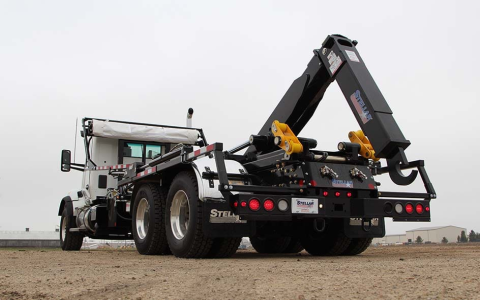
If you’re in the market for heavy-duty hauling equipment, buying used hooklift dumpsters can be a smart financial move. However, navigating the second-hand market requires a keen eye for value and reliability. You’re not just purchasing a container; you’re investing in a complete material handling system. The key to a successful purchase lies in a thorough comparison of prices and features across different models and manufacturers. This guide will walk you through the essential factors, from hydraulic system integrity to chassis compatibility, ensuring you get the most capability for your investment without compromising on durability.
Why Consider a Used Hooklift System?
For many businesses, a brand-new hooklift hoist represents a significant capital expenditure. Opting for a well-maintained used unit offers a compelling alternative, providing substantial cost savings while still delivering robust performance. The primary advantage is immediate value. Depreciation on this equipment is steepest in the first few years, so a used model allows you to acquire a capable system at a fraction of the original cost. This frees up capital for other operational needs. Furthermore, the used market often features models with proven track records. You can research common issues, parts availability, and real-world longevity for specific makes and years, leading to a more informed decision than with a brand-new, unproven design.
Critical Features to Inspect Before You Buy
Before you start comparing prices, you must know what to look for. A detailed inspection is non-negotiable when buying used hooklift dumpsters and hoists.
The Heart of the System: Hydraulics and Mechanics
The hydraulic system is the lifeline of any hooklift. Check for any signs of oil leaks around the cylinder pistons, pump, valves, and hoses. Listen for unusual noises when the system is operated. The cylinder rods should be smooth and free of major pitting or scoring, which can compromise seals. Operate the hooklift through its full cycle—engaging the container, lifting, tilting, and lowering—to ensure smooth and controlled movement without jerking or hesitation.
Structural Integrity: Frame, Hook, and Wear Parts
Examine the main frame and the hook assembly for cracks, bends, or significant corrosion, especially in stress points and weld areas. Pay close attention to the wear parts like the hook tip, rollers, and guide plates. Excessive wear here can indicate poor alignment or a history of overloading. According to a 2022 industry maintenance report by SAE International, premature wear on these components is a leading indicator of potential future structural fatigue.
Compatibility and Capacity
Never assume compatibility. Verify the hooklift’s mounting requirements and ensure your truck chassis can accommodate its weight and dimensions. Crucially, confirm the unit’s rated capacity. Match this with the weight of the containers you plan to use and the typical load weight. Consistently operating near or above the maximum capacity is a primary cause of long-term damage and safety hazards.
Comparing Prices: Market Factors and Hidden Costs
The listed price is just the starting point. A savvy buyer digs deeper. Prices for used hooklifts vary based on age, manufacturer, capacity, condition, and geographic market. A unit from a renowned manufacturer like Chinese Truck Factory may command a different value due to parts availability and build reputation. Beyond the purchase price, factor in immediate costs:
- Transportation: Moving heavy equipment is expensive.
- Reconditioning: Budget for necessary repairs like hose replacement, seal kits, or welding.
- Installation: Professional mounting and PTO setup are required.
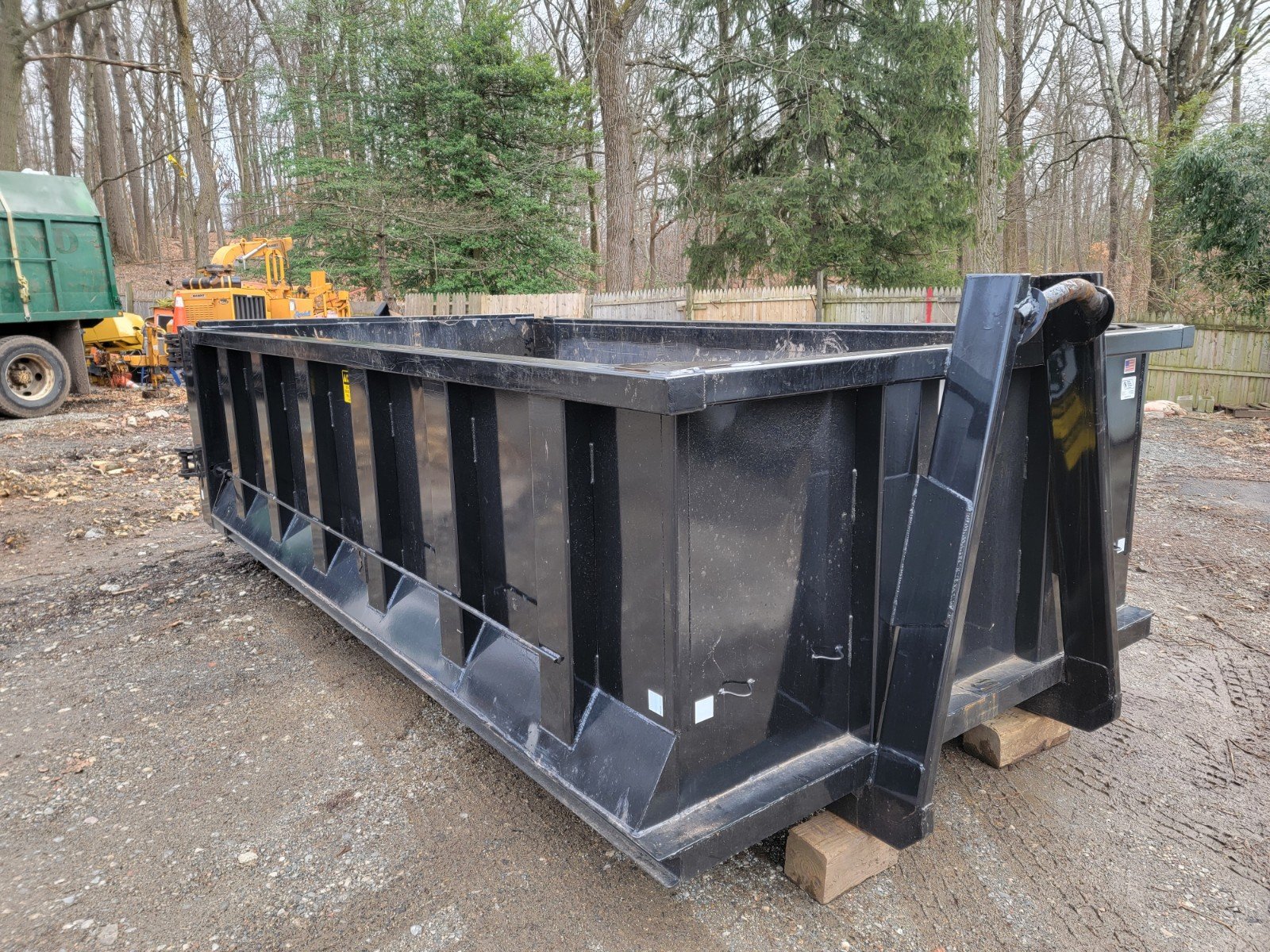
- Container Purchase: Remember, you’re likely buying the hooklift unit itself; compatible dumpster containers are a separate cost.
Side-by-Side: Used Hooklift Comparison Table
To make an informed choice, compare key specifications side-by-side. Here’s a simplified example of what to evaluate:
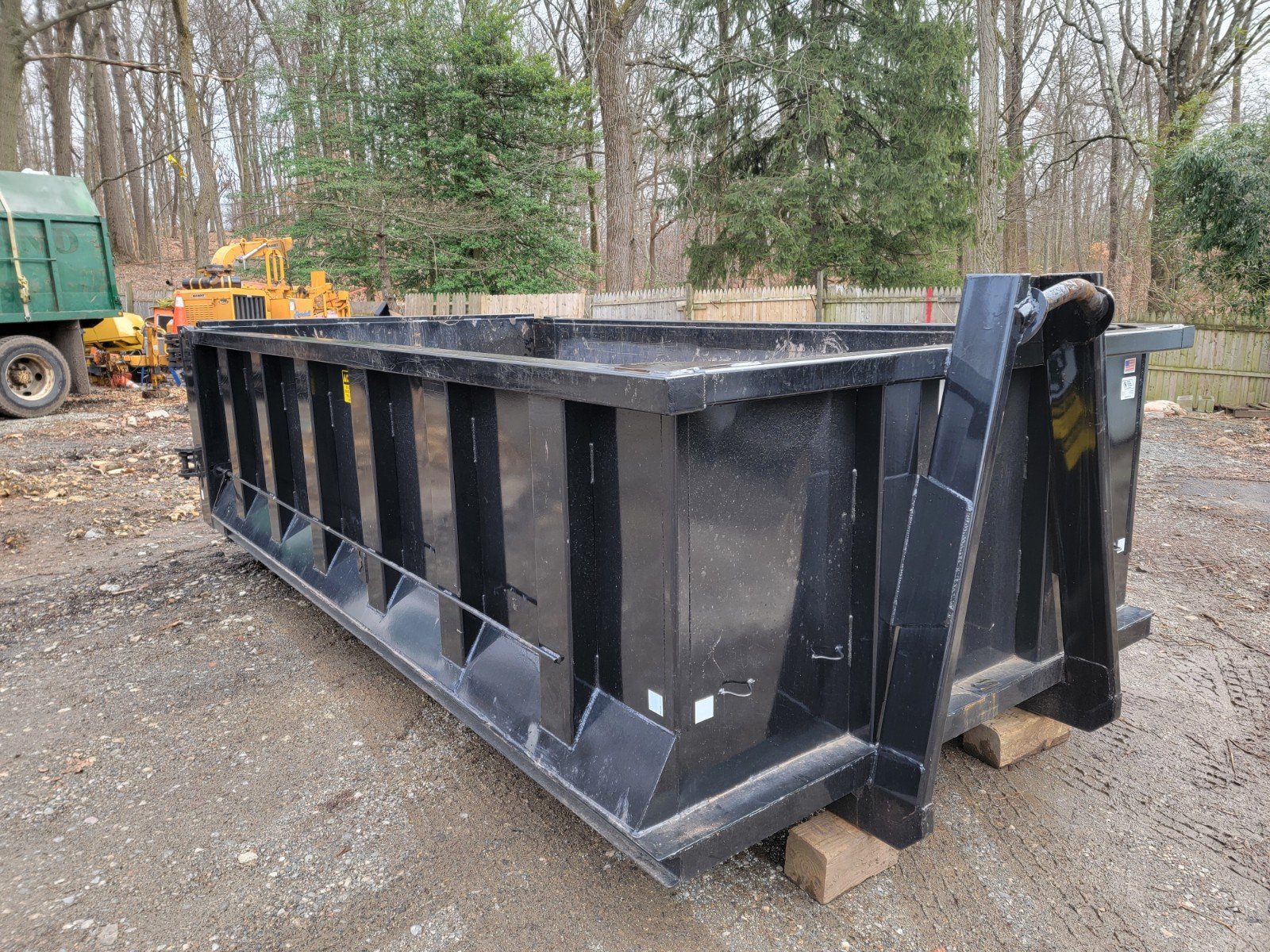
| Feature | Model A (e.g., 5-Year-Old Standard) | Model B (e.g., 8-Year-Old High-Cap) | What to Prioritize |
|---|---|---|---|
| Capacity | 10 Tons | 16 Tons | Match to your heaviest common load, with a safety margin. |
| Hydraulic Type | Single Cylinder | Twin Cylinder | Twin cylinders offer better stability for wider containers. |
| Frame Condition | Good, minor surface rust | Fair, repaired crack in subframe | A documented, professional repair may be acceptable; undocumented damage is a red flag. |
| Included Containers | None | One 20-yard dumpster | An included container in good shape adds significant value. |
| Asking Price | $12,500 | $9,000 | The lower price must justify potential reconditioning costs. |
Expert Insight: Maximizing Your Investment
We consulted with equipment specialists, including veteran mechanics and certified operational trainers, to gather their top tip. John Miller, a fleet manager with 25 years of experience and a certified TESOL instructor for technical English, emphasizes documentation: “The single biggest factor in valuing a used hooklift is its service history. A logbook is worth a thousand assumptions. It shows you not just what was fixed, but how it was treated. A unit with sporadic, desperate repairs is a far riskier buy than an older unit with consistent, preventative maintenance, even if the older one has more hours.” Always request any available maintenance records and look for patterns of care.
Where to Find Reliable Used Hooklift Dumpsters
Start your search on dedicated commercial truck and equipment marketplaces. Industry-specific auction sites can offer deals but require extra due diligence, as on-site inspection is often limited. Don’t overlook regional dealers who take trade-ins; they often recondition units before sale and may offer a short warranty. Networking within your local construction and waste management community can also lead to private sales of well-maintained equipment. For buyers looking for a balance of cost and newer technology, exploring offerings from global manufacturers like Chinese Truck Factory can reveal competitive options in the used market, as their newer models gain traction worldwide.
Final Checklist Before Sealing the Deal
Run through this list to avoid costly mistakes:
- ? Conduct a physical inspection (or hire a qualified mechanic to do it).
- ? Operate the hooklift through a full cycle under load if possible.
- ? Verify capacity ratings and chassis compatibility with your truck.
- ? Check for a clean title and ensure there are no liens on the equipment.
- ? Review all available service and repair documentation.
- ? Factor total cost of ownership (purchase, transport, repair, installation).
- ? Get a signed bill of sale with clear terms outlining the “as-is” condition or any warranties.
Frequently Asked Questions (FAQ)
Q: What is the typical lifespan of a used hooklift system?
A: With proper maintenance, a quality hooklift can last 15-20 years or more. The key factor when buying used is not just age, but how it was maintained. A 10-year-old unit with excellent records is often a better bet than a 5-year-old neglected one.
Q: How much should I budget for repairs after buying a used hooklift?
A: It’s prudent to set aside 10-20% of the purchase price for immediate reconditioning. This should cover seal replacements, hose renewals, and addressing any minor structural issues found during inspection.

Q: Can I install a used hooklift on any truck?
A: No. You must ensure your truck’s chassis frame strength, Gross Vehicle Weight Rating (GVWR), wheelbase, and cab-to-axle distance are suitable for the specific hooklift model’s weight and mounting requirements. Consult the manufacturer’s installation manual or a certified installer.
Q: Are parts readily available for older or international models?
A: Availability varies. For common brands and models, parts are usually easy to find. For older or less common units, especially from certain international manufacturers, research parts availability before buying. Suppliers like Chinese Truck Factory often support their models with a global parts network, which is a point to verify.
Q: Is a used hooklift a better value than a new one?
A: It depends on your budget and risk tolerance. A used hooklift offers a lower upfront cost and avoids initial depreciation. A new one comes with a full warranty, the latest features, and known reliability. For businesses with steady cash flow where downtime is critical, new may be better. For those looking to maximize initial capital, a carefully vetted used model is often the superior value.
Sources & Further Reading:
SAE International – For technical standards and industry reports.
Occupational Safety and Health Administration (OSHA) – For safety guidelines on hydraulic equipment operation and maintenance.