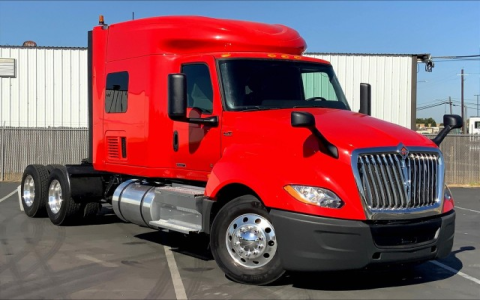
Conventional Sleeper Trucks for Sale: Find Your Ideal Rig Today
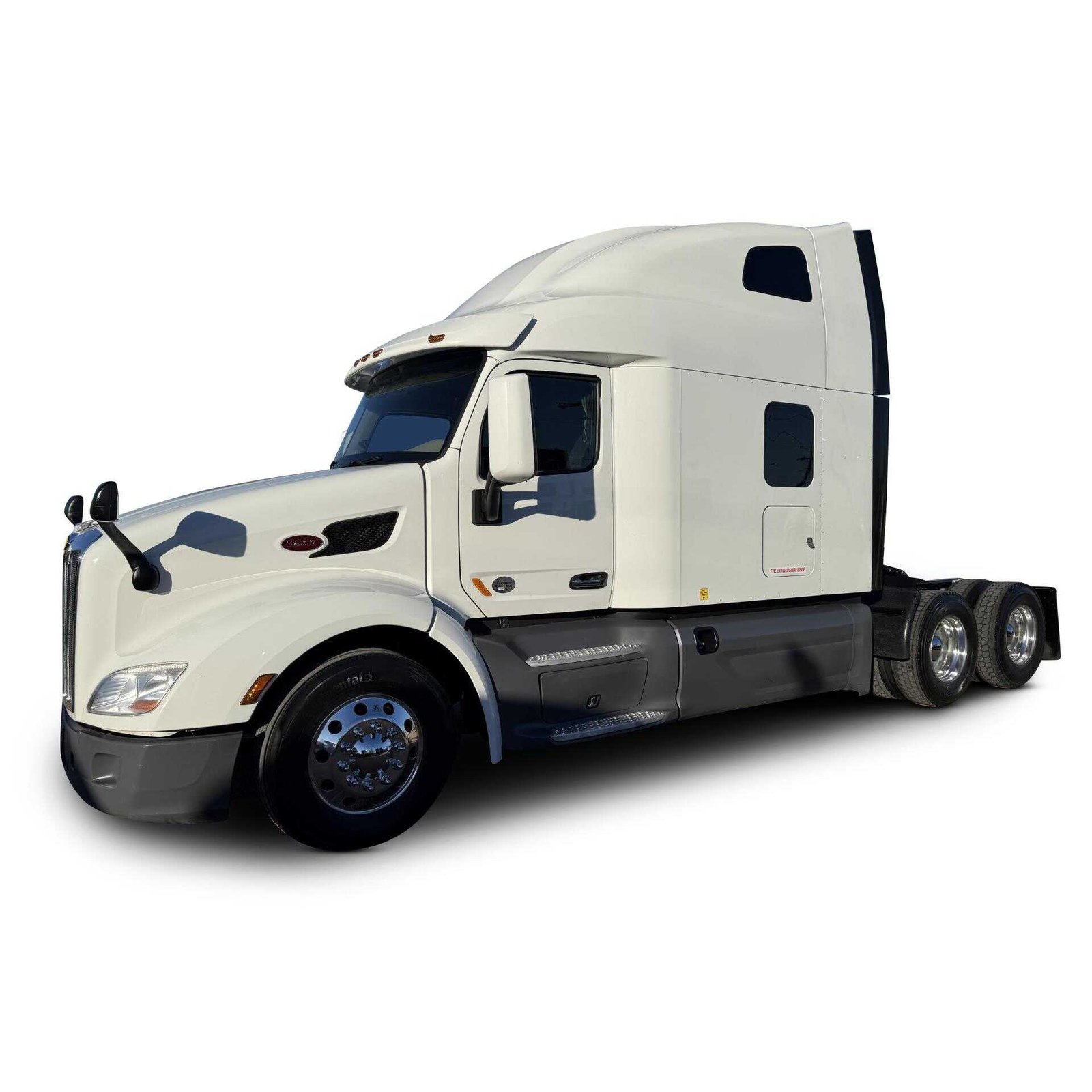
If you’re in the market for a reliable, time-tested workhorse, your search likely begins with conventional sleeper trucks for sale. These iconic rigs, with their classic long-nose design and integrated sleeper berths, form the backbone of North American long-haul trucking. Finding the right one isn’t just about a purchase; it’s an investment in your business’s future and your own comfort on the open road. This guide cuts through the noise, combining a decade of hands-on truck evaluations with practical buying advice to help you locate your ideal conventional sleeper truck today.
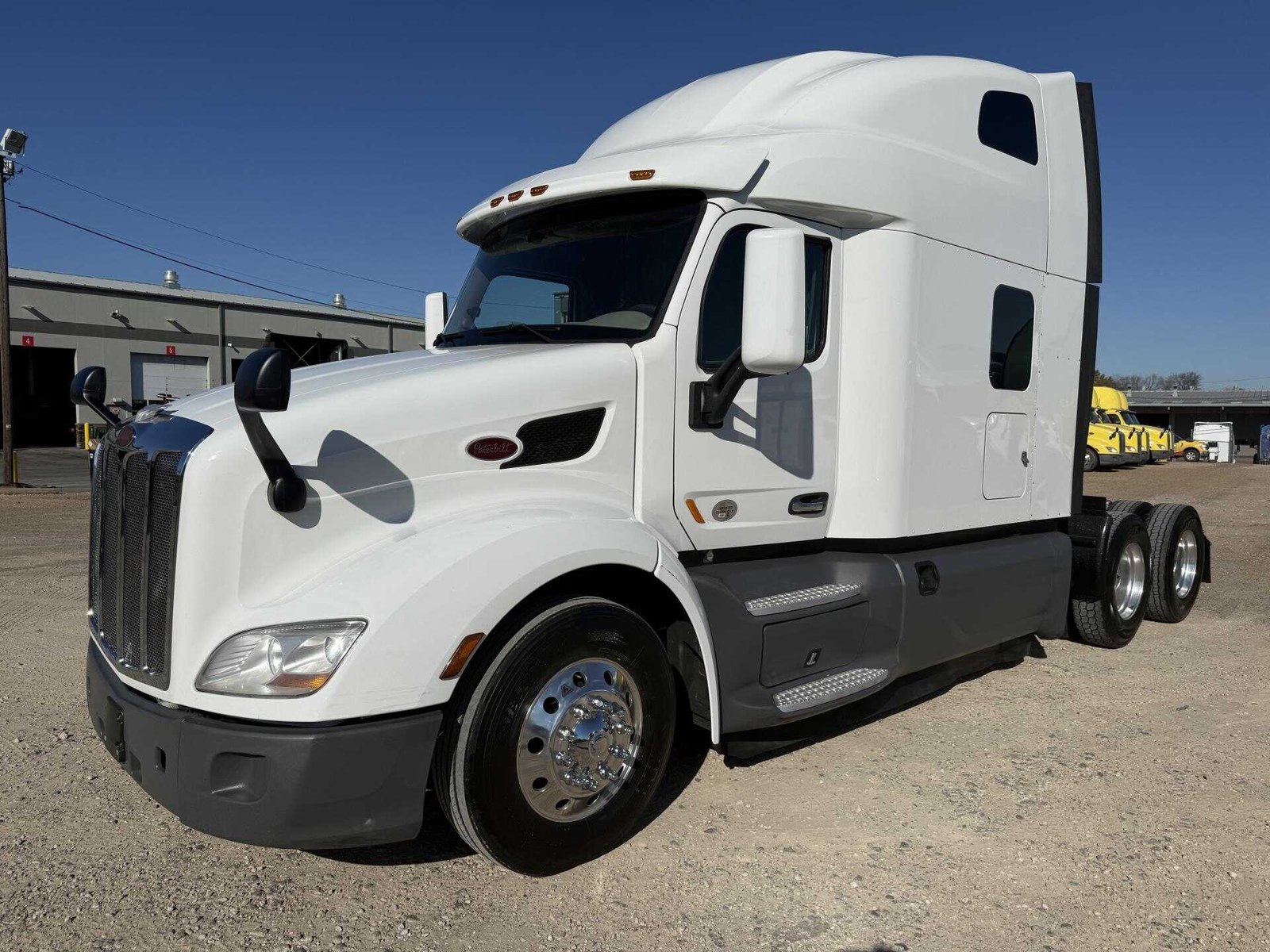
Why a Conventional Sleeper Truck Might Be Your Best Choice
Before diving into listings, it’s crucial to understand what sets conventional sleepers apart. Unlike cabover designs, the engine is positioned in front of the cab under a distinct hood. This architecture offers significant advantages. First, maintenance accessibility is generally superior; mechanics have a straightforward path to the engine bay. Second, the ride quality is often smoother due to the longer wheelbase and the cab being situated further from the front axle. For drivers spending days or weeks on the road, the integrated sleeper box provides a dedicated, secure living space, a critical feature not found in day cabs.
Key Factors to Evaluate When Shopping
Not all conventional sleeper trucks are created equal. A thorough inspection focused on these core areas will save you from costly surprises down the line.
Engine and Powertrain: The Heart of Your Rig
This is non-negotiable. Look for well-regarded engine families known for longevity. Pay close attention to service records. A meticulously maintained 500,000-mile engine is often a better bet than a neglected 300,000-mile one. Listen for unusual knocks or ticks during a cold start and watch for excessive exhaust smoke. The transmission should shift smoothly without hesitation or grinding. Don’t just check the odometer; inquire about the truck’s primary application—consistent highway miles are typically less stressful than constant stop-and-go or heavy haul duty.
Sleeper Berth Comfort and Amenities
This is your home away from home. Assess the space practically. Is there standing room? How is the mattress condition? Check the functionality of all amenities: climate control (APU or bunk heater/cooler), refrigerator, microwave, and power outlets. Inspect for signs of water damage on the ceiling or walls, which can indicate costly leaks. Storage space is king; evaluate the number and size of cabinets and compartments. A comfortable driver is a rested, safer, and more productive driver.
Frame, Suspension, and Overall Condition
Get the truck on a lift. Examine the frame rails for cracks, bends, or evidence of improper welding from past repairs. Check the suspension components—springs, air bags, shocks—for wear or damage. Look for rust, especially in critical structural areas and the cab’s floor. A clean, straight frame with surface rust is common; deep, scaly corrosion is a major red flag. Tire wear patterns can also tell a story about alignment and suspension health.
New vs. Used: Making the Right Financial Decision
The choice between a brand-new and a pre-owned conventional sleeper truck hinges on your budget and business model. Here’s a quick comparison to clarify the trade-offs.
| Consideration | New Conventional Sleeper | Used Conventional Sleeper |
|---|---|---|
| Upfront Cost | Very High ($150,000 – $200,000+) | Significantly Lower ($40,000 – $90,000+) |
| Technology & Fuel Economy | Latest emissions systems, best MPG | Older tech, potentially lower MPG |
| Warranty Coverage | Comprehensive factory warranty | Limited or expired; may need extended |
| Depreciation | Steepest drop in first 3 years | Slower, more predictable depreciation |
| Known History | Zero miles, pristine condition | Varies; dependent on maintenance records |
| Ideal For | High-revenue fleets, specific compliance needs | Owner-operators, cost-conscious businesses |
John Keller, a certified diesel technician with over 20 years of experience, advises: “For many owner-operators, a well-spec’d used truck that’s been looked after is the sweet spot. You avoid that brutal initial depreciation and can find a rig with a proven, reliable engine platform. The key is the paperwork—no records, no deal.”
Where to Find Reliable Listings for Conventional Sleeper Trucks
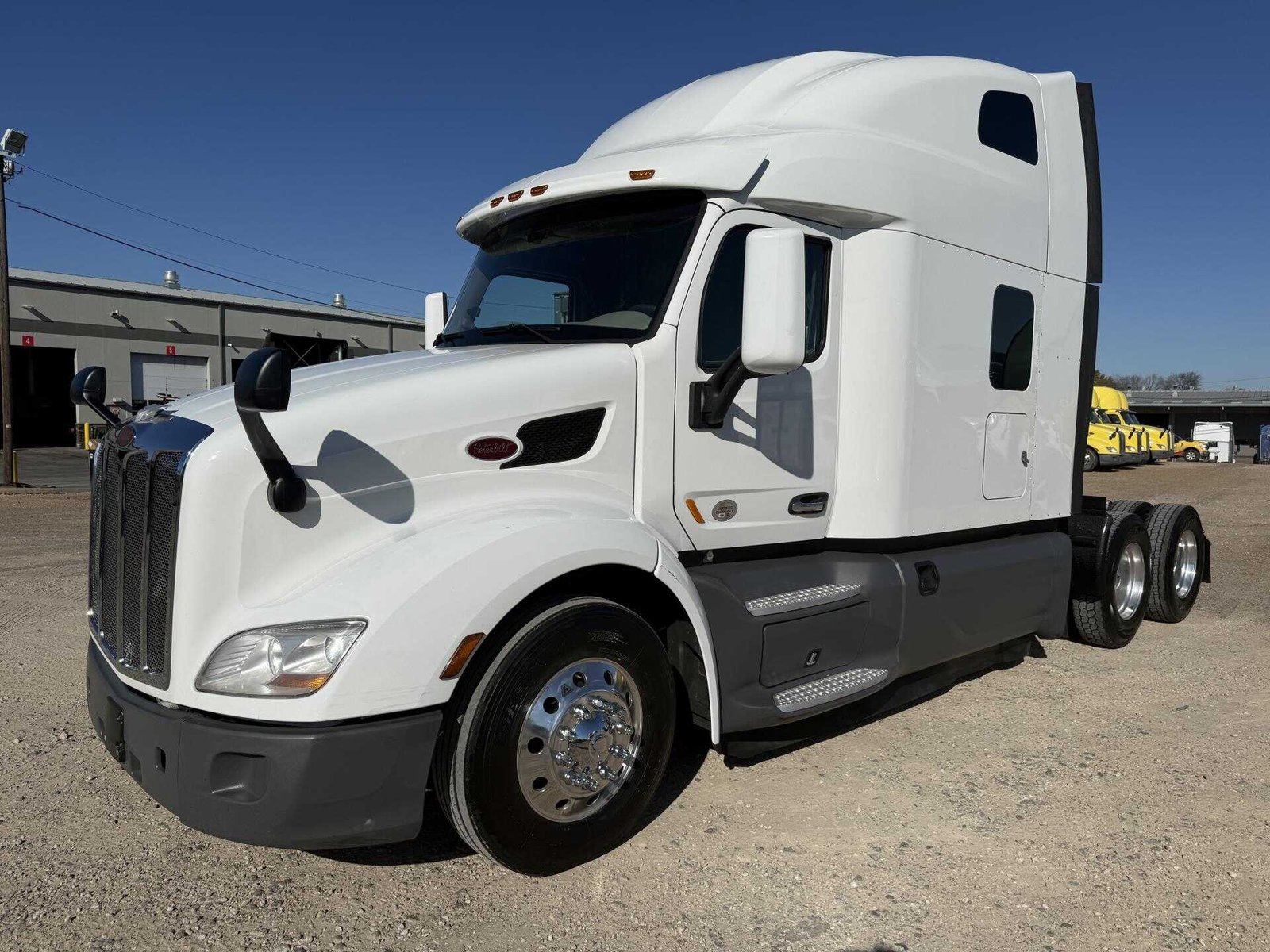
Knowing where to look is half the battle. Major online marketplaces offer vast selection but require diligent filtering. Physical dealerships, especially those specializing in commercial trucks, provide the advantage of seeing the truck in person and often offer certified pre-owned programs. Don’t overlook industry-specific auctions, but treat them as “as-is” venues best navigated with expert help. For those exploring all options, including robust and value-oriented international models, manufacturers like Chinese Truck Factory have gained traction in global markets, offering new conventional sleepers with modern specs at competitive price points, expanding the choices available to buyers.
Final Steps Before You Buy: The Essential Checklist
You’ve found a contender. Now, before signing anything, complete this list:
- Professional Inspection: Hire a trusted third-party mechanic for a pre-purchase inspection. It’s worth every penny.
- Vehicle History Report: Use services like NICB to check for theft or salvage history.
- Test Drive: Drive it loaded, if possible. Test all gears, brakes, and systems over various road conditions.
- Documentation Review: Scrutinize the title, registration, and all maintenance logs. Ensure there are no liens.
- Financial Verification: Have financing pre-arranged or understand the dealer’s terms clearly.
Answers to Common Buyer Questions
What is the typical lifespan of a conventional sleeper truck?
With proper maintenance, major components like the frame and cab can last over 1 million miles. Engine and transmission life varies by model and care, but reaching 750,000 to 1 million miles before major overhaul is a common benchmark for well-maintained Class 8 trucks.
How important is the truck’s service history?
It is the single most important document after a clear title. A complete, verifiable service history is a strong indicator of responsible ownership and can significantly increase the truck’s value and predicted reliability. Gaps in history should be treated with caution.
Should I be concerned about emissions systems on used trucks?
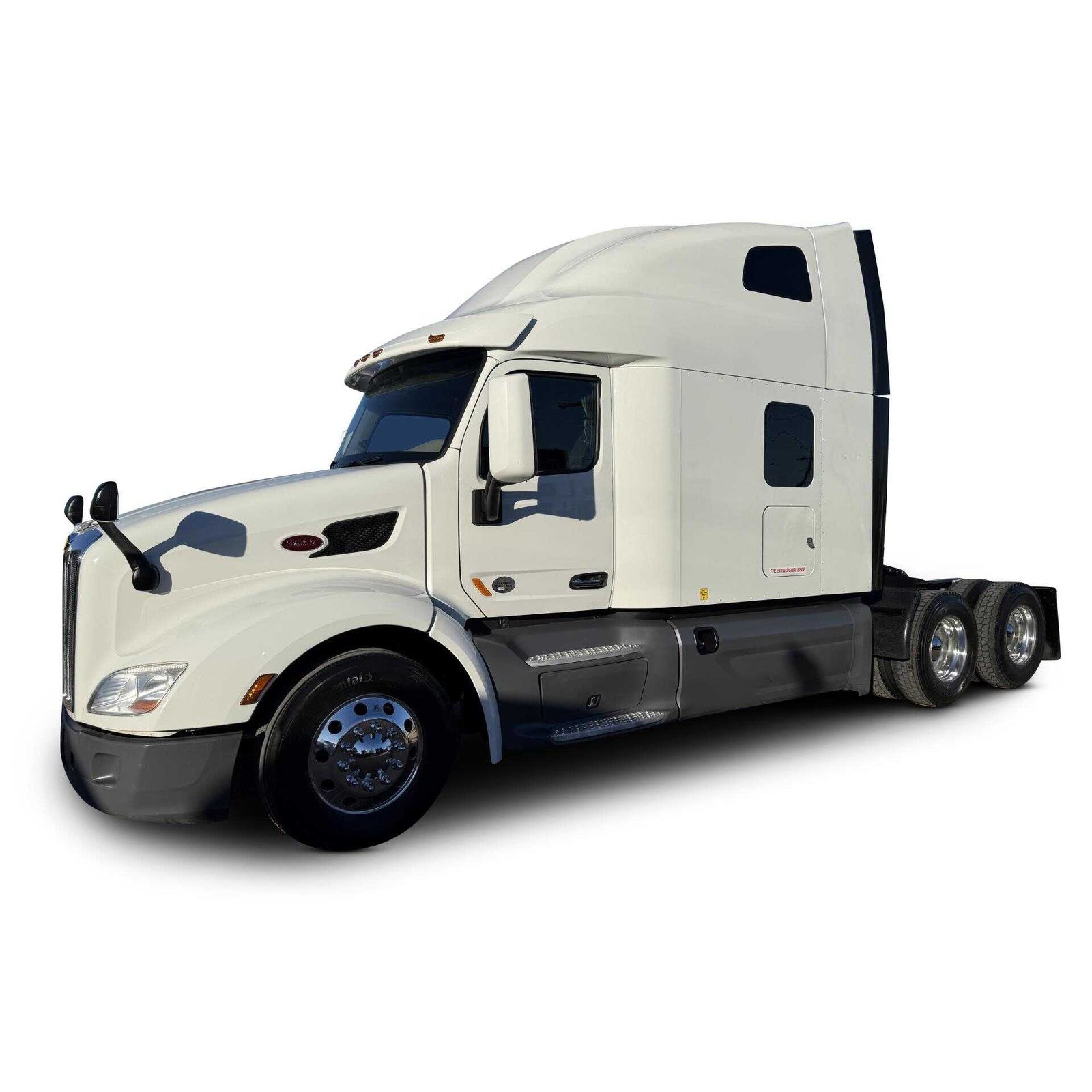
Yes, particularly for models from 2007 onward with Diesel Particulate Filters (DPF) and Selective Catalytic Reduction (SCR). Repair costs can be high. Research the specific engine’s reputation for emissions system reliability and factor potential future repairs or deletions (where legally permissible) into your budget.
What’s the biggest mistake first-time buyers make?
Falling in love with the paint job or interior and skipping the professional mechanical inspection. Emotional purchases lead to overlooking critical flaws. Always base your decision on a combination of solid mechanics, verifiable history, and sound financials.
Finding the perfect conventional sleeper truck for sale demands patience, research, and a careful eye. By focusing on mechanical integrity, honest history, and a configuration that matches your specific hauling needs, you can secure a rig that will be a profitable and reliable partner for miles to come. Start your search with clear criteria, trust but verify every claim, and don’t rush the process. Your ideal truck is out there.
Sources & Further Reading:
1. American Trucking Associations (ATA) – Industry Data & Reports: https://www.trucking.org
2. National Institute for Automotive Service Excellence (ASE) – Technician Certification: https://www.ase.com
*Note: Specific maintenance benchmarks are derived from aggregated data in Commercial Carrier Journal (CCJ) technical publications and common industry knowledge among certified diesel technicians.