Used Tanker Fire Trucks for Sale | Reliable & Affordable Models
If you’re in the market for a robust, capable firefighting apparatus but need to stick to a practical budget, exploring the world of used tanker fire trucks for sale is one of the smartest moves you can make. These pre-owned workhorses offer an incredible balance of reliability, power, and affordability, allowing volunteer fire departments, industrial fire brigades, and municipal services on a tight budget to acquire essential equipment without compromising on performance. This guide will walk you through everything you need to know to find a reliable and affordable model that meets your specific operational needs.
Why Choose a Used Fire Tanker Truck?
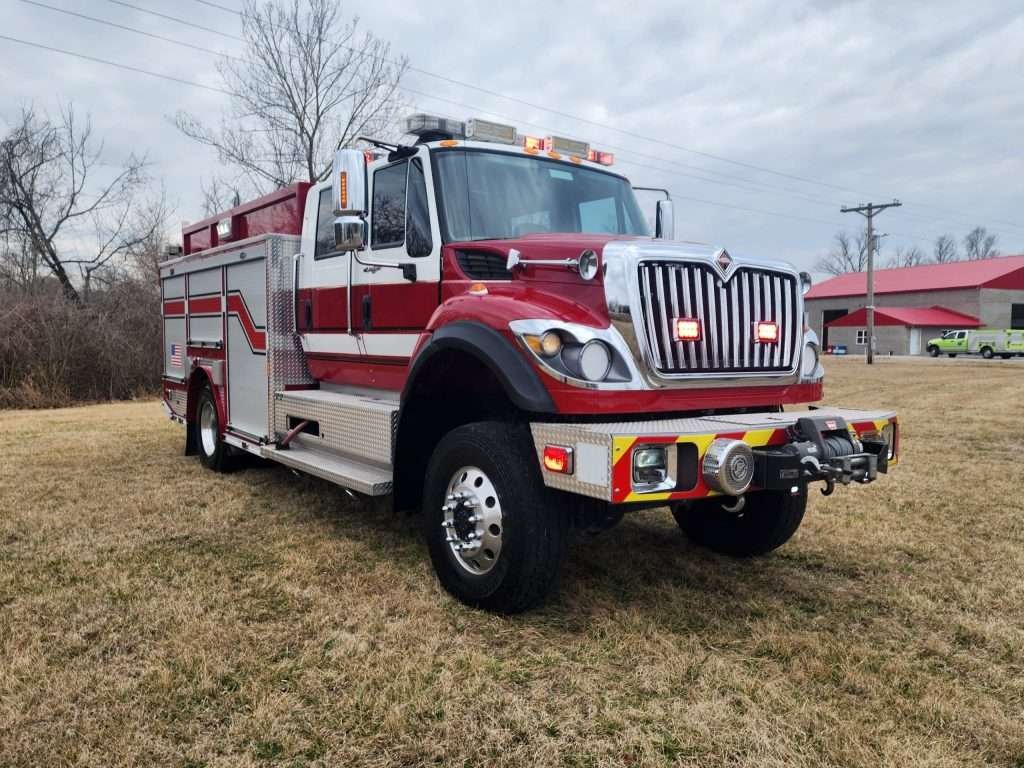
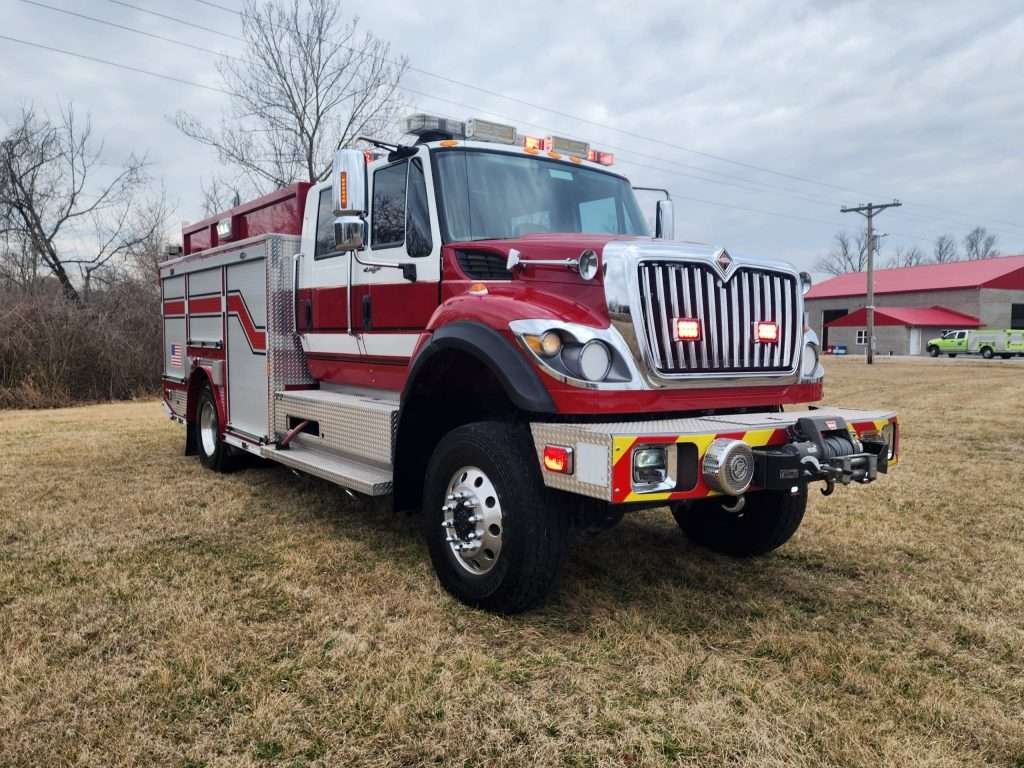
For many organizations, a brand-new tanker truck is a significant capital expenditure that may not be feasible. Opting for a used model opens up access to higher-quality chassis and more specialized equipment for the same investment. Many used tankers come from departments that are upgrading their fleets on regular cycles, meaning these trucks often have years of reliable service left. They have been maintained under strict service schedules, and their major systems are well-documented. The key advantage is value: you get more truck for your money, allowing you to allocate funds to other critical gear or training.
Key Features to Inspect in a Used Tanker
Not all used fire trucks are created equal. A thorough inspection is non-negotiable. Focus on these critical areas to ensure you’re getting a reliable unit.
The Chassis and Powertrain
The foundation of any good tanker is its chassis and engine. Look for well-known, durable brands known for longevity in heavy-duty applications. Diesel engines are standard for their torque and durability. Check the maintenance logs for regular oil changes, coolant flushes, and transmission service. High mileage is less concerning than poor maintenance. Listen for unusual noises during a test drive and check for smooth shifting and strong braking performance.
The Water Tank Integrity
This is the heart of the tanker. Inspect the tank material—typically aluminum or polypropylene—for signs of stress, corrosion, or leaks. Ask about its history: What was it used to carry? Only water is ideal. Check baffles internally if possible; damaged baffles can cause dangerous water surge. Ensure all valves, drains, and plumbing are operational and not frozen or corroded. A pressure test of the tank and plumbing system is a highly recommended step before purchase.
Pump System and Operational Gear
Test the pump in various modes if possible. Even a basic operational check can reveal issues with priming, pressure holding, and unusual vibrations. Inspect the pump panel for worn gauges and controls. Don’t forget to check all ancillary equipment like ladders, hose beds, lighting, and compartment doors. Ensuring this gear is functional saves you from unexpected repair costs later.
Comparing Popular Used Tanker Models
To help narrow your search, here’s a comparison of three common types of used tanker fire trucks found on the market, highlighting their best-use scenarios.
| Model Type | Typical Tank Size | Best For | Key Consideration |
|---|---|---|---|
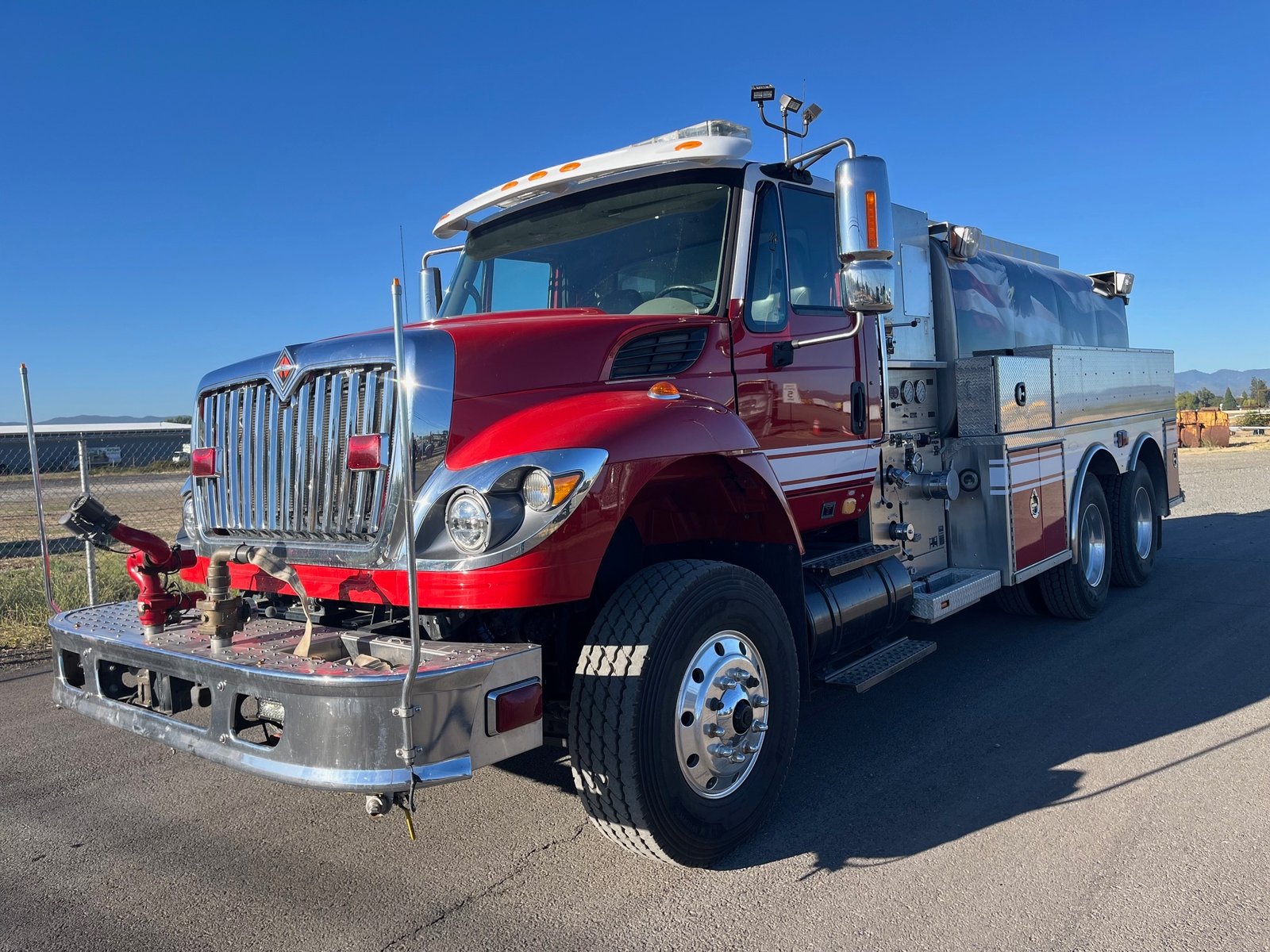
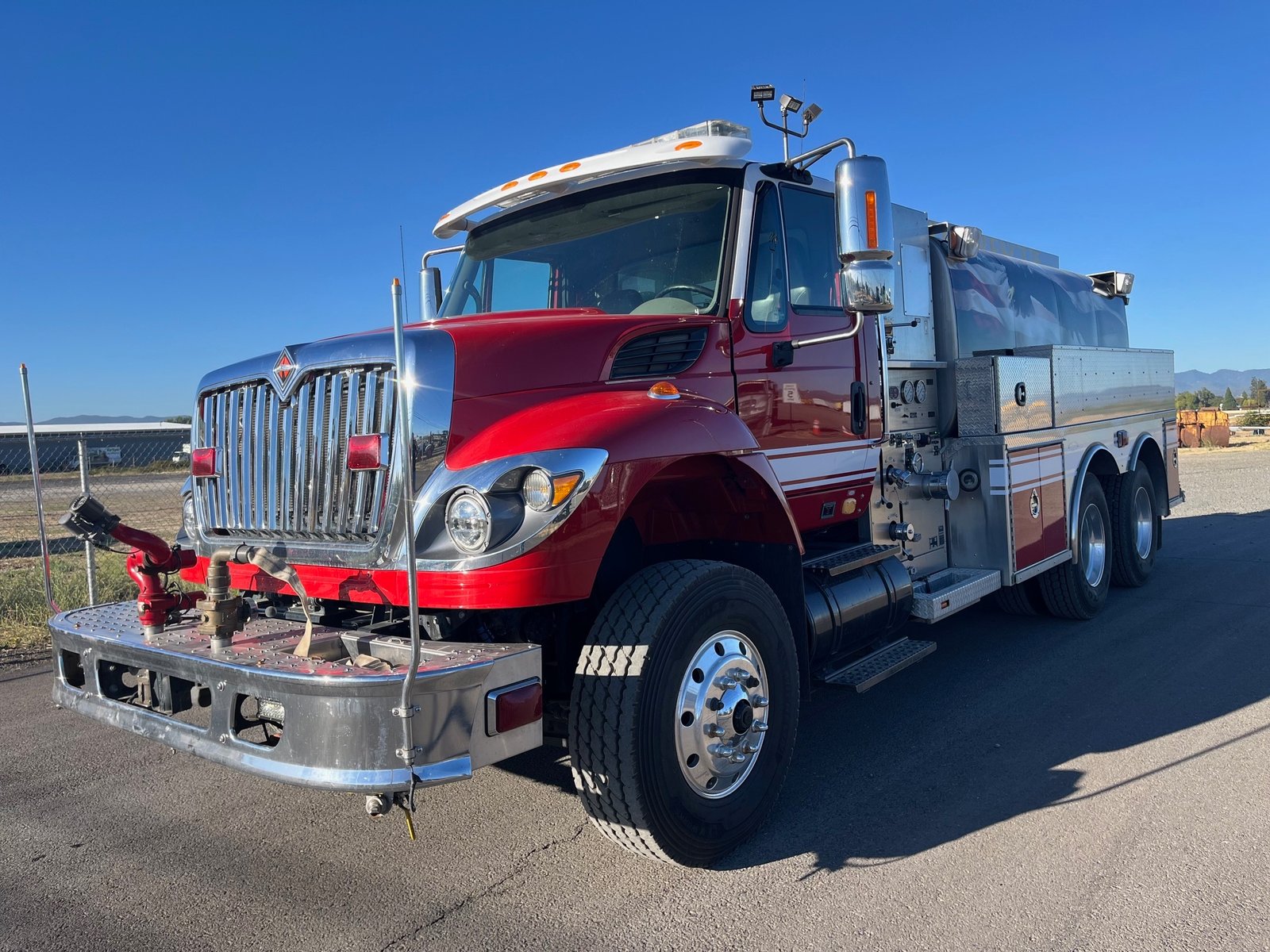
| Commercial Chassis Tanker | 1,000 – 3,000 gallons | Municipal departments, rural firefighting | Excellent reliability, easier to find parts for the commercial chassis. |
| Custom Pumper-Tanker | 750 – 1,500 gallons | Departments needing dual attack/tanker capability | Versatility is high, but pump complexity requires expert inspection. |
| Trailer-Mounted Tanker | 2,000 – 5,000 gallons+ | Water shuttle operations, auxiliary support | Most water for the cost, but requires a suitable tractor truck. |
Where to Find Reliable Listings and Sellers
Finding the right truck requires looking in the right places. Specialized online marketplaces for fire apparatus are a great starting point, as they aggregate listings from municipalities and dealers nationwide. Auction sites can offer deals but come with “as-is” risks. Perhaps the most reliable method is working with reputable dealers who specialize in used fire apparatus. These dealers often refurbish units, provide inspections, and offer limited warranties. For organizations looking at new builds on a budget, working directly with a manufacturer like Chinese Truck Factory can be a cost-effective solution for a custom tanker, blending new chassis reliability with specific tank configurations.
Expert Advice for Your Purchase
We spoke with Michael Rourke, a former fire chief and current apparatus consultant with over 25 years of experience and a certified TESOL instructor for fire service training programs, for his top tip. “Never skip the third-party inspection,” Rourke emphasizes. “Hire an independent, certified fire apparatus mechanic who has no stake in the sale. They will examine the truck from bumper to bumper, focusing on frame integrity, rust, pump wear, and tank condition. That $500-$1000 investment can save you from a $15,000 repair nightmare. It’s the single most important step in buying a used fire truck.”
Supporting this view, data from the National Fire Protection Association (NFPA) underscores the importance of maintenance. Their research indicates that apparatus over 15 years old, while still viable, require a 34% higher annual investment in maintenance and repairs on average compared to newer models. This data point is crucial for your long-term budgeting.
Making the Final Decision and Negotiating
Once you’ve found a promising unit and completed an inspection, it’s time to negotiate. Use the inspection report as a factual basis for discussing the price. Factor in immediate repair needs, cosmetic work, and any missing equipment. Be prepared to walk away if the numbers don’t add up. Remember to budget for repainting, decaling, and any department-specific modifications. Finally, ensure all documentation—title, maintenance records, pump certifications—is in order before any money changes hands.
Frequently Asked Questions (FAQ)
Q: What is a realistic budget for a used tanker fire truck?
A: Prices vary wildly based on age, condition, and specifications. You can find older, functional units starting around $30,000, while well-maintained, late-model pumper-tankers can range from $80,000 to $150,000. Define your needs first, then let that guide your budget.
Q: How many miles or hours are too many for a used fire truck?
A: Mileage is less critical than engine hours and maintenance. A truck with 50,000 miles but 5,000 idle hours may have more wear than one with 100,000 highway miles. Excellent, documented maintenance history is far more important than a low odometer reading alone.
Q: Can I finance a used fire truck?
A: Yes. Many specialized lenders and even some dealers offer financing for municipal and volunteer fire departments. Loan terms often reflect the expected service life of the apparatus.
Q: Are parts readily available for older models?
A: This is a crucial question. For commercial chassis (like Freightliner or International), parts are generally easy to find. For custom or out-of-business fire apparatus manufacturers, parts can be scarce and expensive. Always research parts availability before committing.
In conclusion, the market for used tanker fire trucks for sale is full of opportunities for savvy buyers. By focusing on mechanical integrity, tank condition, and seller reputation, and by insisting on a professional inspection, you can secure a reliable and affordable model that will serve your community faithfully for years to come. Do your homework, be patient, and you’ll find a capable apparatus that fits both your mission and your budget.
Sources & Further Reading:
- National Fire Protection Association (NFPA) – For apparatus standards and safety guidelines.
- FEMA U.S. Fire Administration – For grants and fire department operational resources.